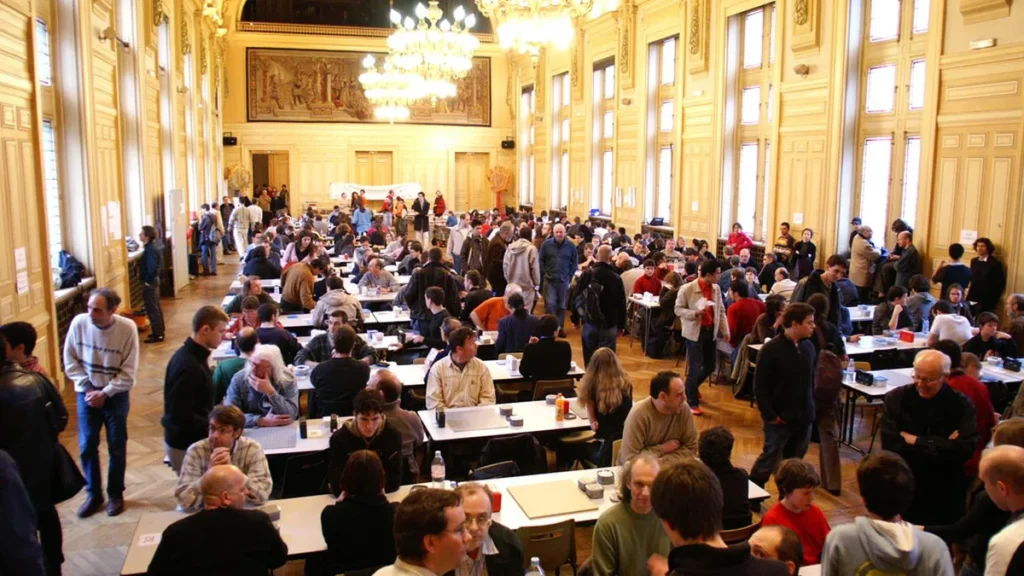
Four hundred and seventy-six players, one farmyard, and a pocketful of dice. That is all it takes to turn an ordinary gathering into a harvest of laughter. Whether you are planning a school fair, a village fete, a family reunion, or a community day with a truly enormous guest list, farm-themed dice games give every single person a role to play, a team to cheer for, and a reason to stay until the last roll.
The farm theme works because everyone already knows the language. Nobody needs a lesson in what a hay bale is, what a tractor does, or why a scarecrow stands guard over the corn. Players can picture each game at once, which means the host spends less time explaining rules and more time rolling dice. The theme also keeps the mood warm and friendly, with chores turned into challenges and harvest jobs turned into friendly contests.
This guide walks you through nine farm dice games built for 476 players, from the first roll to the final score. Each game uses simple equipment, runs in short rounds, and scales cleanly across dozens of teams. You will find a quick comparison table, a full how-to for every game, a packing checklist, and answers to the questions hosts ask most often.
Key Takeaways
- All nine games share one farm theme, so players learn the rules fast and stay in the mood from the first roll to the last.
- Split 476 players into small teams of four to eight and run games in stations, so nobody waits long for a turn.
- Each game needs only dice, score sheets, and everyday farm props such as cones, baskets, and cardboard cutouts.
- Short rounds of five to ten minutes keep energy high and let every team try every game in a single session.
- A simple points ladder, with one point per win and bonus points for teamwork, keeps the final standings fair and easy to follow.

The 9 Farm Dice Games at a Glance
| Game | Players per Round | What You Need | Best For |
|---|---|---|---|
| Dice Hay Bale Roll | 8 to 12 | Two dice, hay bale markers | Opening warm-up |
| Dice Tractor Ride | 8 to 12 | Two dice, track cards | Steady team racing |
| Dice Chicken Coop | 6 to 10 | Three dice, egg tokens | Quick noisy rounds |
| Dice Corn Harvest | 8 to 12 | Two dice, corn counters | Counting and adding |
| Dice Barn Dance | 10 to 14 | Two dice, dance cards | Music and movement |
| Dice Pig Pen | 6 to 10 | Three dice, pen mats | Careful planning |
| Dice Apple Orchard | 8 to 12 | Two dice, apple tokens | Families and children |
| Dice Cow Milking | 6 to 10 | Two dice, bucket cards | Calm focus rounds |
| Dice Scarecrow Stand | 8 to 12 | Three dice, straw hats | Grand finale |
The 9 Farm Dice Games
Run the games in any order, but keep the same team size at every station so the points stay fair. Give each team a score card at the start, and let a station leader record the result after every round. If you are short on space, the table games work indoors while the rolling games suit a field or a hall with a clear floor.
1. Dice Hay Bale Roll
Dice Hay Bale Roll opens the day with a simple race across the yard. Each team lines up behind a start line with two dice and a hay bale marker, which can be a small straw bale, a cushion, or a cardboard box painted yellow. One player rolls both dice and moves the marker forward by the total, counting out loud so the whole team can follow the count.
The twist is the double. Roll a pair and the team earns a bonus move of three spaces, but the next player must roll before the team can cheer, which keeps everyone watching the dice instead of drifting away. Roll a total of two and the marker slips back one space, as if the bale had rolled downhill. The first team to reach the finish line, set about twenty spaces away, wins the round and banks ten points.
For 476 players, run four Hay Bale Roll stations side by side so sixteen teams can race at once. A round takes about six minutes, and a station leader can reset the markers in seconds. The rules are plain, the counting is easy, and even the youngest players can roll the dice and shout the total.
2. Dice Tractor Ride
Dice Tractor Ride turns a dice roll into a slow and steady drive down a farm track. Each team gets a track card marked with thirty squares, a tractor token, and two dice. Players take turns rolling and moving the token forward by the rolled total, calling out each square as they pass it, which helps younger players practise adding without realising they are doing sums.
Certain squares hold surprises. A mud patch on square nine sends the tractor back two squares, a fuel stop on square fifteen lets the team roll again, and a gate on square twenty-four asks the team to name a farm animal before moving on. These small stops break up the race and give quieter players a chance to shine, because knowing the animals matters just as much as rolling high.
The first tractor to reach square thirty wins the round, and teams that finish second and third still earn points, which keeps the race honest to the end. With 476 players, set up six tracks and let teams rotate every eight minutes.
3. Dice Chicken Coop
Dice Chicken Coop is the loudest game in the set, and it works best when the whole group is ready to make some noise. Each team has three dice and a pile of egg tokens. On a turn, a player rolls all three dice and collects one egg token for every even number showing, so a roll of two, four, and six earns three eggs, while a roll of odd numbers earns nothing at all.
Rolling three of a kind is the coop jackpot. The team collects five eggs at once and every player must cluck like a chicken before the next turn begins, which is exactly the sort of silly moment that breaks the ice between strangers. Rolling three odd numbers is the fox visit, and the team must hand back two eggs to the coop, so even a strong lead can vanish in a single roll.
Play for five minutes per round and count the eggs at the end. The team with the most eggs wins, and the eggs convert to points on the master scoreboard. For a group of 476, run the game at eight small tables so the clucking stays cheerful rather than deafening.
4. Dice Corn Harvest
Dice Corn Harvest rewards steady hands and careful counting. Each team starts with an empty basket and two dice. Players roll in turn and add the total to their harvest count, moving that many corn counters into the basket. A roll of seven is the golden cob, worth double, so a seven adds fourteen counters instead of seven, and the team marks it on the score card with a star.
The catch is the crow. Roll a total of twelve and a crow swoops in, which means the team loses six counters from the basket. Teams quickly learn to cheer the middle numbers and groan at the extremes, and the shared counting keeps everyone involved even when it is not their turn to roll. A round ends when a team reaches one hundred counters or when ten minutes have passed, whichever comes first.
This game suits players who like numbers, and teachers often pick it for school groups because the adding is constant but never feels like a lesson. Place Corn Harvest between two noisy games so teams get a breather. The dice games for 475 players use a similar station layout, and the same rotation plan works well here too.
5. Dice Barn Dance
Dice Barn Dance adds music and movement to the dice table. Each team draws a dance card showing a simple move, such as a stomp, a spin, a clap, or a bow. One player rolls two dice, and the total decides how many times the team performs the move on their card, so a roll of nine means nine stomps, done together, in time with the music.
The judge at the station watches for two things: that the whole team joins in, and that the count matches the roll. A team that dances in step and counts correctly earns full points, while a team that miscounts loses two points but can win them back on the next roll. Rolling doubles lets the team swap their dance card for a new one, which keeps the moves fresh across the session.
Play each round for about eight minutes, with the music changing between rounds so the mood stays lively. This game is a natural fit for the middle of the day, when players need to stretch their legs after sitting at the quieter stations.

6. Dice Pig Pen
Dice Pig Pen is a game of patience, and it suits teams that like to think before they act. Each team has three dice and a pen mat divided into twelve pens. On a turn, a player rolls the dice and chooses one of the three numbers to place a pig token in the matching pen, aiming to fill a row of three pens before the other teams do.
The skill lies in the choice. A roll of one, four, and six offers three very different options, and the team must agree together before placing the token, which makes this a genuine team game rather than a solo roll. Rolling three of the same number is a muddy puddle, and the team must remove one token from the mat, so a lucky roll can still hurt.
The first team to complete a row of three pens wins the round and earns ten points, with five points for the runner-up. A round usually lasts about seven minutes, and the quiet concentration at this station makes it a good neighbour for the louder games.
7. Dice Apple Orchard
Dice Apple Orchard is the friendliest game in the collection, and it is often the favourite with families. Each team has two dice and a basket of apple tokens. Players roll in turn, and the total tells them how many apples to pick from the orchard board, which is a simple grid of apple pictures. A roll of three picks three apples, a roll of eleven picks eleven, and the team keeps a running tally on their score card.
Two special rolls keep the game lively. A total of five is a wormy apple, and the team must put one apple back, while a total of ten is a bumper crop, and the team picks five extra apples as a bonus. The board is reset between rounds, so every team starts fresh, and nobody carries a grudge from a bad roll into the next game.
A round lasts about six minutes, or until the orchard board is empty. The team with the most apples wins, and ten apples convert to one point, which keeps the scores close. The complete guide to dice games for 474 players follows the same points system, so hosts who have run that set will feel at home here. This game also works well as a calm closing station for younger children near the end of the day.
8. Dice Cow Milking
Dice Cow Milking is the quietest game of the nine, and it rewards a steady hand and a cool head. Each team has two dice and a set of bucket cards, each showing a target number between four and twelve. On a turn, a player rolls the dice, and if the total matches an unfilled bucket card, the team fills that bucket and scores the points printed on the card.
If the total matches a bucket that is already full, the milk spills, and the team scores nothing for that turn. This simple rule creates real tension, because a roll of seven is common and therefore risky once the seven bucket is filled, while a roll of two or twelve is rare and therefore precious. Teams learn to watch the board and hope for the numbers they still need.
Play continues until all the bucket cards are filled or ten minutes have passed. The team with the highest bucket total wins the round. Run this game at quiet tables away from the music, so the concentration is not broken by the barn dancing next door.
9. Dice Scarecrow Stand
Dice Scarecrow Stand is the grand finale, and it brings the whole farm theme together. Each team has three dice and a scarecrow figure made from a straw hat, a stick, and an old shirt. On a turn, a player rolls all three dice, and the team must stand as still as a scarecrow for the number of seconds shown on the lowest die, while the other teams watch for the slightest wobble.
A team that holds still earns points equal to the total of the three dice. A team that wobbles loses five points, and the watching teams get to call out the wobble, which makes the judging part of the fun. Rolling three sixes is the harvest moon, worth double points, and the whole station cheers when it happens. The game ends after six turns per team, and the highest score wins.
Save this game for last, because it works best when the crowd is already warmed up and ready to laugh together. Set it up in a central spot where other teams can watch, and hand the winning team a straw hat as a prize. The dice games for 469 players close with a similar showpiece round, and the same big-finish energy fits this set perfectly.
Checklist for Hosting 476 Players
- Split players into teams of four to eight before the day begins, and print a team list with a captain named for every team.
- Pack at least sixty dice, plus spares, so every station can run two sets at once without waiting for a shared pair.
- Prepare score cards, pens, tokens, and mats the night before, and label each set with its station name.
- Set up nine stations in a loop, with clear signs and a one-way walking route so teams never cross each other.
- Brief every station leader on the rules, the points, and the time limit, and give each leader a whistle or a bell.
- Keep water, shade, and a first aid kit close to the play area, and plan a ten-minute break halfway through the session.
Frequently Asked Questions
How long does the full set of nine games take?
Allow about ninety minutes to two hours for the full set, including rotations and a short break. Each game runs for five to ten minutes, with two to three minutes to walk between stations. If time is tight, drop two stations and run the remaining seven.
What if we do not have 476 players?
The games scale down easily. With fewer players, simply run fewer teams at each station and keep the same rules. With a group of forty, one station per game is plenty, and with a group of twelve, a single table can host the whole set in turn.
Do we need real farm props?
No, everyday items work just as well. Cushions stand in for hay bales, cardboard boxes become tractors, and paper tokens replace apples and eggs. The theme comes from the names and the stories you tell, not from expensive equipment.
Can children and adults play together?
Yes, and mixed teams often do best. The counting is simple enough for children, while the choices in Dice Pig Pen and Dice Cow Milking give adults something to think about. Pair younger players with an older teammate for the counting games, and let everyone take a turn rolling.
How do we keep score fairly across nine stations?
Use one points ladder for every game: ten points for a win, five for second place, and two for taking part. Station leaders record the result on the team score card, and a central table adds up the totals.
What happens if a station runs out of time?
End the round when the whistle blows, even if a team is mid-turn. Count the scores as they stand, record them, and move on. The rotation keeps the day moving, and teams quickly learn that a fast, fair finish is better than a long argument over one last roll.
The Bottom Line
Nine farm dice games, 476 players, and one simple idea: give everyone a dice, a team, and a job to do. The hay bales, tractors, chickens, corn, dancing, pigs, apples, cows, and scarecrows turn plain dice rolls into a day that players remember, and the station system means nobody is left standing on the sidelines. Pack the dice, print the score cards, set up the loop, and let the farm games begin.