Word games for 391 players sound impossible until you stop picturing one table and start picturing a whole room working at once. The trick is not to seat 391 people around a single board. It is to split them into teams, run several word games at the same time, and let a simple points system tie everything together. When that structure is in place, a word night that works for three friends works just as well for a school hall, a company social, or a community festival.
A good word game for a huge group has three qualities. First, everyone plays at the same time, so nobody sits and watches for an hour. Second, the rules can be explained in under two minutes, because you cannot brief 391 people one by one. Third, the game still feels like a word game, not a shouting contest: spelling, vocabulary, quick thinking, and clever clues do the work, while luck only decides the odd tie.
This guide covers the games that meet those tests, the team, station, and tournament formats that scale them from 3 players to 391, and a practical plan for running the day without chaos. Pick two or three formats, keep the scoring visible, and let the words carry the evening.
Key takeaways
- Word games for 391 players work when teams, stations, and tournaments replace a single table.
- Choose games everyone plays at once, with rules you can explain in under two minutes.
- Teams of four to eight keep every player involved and make scoring simple.
- Rotate teams through short word stations so no group waits long for a turn.
- Keep one visible scoreboard and one clear finish time so the event ends on a high.

Why Word Games Scale So Well for Huge Groups
Word games have a natural advantage over most party games: the playing field is language, and everyone brings some of it. You do not need strength, speed, or special skill to join in. A shy ten-year-old, a grandparent, and a confident public speaker can all contribute to the same team, because different word games reward different strengths. One rewards a wide vocabulary, another rewards quick recall, and a third rewards lateral thinking.
Everyone Plays at Once
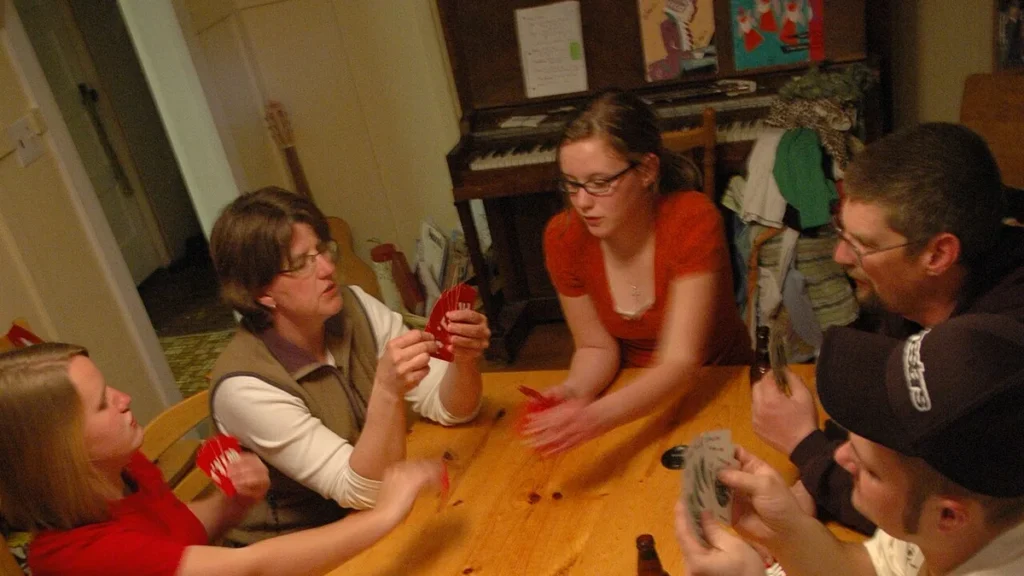
The best large-group word games are simultaneous. In a word search race, a letter-tile build, or a clue-guessing round, all teams work on the same prompt at the same moment. Nobody waits for a turn to come around a circle of 391 people, which would take all evening. Simultaneous play also keeps the energy up: the room hums, teams whisper and laugh, and the host can call time and move on without losing anyone.
Words Need Almost No Equipment
Most word games need paper, pens, printed sheets, or a set of letter tiles. That matters at scale, because buying 391 specialist sets would be expensive and slow to hand out. Paper-based games can be photocopied in bulk, projected on a screen, or read aloud. Tile games can be shared one set per team, and a team of six can build words together from a single tray. Keep the kit simple and you keep the setup time short.
Scoring Stays Fair at Any Size
Word games give the host clean numbers: words found, clues solved, letters used, or rounds won. Those numbers add up the same way for ten teams as for sixty teams. A visible scoreboard, updated after each round, lets every team see where it stands without the host shouting results across a hall. Fair scoring also stops arguments, because the rules for points are written down before play starts.
How the 3-to-391 Range Actually Works
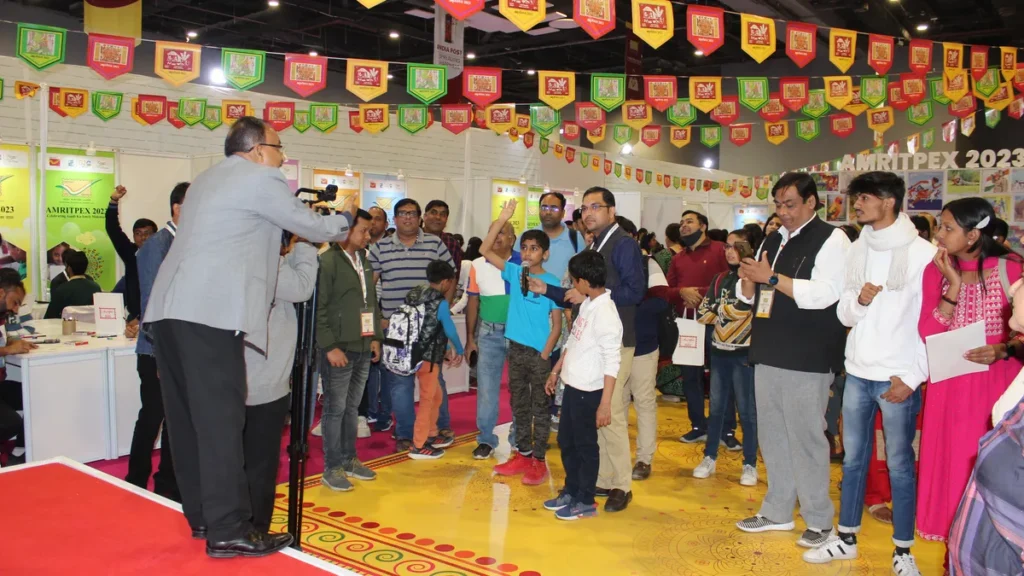
Think of 391 as the top of a range, not a fixed headcount. The same games work for three players on a sofa, thirty players in a classroom, and 391 players in a hall, because only the grouping changes. At the small end, everyone plays as individuals. In the middle, players form teams of four to eight. At the top end, teams are grouped into zones, zones rotate through stations, and the best teams meet in a final. The games stay the same; the organisation grows around them.
Teams are the first scaling tool. A team of four to eight is large enough to share ideas and small enough that nobody hides. Give each team a name, a table or a marked floor space, and a captain who collects the answer sheet. Captains are the host’s best friends at scale: instead of managing 391 individuals, the host manages fifty or sixty captains. If you want ideas for a slightly smaller crowd first, the guide to top word games for 389 players shows the same team structure working at almost the same size.
Teams of Four to Eight
Keep teams between four and eight players. Smaller teams move fast but run out of ideas; larger teams get noisy and leave quieter players out. Mixed teams work best, so blend ages and confidence levels where you can. Let friends stay together when it helps the mood, but seed each team with at least one strong speller and one quick thinker. Rotate a team spokesperson each round so the same person does not answer every time.
Stations That Keep Everyone Moving
Stations are the second scaling tool. Set up six to ten word stations around the room, each with a different short game: a word search, an anagram table, a clue wall, a letter-tile build, a rhyming challenge, and a quick quiz. Teams spend eight to ten minutes at a station, then rotate on a whistle. Nobody queues, nobody watches, and a late arrival can join the next rotation without disrupting the event.
Tournaments That End With a Final
Tournaments are the third scaling tool, and they give a big event its ending. After the station rounds, take the top eight or sixteen teams into a knockout or a points final on stage. The final should be short, loud, and easy to follow: a clue round, a word ladder, or a head-to-head anagram race. Everyone else watches, cheers, and plays along from their seats, so the final feels like a celebration rather than an exclusion.
The Best Word Games for 391 Players
The games below were chosen because they scale, they need little equipment, and they stay fun after the first round. Run two or three in a session rather than all of them, and repeat the favourites with fresh words instead of adding a complicated new game late in the day.
Team Anagram Race
Give every team the same long word or the same set of letters and ask them to build as many real words as they can in five minutes. Short words score one point, longer words score more, and the longest valid word earns a bonus. This game is ideal for huge groups because every team works from the same letters, marking is quick, and the host can read out the best finds. Use a fresh letter set each round and ban proper names so the scoring stays clean.
Clue Chain
Clue Chain is a relay of short word clues. The host reads a clue, teams write an answer, and the answer becomes the clue for the next question. For example, a clue for “light” might lead to a clue about “house”, and then to “music”. Teams score for each correct link, and a broken chain costs only that round. The game rewards listening and lateral thinking, and it works beautifully on a big screen where the whole hall can follow along.
Word Search Sprint
Print the same large word search for every team, with twenty hidden words on a theme such as food, travel, or animals. Teams race to find them all, and the first finished sheet wins, with points for each word found if time runs out. Word searches are quiet, fair, and easy to mark, which makes them a good calm round between louder games. Print a spare stack, because sheets get folded, spilled on, and fought over.
Letter Tile Build
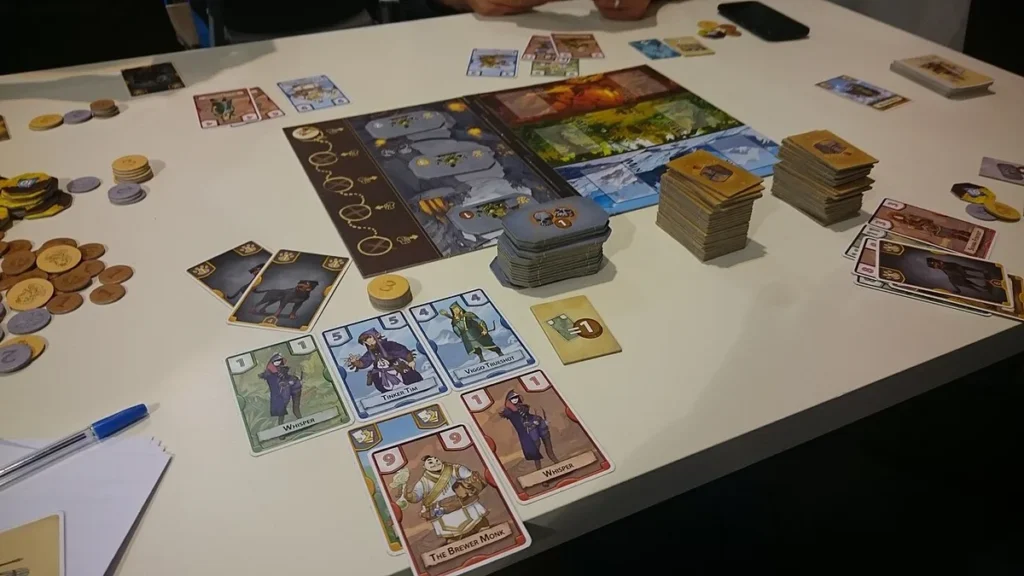
Give each team a tray of letter tiles and a target: build the longest word, build five words from one theme, or build a crossword-style grid on the table. Teams photograph or write down their best words before time is called. This is the closest large-group cousin of classic tile games, and it works because every team builds at once. If you have played tile games at smaller gatherings, the approach in word games for 387 players that keep huge groups playing shows how the same tile play stretches to a hall full of teams.
Rhyming Relay
Rhyming Relay is fast, noisy, and perfect for a mid-event energy lift. The host calls a starter word, and each team must shout or write a rhyme, then a rhyme for that rhyme, building a chain. Teams score for each valid rhyme and lose the chain if they repeat a word or take too long. Keep rounds to three minutes and change the starter word often. This game suits mixed ages well, because a simple rhyme counts just as much as a clever one.
Category Storm
Category Storm asks teams to list as many words as they can in a category beginning with a chosen letter, for example animals beginning with B, or foods beginning with S. Teams have two minutes, then trade sheets and mark each other’s lists. Shared answers score one point and unique answers score two, which rewards original thinking over safe choices. The game needs only paper and a timer, so it is the easiest game on this list to run for 391 players.
Word Games Compared for Huge Groups
Use this table to pick the right mix for your crowd, your space, and your time. A good session pairs one quiet game with one loud game and one team-building game, so the energy rises and falls instead of flatlining.
| Game | Best group size | Equipment | Energy | Marking |
|---|---|---|---|---|
| Team Anagram Race | 3 to 391 | Letter sheets | Medium | Quick |
| Clue Chain | 20 to 391 | Screen and clues | Medium | Quick |
| Word Search Sprint | 3 to 391 | Printed grids | Calm | Easy |
| Letter Tile Build | 12 to 200 | Tile sets | Medium | Moderate |
| Rhyming Relay | 30 to 391 | Timer only | High | Quick |
| Category Storm | 3 to 391 | Paper and pens | High | Easy |
Running the Day: Teams, Stations and Tournaments
A 391-player word event succeeds or fails on its timetable. Plan the day in blocks, publish the blocks where everyone can see them, and protect the breaks. Players forgive a hard clue; they do not forgive a schedule that drifts by an hour. Aim for ninety minutes to two hours of play, with a short welcome, four to six game blocks, and a final.
A Sample Ninety-Minute Schedule
Open with ten minutes of welcome and team formation, then run a warm-up Category Storm for ten minutes so everyone plays immediately. Follow with two station rotations of twenty minutes each, a ten-minute break, and a twenty-minute Clue Chain or anagram final. Close with five minutes of results and prizes. That shape gives every team at least four scored games, keeps the host in control, and leaves time for the inevitable slow start.
Scoring, Hosting and Prizes
Keep scoring simple enough to explain in one sentence per game. Award points per correct answer, per word, or per round won, and write the totals on a board or a projected sheet after each block. Choose a host who can project their voice, keep time firmly, and laugh off a disputed answer with a quick ruling. Prizes need not be expensive: small word books, team certificates, or the honour of choosing the next event theme are enough. The team and tournament structure here mirrors the plan in running puzzle games for 391 players with teams, stations and tournaments, which uses the same rotation and final format.
Space, Sound and Materials
Walk the room before the event and count tables, chairs, and power points. Teams need elbow room to write and talk without shouting over their neighbours, and the host needs a microphone once the crowd passes about sixty people. Print ten percent more sheets than you need, pack spare pens, and put a clock where every team can see it. If you use a screen, test it from the back row: if the smallest word is hard to read, make the font bigger.
Your Checklist for Game Day
Run through this list the day before, not on the morning of the event. A calm host with a finished checklist beats a rushed host with a cleverer game.
- Confirm the headcount, the team sizes, and the number of captains you need.
- Print answer sheets, word searches, and score sheets, plus ten percent spares.
- Test the microphone, the screen, and the timer from the back of the room.
- Set up stations with clear signs, a worked example, and a finish whistle.
- Prepare the scoreboard, the final-round clues, and the prizes before doors open.
- Brief your helpers on marking, rotation signals, and how to settle disputes quickly.
Common Mistakes to Avoid
The most common mistake is choosing a game that needs turns. A game where one person answers while 390 people watch will lose the room in minutes, however clever the questions are. Pick simultaneous games first and save turn-based games for the small final only.
The second mistake is overcomplicated scoring. If players need a calculator and a rulebook to know who won, the scoring is wrong. One point per correct answer, with a small bonus for the best answer, is enough for almost every word game in this guide.
The third mistake is running out of time for the final. Protect the last twenty minutes from the start, even if an early round runs long. A rushed or cancelled final leaves players feeling the event fizzled out, while a short, clear final sends everyone home talking about the winners.
Frequently Asked Questions
Can word games really work for 391 players?
Yes, when the format changes with the size. Split players into teams of four to eight, run simultaneous rounds or stations, and bring the best teams together for a short final. The games themselves stay simple; the organisation does the scaling.
What is the best team size for a huge word game?
Four to eight players per team works best. Smaller teams move quickly but have fewer ideas, while larger teams leave quieter players out. Mixed teams with different ages and strengths tend to score more evenly across different games.
How long should a 391-player word event last?
Ninety minutes to two hours is the sweet spot. That allows a welcome, four to six scored rounds, a break, and a final, without tiring the room. Shorter events feel rushed, and longer ones lose players to fatigue and wandering attention.
Do I need a microphone and a screen?
For more than about sixty players, yes. A microphone lets the host give instructions once instead of repeating them table by table, and a screen lets everyone see the same clues, words, and scores at the same time. Test both from the back row before the event starts.
What if players have very different vocabularies?
Mix the game types so different strengths count. Anagrams reward vocabulary, rhyming rewards sound, clue chains reward lateral thinking, and category games reward quick recall. Mixed teams also help, because a player who is weak on spelling may be strong on clues or rhymes.
How do I keep scoring fair across so many teams?
Write the points rules down before play, use the same answer key for every team, and mark with a second helper checking disputed answers. Update a visible scoreboard after each round so teams can see their totals and raise any error while it is still easy to fix.
Bottom Line
Word games for 391 players work when you scale the format, not the game. Teams of four to eight, short simultaneous rounds, clear scoring, and a lively final turn a logistical headache into a room full of people thinking, laughing, and competing together. Start with two or three games from this guide, run them well, and add a new format next time instead of overloading the first event. The words will do the rest.