Puzzle games for 560 players seem impossible until you picture the day as a workshop, not a single contest. This guide turns an old village button-maker’s workshop into nine puzzle races for 560 players, with 56 teams of ten, nine work tables, and a points tally that stays honest at scale. Every race uses the same plain materials: round blanks, shanks, rims, domes, faces, backs, edges, dyes, and sizes.
A button-maker spends the working day sorting, measuring, matching, and checking round pieces, and each of those jobs makes a fair puzzle race. One race counts loops, another measures rims, a third groups domes by curve, and the rest order blanks, check faces, order backs, test edges, check dyes, and name sizes. No race needs a rare tool, and no race asks one team to wait long for another.
The plan below gives you the team maths, the nine races in full, a rotation that keeps every team busy, a checklist, and answers to the usual questions. The locksmith’s workshop day in our puzzle games for 559 players uses the same rotation shape, so teams who enjoyed that day will feel at home here.
Key takeaways
- 560 players form 56 teams of ten, and every team visits all nine work tables.
- Each race lasts about 20 minutes, with a short pause after every third race.
- Points come from correct answers only, never from pace alone, so careful teams stay in the running.
- Every race uses materials already at the work tables, and nothing needs to be bought for the day.
- The day ends with a short final for the eight best teams, and the points tally decides the champions.

How 560 Players Fit Into One Day
560 divides neatly into 56 teams of ten. Nine work tables stand in a row along the hall, and each table hosts one race. At any moment, six teams gather at seven tables and seven teams gather at two tables, which accounts for all 56 teams. Every team moves to a fresh table after each race, and after nine races every team has tried every race.
Each race lasts about 20 minutes, and the move to the next table takes about five minutes. Nine races plus eight moves plus two pauses come to about four hours, which leaves room for a welcome at the start and a final at the end.
Keep the points tally on one large board where every team can see it. One scorekeeper per table records the points, and the host reads the running totals aloud after the third, sixth, and ninth races. When the tally stays visible, no team needs to ask how it stands, and the final feels earned rather than argued over.
The 9 Button-Maker Races
The table below gives the shape of the day at a glance. Read the nine races in order, and note that each race tests a different part of a button, from the loop on its back to the dye on its face.
| Race | Table | Team | What earns the points |
|---|---|---|---|
| Button Shank Count Race | Shank table | 10 | Most correct loop totals |
| Button Rim Measure Race | Rim table | 10 | Closest rim widths |
| Button Dome Match Race | Dome table | 10 | Most domes grouped by curve |
| Button Blank Order Race | Blank table | 10 | Fastest correct order |
| Button Face Check Race | Face table | 10 | Most flaws found |
| Button Back Order Race | Back table | 10 | Fastest correct order |
| Button Edge Fit Race | Edge table | 10 | Most edges sitting true |
| Button Dye Check Race | Dye table | 10 | Most dye lots matched |
| Button Size Check Race | Size table | 10 | Most sizes named right |
1. Button Shank Count Race
The shank is the loop on the back of a button, and this race asks teams to count loops, not buttons. Each team receives a tray of 40 mixed buttons, with one-loop, two-loop, and loop-free pieces jumbled together. Players sort the tray into three piles by loop count, then write the three totals on a score slip. The host checks the totals against a master slip, and each correct total earns ten points.
A team that rushes and guesses will lose points on the piles it miscounts, so the careful teams earn more here than the quick ones. Buttons with a cracked loop count as loop-free, and the host shows one cracked example before the race begins so every team decides the same way. Keep the trays turned over until the host calls the start, so no team gets an early look. Give each team a fresh tray for the second half of the race, and add the two totals together for the table score.
2. Button Rim Measure Race
The rim is the outer edge of a button, and its width decides how a button sits in its cloth. Each team receives a row of ten buttons with rims of different widths, plus a finger width as the only measuring tool. Players arrange the ten buttons from thinnest rim to widest rim, using a finger width to compare each rim with the next.
The host then measures the row with a ruler and awards ten points for each button in its correct spot, with five points for a button one spot away from correct. No team may lift a button once it has been put in the row, so teams talk the order out before they commit. The race rewards patience over pace, and the row often changes three times before it settles.
3. Button Dome Match Race
A domed button curves up in the middle, and domes vary from a low rise to a high curve. Each team receives 24 domed buttons and four sample domes, one for each curve: low, medium, high, and very high. Players group the 24 buttons under the sample dome with the matching curve, and the host awards five points for each button grouped right.
A dome that sits between two samples goes with the nearer sample, and the host shows two such borderline domes before the race begins. Teams that argue over one dome lose time, so the best teams agree on a rule for borderline domes and then apply it without debate.
4. Button Blank Order Race
A blank is a plain round disc that has not yet been dyed, and blanks vary in thickness even when they look alike. Each team receives 12 blanks and must arrange them from thinnest to thickest by feel and by sight, without any measuring tool. The host checks the order against a master slip and awards ten points for each blank in its correct spot, with the full 120 points for a perfect row.
Blanks that feel alike can be compared by tapping them gently on the table, since a thicker blank gives a deeper note. Teams that rush this race usually mix up two middle blanks, so the careful teams earn more here than the quick ones.
5. Button Face Check Race
The face is the front of a button, and a good face is smooth, even, and free of flaws. Each team receives a tray of 30 buttons, of which ten carry a flaw: a scratch, a dull area, an uneven edge, or a faint crack. Players inspect every face and write the ten flawed buttons on a score slip, by number. The host awards ten points for each flaw found, and takes away five points for each good button wrongly named.
A team that names every button as flawed will score less than a team that names only the ten true flaws, so honesty pays here. Give the teams a bright light at each table, since flaws hide in dim corners.
6. Button Back Order Race
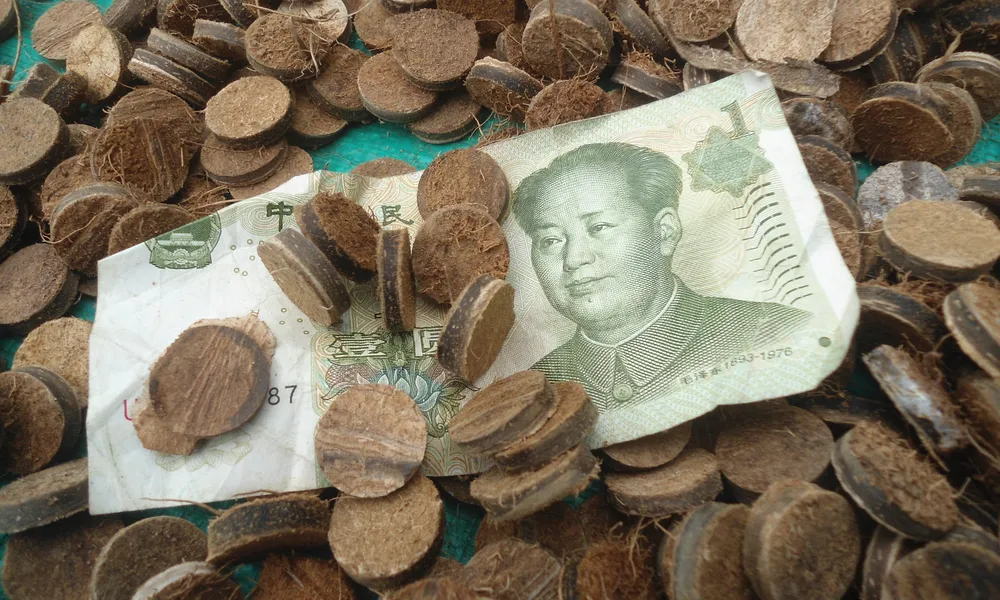
The back of a button tells its story: flat, looped, domed, or hollow. Each team receives 40 backs in a jumble and must arrange them in the repeating order flat, looped, domed, hollow, flat, looped, domed, hollow, until the row is complete. The host awards ten points for each run of four in the correct order, and the full 100 points for a perfect row.
A team that starts with the wrong back will see the error repeat down the row, so the first four backs deserve the most care. Keep a finished row on show at the host table, so teams can check the repeating order without asking.
7. Button Edge Fit Race
An edge must sit true against a straight wooden ruler, with no lift at either end. Each team receives 20 buttons and a ruler, and must test every edge against the ruler, keeping the ten truest edges and putting the rest aside. The host checks the ten kept edges and awards ten points for each edge that sits true, with five points for an edge that lifts only a little.
Edges that rock from side to side fail at once, and the host shows one such edge before the race begins. Teams that test every edge twice earn more here than teams that test once and trust to luck.
8. Button Dye Check Race
Dye gives each button its depth of colour, and dye lots vary from batch to batch even when the dye mix stays the same. Each team receives 24 dyed buttons and eight lot slips, three buttons to a lot. Players match each button to the lot slip with the same dye, and the host awards ten points for each correct match.
Two lots may look close at first glance, so teams compare buttons side by side in bright light before they decide. A team that matches by guesswork will score less than a team that lines the buttons up lot by lot, so patience pays here.
9. Button Size Check Race
Buttons come in numbered sizes, and a practised eye can name a size at a glance. Each team receives a row of 15 buttons in mixed sizes, from 14 to 40, and must write the size of each button on a score slip. The host awards ten points for each size named right, with five points for a size one step away from correct.
A finger width helps here, since most sizes differ by about that much, and the host shows the 14 and the 40 before the race begins so every team has the two end sizes in mind. The fastest teams finish early, but the points belong to the teams that name the most sizes right.
Stations and Tournaments
The day runs on rotations, not waves. Every team starts at a different table, and after each race the host calls the move and every team shifts one table along the row. After nine races, every team has tried every race, and no team has waited at an empty table.
The tinsmith’s workshop day in our puzzle games for 558 players follows the same rotation shape, and its tinsmith tables sit in the same kind of row, so the two days share a rhythm even though the materials differ.
For the tournament ending, take the eight best teams from the points tally and run a short final at three tables: the Button Shank Count Race, the Button Dome Match Race, and the Button Size Check Race, each for ten minutes. The final points add to the day totals, and the team with the highest total takes the title of workshop champions. Keep the final short and public, with every other team gathered to see the last three races, so the day ends together rather than in separate corners.
Checklist for the Day
Tick each item off the morning before the teams arrive.
- 56 team lists, one per team, with ten names on each list.
- Nine trays of buttons at the work tables, counted before the day starts.
- Extra buttons at the host table, for trays that lose a piece.
- Score slips and pencils at every table, with a fresh slip for each race.
- One scorekeeper per table, with the points tally in view.
- Water and a cool corner for pauses, with chairs for teams resting between races.
Frequently Asked Questions
The questions below answer the points teams ask most often.
How long does the whole day last?
About four hours, with nine races of 20 minutes, eight moves of five minutes, and two pauses. Teams that arrive early can look over the work tables before the welcome, and the final takes about half an hour.
What should each team bring?
Nothing much. The work tables hold every button, tray, ruler, and score slip the races need. Teams may bring their own pencils and water, and a team that brings a lucky charm is welcome to keep it in a pocket.
Can younger players take part?
Yes. The races ask for eyes, patience, and careful counting, not strength, so younger players do well at the dome match and the dye check. Put younger players with an adult on each team, and give every team the same 20 minutes per race.
What happens when two teams tie on points?
The tied teams run one extra race, the Button Shank Count Race, with a fresh tray and ten minutes to work.
Do we need real workshop tools?
No. The button press and the cutters at the host table are only for show, and the races use eyes and rulers, trays, and score slips. A team that has never seen a button press will still follow every race, since each race explains its own tools at the start.
How do we choose the overall champions?
Add the points from all nine races, then add the final points for the eight teams that reached the final. The team with the highest total takes the title, and the host reads the top three totals aloud so every team hears how close the day was.
The Bottom Line
Nine races, 56 teams, and one honest points tally make a full day from a button-maker’s work tables. The races ask for care, not pace, and the teams that look closely earn the most. The house-painter’s workshop day in our puzzle games for 557 players runs the same nine-race shape with different materials, if your teams want a second workshop day.