These dice games for 561 players turn an old village ink-maker’s workshop into a full day of play for a very large crowd. The ink-maker once made every drop of writing ink in his workshop, pounding oak galls, weighing copperas, melting gum, and cutting quills, and each of those small jobs becomes a game here. Nobody needs to know anything about ink to join in, and nobody sits out for long, because every game runs in short rounds with dice deciding the work.
A crowd of 561 sounds hard to run, yet the workshop plan makes it simple. The group splits into small teams of about nine, each team works at its own table, and one host calls the rounds for the whole room. Dice keep the pace quick, the tally stays visible on a large board, and every team plays every game, so the day feels like one day, not many small ones.
All nine games use the same plain equipment: dice, jars, small stones in place of galls and copperas lumps, warm water, paper, and pale quills. The games follow the real order of the old ink-making, from pounding galls to trying the finished ink, so the day tells a story as well as filling the time. What follows is the full plan, the nine games, fair scoring, a checklist, and answers to the questions hosts ask most.
Key takeaways
- 561 players split into small teams of about nine, each at its own table, with one host calling every round.
- Nine games follow the real order of the old ink-maker’s work, from pounding oak galls to trying finished ink.
- Dice decide how much work each team does, so luck balances the fast teams and the slow ones.
- One tally on a large board keeps scoring fair and visible to the whole room.
- Plain equipment only: dice, jars, small stones, warm water, paper, and pale quills.

How 561 Players Fit Into One Day
Start by dividing 561 players into teams of nine, which gives 62 teams of nine and three players left over, who join the host as helpers. In practice, most hosts make 60 teams of nine and keep 21 players as reserves who fill places where a team is short. Either way, every player belongs to a team, and every team has a table, a jar of small stones, dice, and a tally.
The day runs in nine rounds of about twenty minutes, one round per game, with a short pause between rounds for the host to call the tally. Teams stay at their tables while the host moves around the room, so nobody loses time moving about. A companion day, the old pencil works in our dice games for 533 players, runs on the same big-group pattern, and it works well as a second day for the same crowd.
Each game needs only the equipment on the table and the dice in a small jar. The host calls out the rules, shows one quick example with a volunteer team, and then calls “begin” for the whole room at once. When the round ends, the host calls “tally”, each team counts its points, and the host writes the leading tallies on the large board. That large board is what holds the day together: everyone can see the race, and nobody needs to ask the host for the score.
The Nine Games at a Glance
| Game | You need | One turn | Points |
|---|---|---|---|
| Dice Gall Pound | Oak galls, a mallet, a flat stone | Roll two dice and pound that many galls | Most galls after three rounds |
| Dice Copperas Weigh | Copperas lumps, a jar | Roll one die and add that many lumps | First to exactly 30 lumps |
| Dice Gum Melt | Gum arabic, warm water | Roll two dice and drop in that many pieces | First to 25 pieces |
| Dice Ink Vat | A vat, gum water, copperas water | Roll two dice and pour in that many small pours | First to 40 pours |
| Dice Quill Cut | Pale quills, a sharp knife | Roll one die and cut that many quills | Most quills after four rounds |
| Dice Ink Age | A jar of fresh ink, a tally | Roll two dice and age the ink that many days | First to 30 days |
| Dice Ink Bottle | Small bottles, a vat of ink | Roll one die and fill that many bottles | First to 12 bottles |
| Dice Ink Cork | Corks, filled bottles | Roll one die and cork that many bottles | Most corked after three rounds |
| Dice Ink Trial | Paper, cut quills, ink | Roll one die and copy that many words | First to 20 words |
The Nine Games
1. Dice Gall Pound
The first job in the old workshop was pounding oak galls, the hard knobs that grow on oaks and give ink its darkness. Each team puts a small amount of galls on a flat stone, and one player pounds while the others count. Small stones work just as well as real galls for the game, and they are safer for a large crowd.
On a turn, the team rolls two dice and pounds that many galls. A double means the galls give way easily, so the team pounds five extra. After three rounds, the team counts its pounded galls, and the team with the most takes ten points, the next team takes seven, and the third takes five. Every other team takes three points for taking part, so nobody leaves the first game with nothing.
Keep the pounding gentle and even rather than hard and wild. The mallet is short and easy to hold, the stone stays flat on the table, and the player who pounds changes after every roll, so everyone takes a turn.
2. Dice Copperas Weigh
Copperas is the iron compound that turns gall water deep, and the old makers weighed it out lump by lump. A lump was a known amount, so counting lumps was weighing, and that is how this game works. Each team has a jar of copperas lumps, and small stones take the place of the lumps.
On a turn, the team rolls one die and adds that many lumps to its jar. The first team to reach exactly 30 lumps wins the round and takes ten points. Pass 30 and the team must take two lumps out, which makes the end of the game tense, because a big roll near the end can hurt as much as it helps. Teams that come second and third take seven and five points.
The host should watch the jars near the end, because teams love to argue about whether a jar holds 29 or 30 lumps. Count aloud together, one lump at a time, and let the whole table see the count.
3. Dice Gum Melt
Gum arabic is the plant gum that holds ink together and helps it leave the quill smoothly. In the old workshop it was dropped into warm water and left to soften, and this game follows that slow job at a quicker pace. Each team has a jar of warm water and a small dish of gum pieces.
On a turn, the team rolls two dice and drops in that many pieces of gum. A roll of seven means the water is just right, so every team drops in three extra pieces at once, which keeps the whole room moving together. The first team to reach 25 pieces takes ten points, with seven and five for second and third.
Use warm water, never hot, and keep the jars away from the table edge. The gum pieces are tiny, so the host keeps an extra dish at the front for teams that run short.
4. Dice Ink Vat
The vat is where the ink comes together, with gall water, copperas water, and gum water poured in and worked until the liquid turns deep and even. Each team has its own vat, a jar of gum water, and a jar of copperas water, and the dice decide how much is added on each turn.
On a turn, the team rolls two dice and pours in that many small pours, half from each jar. The first team to reach 40 pours takes ten points, with seven and five for second and third. Paper for the trial round comes from the same kind of old work: the old village paper mill in our dice games for 534 players shows how paper was made for ink like this.
Keep the pours small and even, and wipe up spills at once so the tables stay dry for the later games. The host walks the room with an extra jar of each liquid, topping up teams that run low.
5. Dice Quill Cut
A quill is only useful once its end is cut into a tip, and cutting a good tip was the ink-maker’s finest skill. Each team has a good supply of pale quills and a sharp knife, and the knife stays with one named player per team, who does all the cutting while the others roll and count.
On a turn, the team rolls one die and cuts that many quills. A roll of six means a beautifully sharp tip, so the team cuts two extra. A roll of one means the quill splits, so the team loses that turn and puts one cut quill back. After four rounds, the team with the most cut quills takes ten points, with seven and five for second and third.
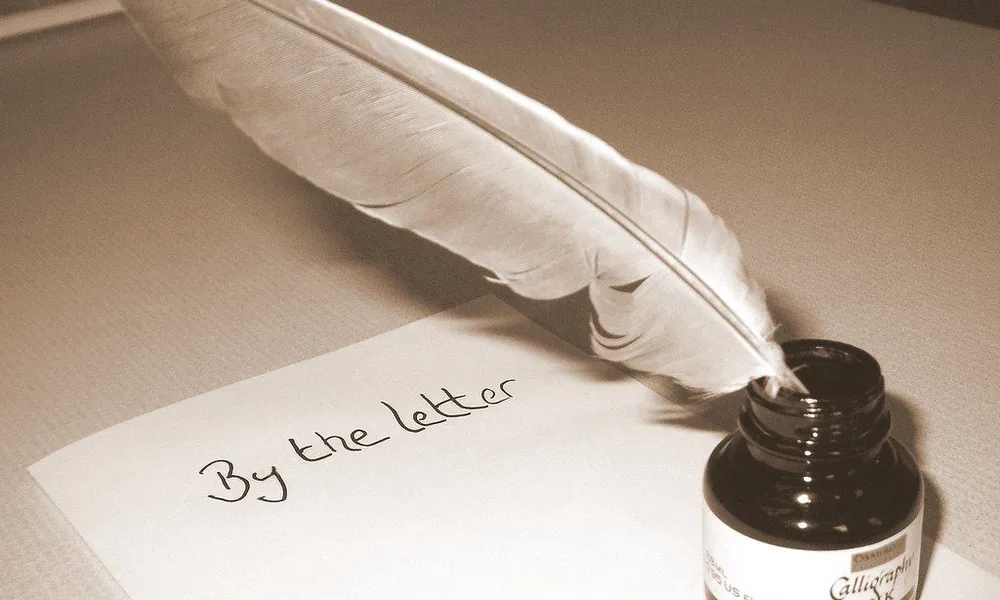
Knife safety matters more than quick work here, so the host states the safety points before the game begins: the knife cuts away from the player, the quill rests on the table, and nobody else reaches across while that player works.
6. Dice Ink Age
Fresh ink is thin and pale, and the old makers let it mature in the jar until the ink darkened and ran smoothly. This game turns that waiting into a race, with dice deciding how many days pass on each turn and doubles bringing a setback.
On a turn, the team rolls two dice and ages its ink that many days, moving its tally forward. The first team to reach 30 days takes ten points, with seven and five for second and third. Roll doubles and the ink turns, so the team moves its tally back five days, which keeps the leaders honest and gives the teams at the back a real chance to catch up.
The tally for this game is a simple row of numbers from one to thirty on a tally board, with a stone moved along as the days pass. One player per team minds the tally, and the host checks the leaders at the end of each round.
7. Dice Ink Bottle
Once the ink has matured, it must be put into small bottles for customers, and filling bottles without spilling was a job that rewarded careful work. Each team has a vat of ink and a row of small bottles, and the dice decide how many bottles each team fills.
On a turn, the team rolls one die and fills that many bottles. A roll of one means a spill, so the team loses one filled bottle and wipes the table before the next turn. The first team to reach 12 filled bottles takes ten points, with seven and five for second and third.
Pour slowly through a narrow opening, and keep extra paper nearby for spills. The bottles are small, so the game moves quickly, and the spill penalty keeps teams careful.
8. Dice Ink Cork
A filled bottle is useless until it is corked, and corking was the last job before the ink left the workshop. Each team has its filled bottles from the last game and a dish of corks, and the dice decide how many bottles each team corks on a turn.
On a turn, the team rolls one die and corks that many bottles, pressing each cork firmly into place. A double roll means easy corks, so the team corks two extra. After three rounds, the team with the most corked bottles takes ten points, with seven and five for second and third.
Corks need firm force, not a hard knock, so the host shows how once before the game begins. A cork that sits crooked still counts, as long as it stays in the bottle, and a cork that comes back out does not count.
9. Dice Ink Trial
The last game tries out the ink the teams have made, and it is the most satisfying of the nine. Each team takes a cut quill, dips it in its own ink, and copies words onto paper, and the dice decide how many words each team copies on a turn.
On a turn, the team rolls one die and copies that many words onto the paper. A roll of six means the quill runs dry, so the team dips again and copies two extra words. A roll of one means a blot, so the team loses two words from its count. The first team to reach 20 words takes ten points, with seven and five for second and third.
The words can be any short words the team likes, and the host calls out a few of the best efforts aloud at the end. Keep the quills dipping often, because a dry quill scratches the paper and makes blots more likely.
Scoring That Stays Fair for 561 Players
Every game pays ten points to the winning team, seven to second, five to third, and three to every team that completes the game. That simple plan means no team falls far behind after one bad game, and a team that wins three games in a row still has to keep playing well to stay ahead. The host writes the running tallies on the large board after every round, so every team can see where it stands.
Even finishes are settled by a single roll of one die, highest roll wins, with a re-roll if the dice match. The chandler’s workshop in our dice games for 546 players uses the same visible-tally idea for a crowd this size, and it keeps the end of the day calm. The host never changes a score once it is on the board, and any dispute is settled by counting aloud together at the table where it happened.
At the end of the ninth game, the host calls out the ten leading teams and gives the winning team a small prize, such as a jar of ink and a few quills. Every team keeps its tally.
Night-of Checklist
- Count the dice before the day begins: two dice per team, plus extras at the front.
- Put a jar of small stones, a jar of warm water, paper, and pale quills on every table.
- Put the nine game names on the large board in order, with space for the running tallies.
- Name one player per team to do the cutting in the quill game, and one tally keeper per team for the whole day.
- Keep extra gum pieces, corks, bottles, and quills at the front for teams that run short.
- Call out the knife safety points aloud before the quill game and check that every named player understands it.
Frequently Asked Questions
How long does the whole day take?
Nine rounds of about twenty minutes, with short pauses for the tally, come to roughly four hours including a pause in the middle. Hosts with less time can play six games instead of nine and still give every team a full day.
Do we need real ink-making materials?
No. Small stones take the place of galls and copperas lumps, plain warm water takes the place of the liquids, and ordinary ink bought ready-made works for the trial game. Real galls and copperas are only needed if a team wants to see the true work, and the host should handle those.
Can children join in?
Yes, with an adult on each team. Children love the pounding and pouring games, and they are often the best at the trial game because they take their time. Only the named adult handles the knife in the quill game.
What if a team has fewer than nine players?
Nothing changes. A team of six or seven plays the same way, because the dice decide the work, not the number of players. The reserves at the front can join any team that is short for a round.
How do we keep the tally fair?
One tally keeper per team writes the points down, and the host copies the tallies onto the large board after every round. Counting aloud together at the table settles nearly every dispute, and the host’s word is final.
What happens if two teams end even?
Each of the two teams rolls one die, and the highest roll wins. If the dice match, the teams roll again. The re-roll takes seconds, the whole room watches, and it is often the most exciting moment of the day.
The Bottom Line
Dice games for 561 players work when the plan is simple, the teams are small, and the dice do the hard work of keeping things fair. The ink-maker’s workshop gives the day a story, from pounding galls to trying finished ink, and every team plays every game. Bring dice, jars, stones, paper, and quills, keep the tally where everyone can see it, and the crowd will run itself.