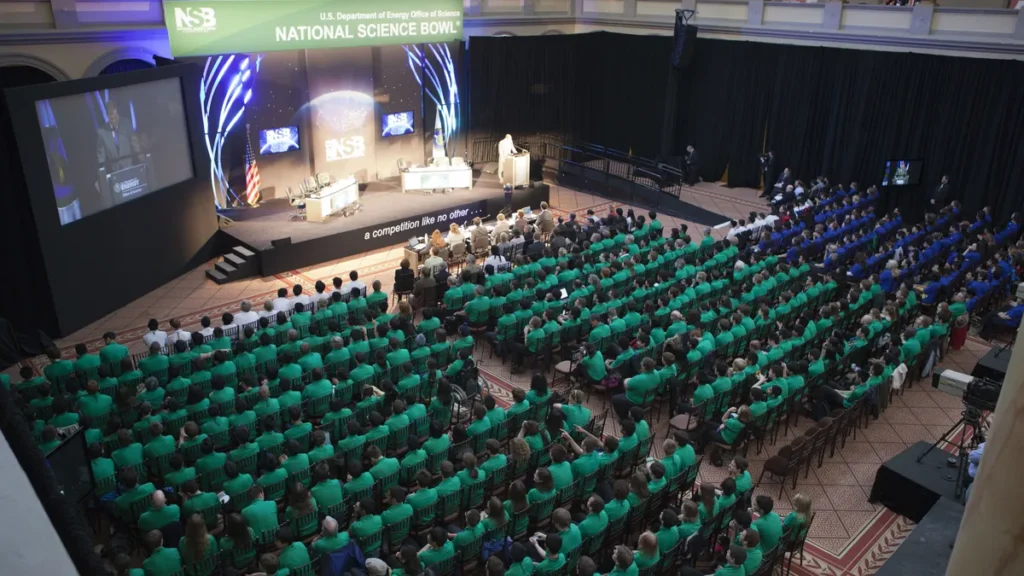
Five hundred and seven players, one big hall, and nine museum puzzle races. That is the scale of this plan, and it works because every part of the day is built around simple jobs that any player can start in under a minute. Nobody waits long, nobody needs special knowledge, and every team has a clear task at every station.
The museum theme keeps the gear cheap and the tasks easy to explain. Printed labels, numbered cards, dated plaques, and a floor plan are all ordinary objects, and each race turns one familiar museum job into a timed puzzle. Players match, order, sort, count, guess, and plot routes, and every race ends with an answer a station leader can check in seconds. If you ran the farm-themed plan for 505 players before, this museum version follows the same rotation pattern with a fresh setting.
This guide gives you the full plan: nine races, a table that shows what each one needs, a setup checklist, and answers to the questions organisers ask most. Run it in a school hall, a community centre, or a real museum after hours. The stations fit in a single room, the scoring stays simple, and the day ends with a clear winner.
Key Takeaways
- Nine museum races cover matching, ordering, sorting, counting, guessing, and route planning, so every player finds a task that suits them.
- Nine groups of 56 or 57 players rotate through nine stations, which keeps all 507 players moving and cuts waiting time to almost nothing.
- All nine races use printed paper, cards, and everyday objects, so the whole day costs very little to set up.
- Each race takes 12 to 15 minutes, and the full plan runs in about three hours including breaks.
- Scoring is simple: one point for each correct answer, with time used only to break ties.
The 9 Races at a Glance
The table below gives the quick view: the race, the task in one line, the gear, and the minutes each round takes.
| Race | Task | Gear | Minutes |
|---|---|---|---|
| Gallery Label Match Race | Match wall labels to the right framed prints | Label cards, framed prints | 15 |
| Exhibit Number Order Race | Put shuffled exhibit cards in number order | Numbered cards, rope line | 15 |
| Artifact Era Sort Race | Sort artifact cards into the right era trays | Artifact cards, era trays | 15 |
| Audio Guide Code Race | Enter the right code for each audio stop | Code sheets, keypad cards | 12 |
| Ticket Stub Count Race | Count and sort stubs, then report the totals | Stub boxes, tally sheets | 12 |
| Plaque Date Order Race | Order dated plaques from oldest to newest | Plaque cards, date line | 15 |
| Sculpture Weight Guess Race | Guess the weight of a sealed box | Sealed boxes, scales | 12 |
| Floor Plan Route Race | Plot the shortest route past six named rooms | Floor plans, pencils | 15 |
| Gift Shop Price Match Race | Match price tags to shop items and check the total | Price tags, item cards | 15 |
The 9 Museum Puzzle Races
Each race below explains the setup, the rules, and how the station leader scores it. Read the race, set the station, and let the groups rotate.
Gallery Label Match Race
Set up a wall with nine framed prints and a table with nine wall labels face down. Each label describes one print: its subject, its colours, and one small detail that only a close look reveals. Players turn the labels over one at a time, study the wall, and pin each label under the print it describes.
The catch is that two labels sound almost alike, so a quick guess is often wrong. Players must read the small detail in each label and find it in the print before they pin anything. A station leader checks the wall at the end and awards one point for each label in the right place.
Use clear print and large type so players at the back of the group can read. Keep the prints at eye level and leave space in front of the wall so a whole group can stand and look without crowding. The fastest correct wall wins the station, and ties go to the group with fewer wrong pins.
Exhibit Number Order Race
Give each group a shuffled set of 30 numbered exhibit cards and a rope line with 30 pegs. The cards run from 1 to 30, but they arrive mixed, and the group must peg them in order along the line, lowest number first. Every player takes a handful of cards, so the whole group works at once.
The race is simple to explain and hard to rush: a card in the wrong slot costs the group a point, so players check each other’s work as they go. The station leader calls time after 15 minutes and counts the cards in the right places.
Use thick card that survives handling, and print the numbers large enough to read from two steps back. If a card goes missing, the leader swaps in a spare from the station box and the race carries on.
Artifact Era Sort Race
Lay out five trays marked with five eras: the Ancient World, the Middle Ages, the Age of Sail, the Industrial Age, and the Modern Day. Give each group a shuffled deck of 40 artifact cards, each showing one object and a short line about where it was found. Players read each card and drop it into the tray for the era it belongs to.
The trick is that some objects span two eras, and the card’s short line gives the clue that settles it. A painted pot from a dig might belong to the Ancient World, while a printed poster belongs to the Modern Day, and the group must agree before the card goes in a tray.
The station leader scores one point per card in the right tray. Keep the trays wide apart so two players can sort at once, and keep a spare deck ready for the next group.
Audio Guide Code Race
Each group gets a set of ten audio stop cards and a code sheet with ten four-digit codes. Every stop card names a room and a short spoken hint, and the group must match each stop to the right code on the sheet, then write the codes in order on an answer slip.
The codes look alike on purpose: only the last two digits change between near neighbours, so players must read the full code before they write it down. A wrong digit loses the point for that stop, which keeps groups careful instead of fast and sloppy. The photography-studio plan for 504 players shows how one setting can carry nine different races, and this museum plan uses the same idea.
The station leader checks the slip against a master list and scores one point per correct code. Print the code sheets in large type, and keep the master list out of sight until the group hands in its slip.
Ticket Stub Count Race
Place a sealed box of mixed ticket stubs on the table with a tally sheet and a pencil for each player. The stubs come in three colours, and each colour stands for a different day. Players tip the box onto a tray, sort the stubs by colour, count each pile, and write the three totals on the tally sheet.
The race rewards a tidy method: groups that count in tens and mark each ten on the sheet finish faster and make fewer mistakes than groups that count one by one. The station leader checks the three totals against a sealed answer card and awards a point for each total that matches.
Keep the stubs in a closed box between groups so nobody sees the piles in advance. A spare box of stubs lets the leader reset the station in under a minute while the next group walks in.
Plaque Date Order Race
Hand each group 20 plaque cards, each carrying a date from a different year, and a long date line marked from the oldest year to the newest. Players read the dates, agree on the order, and peg the cards along the line from left to right.
Two plaques share the same year, so the group must use the small note on each card to decide which one comes first. That note names a month, and the earlier month takes the earlier peg, which is the detail most groups miss on the first pass.
The station leader scores one point for each card on the right peg. Print the dates in bold type and keep the line low enough for every player to reach, then reset the cards into a shuffle for the next group.
Sculpture Weight Guess Race
Set three sealed boxes on the table, each holding a different weight, and give each player a guess slip. Players lift each box in turn, feel its weight, and write down a guess in grams for all three boxes before the time runs out.
Nobody opens a box, and nobody uses a scale during the race: the guess comes from hands alone. The station leader weighs the boxes after the round and scores the closest guess on each box, one point per box, with the group’s best guess counting for the team.
Use boxes that look alike so size gives nothing away, and fill them with sand, books, and metal washers to make the weights feel different in the hand. Mark each box with a letter so guesses and answers stay matched.
Floor Plan Route Race
Give each group a printed floor plan of the museum and a list of six named rooms they must visit in one trip. Players study the plan, trace a route that passes all six rooms, and mark it with a pencil, keeping the route as short as they can.
Doors that look open on the plan may be shut, and the plan marks them with a small cross, so a route that ignores the crosses fails the check. The group must read every mark before they commit to a line, which is where most of the time goes.
The station leader measures each route with a piece of string and scores the shortest correct route. Print the plan large, give every player a pencil, and keep spare plans ready because the marked ones cannot be reused.
Gift Shop Price Match Race
Spread 15 gift shop items on a table with a shuffled set of 15 price tags and a till slip showing the total the till expects. Players match each tag to the right item, add the prices, and check their total against the till slip.
The tags are close in value, so players must read the item names and the small print on each tag instead of guessing from price alone. A tag on the wrong item loses a point, and a total that does not match the till slip loses another, which keeps groups checking their work twice.
The station leader scores one point per tag in the right place and one point for a matching total. Use real shop items or good printed stand-ins, and keep the tags thick enough to survive a full day of handling.
Setup Checklist
Work through this list the week before the day, and the morning will run itself.
- Book one large hall with nine station tables, plus a side table for score sheets and spares.
- Print every card set, label, code sheet, and floor plan, and pack a spare set for each station.
- Recruit nine station leaders and walk them through their race the day before.
- Divide the 507 players into nine groups of 56 or 57 and print a rotation sheet for each group.
- Test every race with a small group of volunteers and fix any unclear wording before the day.
- Pack spares: pens, pencils, tape, string, tally sheets, and a first aid kit for the hall.
Frequently Asked Questions
Can 507 players really play at once?
Yes. Nine groups of 56 or 57 players start at nine stations and rotate every 12 to 15 minutes. Inside each group, players work in pairs and small teams, so everyone handles the pieces instead of watching. The hall stays busy, but no station is ever crowded.
How long does the whole plan take?
About three hours. Nine rounds of 12 to 15 minutes add up to around two hours of play, with a short break in the middle and time at the start for the welcome and sorting players into groups. Add 30 minutes at the end for scoring and the prize giving.
Do players need to know anything about museums?
No. Every race explains itself on the cards, and the station leaders answer questions as they come up. The museum setting is a theme, not a test, and the tasks use reading, counting, and ordering rather than facts about art or history.
What ages is this plan for?
Teenagers and adults play it best, and mixed-age groups work well because the races use different skills. Younger children can join a family group and help with sorting and counting, but the reading load suits players aged 12 and up.
What if we have fewer than 507 players?
The plan scales down without changes. Smaller groups simply move through the same nine stations, and the rotation sheet still works. The harbour plan for 500 players is another large-group example built the same way, and it shows how the numbers flex.
What gear do we need to buy?
Very little. Most of the gear is printed paper and cards, plus rope, pegs, trays, boxes, and pencils. The most useful buys are thick card stock that survives a full day and a set of clear trays for the sorting races. Everything else can be borrowed from the hall.
The Bottom Line
Five hundred and seven players sounds like a crowd, but nine stations, nine groups, and nine clear races turn it into a day that runs itself. The museum theme gives every race a setting players recognise, the gear costs very little, and the scoring stays simple enough for any station leader to run. Print the cards, set the tables, divide the groups, and let the rotation do the work. By the last round, every player will have matched, ordered, sorted, counted, guessed, and planned their way through the whole museum.