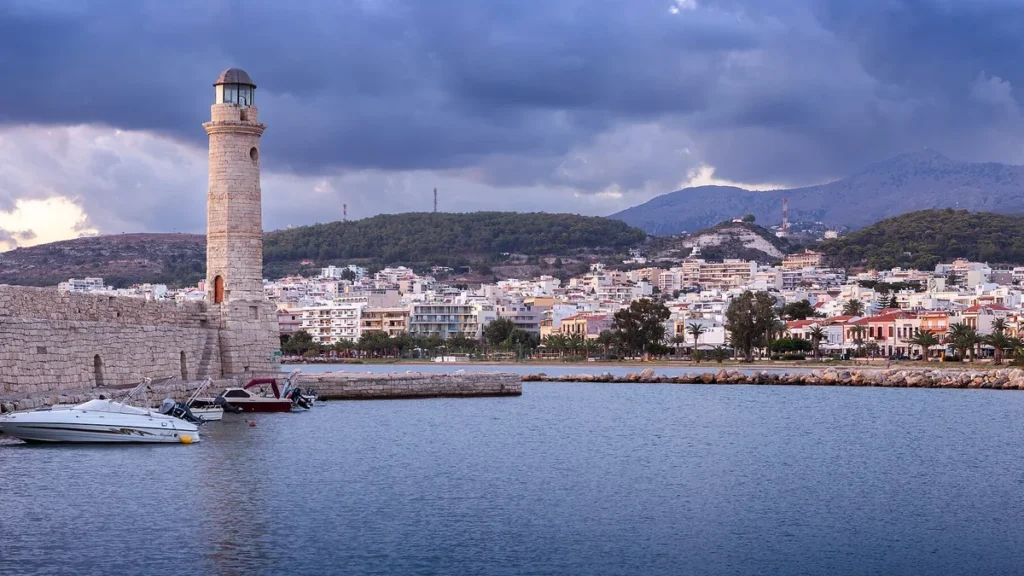
Five hundred players arriving at one harbour sounds like a ferry terminal at the start of a holiday until the first whistle blows. Then the noise settles into a steady rhythm: teams calling out bearings across the quay, rope being coiled and checked, and station leaders marking scores on clipboards while gulls circle overhead. This plan turns that crowd into 25 teams, each moving through nine harbour stations in turn, with every team working on a puzzle that can be checked and scored before the next round begins.
The harbour theme is the reason a group this large can play together without long queues or idle players. Nobody waits for a turn, and no single expert can carry a whole team. Each station gives every player a small job at the same time, so a team of 20 can spread around a long table and all be busy from the first minute. The puzzles use printed charts, ropes, buoys, cards, and model boats, so the day works indoors or outdoors beside the water.
This guide gives you the full day in order: the nine races, the timing, the kit list, and the scoring system. If you want a smaller warm-up first, try the plan for 497 players before you scale up to 500. The three extra players join as an additional member on three of the smaller teams, and nothing else in the plan needs to change.
Key takeaways
- Split 500 players into 25 teams of 20 players each.
- Run nine harbour stations at 25 minutes each, with five minutes to move, reset, and check the work.
- Give every station a printed briefing card, a worked sample, and a scoring sheet.
- Score finished work, accuracy, and teamwork together, not speed alone.
- Keep one host, nine station leaders, and a spare kit table so a missing card never stops a round.
The Nine Races at a Glance
| Race | What teams do | Round length | Kit per station |
|---|---|---|---|
| Lighthouse Signal Race | Send and read a message with light flashes | 25 minutes | Signal lamps, code cards, answer sheets |
| Anchor Weight Sort Race | Order model anchors from lightest to heaviest | 25 minutes | Model anchors, scales, order boards |
| Sail Knot Tie Race | Tie a set of sailing knots in the right order | 25 minutes | Ropes, knot cards, practice posts |
| Buoy Colour Match Race | Match buoys to the colours on a harbour chart | 25 minutes | Model buoys, charts, colour keys |
| Harbour Map Plot Race | Plot berths and routes on a printed harbour chart | 25 minutes | Harbour charts, markers, route cards |
| Fishing Net Mend Race | Find and repair the gaps in a practice net | 25 minutes | Practice nets, twine, needles, hole cards |
| Ferry Timetable Race | Work out the fastest ferry route between ports | 25 minutes | Timetables, port cards, route sheets |
| Lifeboat Drill Race | Complete a safety drill in the correct sequence | 25 minutes | Drill cards, life rings, checklists |
| Seagull Flock Count Race | Count the gulls in a series of harbour photographs | 25 minutes | Photo sets, tally sheets, magnifiers |
The Nine Harbour Races
1. Lighthouse Signal Race
Each team receives a signal lamp, a set of code cards, and a message sheet with three short harbour messages to send. One player flashes the message while two teammates read it back from across the station, and the rest of the team checks each word against the code card before it is written down. A message only counts when the reading team and the sending team agree on every word.
The trick is to slow down. Teams that rush flash too fast, and their readers miss a letter and have to start again. The fastest teams agree on a steady pace before they begin, with one player calling it out and another keeping a finger on the place in the message. Station leaders check the finished sheets against the answer key and award points for each correct word, with a small bonus for a clean sheet.
Keep the lamps pointed at the reading team and away from other stations. Spare batteries and a second lamp sit on the kit table, and a team that finishes early can try a fourth message from the challenge pile for extra points.
2. Anchor Weight Sort Race
A tray of model anchors sits on the station table, and each one looks almost the same as the next. Teams must order them from lightest to heaviest, but they may only lift two at a time to compare them, and they may only use the scales twice during the whole round. That limit forces the team to think before it weighs.
Most teams split the tray into small groups and sort each group by hand first, then compare the lightest pieces from each group. A good captain writes the running order on the board as the team agrees on it. The final order is written on the scoring sheet and checked against the true order, with points for every anchor in the correct place.
Handle the models with care, because a dropped anchor can chip and change its weight. If a piece is damaged, the station leader swaps it for a spare and notes the change on the scoring sheet.
3. Sail Knot Tie Race
Teams work through a set of eight sailing knots, from a simple loop to a bend that joins two ropes together. Each knot is shown on a card with a clear drawing and a short note about where sailors use it, and the team must tie every knot around a practice post before moving on to the next card. A knot only counts when it holds its shape after a firm pull.
The best teams pair a fast tier with a careful checker. One player ties while a second player follows the drawing step by step and calls out anything that looks wrong, and the rest of the team prepares the next rope so there is no waiting between knots. Teams that try to tie two knots at once usually end up with a tangle that costs more time than it saves.
Short ropes are easier for younger players, so keep a set of shorter lengths on the kit table. The station leader checks each finished knot, unties the set at the end of the round, and coils the ropes ready for the next team.
4. Buoy Colour Match Race
A harbour chart shows a channel marked with coloured buoys, and the team must place the matching model buoys on a table chart in exactly the same pattern. The chart uses colour, shape, and number together, so a team that only looks at colour will place several buoys in the wrong spots.
Teams usually work best when one player reads the chart aloud, two players sort the buoys into colour groups, and the rest place them on the table chart in order from the harbour entrance. Calling out each buoy as it is placed lets the reader check it at once.
Points are given for every buoy in the correct place, and a bonus goes to teams that finish the whole channel with no errors. The station leader photographs the finished chart before the buoys are cleared.
5. Harbour Map Plot Race
Each team gets a printed harbour chart, a set of route cards, and a marker pen. The cards describe a boat that must visit three berths in a set order, avoiding shallow water and a closed channel, and the team must draw the route on the chart and work out the total distance. The route only counts when every berth is visited in the right order and the line stays inside the marked channel.
This is a quiet station, and it suits teams that like to sit down and think. One player reads the route card, another measures the distance with the chart scale, and a third draws the line in pencil first so a mistake can be rubbed out. Teams that draw in pen straight away often have to start again on a fresh chart.
Three route cards are worth standard points, and a fourth harder card is available for teams that finish early. The station leader checks the drawn routes with a clear overlay, which makes scoring quick and fair.
6. Fishing Net Mend Race
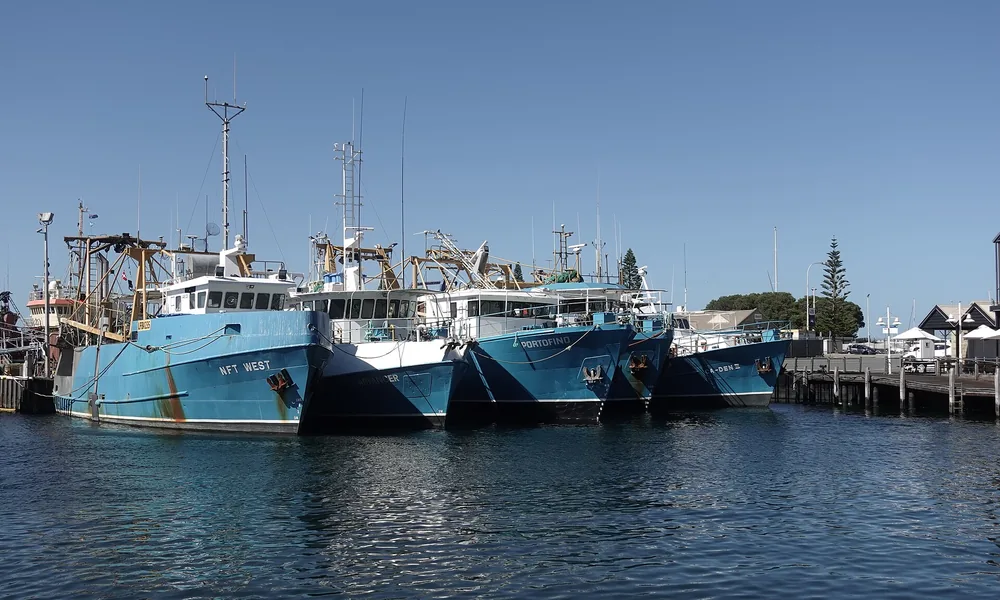
A practice net is pinned to a frame with several gaps cut into it, and the team must find every gap and mend it with twine before the round ends. The gaps are marked on a hole card, but the card lists them by row and column, so the team has to translate the numbers into places on the real net. A mend only counts when the twine is knotted properly and the gap is closed.
Most teams start by spreading the net flat and marking each gap with a coloured peg, then work from one end to the other. One player reads the hole card, two players hold the net steady, and the rest take turns mending, because the work is fiddly and tired fingers make loose knots.
Keep spare twine and needles on the kit table, in a small tray so none are lost between rounds. The station leader checks the finished net against the hole card, counts the sound mends, and cuts the practice twine out ready for the next team.
7. Ferry Timetable Race
Teams receive a ferry timetable, a set of port cards, and a journey that starts at one port and must reach another by a set time. The catch is that the direct ferry leaves too late, so the team must work out a route with one or two changes, checking each connection against the timetable. A route only counts when every ferry leaves after the last one arrives, with enough time to change boats.
This station rewards careful reading more than speed. Teams that write down each departure and arrival time in a simple list usually beat teams that try to hold the whole journey in their heads. One player reads the timetable, one writes the times, and a third checks the changes.
Three journeys are worth standard points, and a fourth journey with a tighter deadline is available as a challenge. If two routes reach the destination in the same time, the one with fewer changes wins the bonus point.
8. Lifeboat Drill Race
A set of drill cards describes a safety drill in mixed-up order, and the team must sort the cards into the correct sequence and then act out each step at the station. The steps include raising the alarm, putting on life jackets, checking the passenger list, and launching the lifeboat, and the team must complete them in the order a real crew would follow. A step only counts when the whole team does it together.
The best teams read every card before they start moving, because the first card in the pile is rarely the first step of the drill. One player calls out the steps in order while the rest of the team carries them out, and a second player checks the passenger list against the names on the board.
Safety comes first at this station, so no running and no climbing on the equipment. The life rings stay on the ground until the step that calls for them, and the station leader stops any team that moves too fast to be safe.
9. Seagull Flock Count Race
The final station is a counting puzzle. Teams receive a set of harbour photographs, each showing a flock of gulls on the water, on the roofs, and on the breakwater, and they must count the birds in each photograph and write the totals on a tally sheet. Some birds are half hidden behind boats or masts, so the count is harder than it first looks.
Teams that do well divide each photograph into sections and count one section at a time, marking each bird with a small dot on a clear overlay so it is not counted twice. One player counts, a second player checks the same section, and the totals are only written down when both players agree.
Points are given for each photograph counted correctly, with a bonus for a perfect set. Magnifiers are on the kit table, and the station leader keeps the answer key face down until the round ends.
How the Day Runs
The day opens with a short welcome and a walk around the nine stations, so every team sees where it will be working and meets its station leaders. The host explains the scoring system, shows a worked sample from one station, and answers questions before the first whistle. That opening takes about 20 minutes, and it saves far more time than it costs.
Each round lasts 25 minutes, with five minutes between rounds to move, reset the kit, and check the scores. Nine rounds take four and a half hours, with a 30-minute lunch break after the fourth round and a short pause for drinks after the seventh. A team that finishes a station early uses the spare minutes to check its scoring sheet, not to wander to the next station.
Scoring is simple and public. Finished work earns points, accuracy earns more points than speed, and teamwork earns a small bonus that the station leader awards at the end of each round. The scoreboard is updated during the lunch break and again after the seventh round, so teams can see where they stand. For a construction-led version of the same format, see puzzle games for 499 players and compare how its stations handle the same rotation.
The final round ends with every team back in the main hall for the last scores and the prize giving. The winning team is the one with the highest total across all nine stations, and ties are broken by the number of stations where the team scored a perfect round. Runners-up are announced too.
Setup Checklist
- Print 25 team lists, nine briefing cards per station, and a scoring sheet for every round.
- Prepare nine station kits, label every box, and lay out a spare kit table near the host desk.
- Test every signal lamp, check the scales, and count the ropes, buoys, and drill cards before the doors open.
- Mark the nine station areas clearly, with a safe walking route between them and a water point halfway along it.
- Brief the nine station leaders together, give each one an answer key, and agree on how ties and disputes are settled.
- Set up the scoreboard, the prize table, and a lost-property box, and check that the first-aid kit is in place.
Frequently Asked Questions
How do 500 players fit into teams?
Split the group into 25 teams of 20 players. Each team stays together all day and moves from station to station as a group.
How long does the whole day take?
Nine rounds of 25 minutes, plus five minutes of moving time between rounds, a 30-minute lunch break, and a short drinks pause, come to about five and a half hours from the welcome to the prize giving.
Does the day need one big hall?
One big hall works best, because the host can see every station and the scoreboard stays in view. If you must split across rooms, keep the stations that need quiet, such as the map and timetable stations, in the quieter room, and put the livelier stations together in the main hall.
What if a team has never played one of the nine formats?
Every station has a printed briefing card and a worked sample, and the station leader shows the team how the puzzle works before the clock starts. No team needs to know a format in advance.
Can younger or older players take part?
Yes. Every station gives each player a small job, so a team can pair younger players with an older teammate for the fiddly work, such as tying knots and mending nets, and give the counting and reading jobs to the players who enjoy them most.
What happens if a puzzle set breaks during a round?
Tell the station leader at once. A spare kit table holds replacement cards, ropes, buoys, and nets, and the leader will swap the broken piece and add the lost minutes to the team’s round.
The Bottom Line
Five hundred players, nine harbour stations, and one clear plan are all you need for a day that feels busy without ever feeling crowded. Keep the teams together, keep the rounds to 25 minutes, and let accuracy count for more than speed, and the harbour theme will do the rest. For another large-group plan in the same series, see puzzle games for 498 players, and then gather your 25 teams, hand out the briefing cards, and let the first whistle sound.