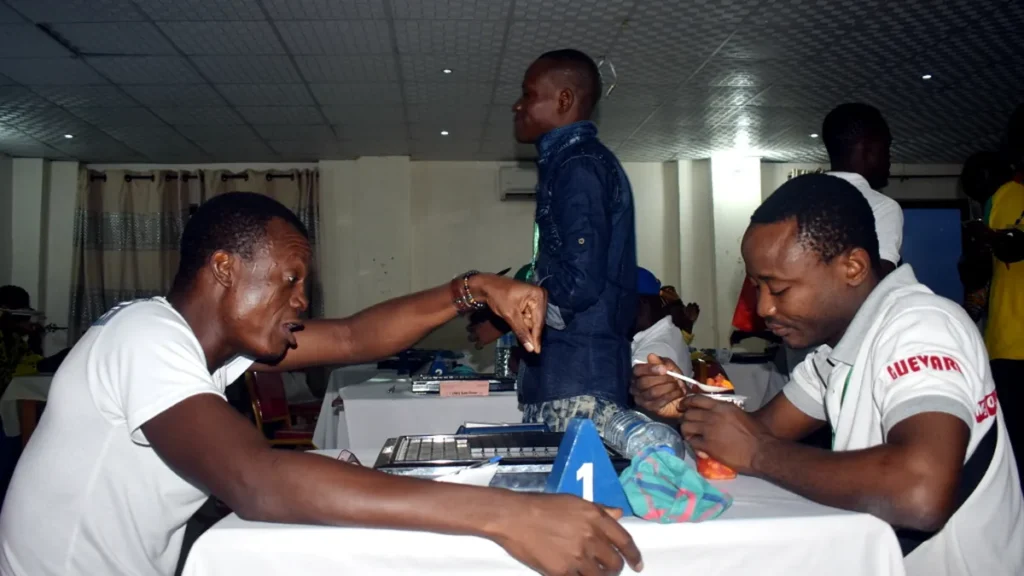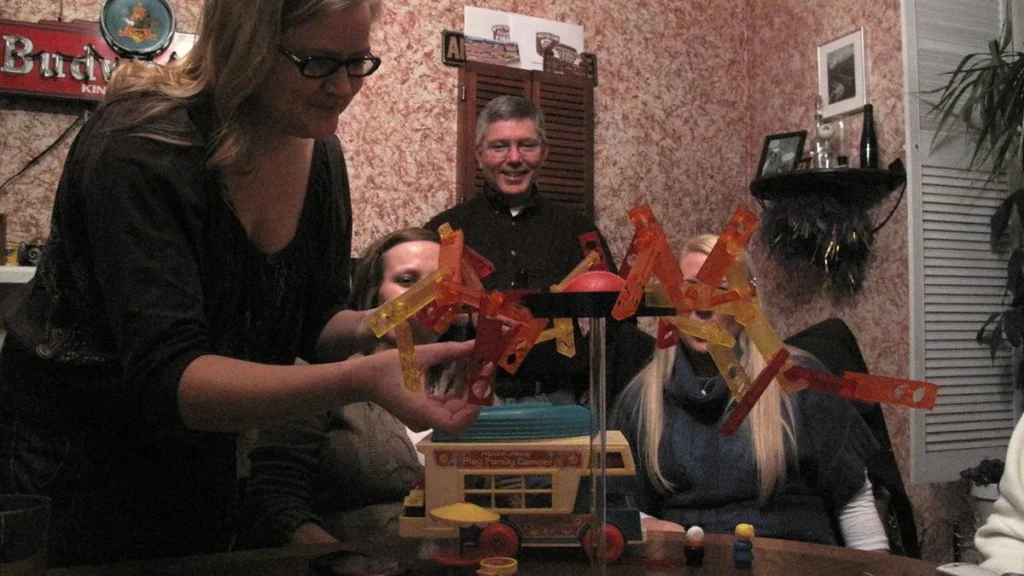
Setting up board games for 506 players sounds impossible until you break it into pieces. No single table seats five hundred people, and no single copy of a game stretches that far, so the whole evening runs as a network of modest tables playing at the same time. Each table holds four to six players, each table runs the same short list of games, and a compact team of helpers keeps every table moving on the same schedule.
The trick is picking games that teach fast, finish on time, and stay fun when the same group plays them twice. Heavy strategy titles work well here because their rules reward careful thinking, and a full table of thoughtful players makes every round feel different. The nine games below were chosen for exactly that: they are deep enough for experienced players, clear enough for first-timers, and steady enough to run across more than a hundred tables at once. That mix matters at this scale. A game that drags will stall a hundred tables at once, while a game that ends too fast leaves helpers scrambling to start the next round. The list below keeps every round between ninety minutes and four hours, so the clock stays honest and the hall stays in step.
This guide walks through the full setup, from the nine games and the numbers behind them to the team format, the station format, and the tournament format that tie the night together. If you want a second look at a slightly smaller gathering, our complete setup guide for 504 players covers the same approach with two fewer seats to fill.
Key takeaways
- 506 players means about 127 tables of four, so plan the room, the helpers, and the schedule before you pick the games.
- Choose games that teach in under ten minutes and finish in under three hours.
- Run every table on the same clock, with a helper watching each group of eight tables.
- Give every player a printed score sheet so results travel to the score desk without confusion.
- Close the night with one shared final round so the whole hall finishes together.

The nine games below cover route building, trading, farming, and rocket travel. The copies column shows how many copies of each title you need when every copy seats the maximum number of players. Read the minutes column as the time for one full match at a full table. Shorter tables finish faster, so a table of three will usually wrap up well before the clock runs out, and that spare time is the perfect moment for a rematch or a short break.
| Game | Seats per copy | Copies for 506 | Minutes | Best for |
|---|---|---|---|---|
| Bus | 5 | 102 | 90 | Route building |
| Antiquity | 4 | 127 | 180 | Long-range planning |
| The Great Zimbabwe | 5 | 102 | 150 | Trading and engines |
| John Company | 6 | 85 | 180 | Negotiation |
| High Frontier | 5 | 102 | 240 | Rocket travel |
| Ora et Labora | 4 | 127 | 120 | Worker placement |
| Fields of Arle | 2 | 253 | 120 | Quiet farming |
| Age of Steam | 6 | 85 | 150 | Train routes |
| Escape Plan | 5 | 102 | 120 | Heist tension |
The Nine Games for 506 Players
Each game below gets its own table team and its own score sheet. Read the short notes, then assign the titles to tables based on how much time your group has and how much weight your players enjoy.
1. Bus
Bus comes from the late 1990s, and it still feels fresh because its choices are so tight. Players lay routes across a shared map, pick up passengers, and score for the lines they complete. Every move matters, because the board fills up fast and a late route costs more than an early one. The teach takes about ten minutes: show the map, show the passenger tokens, and play one sample round together. For a hall of this size, Bus works best on the early tables, where new players can learn it quickly and still feel sharp by the second round. Keep the score sheets simple, with one line per route and a clear total at the bottom. A second copy on the same table is never needed, because the map is shared and every player reads the same board. That shared view is what makes Bus such a calm opener: nobody hides a hand, nobody waits on a hidden move, and the whole table watches the routes grow together.
2. Antiquity
Antiquity is the heaviest title on this list, and it earns its place because it rewards long-range thinking like nothing else here. Players build settlements on a shared map, gather goods, and push back the pollution that spreads from their own buildings. The game asks players to think ten moves ahead, and a table of four can spend three hours on a single match without anyone checking the time. Teach it with a printed summary: one page, six steps, and a worked example of the first two turns. Put Antiquity on the tables where your most experienced players sit, and give those tables an extra helper for the first hour.
3. The Great Zimbabwe
The Great Zimbabwe turns trading into a puzzle. Players raise monuments, hire craftsmen, and move goods along routes that grow more valuable as the game goes on. The central trick is the monument track: spend too much early and you stall, spend too little and you fall behind. Rounds move quickly once players know the rhythm, and the table talk stays lively because every trade is public. This is a strong pick for the heart of the hall, where the energy runs high and players enjoy a bit of friendly bargaining. A helper with a rules summary keeps the monument scoring honest.
4. John Company
John Company puts players inside a trading firm in the 1700s, and it is the most talkative game on this list. Players take roles inside the firm, argue over appointments, and divide the profits when a venture pays off. The rules are lighter than they look: most of the game is conversation, and the written rules mostly tell you how to settle each decision. Give this title to tables that enjoy debate, and let the helper act as chair for the first two rounds. The laughter carries across the hall, and it shapes the mood for the rest of the night.
5. High Frontier
High Frontier sends players into orbit, and it is the longest game on this list by a clear margin. Players build rockets, plot burns, and compete to claim sites across the solar system. The rules reward patience: a careful route earns more than a bold one, and a missed burn can cost a whole turn. This is a game for the all-night tables, the ones where players arrive early and stay late. Teach it the night before if you can, with a short video and a printed aid. Once the first rockets launch, the table goes quiet in the best way. The table needs a large surface, because the map spreads wide and the player aids take up real room. Give these tables the larger tops in the hall, and keep the smaller tops for the two-player and three-player titles.
6. Ora et Labora
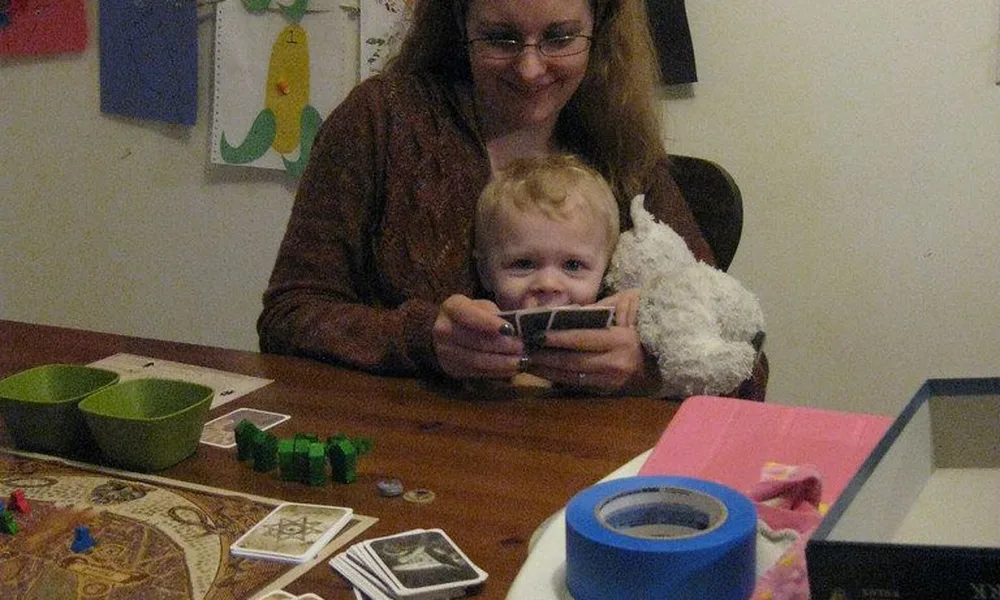
Ora et Labora is a calm, careful worker placement game based around a monastery in the 1100s. Players place workers, gather goods, and build structures that pay off over many rounds. The board is a puzzle of its own: every building changes what the spaces around it can do, so the map looks different by the final round. This title suits players who like a quiet, thoughtful evening, and it pairs well with the louder tables nearby. The teach is short, the rounds are brisk, and the scoring is open, so nobody needs to wonder where they stand.
7. Fields of Arle
Fields of Arle is a two-player farming game, and it is the only two-player title on this list. Players tend fields, raise animals, and trade goods across a board that changes with the seasons. The game is gentle and absorbing, and it gives pairs a quiet corner of a very loud night. Because each copy seats only two, you need more copies than any other title here, so order them early and keep a few spares at the score desk. Pairs who finish early can join a nearby table as spectators and learn the next game.
8. Age of Steam
Age of Steam is the train game that other train games learned from. Players lay track, deliver goods, and pay the loans that keep their lines running. The map is tight, the money is tighter, and every delivery forces a choice between income now and position later. A full table of six plays in about two and a half hours, and the last round is usually decided by a single delivery. This is a strong anchor for the hall: put Age of Steam tables near the centre, where new players can watch a round before they sit down.
9. Escape Plan
Escape Plan closes the list with a heist. Players are robbers trying to leave town with their loot after a big job, and the police close in a little more each round. The board is a map of streets and hideouts, and every move balances speed against safety. The game plays fast for its weight, and the final rounds are tense in the best way. Put Escape Plan on the late tables, where the night is winding down and players want one sharp finish. A single helper per table is enough, because the rules are short and the board does most of the teaching.
Running the Night
Three formats carry a night of this size. Pick one as the main format, and use the other two as backup when tables finish early or a game runs long. Whichever format you pick, keep the clock visible. A large clock where everyone can see it, plus a helper calling the time every half hour, stops tables from drifting apart. When every table hears the same bell, the whole hall moves as one.
The Team Format
Split the hall into teams of four, and give each team a home table. Teams stay together all night, moving from game to game as a unit, and their scores add up across every round. This format suits groups that arrive together, because friends stay at the same table and the night feels social from the first minute. A helper watches each group of eight tables and carries results to the score desk.
The Station Format
Turn each game into a station, and let players move between stations on a fixed clock. A bell sounds every hour, players stand, and everyone walks to the next station on their card. This format suits mixed groups, because players meet new faces at every stop and nobody waits long for a fresh table. Keep the walking routes clear and mark each station with a large numbered sign.
The Tournament Format
Run the night as a ladder: winners move up a table, and the top tables feed a final round to close the evening. This format suits competitive groups, because every round matters and the final table feels earned. The 502-player format guide shows the same ladder idea at a slightly smaller size, and its numbers scale cleanly to 506.
Setup Checklist
- Book a hall with at least 130 tables, plus room for a score desk and a helpers’ station.
- Order the copies early: 253 copies of Fields of Arle alone, and spares for the most popular titles.
- Print one score sheet per table, plus a rules summary for each of the nine games.
- Recruit one helper for every eight tables, and brief them the night before.
- Mark every table with a large number, and put the same number on its score sheet.
- Test the sound system before the doors open, so the bell reaches the far tables.
Frequently Asked Questions
Can one board game really seat 506 players?
No single copy seats 506 players. The night works because more than a hundred tables play at the same time, each with its own copy, and the scores come together at one desk. Think of it as 127 separate game nights running side by side.
How many tables do 506 players need?
About 127 tables of four players, or fewer if your tables seat five or six. Add ten spare tables for late arrivals and for tables that finish early and want a second game. Tables near the doors fill first, so put the sign-in desk at the far side and let the flow of players spread the hall evenly.
How many helpers do we really need?
One helper for every eight tables is a good baseline, which means about sixteen helpers for the full hall. Add two floaters who can cover breaks and step in where a table needs a ruling.
Which game should we start with?
Start with Bus. It teaches in ten minutes, it plays in ninety, and it leaves every table ready for the heavier titles later. The 500-player game list opens with lighter titles too, and its pacing notes fit this night well.
What if some tables finish much faster than others?
Keep a shelf of short fillers near the score desk, and let fast tables play a second short round while the slow tables finish. The clock stays fixed, so nobody waits more than fifteen minutes for the next round.
How long does a night for 506 players last?
Plan for five to six hours, including setup, three main rounds, and the final. The longest titles on this list run three to four hours, so start those tables first and let the shorter games fill the later slots.
The Bottom Line
Board games for 506 players work when the setup is simple, the clock is fixed, and the games are worth the effort. Pick the nine titles above, assign them to tables with care, and let the helpers carry the night. The hall will be loud, the tables will be full, and the final round will feel like one shared evening rather than a hundred separate ones. Start early, keep the rounds on time, and trust the games to do the rest.