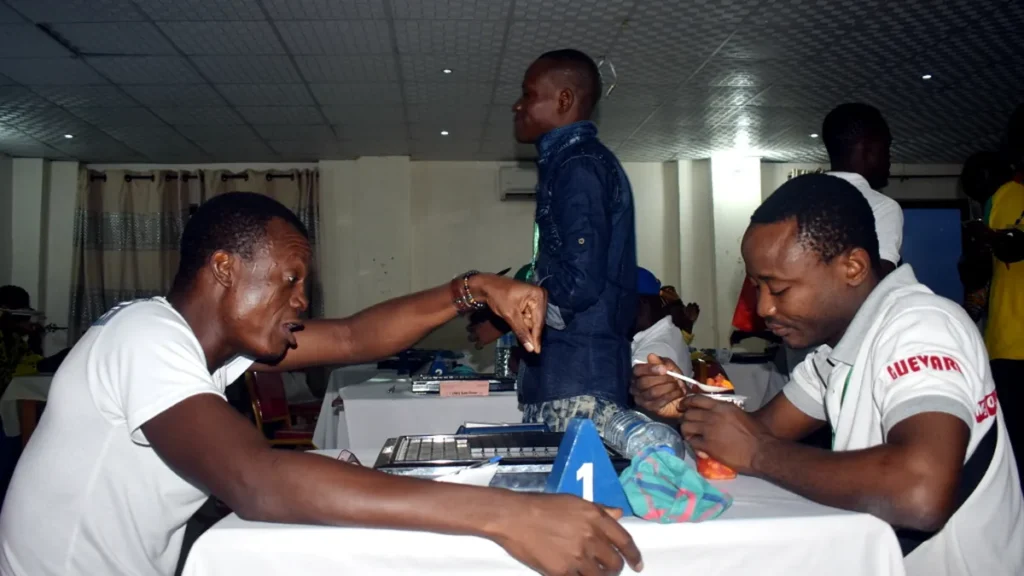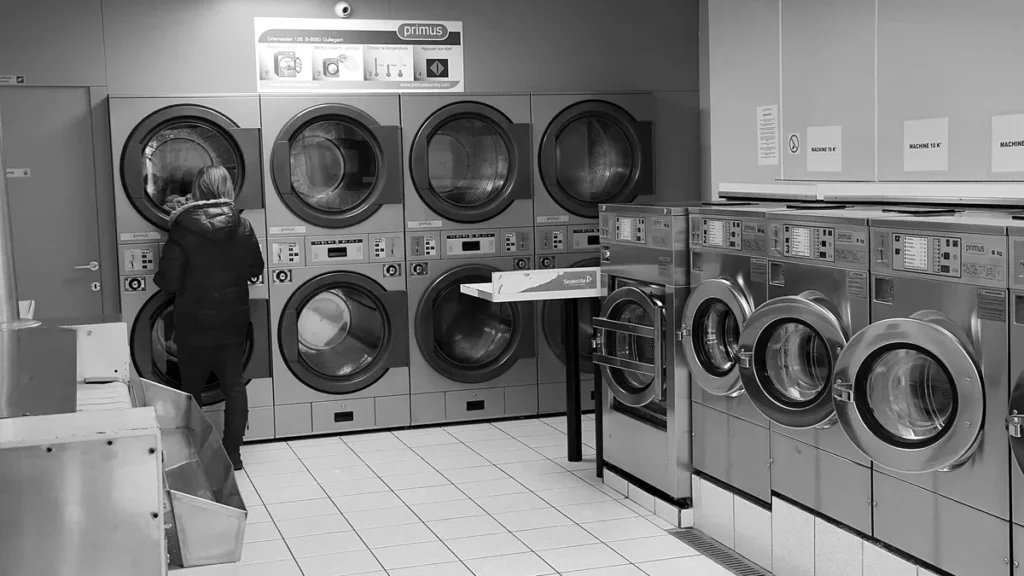
Five hundred and seven players, one laundromat theme, and a pocketful of dice. That sounds like a dare, not a party plan, until you remember how big group dice nights really work. Nobody gathers 507 people around a single table. Instead the room breaks into small tables, every table plays the same short game at the same time, and a shared clock keeps the whole evening moving as one event.
The laundromat theme is the secret ingredient. Every game below borrows its name and its spirit from wash day: spinning drums, soap suds, folding tables, and the odd sock that never comes back. The theme gives every table something to laugh about, and it gives the host a ready made way to decorate, name the teams, and hand out prizes that cost almost nothing. Players do not need to know anything about laundry to play, and the dice do all the heavy lifting.
This guide gives you nine fresh games, a table plan that fits a hall of any size, and a checklist that keeps the night on track. Each game takes about ten minutes, uses one or two dice per table, and works for players of every age. Set up the tables, hand out the dice, and let the wash cycles begin.
Key Takeaways
- Split 507 players into tables of four to six, and run every table on the same short round.
- Give every table one or two dice, a score sheet, and a clear job, so nobody waits around.
- Keep each game to about ten minutes, then rotate tables on a single signal.
- Use the laundromat theme for team names, prizes, and decorations, so the night feels like one event.
- Finish with a short final round for the top tables, then add up the scores together.

How 507 Players Actually Play Together
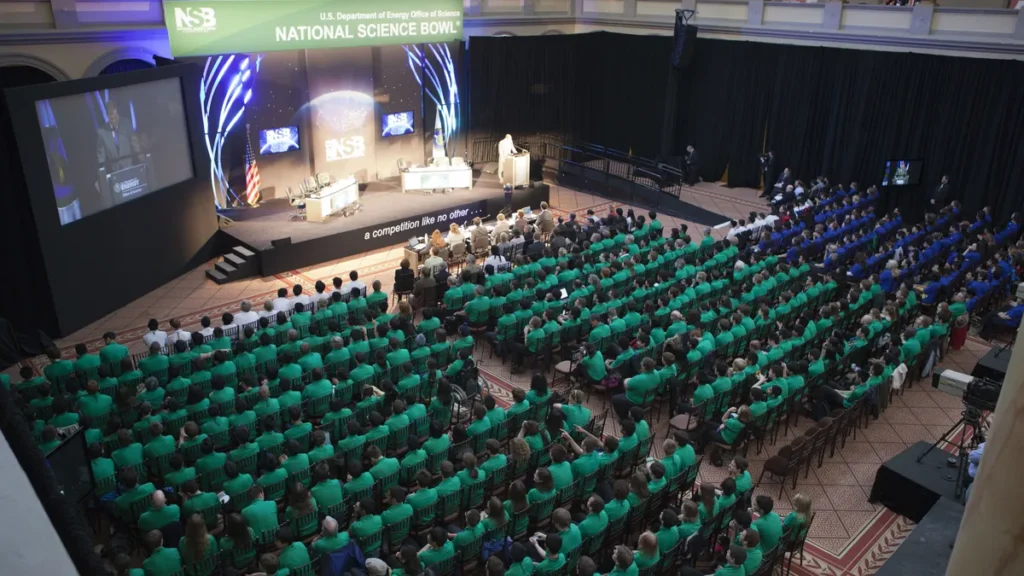
The maths is friendlier than it looks. With tables of five, 507 players need about 102 tables. With tables of six, the number drops to about 85. A school hall, a community centre, or a church hall with long tables can hold that many if the tables are set in rows and the aisles stay clear. If the room is smaller, run the night in two sittings, with half the players starting while the other half watches, cheers, and learns the games.
Every round works the same way. The host explains one game, every table plays it for ten minutes, and a bell or a whistle ends the round. Scores go on a sheet at each table, and a runner collects the sheets while the next game is explained. Because every table plays the same game at the same time, the room stays together, and nobody feels left behind. The dice games for 505 players use the same table rotation, so a crew that played that night will already know the rhythm.
You do not need fancy equipment. A bag of standard six sided dice, printed score sheets, pens, and a loud timer are enough. One die per table is the minimum, two dice per table is better, and a spare box of dice at the host table covers the ones that roll under furniture. Keep the rules short, demo each game once at the front, and let the tables teach each other after the first round.
| Game | Players per table | Minutes | Dice per table |
|---|---|---|---|
| Dice Wash Cycle | 4 to 6 | 10 | 2 |
| Dice Soap Suds | 4 to 6 | 10 | 1 |
| Dice Tumble Dry | 4 to 6 | 10 | 2 |
| Dice Folding Table | 4 to 6 | 10 | 2 |
| Dice Lost Sock | 4 to 6 | 10 | 1 |
| Dice Clothesline | 4 to 6 | 10 | 1 |
| Dice Detergent Pour | 4 to 6 | 10 | 1 |
| Dice Dryer Buzz | 4 to 6 | 10 | 1 |
| Dice Iron Press | 4 to 6 | 10 | 2 |
The 9 Laundromat Dice Games
All nine games share one theme and one set of habits: short rounds, clear scoring, and a result that any table can read at a glance. Play them in order for a full evening, or pick any three for a shorter session. The games below are listed in the order that works best, starting with the easiest teach and ending with the loudest finish.
1. Dice Wash Cycle
Dice Wash Cycle is the easiest game to teach, which is why it opens the night. Every player at the table rolls two dice on their turn. An even total means the wash is running smoothly, and the player scores the total. An odd total means the drum has stalled, and the player scores nothing that turn. The simplicity is the point: new players learn the rhythm in one round, and the table can start playing within a minute of the explanation.
The twist comes from matching pairs. Any player who rolls a pair scores double, and the table cheers the loudest for double sixes. Play continues around the table until one player reaches 30 points, and that player wins the round for the table. If two players reach 30 in the same circuit, the higher total wins. Keep a spare die at each table, because the game never waits for a slow roller.
2. Dice Soap Suds
Dice Soap Suds turns a single die into a bubble machine. Each player rolls one die on their turn. A roll of six blows a big bubble and scores six points. A roll of one pops a bubble, and the player loses three points, but never drops below zero. Every other roll scores its face value. The game is fast, loud, and full of groans when a one appears at the worst moment.
After three circuits of the table, the highest score wins. To keep the pace brisk, the host calls a thirty second limit for each roll, and a player who takes too long passes the die to the next player. Younger players love this game because the rules fit in one breath, and older players love it because a single unlucky roll can undo a careful lead.
3. Dice Tumble Dry
Dice Tumble Dry is a game of nerve. On each turn a player rolls two dice up to three times, keeping the best total of the three rolls. The catch is that the player must announce before each roll whether they will keep rolling or stop. Stop early and the total may be low. Keep going and a poor final roll replaces a good one, because only the last roll counts.
Each player gets five turns, and the highest total across all five turns wins the round. The room fills with noise as players debate whether to risk one more tumble, and the best moments come when a player throws away a nine to chase a twelve and lands a four. The dice games for 504 players run the same ten minute rhythm, so a host who ran that night can reuse the same score sheets here.
4. Dice Folding Table
Dice Folding Table is a matching game that rewards a steady hand. The table agrees on a chosen number between two and twelve before play starts. Players take turns rolling two dice, and a roll that matches the chosen number lets the player fold one item, which is worth two points. A roll of doubles lets the player fold two items at once, scoring four points. Any other roll scores nothing, but the player may bank a single point by calling out the next chosen number for the table.
The chosen number changes after every full circuit, and the player who suggested the new chosen number cannot roll first in that circuit. Play for ten minutes, and the player with the most folded items wins. The game teaches quick addition without feeling like a lesson, because every roll is a small decision about risk, and every folded item is a small win that the whole table can see.
5. Dice Lost Sock
Dice Lost Sock is the great hunt of the night. At the start of the round, the table picks one number from one to six and calls it the lost sock. Players roll one die on their turns. Rolling the lost sock scores five points and lets the player pick a new lost sock number for the next circuit. Rolling any other number scores one point, except a roll of one, which scores nothing and sends the die to the next player with a groan.
The charm of the game is the way the whole table joins in the hunt. Players call out the missing number, cheer when it appears, and argue about which number is due next. After ten minutes the highest score wins, and the host can hand the table winner a single clean sock as a prize, which always gets a laugh. The prize costs almost nothing, and the memory lasts the whole evening.
6. Dice Clothesline
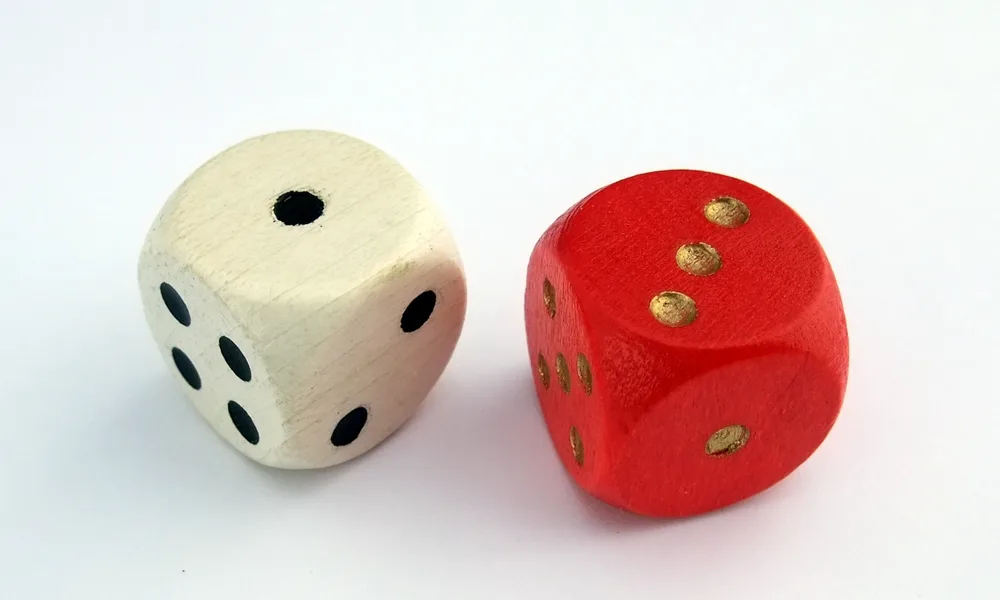
Dice Clothesline asks players to peg numbers on a line in order. Each player rolls one die and tries to peg the numbers one to six in order. Roll a one to peg the first item, then a two, and so on up to six. A roll that matches the next number scores two points and moves the line forward. A roll that does not match scores nothing, but a roll of six at any time is a wild peg that can stand for any missing number.
The first player to peg all six numbers wins the round and scores a bonus of five points. If the ten minutes run out before anyone finishes, the player with the most pegged numbers wins. The game works well for mixed ages, because the numbers are small, the goal is always visible, and a single lucky roll can rescue a player who is far behind.
7. Dice Detergent Pour
Dice Detergent Pour is a game of careful measuring. Each player starts with twenty points, which stand for a full bottle. On each turn the player rolls one die and pours that many points into the wash, subtracting the roll from the bottle. The goal is to finish with exactly zero points left. A player who pours past zero spills the bottle, loses five points, and refills to ten.
The exact finish is harder than it sounds, because a player sitting on three points needs a three and nothing else. Players start counting aloud, advising each other, and cheering when a careful pour lands perfectly. The first player to reach exactly zero wins, and if nobody finishes in ten minutes, the player with the fewest points left in the bottle takes the round.
8. Dice Dryer Buzz
Dice Dryer Buzz is the loudest game of the night, and it works best when the room is already warm. The host sets a timer for sixty seconds. During that minute, every player at the table rolls one die as fast as they can, calling out each result, while a scorer adds the totals. When the buzzer sounds, the rolling stops, and the player with the highest total wins the round.
The only rule is that a die must land flat on the table to count, and a die that falls on the floor scores nothing. Tables love this game because it is pure energy, and the sixty second bursts fit neatly between the quieter games. Run three bursts, add the totals together, and the table champion is the player with the highest combined score.
9. Dice Iron Press
Dice Iron Press closes the night with a test of precision. Each player rolls two dice and aims for a smooth finish. A total of seven is a perfect press and scores seven points. A total of two or twelve is a scorch mark, and the player loses three points. Every other total scores its face value, but a player who rolls doubles may press again immediately, adding the second roll to the first.
Players get six turns each, and the highest total wins the round. The game is a fine closer because it rewards calm play after the noise of the dryer round, and the double roll rule keeps every turn interesting to the end. When the last press is made, the table applauds its winner, and the host collects the scores for the final tally.
Your Laundromat Night Checklist
A big night runs on small habits. Work through this list before the doors open, and the evening will take care of itself.
- Count the dice the night before, and pack two per table plus a spare box at the host table.
- Print one score sheet per table per game, and clip a pen to every sheet.
- Set the tables in rows with clear aisles, so runners can collect score sheets without squeezing past chairs.
- Test the timer and the bell in the empty hall, and pick a signal every table can hear.
- Prepare small prizes, such as clean socks, pegs, or soap, and keep them at the host table.
- Brief the table captains first, so every table has one person who knows the rules and the rotation.
Frequently Asked Questions
How do 507 players all play at once?
They do not play as one giant group. The players sit at tables of four to six, and every table plays the same game at the same time. A shared clock and a single signal keep the tables together, so the night feels like one event even though each game is small.
How many dice do we need for the whole night?
Two dice per table is the ideal, which means about 170 to 210 dice for 507 players, depending on table size. One die per table also works for most of these games, so a bag of 120 dice will cover the night, with a few spares at the host table.
Can children play these laundromat dice games alongside adults?
Yes. Every game uses simple addition and one or two dice, and the rules fit in a few sentences. Younger players may need a little help with the scoring in Dice Detergent Pour, but the rest of the games are easy to follow from the first roll.
What if we do not have a hall with 100 tables?
Run the night in two sittings, with half the players starting while the other half watches and learns. The dice games for 503 players show how a single theme can carry a whole evening, and the laundromat theme works the same way across two sittings.
How long does the full rotation take?
Nine games at ten minutes each, plus a few minutes between games for scoring, comes to about two hours. Add a welcome, a break in the middle, and a short final round, and the evening runs to about two and a half hours.
Do players need to know anything about laundry first?
No. The theme is decoration and team names, not homework. Every rule is explained with the dice in hand, and the games are about rolling, adding, and a little luck, not about laundry in real life.
The Bottom Line
Five hundred and seven players sounds like a crowd, but a laundromat dice night turns that crowd into a room full of small, noisy, happy tables. Nine short games, two dice per table, and one clear signal are all it takes. The theme gives the night its flavour, the rotation gives it its pace, and the dice give it its surprises.
Set the tables, hand out the dice, and start with Dice Wash Cycle. By the time the last press is made in Dice Iron Press, your players will have laughed, cheered, and asked when the next night is. That is the whole point of a big group game night, and it is why the laundromat theme works so well.