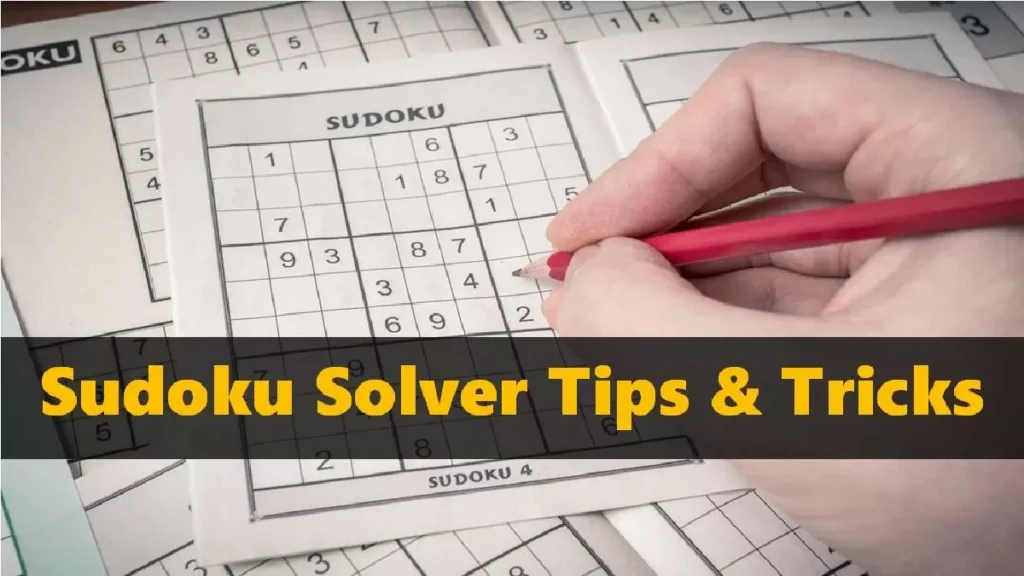
Have you ever stared at a grid of numbers in a newspaper or mobile app and wondered exactly how to solve sudoku puzzles without getting completely overwhelmed? Sudoku looks like a complex mathematical riddle at first glance, but it actually has nothing to do with math. If you enjoy this kind of logical challenge, you’ll also love our collection of free printable logic puzzles, which includes Sudoku-style grids and more. It is a pure game of logic, pattern recognition, and elimination that anyone can master with the right approach.
Learning how the game works is a fantastic way to sharpen your mind, improve your concentration, and enjoy a deeply satisfying mental challenge. Therefore, this beginner sudoku guide will break down the foundational rules, reveal essential entry-level patterns, and walk you through a clear process so you can confidently tackle your very first grid.
Whether you are looking for a complete introduction to sudoku for beginners or simply want a few reliable sudoku tips and tricks to help you stop guessing, this guide covers it all. Let us dive into the core mechanics and discover how to complete these puzzles like a pro.
Understanding the Grid and Basic Sudoku Rules
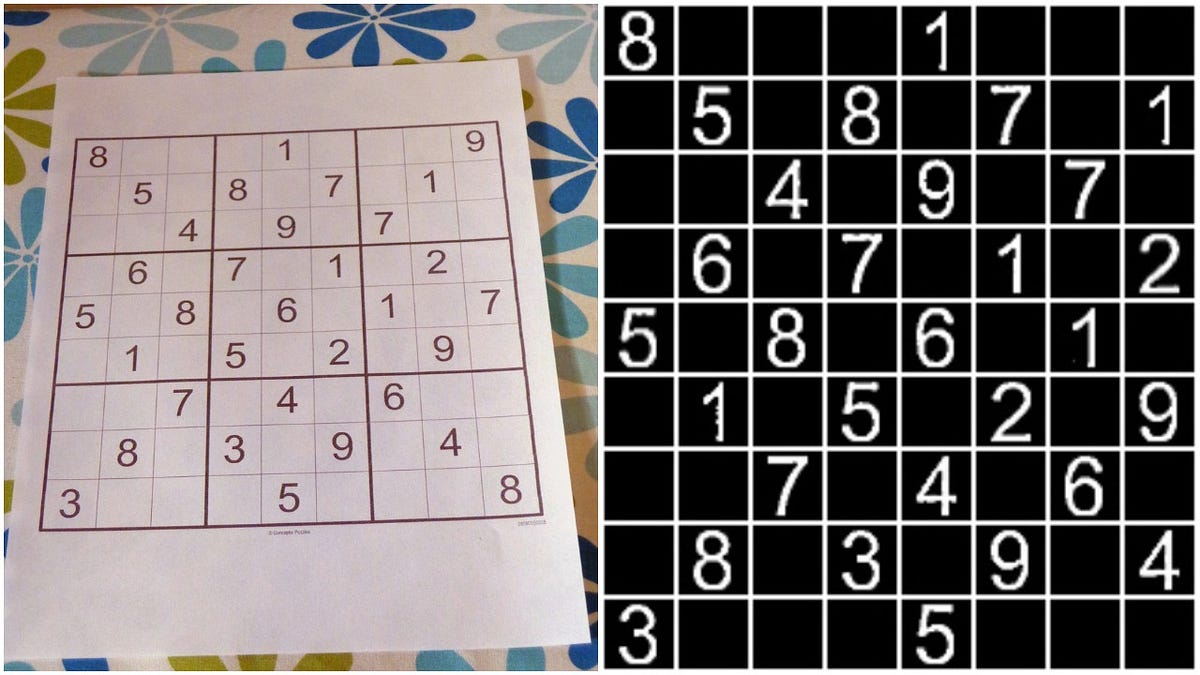
Before filling in any numbers, you need to understand the playing field. A standard puzzle consists of a grid made up of eighty-one individual squares. These squares are organized into three distinct structural components that dictate every single move you make.
The Three Structural Pillars
-
Rows: There are nine horizontal rows running from left to right across the grid.
-
Columns: There are nine vertical columns running from top to bottom.
-
Boxes: The main grid is divided by thick lines into nine smaller sections called boxes, blocks, or regions. Each of these boxes contains a three-by-three sub-grid of nine squares.
The Three Unbreakable Sudoku Rules
One simple objective governs the entire puzzle. You must fill the empty squares with the digits from one to nine so that every number appears exactly once in each organizational unit.
-
Every Row must contain digits 1 through 9 without any duplicate numbers.
-
Every Column must contain digits 1 through 9 without any duplicate numbers.
-
Every 3×3 Box must contain digits 1 through 9 without any duplicate numbers.
The golden rule of solving: If a number is already present in a specific row, column, or box, it can never be placed in that same row, column, or box again. No guessing is ever required because pure logic backs every correct placement.
Essential Sudoku Solving Techniques for Beginners
Now that you know how the grid operates, you need to know sudoku how to play efficiently. Many rookies fail because they stare blindly at the entire board. However, successful solvers use specific sudoku solving techniques to isolate empty squares and deduce which numbers belong there. If you’re just starting out with logic-based fun, check out these easy brain teasers with answers for more beginner-friendly practice.
The Sole Candidate Method (Naked Singles)
This is the easiest way to find missing numbers on easy sudoku puzzles. It occurs when a specific single square is influenced by numbers in its intersecting row, column, and box to the point where only one possible digit can legally fit inside it.
For example, imagine a square where the surrounding row contains the numbers one, two, three, and four. At the same time, the intersecting column contains five, six, and seven. Furthermore, the local box contains the number eight. By looking at all three intersecting areas, you can see that numbers one through eight are completely blocked from using that square. Consequently, the number nine is the sole candidate left, making it the definitive answer. This same elimination-based thinking is exactly what makes logic riddles so satisfying to solve.
The Cross-Hatching Method (Scanning)
This technique focuses on a single number at a time across a section of the board to find where it must go inside a specific three-by-three box. Specifically, it uses a process of visual elimination to sweep through the rows and columns.
Since a number can only appear once per row and column, you can use existing numbers as laser beams that slice through neighboring boxes. For instance, if Box 1 and Box 2 both have a number five in their top rows, then Box 3 cannot have a five in its top row. Therefore, you scan the open spots in Box 3’s remaining rows to find the only available square left for the five.
How to Solve Sudoku Step by Step
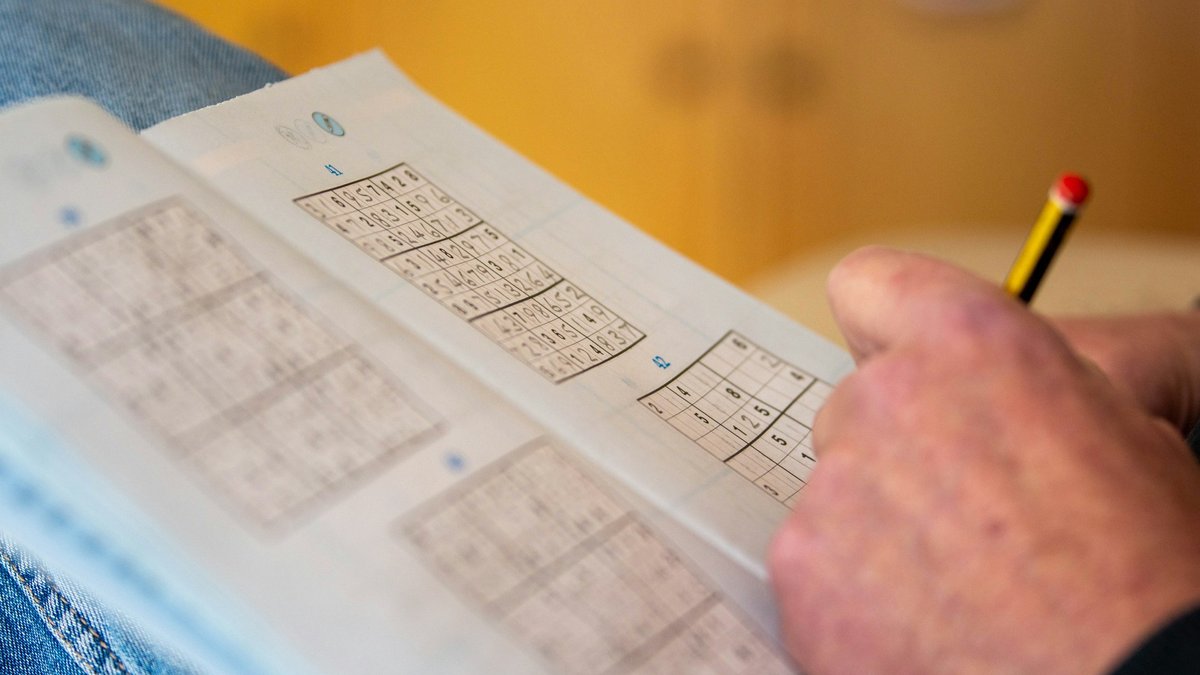
To keep your mind organized, you should follow a repeatable sudoku step by step workflow. Having a structured routine ensures you never get stuck staring at an open board.
Step 1: Scan for the Most Populated Areas
Always start where the puzzle is already weakest. First, look across the board to identify any row, column, or box that is already mostly filled with clues. If a row already has seven numbers filled in, it only needs two more. As a result, this drastically narrows down the possibilities and gives you an immediate starting point.
Step 2: Conduct a Full Digit Scan (1 through 9)
Pick a number that already appears frequently as a starting clue on the board, like the number seven. Then, use the cross-hatching method to scan every three-by-three box that does not have a seven yet. Once you exhaust all the easy placements for seven, move on to eight, then nine, cycling through all the digits systematically.
Step 3: Write Small Pencil Marks
As the puzzle gets tougher, you might find squares where two different numbers could potentially fit. Do not guess. Instead, write those numbers lightly in the corner of the square as pencil marks. This basic sudoku strategy keeps track of options visually without messing up the main board.
Step 4: Re-evaluate After Every Placement
Every single time you lock a permanent number into a square, the entire dynamics of the board change. That new number shoots new elimination lines across its row and column. Thus, you should immediately scan the areas intersecting your new digit to see if it unlocked a chain reaction elsewhere on the board.
Pro Sudoku Tips and Tricks to Improve Your Speed
Once you understand the basic mechanics, you can use advanced sudoku tricks to speed up your solving time and tackle more challenging layouts.
Avoid Common Pitfalls
| Mistake | Why It Harms Your Game | Better Alternative |
| Guessing a number | One wrong choice breaks the logic of the entire grid later on. | Leave the square blank and hunt for clues elsewhere. |
| Over-marking the board | Writing down too many pencil marks creates confusing visual clutter. | Only write pencil marks when a square is restricted to two options. |
| Sticking to one spot | Hyper-focusing on a difficult box causes mental fatigue. | Shift your eyes to a completely different side of the grid. |
Look for Pairs and Triples
If you notice that two squares inside the exact same row can only contain the numbers two or four, you have found a matching pair. Even if you do not know which square gets which number yet, you know with absolute certainty that those two numbers belong exclusively to those two squares. Consequently, this means you can confidently eliminate two and four as possibilities from every other empty square in that specific row. If you enjoyed this kind of layered deduction, you’ll also like these famous Harvard riddles, which use similar step-by-step logical reasoning.
Simple Glossary of Terms
-
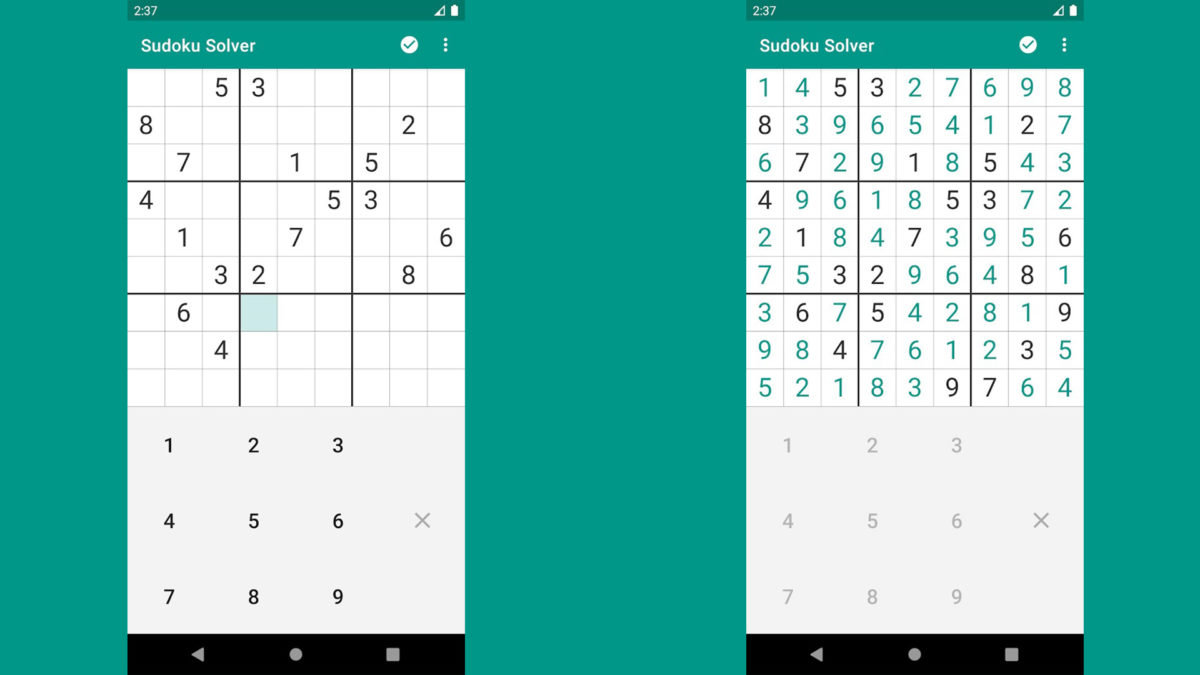
Clues: The pre-filled numbers provided at the start of a puzzle.
-
Grid: The complete nine-by-nine layout containing eighty-one total squares.
-
Pencil Marking: Writing tiny potential numbers in the corner of an empty square to keep track of options.
-
Single: A square that has only one logical number placement remaining.
Conclusion
Mastering sudoku for beginners is a rewarding journey that turns an intimidating grid of blank squares into an enjoyable puzzle experience. By learning the fundamental sudoku rules, practicing the cross-hatching method, and sticking to a consistent sudoku step by step routine, you can solve any entry-level board with ease. Remember to pace yourself, use pencil marks wisely, and let logic guide every single placement.
For a massive selection of easy sudoku puzzles, printable brain teasers, and daily word games designed to challenge your mind, head over to riddlepuzzle. Grab a pencil, find a fresh grid, and start practicing your new skills today.
Frequently Asked Questions
What is the golden rule of how to solve sudoku?
The golden rule is that you must never guess. Instead, you must deduce every single number you place on the grid through a process of elimination based on the existing clues in the intersecting row, column, and box.
Are there math skills required to play sudoku?
No, the game does not require any math skills. The puzzle uses numbers simply because they are globally recognized symbols. Indeed, you could replace the numbers one through nine with letters, colors, or geometric shapes, and the logic of the game would remain exactly the same.
How do I know if a sudoku puzzle is easy or hard?
The positioning of the starting clues and the complexity of the logical techniques required to solve it determine the difficulty of a puzzle, rather than just the raw number of clues provided on the board.
What should I do if I get completely stuck on a grid?
If you get stuck, look for rows or columns that are nearly full. If that fails, wipe away unclear pencil marks, focus on a completely different number, or take a short break to clear your eyes.