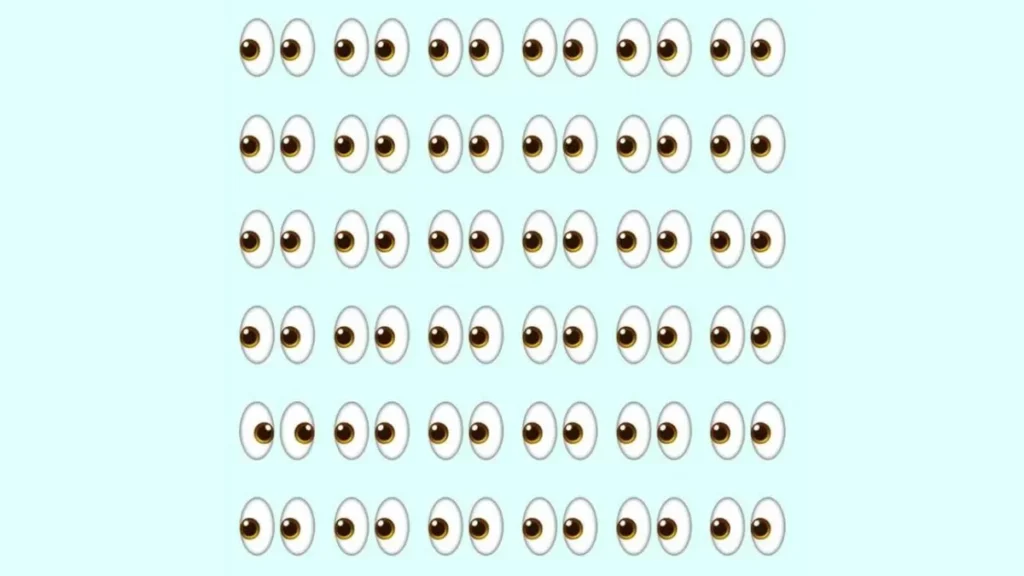
Can you spot a tiny grammatical error or a hidden symbol in a sea of identical shapes within five seconds? If you love a good eye test game or want to measure your visual focus, diving into eye test puzzles is a great way to check your processing speed.
To pass a tricky eye test quiz successfully, you need more than just standard 20/20 vision. You must train your brain to notice slight changes in color shading, microscopic differences in shape contours, and hidden design flaws. Therefore, these challenges serve as a fun, stimulating workout for your mind and eyes.
When you take on an eye test challenge, you are putting your everyday observation skills to the test. This comprehensive guide breaks down the deep optical science behind visual trivia, highlights the main types of brain teasers, and shares expert tips to help you pass every test your eyes puzzle like a seasoned pro.
Why an Eye Test Game is the Perfect Mental Workout
Many people assume that checking their eyesight requires a formal visit to an optometrist’s office. Official guidance on regular vision screening and eye exams is available on the American Academy of Ophthalmology’s official site, which explains why professional exams remain essential alongside casual visual tests. While medical exams are vital for physical eye health, an eye test online fun session offers a quick way to test your active visual tracking.
When you try to solve an eye exam puzzle, you are testing two major features: your physical eyesight and your brain’s processing speed. Your eyes act as lenses that capture raw light data, but your brain acts as the central computer that filters out useless data to find specific anomalies.
These puzzles train your eyes to look past distracting patterns. By forcing your mind to isolate specific targets from a chaotic background, you improve your everyday spatial awareness and peripheral attention. This type of mental conditioning helps with real-world tasks like driving at night, scanning crowds, or proofreading complex digital documents.
The Three Main Types of Vision Test Puzzles
Not all visual challenges use the same layout. Most popular games fall into three major categories, each testing a specific part of your visual system and cognitive processing.
1. Visual Acuity Puzzle (Letter and Symbol Grids)
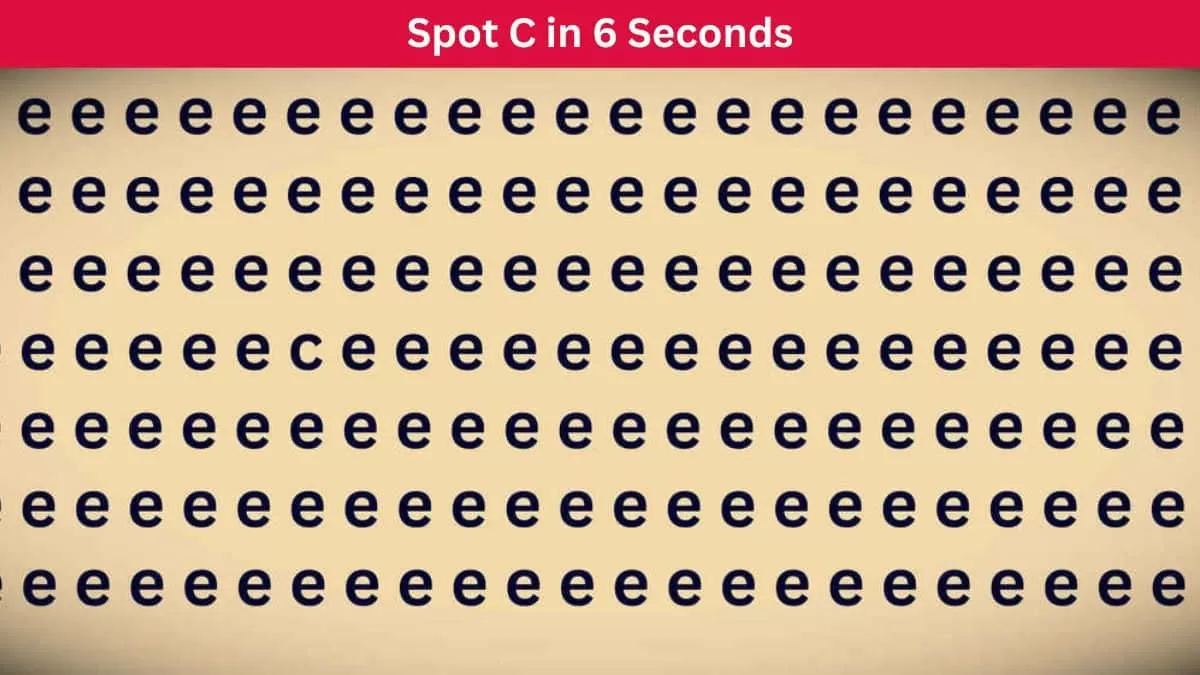
These grids feature rows of a repeating letter, such as the letter “O,” with a single “C” hidden somewhere inside. This format measures your detail recognition. It forces your eyes to scan long lines of text efficiently to catch tiny breaks in geometric shapes. It relies heavily on your foveal vision, which is the center part of your retina responsible for sharp, detailed reading.
2. Spot the Difference Eye Test
This classic setup places two identical-looking photos side-by-side. However, the creator alters five or ten micro-details in the second image. To win, you must track back and forth between both pictures to catch missing shadows, altered lines, or shifted objects. This game tests your short-term visual memory, as your brain must remember one image while looking at the other. For a hands-on practice session, try our collection of spot the difference puzzles with 10 tricky images.
3. “How Good Is Your Eyesight Test” (Color Hue Grids)
These puzzles feature a large grid of colorful squares. All the squares look perfectly identical except for one single box that features a slightly lighter or darker shade. This challenge measures your color contrast sensitivity, which naturally varies based on lighting conditions, display quality, and the number of color-receptive cone cells in your eyes. For a deeper look at how color perception can be manipulated, check our guide on color illusions and why your eyes lie to you.
Studio Breakdown: Common Design Layouts in Visual Trivia
Designers use several clever layout styles to confuse your eyes. Let us look at how these common visual puzzles structure their elements to maximize difficulty and trick your brain’s natural visual assumptions.
High-Density Pattern Clusters
This style packs hundreds of identical objects—like a massive crowd of cartoon pandas—into a single tight image. The designer then hides a single unique object, like a small snowman, right in the middle of the crowd. The repeating shapes create intense visual fatigue, which makes your eyes skip over the target because your brain assumes everything in the image is exactly the same.
Geometric Camouflage
These puzzles hide lines by matching the background textures with the target object. For example, a hidden geometric shape might use the exact same line thickness and angle as the background art. This trick temporarily confuses your brain’s ability to tell the foreground apart from the background, forcing you to rely on border detection to solve the puzzle.
Negative Space Traps
Some advanced illustrations do not hide the object in plain sight. Instead, they shape the empty white space between objects to form a hidden silhouette. Your eyes naturally look at solid objects first, which means you might stare at a drawing for several minutes without realizing that the empty background space actually forms the shape you are searching for. This exact figure-ground challenge is put to the test in our find the hidden object visual puzzle.
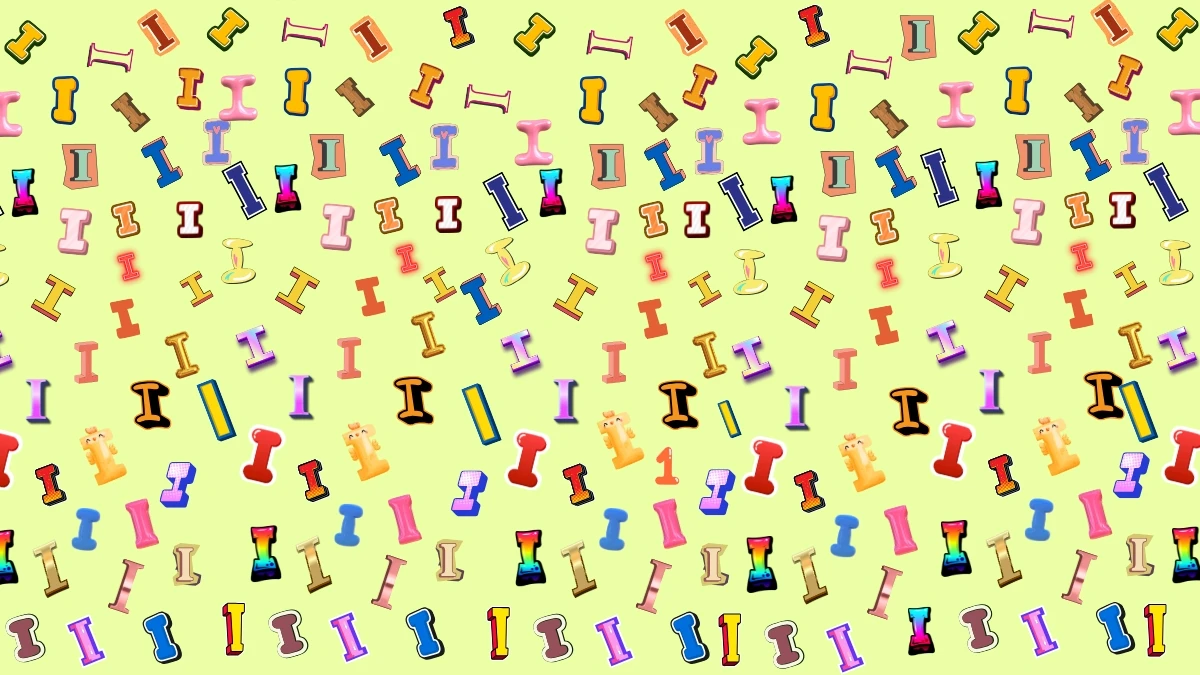
Master Checklist: Tricky Symbols That Fool Most Players
Certain letters and numbers look incredibly similar when packed into a dense grid. The table below breaks down the most commonly confused symbols used in a vision test puzzle and the exact structural traits to scan for.
| Easily Confused Symbols | Why They Look Identical | How to Tell Them Apart |
| Letter O vs. Letter Q | Both utilize a perfectly round circular frame. | Scan the bottom-right corner of the shape for a tiny diagonal tail break. |
| Number 6 vs. Letter G | Both feature a curved left wall and a rounded bottom loop. | Look at the top-right corner; the 6 closes inward while the G features a flat shelf. |
| Letter M vs. Letter N | Both rely on straight vertical lines and sharp diagonal peaks. | Count the vertical pillars; an M features two internal diagonal valleys, while an N only has one. |
| Number 8 vs. Letter B | Both display two rounded loops stacked vertically. | Check the left border; an 8 is completely curved on both sides, while a B features a flat left spine. |
| Number 1 vs. Letter I | Both consist of a simple, straight vertical line profile. | Check the top and bottom; the 1 has a small top beak, while the I has flat horizontal bars. |
| Letter V vs. Letter U | Both feature open tops with two vertical side columns. | Look at the base; a V connects at a sharp single point, while a U uses a smooth curve. |
Pro Strategies to Pass an Eye Test Challenge
If you want to move past random scanning and find hidden targets quickly, you need a systematic approach. Use this three-step strategy during your next puzzle session.
Step 1: Use the S-Curve Scanning Method
Do not let your eyes wander aimlessly around the picture. Instead, start at the top-left corner and scan horizontally to the right. Once you reach the edge, drop down slightly and scan back to the left, moving across the image in a continuous “S” shape. This ensures you inspect every single inch of the grid without repeating rows or skipping sections.
Step 2: Section the Image Into Quadrants
If a picture is highly detailed, mentally divide the screen into four equal quadrants. Focus your full attention on one isolated quarter at a time before moving on to the next section. Breaking the image down prevents your brain from getting overwhelmed by the surrounding visual noise, allowing your focal vision to do its job properly.
Step 3: Blink and Reset Your Focus
Staring at a screen without blinking dries out your eyes and causes blurred vision, which makes finding hidden items much harder. If you cannot find the target within fifteen seconds, close your eyes for three full seconds to relax your eye muscles. When you reopen them, your visual focus will be fully reset, and the anomaly might pop out instantly.
The Neurological Connection: How Your Brain Sees Patterns
To truly understand why an eye test challenge can be so difficult, you have to look at how human evolution shaped our vision. Our brains are hardwired to look for familiar patterns to help us make sense of the world quickly.
When you look at a jungle, your brain groups leaves together so you see a forest rather than ten thousand individual plants. This process is called Gestalt grouping.
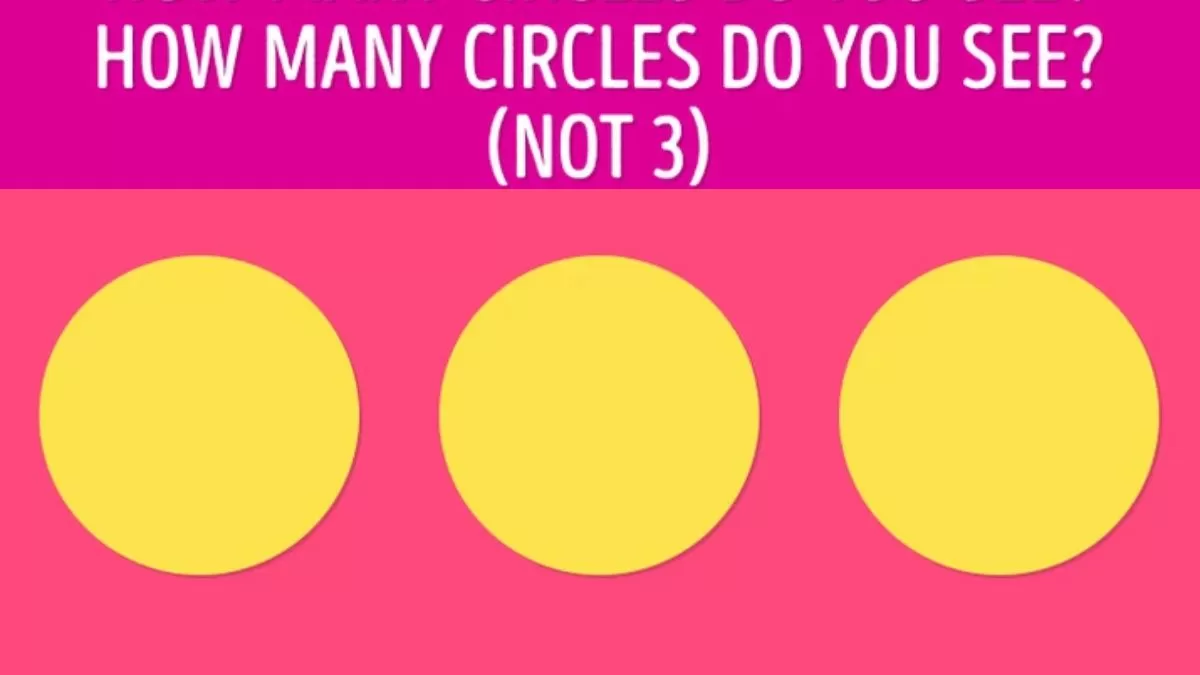
Visual puzzle designers use this exact shortcut against you. By making hundreds of shapes look similar, your brain groups them into one giant, solid wall of texture. The hidden object becomes an “error” in that texture. Finding the target requires you to consciously override your brain’s automatic grouping system and analyze each element as an individual unit.
Summary of Visual Puzzle Recognition
To summarize, acing an eye test puzzles challenge is all about replacing frantic searching with a structured scanning method. By utilizing organized scanning paths, breaking complex images down into smaller quarters, and resting your eyes frequently to combat fatigue, you can easily solve even the toughest visual games.
The secret is to remain patient, train your brain to notice tiny structural breaks in repeating shapes, and practice your observation skills every day. Over time, your mind will learn to pick out hidden variations instantly, turning a frustrating search into a quick and satisfying victory. for more interesting mind games and puzzles visit Riddlespuzzle.
Frequently Asked Questions (FAQs)
Can playing an eye test game improve my physical eyesight?
Playing these games exercises your visual focus, pattern recognition, and processing speed, but it cannot alter the physical shape of your eye or cure refractive errors like nearsightedness or astigmatism. It simply helps your brain process the existing visual data more efficiently.
Why do some people pass a spot the difference eye test much faster?
People who look at detailed images frequently—such as graphic designers, editors, radiologists, or avid gamers—often develop highly optimized eye movement paths called saccades. This allows them to spot anomalies, missing details, and visual differences with significantly less mental effort.
What is the best screen brightness for solving an eye test quiz?
You should match your device’s screen brightness with the ambient light of the room you are sitting in. Working on a bright screen in a completely dark room creates intense contrast glare, which tires out your eye muscles, causes dry eyes, and slows down your search speed.
What is the fastest way to spot the odd one out in a grid?
Try tilting your head slightly or viewing the screen from a small side angle. Altering your perspective changes how light contrast hits your retinas, which often causes the single mismatched symbol, hidden digit, or off-color square to pop out of the pattern immediately.
Do color-blind individuals have an advantage in certain eye test puzzles?
Yes, in specific cases. Some high-contrast texture puzzles hide objects using patterns and shadows rather than shifting colors. Research shows that certain color-blind individuals are less distracted by color variations, allowing them to spot hidden geometric contours faster than people with standard color vision.
Thank you for exploring this guide to visual puzzles. For more exciting photo challenges, mind-bending riddles, and interactive brain teasers, make sure to visit riddlepuzzle.com to keep your mind sharp and active every single day.