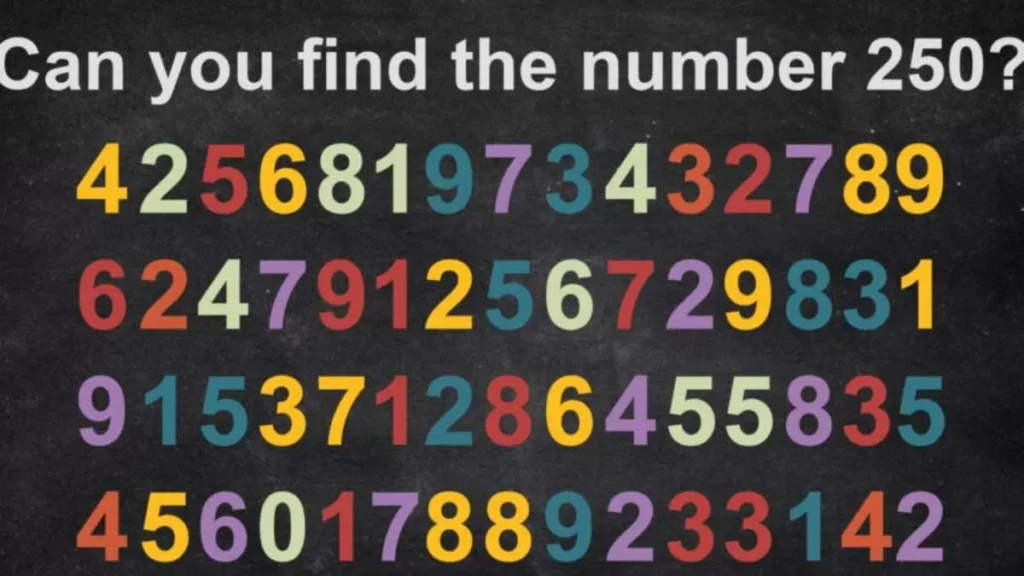
Can a simple grid of black and white dots completely confuse your eyes and leave you scratching your head? If you love a good hidden number puzzle or want to test your visual processing speed, jumping into a find the hidden number challenge is the perfect way to test your mind.
To solve a complex find the number illusion successfully, you have to look past the dominant repeating shapes. Instead, you must train your eyes to recognize subtle shifts in contrast, slight changes in line angles, and hidden boundaries tucked inside abstract patterns. Therefore, it serves as an excellent mental workout that tests your focus.
When you take on a modern spot the hidden number game, your brain has to work without basic context clues like clear outlines or distinct color separations. Instead, you are forced to analyze pure visual static. This guide breaks down the optical science behind history’s most famous visual tricks, exposes the secret patterns, and shares expert tips to help you find the hidden number in picture challenges every single time.
Why the Hidden Number Brain Teaser is the Perfect Cognitive Gym
Many people assume that optical illusions are just fun party tricks meant to pass the time on social media timelines. However, isolating a hidden digit changes your visual processing dynamic entirely.
When you strip away clear object borders and mix foreground elements with background patterns, you are left with a raw hidden number brain teaser. This format forces your brain to utilize advanced figure-ground segregation.
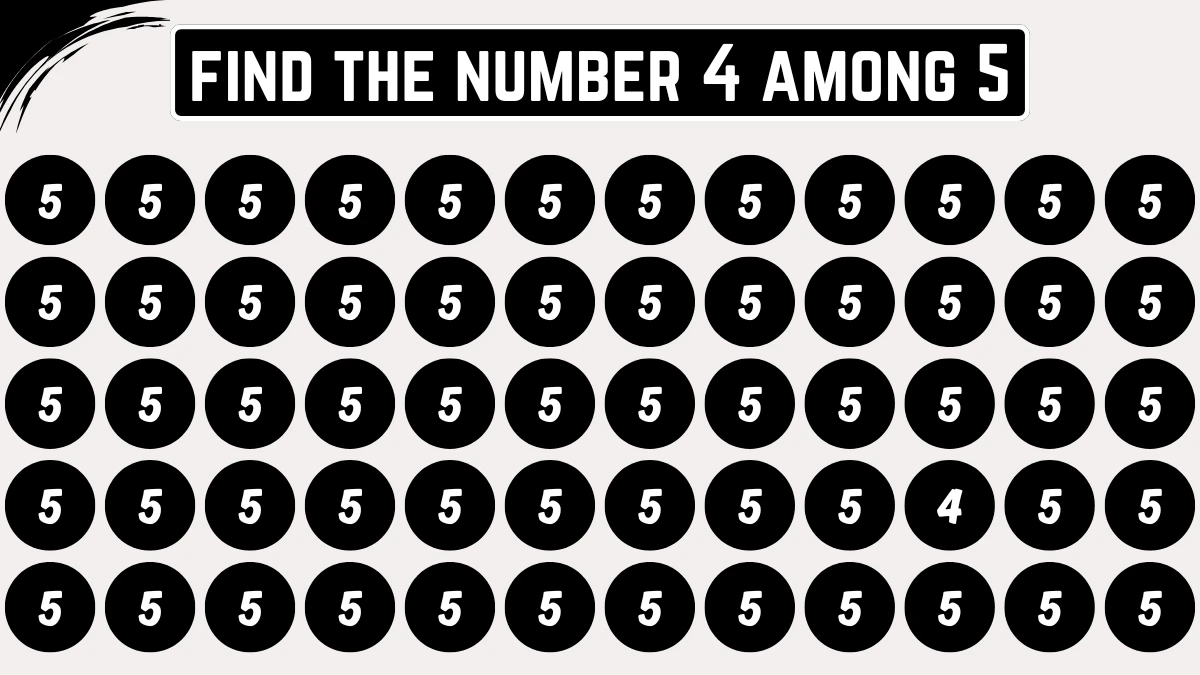
Visual perception puzzles are excellent for improving your focus and pattern recognition speed. Specifically, identifying a camouflaged digit by its bare texture exercises your visual cortex. It requires your brain to filter out distracting visual noise to discover the hidden structure underneath. Consequently, this quick mental workout keeps your brain highly agile.
How to Analyze a Number Hidden in Image Challenge Like an Expert
Experienced puzzle solvers do not just stare at a confusing pattern randomly. Instead, they break down the visual landscape into specific optical components.
When you play a hidden number game, you can use several distinct visual clues to solve the mystery. Here are the three main tracking categories to look out for during your next puzzle session.
1. High-Frequency Contrast Shifts
Most optical illusions hide information by subtly changing the brightness or shading of specific pixels. For instance, a tiny cluster of slightly darker dots hidden inside a massive grid of bright dots forms the framework of a hidden digit. Noting whether a pattern features smooth color transitions or jagged contrast drops helps you isolate the borders instantly.
2. Frequency and Line Angling
Many modern visual puzzles hide numbers by changing the direction of repeating lines. For example, a background made entirely of vertical lines might contain a hidden digit made of diagonal or horizontal lines.
When analyzing a find the digit puzzle, search for zones where the repeating pattern suddenly breaks its rhythm. These broken lines act as immediate visual giveaways.
3. Kinetic and Distance Alterations
Some numbers are designed to remain completely invisible when you look at them from a normal reading distance. These puzzles rely on spatial frequency to fool your eyes.
Studying the image while changing your physical viewing angle or moving away from the screen alters how your retinas process the light frequencies, making a tough puzzle much easier to decode.
Scientific Breakdown: How Visual Illusions Trick Your Eyes
Certain visual styles possess such unique optical layouts that your brain automatically misinterprets the data. Let us break down the world’s most visually distinct illusion frameworks based on available visual science data.
The Color-Blind Style Testing Grids
These puzzles are built using the classic Ishihara method. The grid consists of a chaotic circle filled with dozens of smaller dots varying in size and color. While a person with standard color vision easily links the red and green dots together to form a number, the brain must work hard to trace the geometry if the colors are intentionally desaturated into monochrome shades. This same color-based deception principle is explored further in our guide on color illusions and why your eyes lie to you.
The Vibrating Op-Art Waves
Op-art puzzles use high-contrast geometric patterns often black and white zigzags or concentric circles to create the illusion of movement. This artistic movement is documented in detail on Tate’s official page on Op Art, which traces its origins and visual techniques. The repeating lines confuse your eye muscles, causing the image to appear to shimmer or rotate. Designers hide numbers deep inside these vibrating waves, forcing you to relax your focus to let the digit emerge.
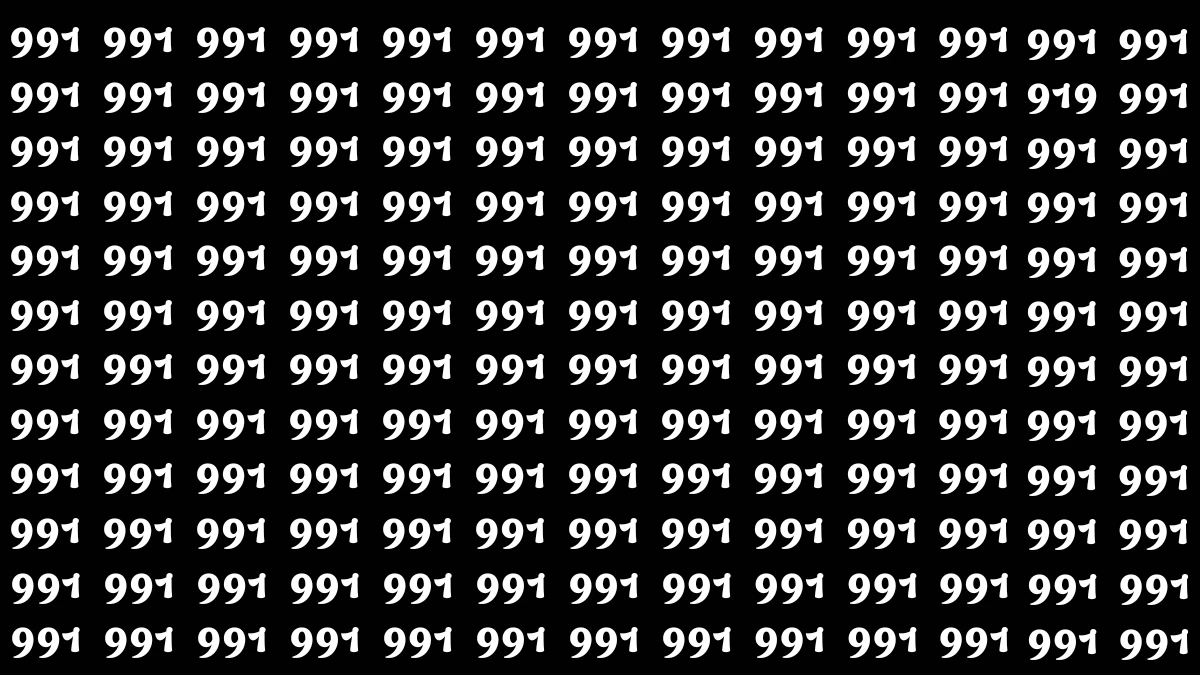
The Stereogram Magic Eye Formats
Stereograms hide a full three-dimensional digit inside a flat, repeating two-dimensional texture. To unlock the hidden image, you have to look through the picture rather than directly at it. This action forces your eyes to decouple their focus from the actual screen surface, allowing a distinct 3D number to float into view. If this kind of visual trickery fascinates you, our roundup of optical illusions that will break your brain in 2026 covers even more mind-bending formats.
Master Checklist: Tricky Number Outlines That Fool Most Players
Not every puzzle in a find the number challenge is easy to solve. Many digits share surprisingly similar visual lines when camouflaged, which can easily confuse casual players during a timed match.
The table below breaks down the most commonly confused hidden digits based on historical pattern data, along with the correct find the hidden number answer tracking strategies.
| Easily Confused Hidden Numbers | Why They Look Identical | How to Tell Them Apart |
| Digit 3 vs. Digit 8 | Both feature rounded upper and lower loops that blend easily into curved background waves. | Look closely at the left side of the shape. A digit 8 forms a completely closed loop on both sides, while a 3 remains completely open on the left. |
| Digit 5 vs. Digit 6 | Both display a heavy, rounded lower belly that matches circular patterns. | Examine the top section. A digit 5 features a perfectly flat, sharp horizontal top bar, whereas a 6 curves smoothly all the way up to the top point. |
| Digit 1 vs. Digit 7 | Both consist of simple, sharp vertical lines that mimic background bars. | Check the topmost intersection point. A digit 7 features a wide, distinct horizontal cap that extends to the right before slanting downward. |
| Digit 0 vs. Digit 9 | Both feature a large, prominent oval circle near the top of their structural frame. | Trace the bottom trail of the shadow. A digit 0 is completely symmetrical, while a 9 features a long tail that curves downward to the left. |
Pro Strategies to Ace a Find the Number Challenge
If you want to move past random blinking and start identifying camouflaged digits like a professional vision scientist, you need a systematic method. Here is the exact step-by-step process you should use whenever a new illusion appears during a find the number challenge.
Step 1: Change Your Viewing Distance
Do not keep your face pinned close to your phone or computer monitor. If the number remains hidden, physically lean back two or three feet away from the screen, or pinch the image to zoom out significantly. Reducing the overall size of the image compresses the background noise, which allows the larger, hidden digit profile to pop out instantly.
Step 2: Utilize the Peripheral Blur Technique
Instead of focusing intensely on individual dots or lines, try to intentionally de-focus your eyes. Look at the exact center of the puzzle image and soften your gaze, allowing your peripheral vision to take over. This blurring action naturally filters out high-frequency background details, making the lower-frequency outline of the hidden number visible.
Step 3: Tilt the Screen and Scan the Angles
The angle at which light leaves your display panel can change how contrast filters into your eyes. Gently tilt your device forward and backward, or view the image from a side angle. This alteration changes the visual path of the repeating pattern, which often exposes the hidden edges of the number hidden in image puzzle.
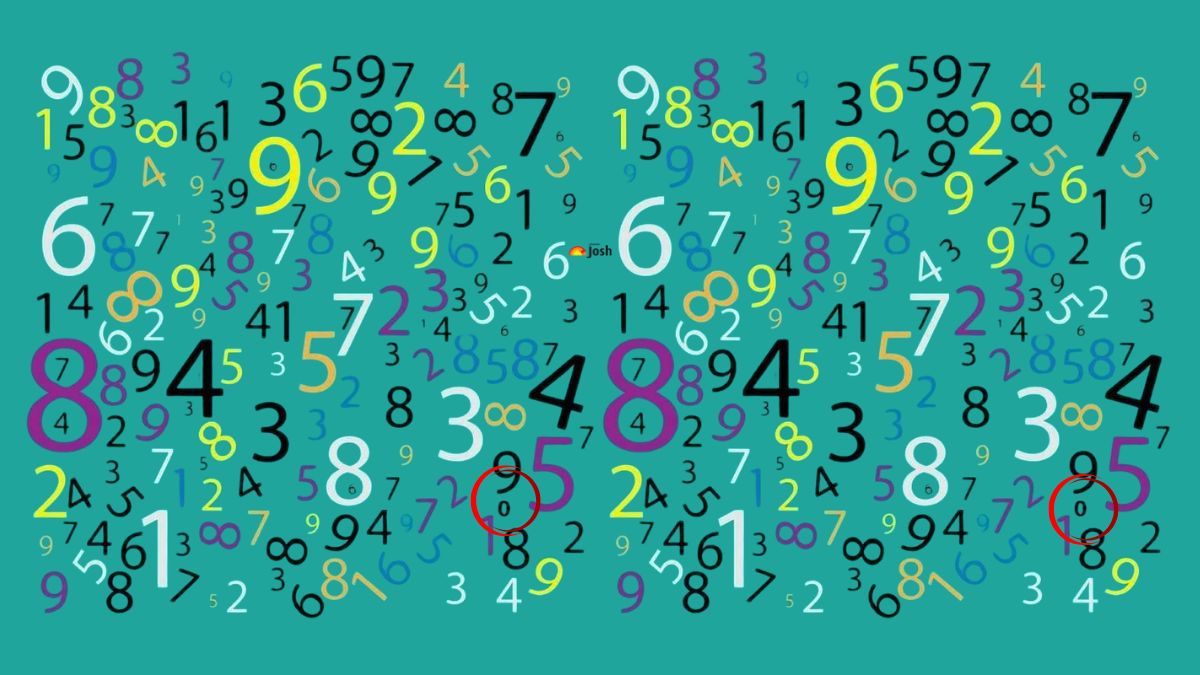
Summary of Optical Pattern Recognition
To summarize, successfully conquering a hidden number puzzle comes down to replacing frustrated staring with a strict, optical analysis method. By adjusting your viewing distance, softening your visual focus, and tilting your screen to alter light angles, you can easily solve even the toughest visual challenges.
The secret is to look for identifying pattern disruptions, understand how contrast shifts create hidden edges, and practice your observation skills regularly with high-quality illusions. Over time, your brain will automatically decode these complex visual grids with absolute ease. for more puzzles explore the Riddlespuzzle.
Frequently Asked Questions (FAQs)
Why do some people spot the hidden number in picture games faster than others?
Visual processing speeds vary naturally from person to person based on individual cognitive traits. People who possess high spatial awareness or regularly play detailed visual games can isolate figures from noisy backgrounds with much less effort.
How do designers create a find the number illusion?
Designers use specialized software to overlay a digital font template onto a repeating texture map. By subtly altering the opacity, rotation angle, or dot density inside the font boundaries, they create a hidden border that trips up the human eye.
Can looking at these vibrating optical illusions hurt your vision?
While staring at high-contrast op-art patterns can cause temporary eye strain or mild headaches due to muscle fatigue, it does not cause permanent damage to your eyesight. To avoid fatigue, remember to blink frequently and rest your eyes after completing a tough puzzle.
What is the fastest way to find the hidden number answer?
The best approach is to scroll past the image quickly or look at the tiny thumbnail view of the photo first. The small scale removes the confusing details of the background pattern, allowing the overall shape of the hidden digit to reveal itself in a split second.
Thank you for reading this complete optical illusion guide. For more exciting visual challenges, mind-bending riddles, and interactive logic puzzles, make sure to visit riddlepuzzle.com to keep your mind sharp and active every single day.
Why do some people spot the hidden number in picture games faster than others?
Visual processing speeds vary naturally from person to person based on individual cognitive traits. People who possess high spatial awareness or regularly play detailed visual games can isolate figures from noisy backgrounds with much less effort.
How do designers create a find the number illusion?
Designers use specialized software to overlay a digital font template onto a repeating texture map. By subtly altering the opacity, rotation angle, or dot density inside the font boundaries, they create a hidden border that trips up the human eye.
Can looking at these vibrating optical illusions hurt your vision?
While staring at high-contrast op-art patterns can cause temporary eye strain or mild headaches due to muscle fatigue, it does not cause permanent damage to your eyesight. To avoid fatigue, remember to blink frequently and rest your eyes after completing a tough puzzle.
What is the fastest way to find the hidden number answer?
The best approach is to scroll past the image quickly or look at the tiny thumbnail view of the photo first. The small scale removes the confusing details of the background pattern, allowing the overall shape of the hidden digit to reveal itself in a split second.