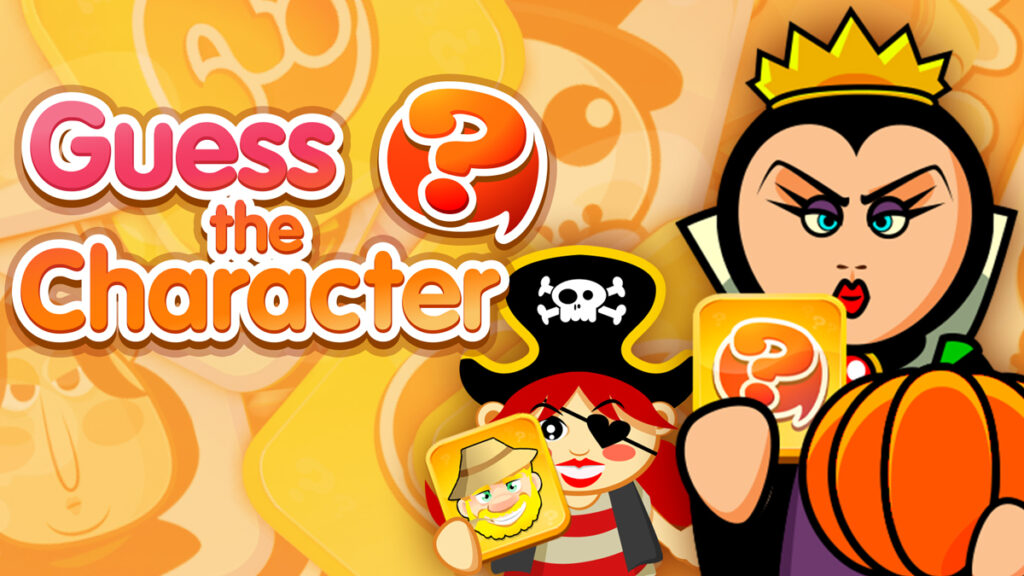
Can you look at a simple black outline with oversized round ears or a spike of gravity-defying hair and instantly name the animated star it represents? If you love a good cartoon picture quiz or want to test your pop culture memory, jumping into a guess the cartoon character challenge is the perfect way to test your brain.
To win a cartoon silhouette quiz successfully, you have to look past bright colors and facial expressions. Instead, you must train your eyes to recognize distinct physical traits, iconic props, and unique anatomical proportions. Therefore, it serves as an excellent nostalgia trip for adults and an exciting activity for children.
When you take on a modern guess the cartoon silhouette game, your brain has to work without basic context clues like voice acting, catchphrases, or colorful backgrounds. Instead, you are forced to analyze pure structural outlines. This guide breaks down the visual secrets behind history’s most famous animated figures, exposes the trickiest silhouettes, and shares expert tips to help you guess the character correctly every single time.
Why the Cartoon Shadow Quiz is the Perfect Brain Trainer
Many people can easily spot a famous hero when they see them fully rendered in bright digital colors on a television screen. However, isolating their shapes changes the visual dynamic entirely.
When you strip away facial details, clothing textures, and signature color palettes, you are left with a raw cartoon shadow quiz. This format forces your brain to utilize deep mental imagery.
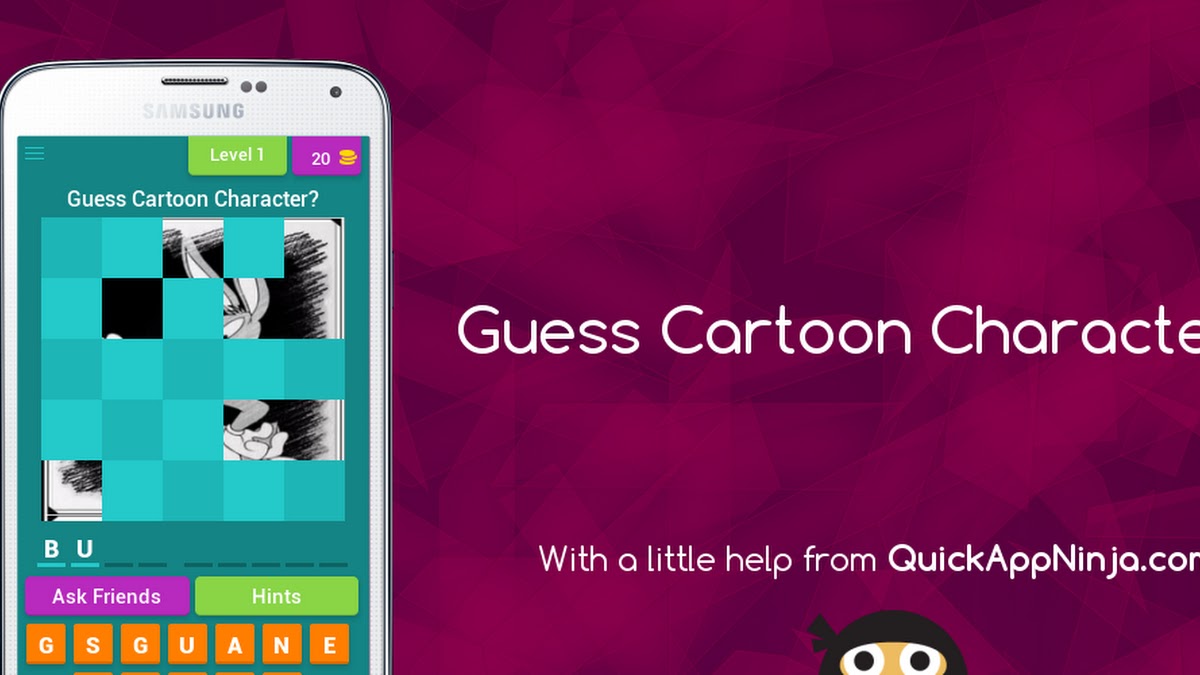
Animation puzzles are excellent for improving long-term memory recall and visual pattern processing. Specifically, identifying a beloved figure by their bare shadow exercises your visual cortex. It requires you to match abstract lines with nostalgic memories stored from your childhood. Consequently, this quick mental workout keeps your brain sharp. If you enjoy guessing from visual clues alone, you’ll also love these emoji riddles with answers — guess the meaning
How to Analyze an Animated Outline Like a Pop Culture Pro
Professional trivia players do not just look at a black outline randomly. Instead, they break down the character profile into specific design elements.
When you play a guess the cartoon game, you can use several distinct visual clues to solve the mystery. Here are the three main structural categories to look out for during your next game night.
1. Hair Spikes and Head Geometry
Exaggerated head shapes are the foundation of classic character design. For instance, perfectly round circles, sharp triangular hair spikes, or large blocky jaws tell you a lot about the character’s origin. Noting whether a head profile features smooth curves or jagged angles helps you identify the animation studio instantly.
2. Signature Costumes and Props
Many iconic characters are inseparable from the items they wear or carry. Look closely at the edges of the outline in a cartoon character challenge.
Does the silhouette feature a distinct wizard hat, a sweeping cape, an oversized hammer, or a round shield? These external items act as immediate visual giveaways that can save you from a wrong guess. Enjoy spotting hidden clues like this? Try your eyes at these hidden object visual puzzle challenges.
3. Animal Hybrid Proportions
A huge portion of animated history relies on anthropomorphic animals. These are animals that walk, talk, and dress like regular humans.
When analyzing a kids cartoon quiz image, check for oversized tails, long floppy ears, webbed feet, or pointed beaks attached to a human-like torso. These animal traits narrow down your search parameters significantly.
Studio Breakdown: Iconic Outlines That Everyone Remembers
Certain animated figures possess such unique structural layouts that you can identify them in a fraction of a second. Let us break down the world’s most visually distinct character profiles by their production styles.
The Round and Whimsical Designs of Disney
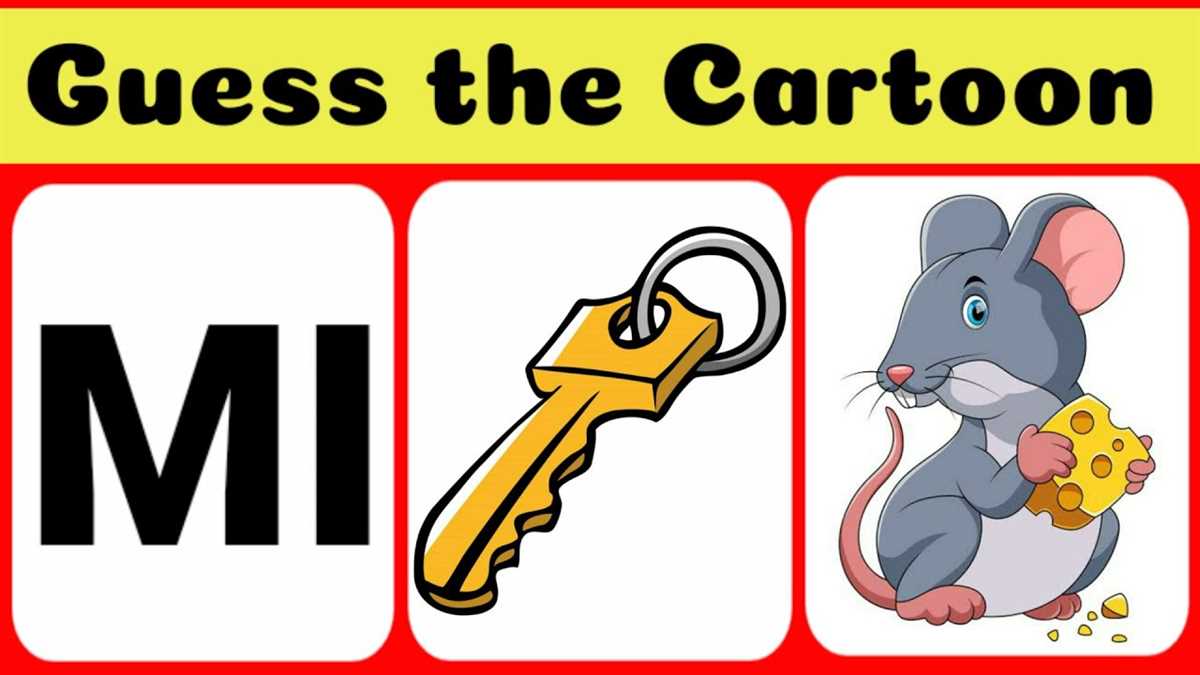
Disney character designers heavily utilize soft, circular geometry to create friendly and timeless appeal. Mickey Mouse stands out as the most recognizable silhouette in human history, entirely defined by three interlocking circles. Similarly, the outline of Winnie the Pooh features soft, pear-shaped body curves, while Donald Duck is instantly spotted by his round sailor cap and prominent duck bill.
The Sharp and Geometric Profiles of Warner Bros
Looney Tunes characters often feature highly dynamic, angular silhouettes built for fast-paced physical comedy. Bugs Bunny offers a long, vertical profile dominated by tall, parallel ears and oversized feet. In contrast, the silhouette of Wile E. Coyote features jagged fur tufts and a long, narrow snout that conveys constant schemes.
The Exaggerated Anatomy of Modern Anime and Cartoons
Modern animation relies on extreme proportions to stand out on digital screens. The Simpsons characters are famous for their unique overbites and highly specific hairstyles, such as Marge’s tall cylindrical beehive or Lisa’s star-shaped points. In the world of anime, Goku from Dragon Ball is instantly recognized by his massive, wind-swept triangular hair clusters.
Master Checklist: Tricky Character Silhouettes That Fool Most Players
Not every puzzle in a guess the cartoon puzzle is easy to solve. Many completely different characters share surprisingly similar bodily proportions, which can easily confuse casual trivia players during a timed match.
The table below breaks down the most commonly confused animation silhouettes based on historical design data, along with the specific visual tricks you can use to tell them apart. If you like puzzles that trick your perception this way, don’t miss these optical illusions that will break your brain.
| Easily Confused Silhouettes | Why They Look Identical | How to Tell Them Apart |
| Pikachu vs. Sonic the Hedgehog | Both are small, fast, energetic creatures with pointed head features. | Pikachu features thick, flat zigzag ears and a blocky lightning-bolt tail, while Sonic features curved, backward-facing quills. |
| Fred Flintstone vs. Homer Simpson | Both display heavy, rounded torsos and thick, blocky lower jaws. | Homer Simpson features a perfectly round bald head with two stray hair loops, while Fred features a jagged tuft of hair and a tie. |
| Scooby-Doo vs. Pluto | Both are beloved, four-legged animated dogs with floppy ears. | Scooby-Doo wears a prominent square collar tag and features a boxier, heavier jaw structure than the slender Pluto. |
| Dexter vs. Jimmy Neutron | Both represent short, big-headed boy geniuses wearing specific shoes. | Jimmy Neutron features a massive, vertical ice-cream-cone swirl of hair, while Dexter features sharp glasses frames and a flat lab coat outline. |
Pro Strategies to Ace a Cartoon Character Challenge
If you want to move past random guessing and start identifying animated figures like a professional character designer, you need a systematic method. Here is the exact step-by-step process you should use whenever a new shadow appears during a cartoon character challenge.
Step 1: Evaluate the Overall Sizing and Scale
Look closely at the length of the limbs relative to the torso. Is the character short with stubby legs and a massive head, or do they feature long, spider-like limbs built for action? Short, round proportions usually point toward toddler shows or classic comedy shorts. Long, sharp, muscular limbs point directly toward comic book superhero shows or action anime.
Step 2: Search for Negative Space Visuals
Do not just look at the black ink of the shadow. Instead, train your eyes to look at the empty white spaces created where the character’s arms meet their hips or where their legs separate. This negative space often reveals hidden details, like a hand resting inside a pocket or a weapon holstered at the waist, which can help you guess the character instantly.
Step 3: Check the Footwear and Hand Profiles
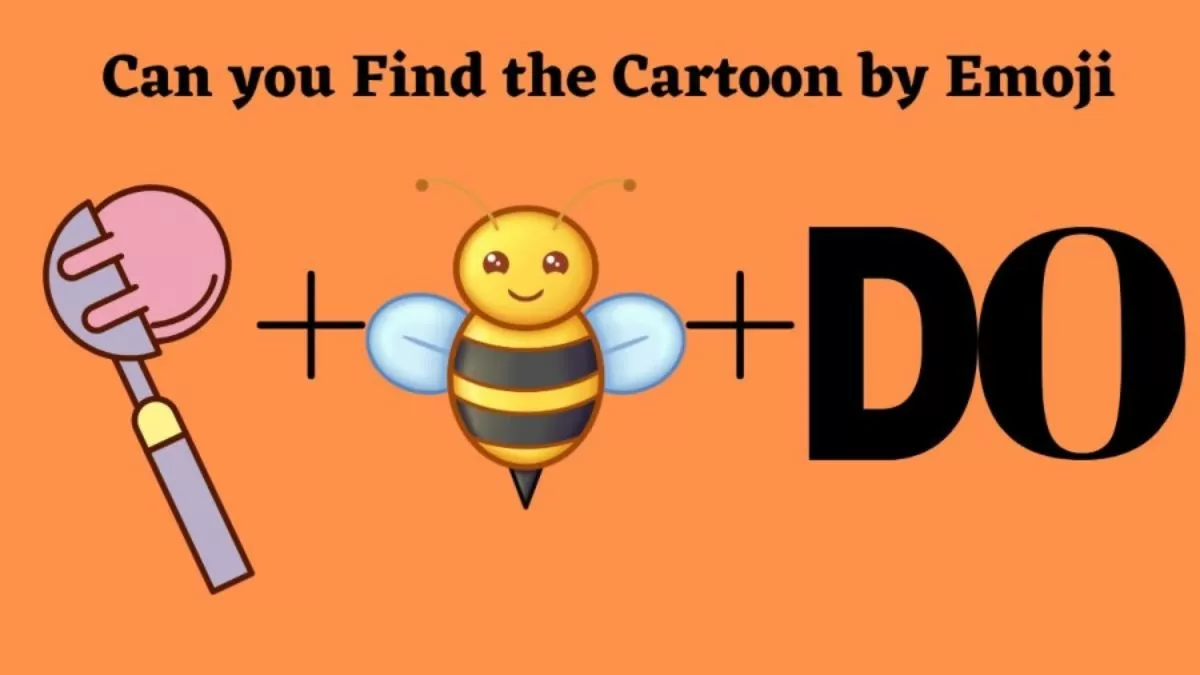
The ends of a character’s limbs hold incredible structural secrets. Look at the feet and hands. Does the silhouette feature four fingers instead of five, which is an incredibly common trait in classic western animation? Do they wear oversized, clown-like circular shoes, or sharp, pointed superhero boots? These micro-designs act as definitive historical markers.
Summary of Animated Silhouette Recognition
To summarize, successfully conquering a cartoon silhouette quiz comes down to replacing random guessing with a strict, structural analysis method. By breaking an animated profile down into its core geometric components—such as key head shapes, costume props, and hand-to-limb proportions, you can easily solve even the toughest pop culture challenges.
The secret is to look for identifying historical design trends, analyze the negative spaces within the shadow, and practice your observation skills regularly with high-quality visual puzzles. Over time, your brain will automatically connect these nostalgic shapes with their correct television stars.
Frequently Asked Questions (FAQs)
Why do so many classic cartoon characters only have four fingers in their silhouettes?
During the early days of hand-drawn animation, artists discovered that drawing five fingers on a moving character looked cluttered and took too much time. Removing one finger simplified the geometric shape, saved production studios thousands of hours of drawing time, and made the hands look much cleaner on screen.
How can you tell superhero silhouettes apart in a cartoon picture quiz?
Superheroes rely heavily on strict, recognizable icons built directly into their physical outlines. To identify them, you must look for specific cowl shapes, such as Batman’s pointed bat ears, or unique cape lengths and flowing hair patterns that break up a standard muscular human profile.
What is the hardest era of animation to guess in a silhouette quiz?
Most trivia experts consider the late 1990s and early 2000s the most challenging era due to the massive explosion of diverse art styles. Shows shifted rapidly from the thick, geometric block styles of Cartoon Network to the fluid, detailed designs of early digital anime, creating a huge variety of unique shapes.
What is the fastest way to get better at a guess the cartoon character game?
The best approach is to focus on memorizing the top signature feature of each major character franchise. Once your eyes learn to instantly isolate a specific hair swirl, a tail shape, or a weapon outline, you can easily identify the hidden character within a single second.
Thank you for reading this ultimate animated shadow guide. For more exciting visual challenges, mind-bending riddles, and interactive logic puzzles, make sure to visit riddlepuzzle to keep your mind sharp and active every single day.