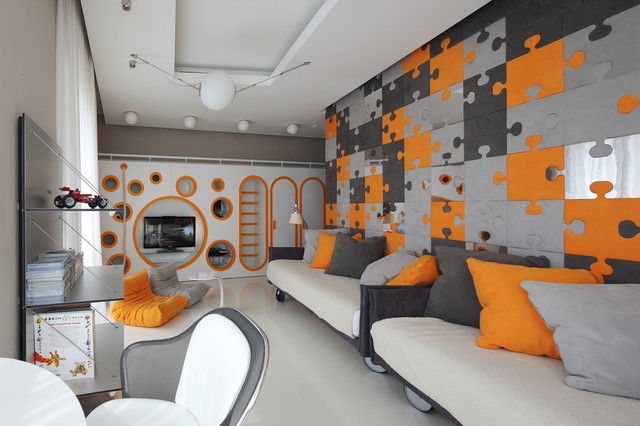
In a world where every brand is fighting for a second of your time, standing out requires more than just a pretty color palette. Smart designers are turning to puzzle design inspiration to create logos and identities that do more than just sit there—they invite the audience to play. When a brand uses a puzzle-like element, it creates a “lightbulb moment” for the customer. That split second where someone “gets” the hidden meaning in a logo builds an instant, positive connection that traditional designs often miss.
Using puzzles in branding is about more than just being clever. It is a strategic way to make a brand memorable. If you can make a customer pause and think, you have already won half the battle. This approach is becoming a staple in creative brand design because it turns a passive viewer into an active participant.
Why Puzzle Design Inspiration Works for Modern Brands
The human brain is naturally wired to solve problems. We get a small hit of dopamine when we close a gap or find a hidden pattern. By incorporating puzzle design inspiration into a brand identity, you are tapping into this natural instinct.
This style of design often uses negative space, overlapping shapes, or “hidden” symbols. Think about the famous FedEx arrow—once you see it, you can never unsee it. That is the power of a puzzle. It rewards the viewer for paying attention. In a crowded 2026 marketplace, being the brand that people “discover” rather than just “see” is a massive advantage.
Fresh Puzzle Logo Ideas to Spark Your Creativity
When you start looking for puzzle logo ideas, you realize that you don’t literally need to draw a jigsaw piece. A puzzle in design is often a metaphor for fitting pieces together, solving a client’s problem, or showing complexity simplified.
Using Negative Space
Negative space is one of the most effective ways to hide a puzzle in plain sight. This involves using the empty space around or inside an image to create a second, hidden image. It is subtle, professional, and very satisfying for the customer to find.
Interlocking Shapes
If a company is all about teamwork or integration, interlocking shapes are a great choice. These designs look like parts of a whole coming together. It suggests that the brand is the “missing piece” that the customer has been looking for.
Dissected Typography
Sometimes, the puzzle is in the words themselves. By removing small parts of letters or joining characters in unexpected ways, you create a visual riddle. As long as the name remains readable, this adds a layer of sophistication to creative brand design.
Abstract Geometry
For tech or high-end consulting firms, abstract geometric puzzles work best. These use lines and angles to suggest a path through a maze or a complex structure being organized. It communicates that the brand can handle complicated tasks with ease.
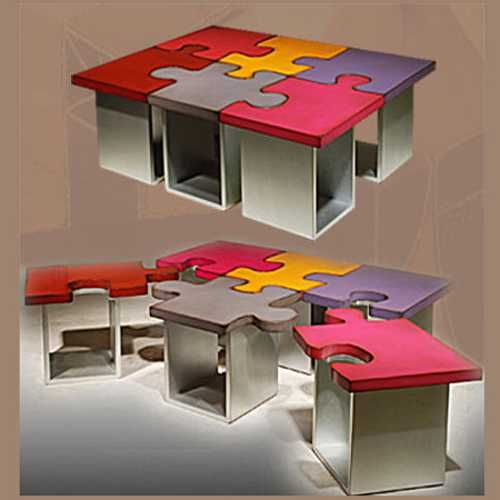
The Rise of Gamified Design in 2026
We are seeing a huge shift toward gamified design across digital platforms. Branding is no longer just a static image on a business card; it is an experience on a smartphone or a website. Brands are now using interactive puzzles within their apps to keep users engaged longer.
| Design Element | How it Functions | Brand Impact |
| Hidden Icons | Small symbols tucked into the main logo. | Increases “brand dwell time” as users look closer. |
| Interactive Loading States | A mini-puzzle that solves itself while a page loads. | Reduces frustration and builds brand personality. |
| Layered Patterns | Backgrounds that reveal a message when scrolled. | Creates a sense of depth and modern tech-savviness. |
| Modular Layouts | Websites that look like a puzzle being put together. | Communicates organization and custom solutions. |
How to Master Creative Brand Design
If you want to use puzzle design inspiration in your next project, you have to find the right balance. If the puzzle is too hard, people will get frustrated or simply miss it. If it is too easy, it won’t feel special.
Keep It Simple
The best puzzle designs are surprisingly simple. They use fewer lines, not more. If you have to explain the hidden meaning to every single person who sees it, the design is probably too complicated. A good puzzle logo idea should be “solved” by the average person in about two to three seconds.
Focus on the Core Message
Don’t add a puzzle just for the sake of it. The “solution” to the puzzle should tell the viewer something about what the business does. If it is a plumbing company, maybe the negative space creates a drop of water. If it is a security firm, perhaps the logo forms a hidden key.
Test with Real People
Before you commit to a gamified design, show it to someone who has never seen it before. Don’t tell them what to look for. Just watch their eyes. If they smile or point at a hidden detail, you know you have hit the mark.
Practical Examples of Puzzle Design
Think about brands that handle logistics, logic, or data. These industries are perfect for puzzle design inspiration. For example, a data analytics company might use a logo that looks like scattered dots coming together to form a clear picture.
In the fashion world, high-end brands often use “monogram puzzles.” They take the initials of the founder and weave them together so tightly that they create a new, unique pattern. This makes the brand feel exclusive and well-thought-out.
Even in the food industry, we see creative brand design using puzzles. A pizza shop might use a logo where the slices form a subtle “P” or a location pin. These small touches show the customer that the brand cares about the details.
Conclusion
Using puzzle design inspiration is one of the most effective ways to build a brand that people actually remember. By focusing on creative brand design and exploring unique puzzle logo ideas, you can create a visual identity that feels both smart and approachable. Whether you are leaning into gamified design or just adding a subtle hidden meaning to a logo, you are giving your audience a reason to look twice.
A great brand is like a great riddle; it is fun to solve and even better to share. If you are looking for more ways to challenge your brain or find more design-related puzzles, check out my website at riddlepuzzle.com. We have plenty of resources to keep your mind sharp and your creativity flowing. Happy designing!
FAQs About Puzzle Branding
Does every brand need a puzzle logo?
No, not every brand should use one. If your brand is about being extremely direct, serious, or urgent—like an emergency room or a legal service—a “clever” puzzle might feel out of place. It works best for brands that want to appear innovative, friendly, or expert.
Is gamified design only for kids?
Not at all. Adults love games just as much as kids do; they just like different kinds of games. In a professional setting, gamified design usually looks like a clean, interactive interface that rewards the user for exploring the site.
How do I start coming up with puzzle logo ideas?
Start by writing down a list of words related to the business. Then, try to draw those objects. Look at the empty spaces inside the drawings. Can you fit a letter there? Can you combine two of the objects into one shape? That is usually where the best ideas come from.
Will a puzzle logo look bad on a small screen?
It can if it is too detailed. The key to good puzzle design inspiration is making sure it works even when it is tiny, like on a social media profile picture. Stick to bold lines and clear shapes.
Is this a trend that will go away?
Cleverness never goes out of style. While specific “looks” might change, the concept of using a puzzle to engage a customer’s brain is a fundamental part of good communication that has worked for decades.