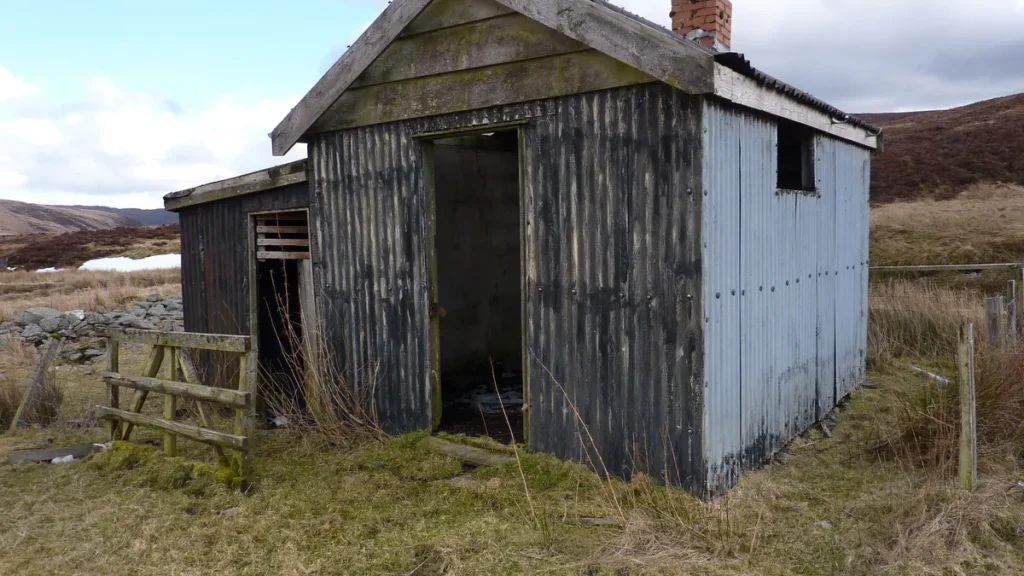
Running puzzle games for 549 players sounds like a job for a whole village. This plan turns an old village violin-maker’s workshop into nine small tables, each built around a real part of a violin, for 549 players in small teams. Nobody needs to know how to make a violin, and nobody needs to play one. Each race asks for careful hands, a sharp eye, and a steady count, and every table works at the same time.
The workshop gives the day its shape. A violin is made from a small number of parts, and each part has one job that can be turned into a short race: purfling to count, a soundpost to fit, a scroll to carve, a curve to measure, holes to count, a height to check, a length to measure, a back to match, and a top to sort. The parts are put out on tables in the workshop and the covered area beside it, with a host calling the moves. Teams of five or six work together, and the points add up across the day.
This plan covers the whole day from the opening welcome to the final tally. It sets out the nine races in order, the time each one takes, the equipment each table needs, and the answers to the questions hosts always get asked. The races work for a community gathering, a club social, or a family day, and they work indoors on a wet afternoon as well as with the workshop open to the sun.
Key takeaways
- Nine short races, one per table, keep all 549 players busy in small teams.
- Every race uses a real part of a violin, from purfling to the spruce top.
- No race needs more than a few minutes, and the whole day runs for about three and a half hours.
- Points come from exact counts and careful fits, not from rushing.
- One host, one tally sheet per table, and a shared final round bring the day together.
How 549 Players Fit Into One Day
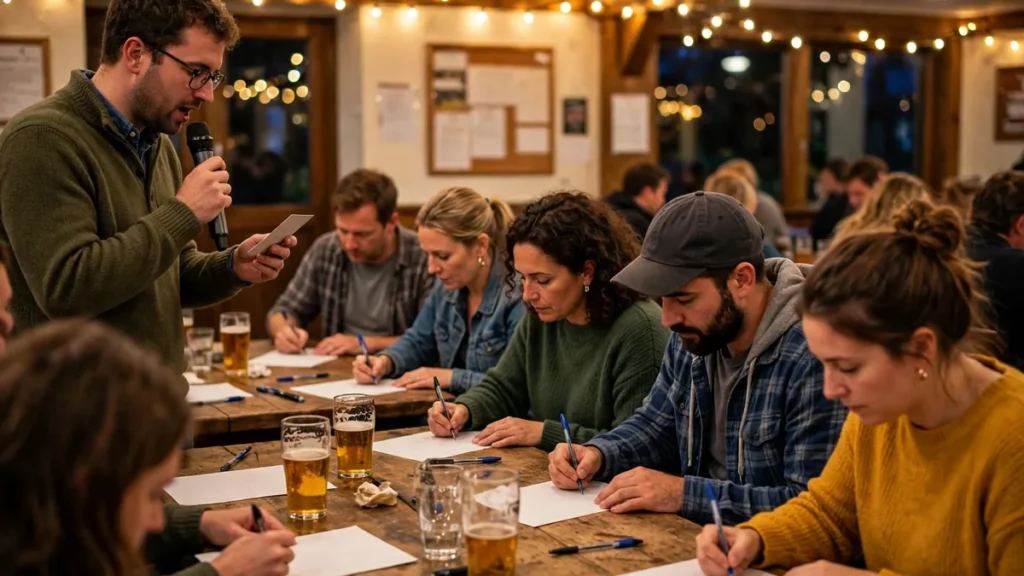
549 players divide into about 100 teams, split across nine tables. Each table runs one race, and each team spends about fifteen minutes there before the host calls the move. With nine tables running at once, every team is always doing something, and the host only needs to watch the time and call the moves. The covered area beside the workshop holds four tables and the workshop itself holds five, and the walk between them is short.
The order matters more than the pace. We run the day the way the brickworks day in our puzzle games for 547 players runs its nine rounds, with every table on the same schedule and a short gap between moves for the tally to be written up. Teams start at different tables, so no table is crowded at the opening, and the host reads the same short briefing at each table. A team that finishes early uses the extra minutes to check its tally sheet and clear its table for the next team.
Points stay simple. A clean win gains ten points, a close second gains seven, and every team that finishes gains at least three. The tally keeper at each table writes the points down as soon as the race ends, and the host reads the running totals aloud after the third, sixth, and ninth moves. That keeps every team in the hunt until the final round.
The Nine Races
1. Purfling Inlay Count Race
Purfling is the thin dark-and-light strip that runs around the edge of a violin top and back, fitted into a narrow channel close to the edge. It looks like decoration, and it is, but it also stops a knock at the edge from running across the plate. Each table gets a plate edge with short lengths of purfling beside it, and the team must count how many lengths run the whole edge, then put them in place in order, light strip beside dark strip, with the ends meeting neatly where the edge turns.
Ten points reward the team whose count is exact and whose ends meet without a gap. The host checks the count against the tally sheet, then looks at the ends with a steady eye. A miscount or an open end costs points. The best teams count aloud in pairs and check the ends twice.
2. Soundpost Fit Race
The soundpost is a small spruce post inside the body of the violin, between the top and the back, just behind the right-hand f-hole. It is only a finger width across, yet it carries the sound from the top to the back and holds the top up. Each table gets a practice body with the top lifted off, a group of posts in different lengths, and a simple tool for standing a post upright. The team must choose the post that stands firm without pushing the top up, fit it in place, and then tap the top gently to hear how it answers.
A post that is too short falls over when the top is tapped, and one that is too long lifts the top and leaves a gap at the edge. The host checks the fit by looking for an even meeting all round and tapping the top to hear a clear answer. Ten points reward the team whose post stands firm and whose top sits even, with extra points for testing two posts and explaining why the second fits better.
3. Scroll Carve Count Race
The scroll is the carved spiral at the head of the neck, and it is the part most people remember. It is cut from one piece of wood, and the spiral turns in on itself in a steady curve. Each table gets a softwood practice block with a scroll outline drawn on it, a group of carving tools, and a finished scroll to study. The team must count the turns of the spiral on the finished scroll, then carve the practice block to match, taking the wood away a little at a time.
The count comes before the carving, because a team that miscounts the turns will carve the wrong shape. The host checks the count, then looks at the carved turns for a steady curve and a clean surface. Ten points reward the team with the right count and the smoothest turns. The host watches the tools throughout.
4. Bout Curve Measure Race
The body of a violin is not one curve but three: the upper bout, the middle bout, and the lower bout, each with its own width. The bouts give the violin its shape, and the maker measures them again and again while the sides are bent. Each table gets wooden patterns for the three bouts and a flexible strip for measuring curves. The team must measure each bout with the strip, write the three measures down, and match each to the right pattern.
Ten points reward the team whose three measures match the patterns most closely. The trick is to hold the strip flat and read the measure at the same point every time. The broom-maker’s workshop day in our puzzle games for 546 players uses the same table rotation, with small teams moving together from one short race to the next, and it works here for the same reason: a short, clear job, a steady measure, and a host who checks the work before the move is called.
5. Tailpiece Hole Count Race
The tailpiece is the dark hardwood piece at the lower end of the body, holding the four lines that run up over the fingerboard. It is fixed to the body by a loop at the end of the instrument, and it carries four small holes, one for each line. Each table gets tailpieces, some with three holes and some with four, and short lines to thread through them. The team must count the holes on each tailpiece, thread a line through each hole, and check that the lines sit in a straight row with even gaps between them.
Ten points reward the team that counts every hole correctly and threads every line without crossing one over another. A crossed line costs points, and a missed hole costs more. The best teams put the tailpieces out in a row, count aloud together, and thread the lines one at a time, checking the gaps with a finger width between each line.
6. Chinrest Height Check Race
The chinrest is the shaped piece on the top of the violin near the tailpiece, giving the player a place for the chin while the instrument is held. It must sit at the right height: too high and it moves, too low and it meets the top and dulls the sound. Each table gets chinrests of different heights, a practice top, and a marked tape. The team must check the height of each chinrest against the marked tape, choose the one that matches the height written on the tally sheet, and fit it so that it sits even and firm.
The host checks the height first, then holds the chinrest down gently to see that it does not move, and looks underneath to see that it clears the top all round. Ten points reward the team whose chinrest matches the height and sits firm, with a point lost for every millimetre the height is out. Teams that do well measure twice: once before they choose the chinrest, and once after it is fitted, because a chinrest can sit a little high on one side if it is not held down evenly.
7. Fingerboard Length Measure Race
The fingerboard is the long dark hardwood board that runs from the head of the neck down over the body, and the four lines run along it. Its length matters: too short and the lines have nowhere to stop, too long and the board crowds the f-holes. Each table gets fingerboards in different lengths, a marked tape, and a pattern board. The team must measure each fingerboard with the tape, write the lengths down, and choose the one that matches the pattern, then check the gentle dip along its top with a straight edge held against it.
Ten points reward the team that chooses the right length and reads the dip correctly. The dip is shallow, only a finger width at its deepest, and a hasty team will miss it or read it at the wrong place. The host checks the measure against the pattern board, because a tape that sags in the middle adds a little to every measure. Steady hands and a second reading win this race more often than hasty hands do.
8. Maple Back Match Race
The back of a violin is usually made from maple, and the best backs are cut from one piece of wood split down the middle and opened like a book, so the grain on each side matches. This is called a book-matched back, and a maker can see a good match at a glance. Each table gets a pile of maple halves, some that match and some that do not, and the team must pair them by the grain. The grain runs in wavy lines, and a real pair has the same waves in the same places on both halves.
Ten points reward the team that makes the most real pairs in the time allowed. A pair that only looks close at an early glance will fail when the host holds the halves side by side and the waves do not line up. The best teams sort the halves into rough groups by the width of the waves, then check each pair wave by wave before they put it down. It is a quiet race, and the teams that talk least and look most usually win it.
9. Spruce Top Sort Race
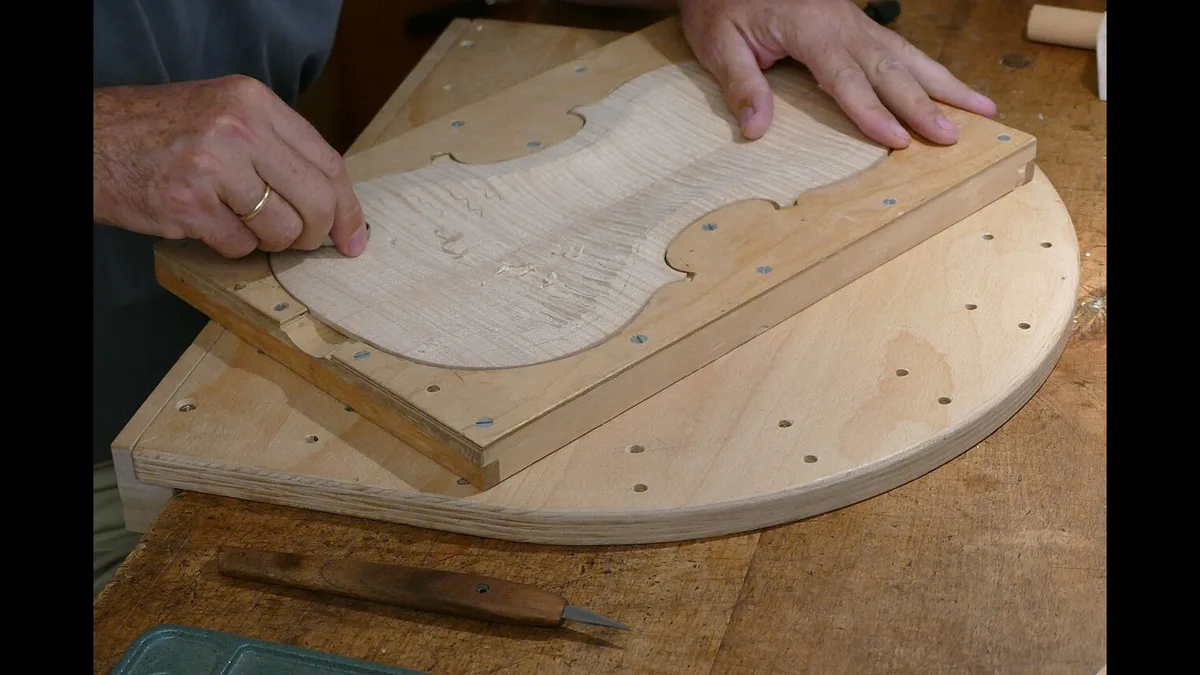
The top of a violin is usually spruce, a pale wood with fine straight grain running from one end of the plate to the other. The grain tells the maker how the top will sound: fine even grain for a clear voice, wider grain for a softer one. Each table gets a pile of spruce tops with grain of different widths, and the team must sort them from the finest grain to the widest, laying them out in a row in order. The team must also check the graduation of each top, the way the wood thins towards the edges, by holding it up to the light and feeling it with a finger and thumb.
Ten points reward the team whose row runs in correct order from finest to widest, with a point lost for every top that sits out of place. The graduation check gains extra points: a team that can say which top is thinnest at the edge and which is thickest proves it has understood the wood. When the host calls time, the row stays put for the next team to see, because the closing race of the day also proves the most about how a violin is made.
The Day in Order
Each race runs for fifteen minutes, with five minutes between races for the move and the tally. The opening welcome takes twenty minutes, the midday break takes thirty, and the final tally takes fifteen, bringing the whole day to about three and a half hours.
| Race | Minutes | Points for a clean win |
|---|---|---|
| Purfling Inlay Count Race | 15 | 10 |
| Soundpost Fit Race | 15 | 10 |
| Scroll Carve Count Race | 15 | 10 |
| Bout Curve Measure Race | 15 | 10 |
| Tailpiece Hole Count Race | 15 | 10 |
| Chinrest Height Check Race | 15 | 10 |
| Fingerboard Length Measure Race | 15 | 10 |
| Maple Back Match Race | 15 | 10 |
| Spruce Top Sort Race | 15 | 10 |
What You Need
The Roman villa day in our puzzle games for 544 players shows the same idea at a different venue, with nine short rounds and a shared tally, and the list below follows the same pattern: one tally sheet per table, one marked tape per table, and enough practice pieces that no team ever waits. Gather everything the evening before, arrange each table in order, and walk the round once yourself.
- One tally sheet per table, with the nine races in order and room for the points.
- One marked tape per table, checked against a master tape.
- Extra plates, strips, posts, and tailpieces for every race.
- A host with a loud voice and a timekeeper who calls each move on time.
- A list of team names read aloud at the start, so every team knows its table.
- Water and a hot drink for the midday break, with first-aid supplies close by.
Frequently Asked Questions
How long does the whole day take?
The whole day takes about three and a half hours. The nine races take fifteen minutes each, the moves take five each, the welcome takes twenty, the midday break takes thirty, and the final tally takes fifteen. If your group is short on time, cut one race from the middle and keep the opening and closing races.
What if a table has fewer than five players?
A table with three or four players works just as well. Give the smaller team a little more time at the counting races, and let the host lend a hand at the carving race, where the work is best done in pairs. The points stay the same, because the races reward careful work rather than the number of hands.
Do we need real violins?
No, and it is better not to use them. Every race uses practice pieces, offcuts, and unfinished parts, which are cheaper and tougher than a finished instrument. Ask the workshop for offcuts and practice plates before the day, and keep one finished violin placed at the host table so players can see what the parts become.
Can children take part?
Children from about ten years old take part happily, as long as each team has at least two adults. The carving race needs the closest watching, because the tools are sharp, so put an adult on that table for the whole round. The sorting and matching races suit younger players well.
What happens if two teams finish even on points?
If two teams finish even on points, the host runs one short tie-break: the Spruce Top Sort Race, run again with a fresh pile of tops and a five-minute limit. The team that sorts the most tops into correct order wins. If the two teams still stand even, the team with the most clean wins across the nine races takes the day.
Can we run fewer than nine races?
Yes. If you need a shorter day, run seven races and drop the Bout Curve Measure Race and the Chinrest Height Check Race, which need the most equipment. Keep the opening race and the closing race, and tell the teams at the welcome which races you have dropped.
The Bottom Line
A violin-maker’s workshop turns out to be a fine place for a big group day, because every part of a violin has one clear job and every job can be turned into a short race that rewards care. Nine tables, nine races, one host, and one tally sheet per table keep 549 players busy for an afternoon. Arrange the equipment out the evening before, walk the round once yourself, and let the wood do the talking: count it, fit it, measure it, match it, and sort it.