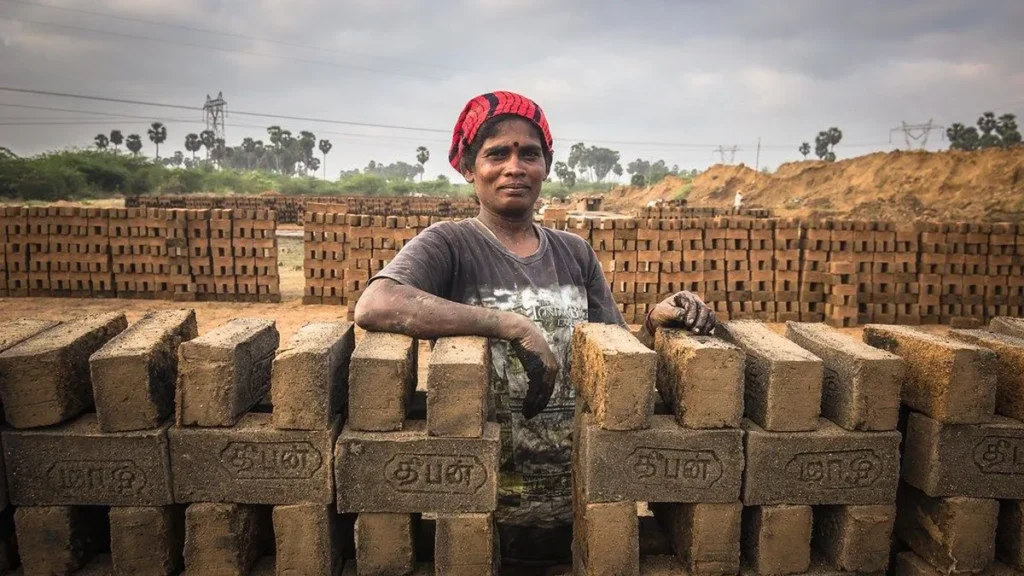
Running puzzle games for 547 players takes a clear shape, a big open yard, and 9 races that anyone can join. An old village brickworks gives the day its shape: piles of fresh bricks, piles of fired bricks, and a wide yard of dirt where 55 groups can move from post to post. Each group has 10 players, except for a single group of 7, and each group visits all 9 posts before the day ends.
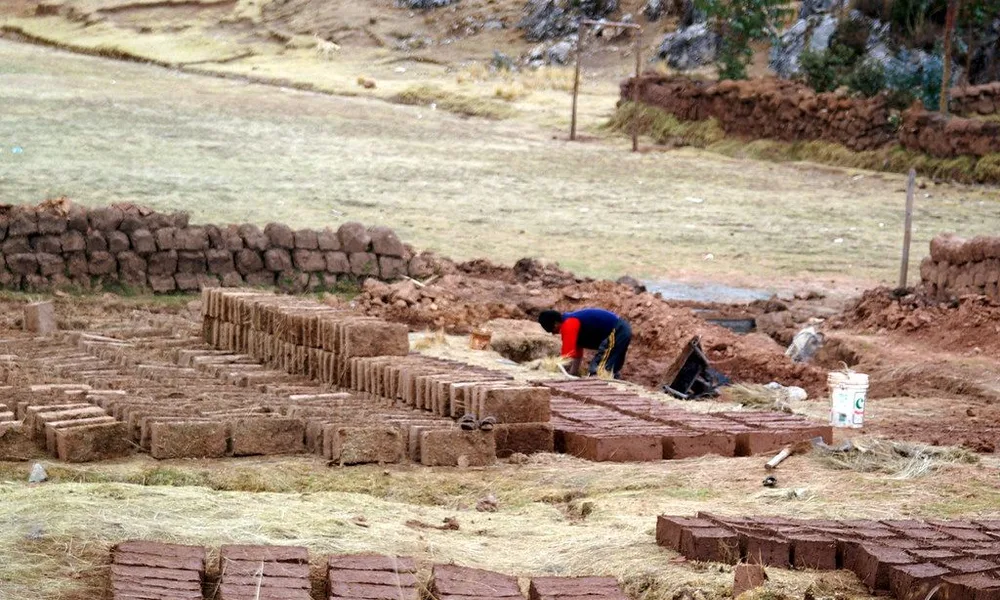
The brickworks works well because every race uses the same simple things: bricks, trays, wooden panels, and a tally. Players count bricks, measure bricks, sort bricks by colour, weigh bricks, and match bricks by edge. No race needs a player to know about bricks first. A player who has never held a brick can still count, sort, and match as well as anyone else, and the tally keeper at each post keeps the tally fair.
This plan walks through the whole day, from the first call in the morning to the bottom line at the end of the afternoon. It covers the 9 races, a short summary of each race, the movement of 55 groups, a short checklist, and answers to 6 questions that come up most often.
Key takeaways
- 547 players form 55 groups: 54 groups of 10 and a single group of 7.
- 9 posts hold 9 races, and each group visits every post once.
- Every race uses bricks, trays, wooden panels, and a tally.
- Each race takes about 12 minutes, with a midday pause for food.
- The tally keeper at each post keeps the tally, so no group needs to keep its own tally.

How 547 Players Fit Into One Day
The day works because the 547 players never come together in one place at one time. They form 55 groups, and each group starts at a different post. When the host calls, each group moves to the next post, and the groups keep moving until every group has visited all 9 posts.
Each race takes about 12 minutes, and the move between posts takes about 3 minutes. That gives about 15 minutes per post, or about 135 minutes for all 9 posts. Add a midday pause for food, and the whole day takes about 240 minutes from the first call to the end of the afternoon. Our puzzle games for 544 players, which take place in a Roman villa, run on the same 9-post shape, with each post holding a different race, and the same shape works here for 547 players.
The tally keeper at each post writes the tally on a panel that all players can see. Groups do not carry a tally from post to post, which keeps the day simple: a group arrives, runs the race, sees its tally written on the panel, and moves on.
The 9 Brickworks Races
| Race | What players do | Tally |
|---|---|---|
| Brick Length Count Race | Count the bricks that reach the full length | Correct count |
| Brick Width Measure Race | Measure width and put bricks into 2 groups | Correctly grouped bricks |
| Brick Colour Sort Race | Sort a mixed pile into 4 colour groups | Correctly sorted bricks |
| Brick Weight Check Race | Say whether each brick weighs more or less | Correct calls |
| Brick Edge Match Race | Put bricks with the same edge together | Correct pairs of edges |
| Brick Pallet Order Race | Order 5 pallets from fewest bricks to most bricks | Correct order |
| Brick Header Count Race | Count the headers in a short run of brickwork | Correct count |
| Brick Quoin Match Race | Match each quoin with the end where it fits | Correct matches |
| Brick Coping Fit Race | Choose the coping brick that fits each low boundary | Correct choices |
1. Brick Length Count Race
Each post holds a tray of 40 bricks, and the bricks are not all the same length. Some reach the full length, and some come up short by a small amount. The group works together to count how many bricks reach the full length, and the tally keeper writes the count on the panel. A wooden panel with scratches gives the group something to compare with: a brick that reaches the longest scratch counts as full length, and a brick that comes up short does not count.
The race rewards a steady look rather than a fast look. Players lift each brick, hold it beside the panel, and compare it with the longest scratch before they put it down. A group that hurries will miss a short brick or count a short brick as full length, and the tally will show it.
2. Brick Width Measure Race
Each post holds a tray of 30 bricks, and the bricks vary in width. The group measures each brick against a wooden panel with 2 scratches, one for the wide group and one for the thin group. A brick that reaches the first scratch belongs in the wide group, and a brick that comes up short belongs in the thin group. The tally is the number of bricks that end up in the correct group.
Width is harder to judge than length, because the gap between a wide brick and a thin brick can be small. Players hold each brick flat against the panel and look at it from above, so the edge of the brick meets the scratch. That extra look keeps the tally fair.
3. Brick Colour Sort Race
Each post holds a mixed pile of 48 fired bricks in 4 colours: red, brown, pale, and grey. The group sorts the pile into 4 groups, one for each colour, and the tally is the number of bricks that end up in the correct colour group. The bricks are all the same shape, so colour is the only thing that tells them apart, and players must look at each brick in daylight before they put it down.
Some bricks sit between 2 colours, and those bricks cause the most discussion. A red brick that has faded to brown, or a grey brick with a warm brown tint, can divide a group into 2 sides. The tally keeper settles those bricks by holding them beside a brick of each colour, so the group can see which colour is closest.
4. Brick Weight Check Race
Each post holds a tray of 20 bricks, and the bricks look alike but do not weigh the same. Some weigh more because they hold more clay, and some weigh less because they spent longer in the open yard. The group lifts each brick, compares it with a marked brick, and says whether it weighs more or less than the marked brick. The tally is the number of correct calls.
The marked brick sits on the panel as the example for the whole race. Players lift the marked brick first, and then they lift the next brick and compare the 2 weights. That extra lift often settles the call.
This race needs stillness more than any of the other 8 races, because players need to feel the weight without distraction. The tally keeper asks for quiet while each brick is lifted, and the group waits until the call is made before moving to the next brick.
5. Brick Edge Match Race
Each post holds a tray of 24 bricks, and the bricks have edges that are even or uneven. Some edges are straight and even, and some edges are uneven along their length. The group puts bricks with the same edge together, so bricks with an even edge sit together and bricks with an uneven edge sit together. The tally is the number of bricks that end up with the correct edge group.
The tally keeper checks each group at the end, and any brick in the wrong group costs the group 1 on the tally.
The race rewards players who take their time with each brick. A steady group will check each brick twice, once by look and once by feel, and that extra check is what separates the leading groups from the groups behind them. The edge race is also a good race for younger players, because it needs care rather than strength.
6. Brick Pallet Order Race
Each post holds 5 pallets, and each pallet holds a pile of bricks. The piles do not hold the same number of bricks: one pallet holds the fewest bricks, one holds the most bricks, and the other 3 sit between them. The group orders the 5 pallets from fewest bricks to most bricks, and the tally is the number of pallets that end up in the correct place in the order.
Counting every brick on every pallet would take too long, so the group must judge by look and by a short count of one row. Players count the bricks in the top row of each pallet, then multiply by the number of rows they can see, and that gives a rough count for each pallet.
The race rewards a group that works out a method before it starts counting. A group that counts the top row of all 5 pallets first, and then compares the counts, will order the pallets faster than a group that counts a single pallet fully before moving to the next.
7. Brick Header Count Race
A header is a brick placed across the width of a run of brickwork, so its short end is visible. Each post holds a short run of brickwork with headers mixed in among the other bricks, and the group counts how many headers appear in the run. The tally is the correct count, and the tally keeper checks the count before writing it on the panel.
Headers are hard to see, because a header looks like any other brick from above. Players must look at the end of the run, where the short ends are visible, and count each short end they can see. That shared count keeps the group from counting the same header twice or missing one at the far end.
The race is short, but it needs steady movement. The best groups divide the run into 2 halves, count each half separately, and then add the 2 counts together. That way, the count is checked twice without using extra time.
8. Brick Quoin Match Race
A quoin is a brick that finishes the end of a run of brickwork, and each quoin has a shape that fits only a single end. Each post holds a tray of 12 quoins and a panel with 12 ends, and the group matches each quoin with the end where it fits. The tally is the number of correct matches, and the tally keeper checks each match before writing the tally on the panel.
Quoins vary in small ways: some are a little longer, and some are a little thicker. Players hold each quoin against the ends on the panel, one after another, until they find the end that fits it best. That extra try often shows that one end fits neatly and the other does not.
This race is the most careful of the 9, and it is good for players who like to work out a puzzle rather than hurry. A group that sorts the quoins first by length, and then by thickness, will match them faster, and that leaves time to check each match before the race ends.
9. Brick Coping Fit Race
A coping brick caps the top of a low boundary, and each coping brick has a shape that fits only a single boundary. Each post holds a tray of 10 coping bricks and 10 low boundaries in miniature, and the group chooses the coping brick that fits each boundary. The tally is the number of correct choices, and the tally keeper writes the tally on the panel when the group is done.
Some coping bricks look alike at first glance, but their undersides tell them apart. Some have a flat underside, and some have a curved underside. Players look at the underside of each coping brick, compare it with the top of each boundary before they choose.
The coping race ends the day, and it is a good end to the day because it is still and careful after 8 faster races. Players who are tired from the earlier races can still do well here, because the race rewards a careful look rather than haste.
Running the Day
The host starts the day by gathering the 55 groups in the open yard and explaining the 9 races in a few short sentences. The first race starts when the host calls, and the groups move on the next call, so no group needs to count minutes for itself.
Water stands at the centre of the yard, so every group passes it between posts. The host keeps the water full through the day, and groups are asked to drink before they feel thirsty, because a day in the open yard with bricks is hard work. Our puzzle games for 541 players, which take place in a glove-maker’s workshop, use the same small-group movement, with each group moving from post to post, and the same water station in the middle of the yard keeps the day moving.
After the 9th race, the groups come together again in the open yard, and the host reads out the tally for each group from the panels. The group with the highest tally across all 9 races stands as the leading group, and the host thanks every group for the day.
Checklist
Use this checklist before the first call, so nothing is missing when the groups arrive.
- 9 posts, each with a number that all players can see from across the yard.
- A tray of bricks for each race, counted out before the day starts.
- A wooden panel with scratches for each race that needs measuring.
- A tally panel and a tally keeper at each post.
- Water at the centre of the yard, enough for 547 players.
- A midday pause with food, and a person who knows first aid near the yard through the day.
Frequently Asked Questions
How long does the day take?
The day takes about 240 minutes from the first call to the end of the afternoon. Each race takes about 12 minutes, the move between posts takes about 3 minutes, and the midday pause for food takes about 45 minutes.
Can younger players take part?
Yes, younger players can take part, and the edge race and the coping race are best for them, because those races need a careful look rather than strength. Our puzzle games for 538 players, which take place in a mushroom house, answer the same question for a smaller yard, and the answer is the same: younger players join in with an adult beside them, and the group shares the work so no player is left out.
What if the yard turns wet?
The races go on if the yard turns wet, because bricks, trays, and panels all work in the wet. The tally keeper covers the tally panel while the group is away, and the groups move a little more slowly between posts so everyone moves with care on the dirt.
Do players need to know about bricks first?
No, players do not need to know about bricks first. Each tally keeper explains the race at the post, shows the group the bricks, and answers questions before the race starts.
How many workers does the day need?
The day needs 9 tally keepers, one at each post, plus the host and a person who knows first aid. The host keeps the groups moving on time, and the person who knows first aid stays near the water at the centre of the yard.
What happens if 2 groups end with the same tally?
If 2 groups end with the same tally, the host looks at the tally for the coping race, which is the 9th race, and the group with the higher tally in that race stands ahead. If the coping tallies are also the same, the host looks at the tally for the quoin race, and then at the tally for the header race, until one group stands ahead.
The Bottom Line
A brickworks yard, 9 races, and a clear tally are enough to run puzzle games for 547 players in a single day. The groups move from post to post, the tally keepers keep the tallies, and every player gets to count, measure, sort, weigh, and match bricks.
Start with the checklist, gather the groups in the open yard, and let the 9 races do the work. That is the whole day, and it works because the shape is simple: 55 groups, 9 posts, 9 races, and one tally that everyone can see.