Screen time fatigue is real. If you are looking for fresh family puzzle night ideas that don’t involve staring at a television or a tablet, it is time to build something with your own hands. Creating a homemade riddle game is one of the most rewarding ways to bring everyone together, spark a bit of healthy competition, and give your brains a genuine workout.
The beauty of a diy riddle game is that it is entirely customizable. Whether you have seven-year-olds who love simple wordplay or teenagers who pride themselves on solving complex logic traps, you can tailor the difficulty to perfectly match your family’s dynamic.
Here is exactly how to design, build, and host the ultimate diy brain teaser game right from your dining room table.
Phase 1: Choosing Your Game Format
Before you start writing down clues, you need to decide how your family will interact with the game. Different age groups thrive under different structures.
The Escape Room Style (Best for Older Kids & Teens)
Turn your living room or kitchen into a locked zone. In this format, solving one riddle reveals a hidden key or a code word that unlocks the next clue. The ultimate goal is to solve the final riddle to “escape” or find a hidden prize before a timer runs out.
The Scavenger Hunt Style (Best for Younger Kids)
This is a highly physical format where each riddle describes a common household object. When players solve the riddle (e.g., “I have a face but no eyes, and hands but no arms”), they must sprint to that object (a clock) to find the next hidden slip of paper.
The Classic Trivia Board Style (Best for All Ages)
Draw a simple path on a piece of cardboard with different colored spaces. Each color represents a category: Lateral Thinking, Classic Riddles, Visual Puzzles, or Wordplay. Players roll a die, land on a space, and must solve a riddle card drawn by the opposing team to keep moving forward.
Phase 2: Writing and Sourcing Your Clues
A game is only as good as its content. To keep things interesting, you want a healthy mix of different styles so every family member can shine.
1. Rhyming Word Riddles
These are excellent for keeping a steady pace and work beautifully for scavenger hunts.
-
Example: “I am full of holes but I can still hold a massive amount of water. What am I?”
-
Answer: A sponge.
2. Double-Meaning Wordplay
These challenge players to look past the literal definition of words.
-
Example: “What has one eye but cannot see anything at all?”
-
Answer: A needle.
3. Lateral Thinking Puzzles
These require your family to ask “yes or no” questions to piece together a strange scenario.
-
Example: “A man pushes his car up to a hotel and immediately realizes he is completely bankrupt. Why?”
-
Answer: He is playing Monopoly.
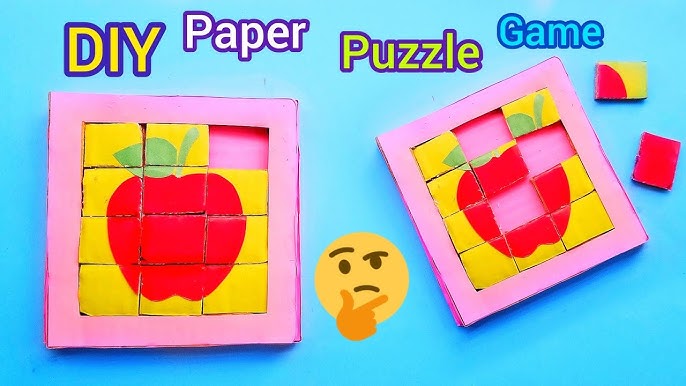
Phase 3: The Step-by-Step Build
Once you have your format and your clues ready, it’s time to assemble the physical pieces of your game.
Phase 4: Hosting Secrets for a Flawless Game Night
As the creator of the game, you will likely act as the “Game Master.” How you run the evening determines how much fun everyone has.
-
Establish a Hint Currency: If a team gets completely stuck, the energy in the room drops. Give each team three “Hint Tokens” at the start of the night. They can trade a token for a subtle clue from the Game Master, keeping the game moving forward without giving away the answer.
-
Set the Ambience: Turn down the overhead lights and use lamps or candles to create an intriguing atmosphere. If you are running a mystery or escape style game, play a cinematic, instrumental soundtrack quietly in the background.
-
Balance the Teams: If you are splitting into groups, make sure adults or older siblings are distributed evenly so the younger kids don’t feel outmatched by a team of older minds.
Conclusion: Crafting Lasting Memories
Building a diy riddle game takes a small investment of time, but the payoff is an unforgettable evening filled with laughter, teamwork, and genuine mental breakthroughs. It moves family night away from passive consumption and turns it into an active, collaborative adventure.
Do you have a favorite family riddle that always stumps your guests, or a clever game mechanic we should try? Be sure to bookmark riddlepuzzle.com for an endless supply of brain teasers, logic puzzles, and creative inspiration to fuel your next event.
Frequently Asked Questions (FAQ)
What age is a DIY riddle game best for?
A homemade riddle game can be adapted for any age from five years old up to adults. The secret is adjusting the complexity of the questions. Younger kids excel at concrete object riddles, while teenagers and adults enjoy abstract lateral thinking puzzles.
How many riddles do I need for a full game night?
For a solid 45-to-60-minute game night, aim to have between 15 and 20 riddles prepared. This allows for plenty of discussion time between questions without the game feeling rushed or ending too quickly.
Can I make this game if I am playing along too?
Yes. If you want to play instead of hosting, use a trusted online resource like riddlepuzzle.com to print out a pre-made set of cards. Fold the answers inside the cards without reading them beforehand so the solutions remain a surprise for everyone.
What are some good prize ideas for the winning team?
Keep prizes focused on family experiences rather than expensive items. Great rewards include choosing the menu for the next family dinner, skipping chores for a weekend, or getting to pick the movie for the next family movie night.