We all know how important it is to keep our bodies moving as we get older, whether that’s a morning walk down the block or a bit of light stretching in the living room. But our minds need that exact same level of daily movement. The old saying “use it or lose it” isn’t just a catchy phrase—it’s the absolute truth when it comes to staying clear-headed, independent, and quick on your feet.
The great news is that keeping your brain fit doesn’t have to feel like going back to school. At riddlepuzzle.com, we love the lighter side of mental fitness.
Challenging yourself with brain teasers for seniors is a wonderful, zero-stress way to test your memory recall and give your mind a joyful workout. Let’s look at why a little bit of daily mental play works so well, talk about easy ways to build a habit, and run through some classic memory puzzles adults and seniors can enjoy together.
The Simple Science of Staying Sharp
For a long time, people assumed the brain was like a concrete block—fully formed in youth and slowly chipping away over time. We now know that’s completely wrong.
Our brains are actually remarkably flexible, possessing an ability called neuroplasticity. This is just a fancy word for the brain’s capacity to grow, adapt, and rewrite its internal wiring at any age. Whether you are 18 or 88, your brain is fully capable of learning new tricks and building stronger pathways.
Think of it like choosing a new route on your afternoon walk. If you always walk the exact same path, you could practically do it with your eyes closed. Your brain does the same thing with daily habits. When you throw a strange riddle or an unfamiliar logic game into your day, you force your mind to pave a brand-new road.
Neurologists often call this building a “cognitive reserve.” It’s essentially a safety cushion for your intellect. The more you challenge your mind today with simple, engaging senior brain exercises, the better your mental stamina will be down the line. Plus, there’s a fantastic emotional bonus: finally cracking a tough puzzle gives you a genuine rush of satisfaction that brightens up your whole afternoon.
5 Types of Mental Workouts to Keep Things Fresh
To get the most out of your mental workouts, it helps to mix things up. You wouldn’t want to eat the exact same meal every day, and your brain doesn’t want the exact same puzzle either. Rotating through different types of elderly mind games keeps multiple parts of your intellect active.
1. Word Games and Language
These are excellent for keeping your vocabulary sharp and preventing those annoying “it’s on the tip of my tongue” moments. Crosswords, word searches, and word-association games force your brain to quickly dig through its massive lifetime library to pull out definitions, spellings, and connections.
2. Logic and Number Puzzles
Don’t worry, nobody is grading you on high school algebra here. Simple number patterns and deduction games, like Sudoku or basic math riddles, are fantastic for your “fluid intelligence.” This is the part of your mind that solves fresh, unexpected problems and keeps your reasoning skills sharp.
3. Visual and Spatial Challenges
These games ask your eyes and your brain to work together to map spaces and shapes. Jigsaw puzzles are the classic example, as are “spot the difference” drawings. They require close focus and keep your spatial awareness intact, which is incredibly useful for everyday tasks like navigating crowded spaces or driving.
4. Short-Term Memory Drills
Your short-term memory acts like a temporary digital sticky note. It’s what helps you remember a grocery list of four items without writing it down, or recalls the name of a neighbor you just ran into. Matching card games, repeating sequences, and multi-step riddles give this specific area a great tune-up.
5. Creative Lateral Thinking
Lateral thinking is a fancy term for looking at a problem sideways. These are the classic trick questions where the obvious answer is wrong, and the real answer makes you laugh once you realize the trick. They break your mind out of its predictable ruts and encourage true mental flexibility.
Matching the Game to Your Goal
If you want to focus on a specific area of your day-to-day thinking, here is a quick guide to how different styles of play match up with your brain’s natural layout:
| Type of Activity | What It Targets | Daily Benefit | Good Starting Goal |
| Clever Riddles | Creative Problem Solving | Helps you think on your feet | 3 to 5 riddles a day |
| Sudoku & Logic Grids | Pattern Recognition | Keeps analytical reasoning sharp | 1 puzzle after lunch |
| Crosswords & Word Jumbles | Vocabulary Retrieval | Stops the “tip of the tongue” delay | A few pages in the morning |
| Jigsaw Puzzles | Visual Processing | Strengthens coordination and focus | 20 to 30 minutes of unwinding |
| Card Matching Games | Short-Term Recall | Helps remember names and lists | 10 to 15 minutes of play |
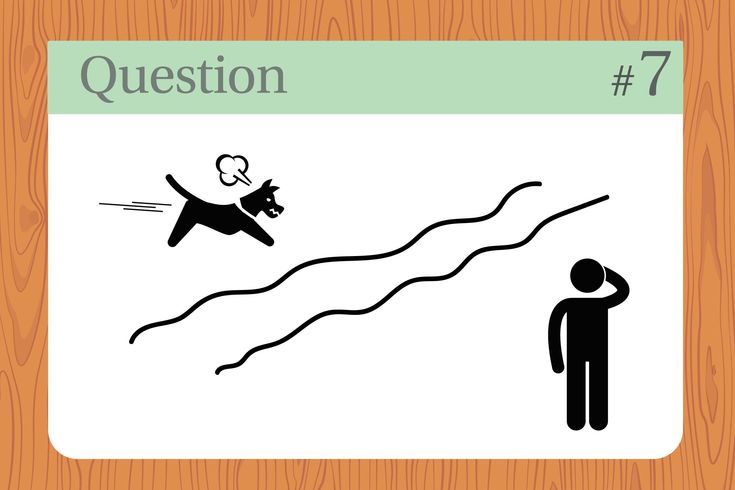
Let’s Play: 8 Riddles to Try Right Now
Nothing beats hands-on practice. Grab a quiet moment, read through these carefully, and see how many you can solve. Don’t rush—the fun is in the process of guessing!
Group 1: Having Fun with Words
These are all about shifting your perspective on common language.
-
Riddle 1: I have keys but can’t open a single door. I have space but there’s no room to move. You can enter, but you can’t walk outside. What am I?
-
Answer: A computer keyboard.
-
-
Riddle 2: Which word in every English dictionary is always spelled incorrectly?
-
Answer: The word “Incorrectly.”
-
-
Riddle 3: I am as light as a feather, yet even the strongest person alive can’t hold me for much longer than five minutes. What am I?
-
Answer: Your breath.
-
Group 2: Shifting Your Perspective
Take these literally, and look out for the hidden twists.
-
Riddle 4: A man pushes his car up to a hotel, takes one look at the building, and immediately tells the owner he is completely bankrupt. Why?
-
Answer: He’s playing a game of Monopoly.
-
-
Riddle 5: What has a distinct head and a tail, but absolutely no body in between?
-
Answer: A coin.
-
-
Riddle 6: A grandfather, two fathers, and two sons all went fishing together. They caught exactly three fish, yet when they got home, everyone had a whole fish to eat. How did they manage that?
-
Answer: There were only three people on the trip: a grandfather, his son, and his grandson. The man in the middle is both a father and a son!
-
Group 3: Pay Close Attention
Try to picture the scene in your mind before jumping to a conclusion.
-
Riddle 7: If you are running a race and you sprint past the person who is currently in second place, what place are you in now?
-
Answer: You are in second place. (You didn’t pass the leader; you just took over the second spot!)
-
-
Riddle 8: Mary’s father has five daughters: Nana, Nene, Nini, and Nono. What is the name of his fifth daughter?
-
Answer: Mary. (The clue is right at the start of the sentence!)
-
Setting Up a Relaxing Daily Routine
You don’t need to turn your home into a strict study hall to see the benefits of these games. In fact, if you force yourself to do a puzzle you hate, it defeats the purpose. The trick is to weave small bits of mental play into the natural flow of your day.
-
With Your Morning Routine: Keep a puzzle book or your tablet near the kettle or breakfast table. Spending 10 minutes working through a word search or reading a few riddles with your morning coffee is a great way to wake up your mind and start the day clear and focused.
-
To Break Up the Afternoon: Mid-afternoon is when most of us feel a little sluggish. Instead of turning on the television or taking a long nap, spend 15 minutes with a Sudoku puzzle or a logic grid. It gently restarts your mental engine and carries you through to dinner.
-
Make It Social Whenever You Can: Puzzles are great alone, but they are spectacular with friends or family. Playing card games, working on a jigsaw puzzle on the dining table with a neighbor, or testing each other with riddles creates a wonderful shared experience. Conversing and laughing with others is one of the single best brain exercises available.
Keep the Curiosity Alive
At the end of the day, keeping your mind sharp isn’t about being perfect or getting every single riddle right on the first try. It’s entirely about the effort of trying to find the path. It’s about staying curious, keeping a sense of humor when a trick question fools you, and refusing to let your thinking become routine.
Whether you enjoy picking up a pen and working through a printed crossword puzzle or checking in with us at riddlepuzzle.com to see our latest brain games, you are making a fantastic investment in your own clarity, confidence, and happiness. Keep asking questions, keep playing, and above all, keep having fun with it!
Frequently Asked Questions
Can solving brain teasers prevent things like memory loss or dementia?
It’s important to be realistic: puzzles are a fantastic tool, but they aren’t a medical cure-all for conditions like Alzheimer’s. However, decades of research show that regularly challenging your mind builds up that “cognitive reserve” we talked about. This makes your brain much more resilient, helping you stay independent, sharp, and focused for longer.
What is the best type of puzzle to start with if I’m rusty?
The honest answer? Whichever one you enjoy most. If you try a puzzle and it makes you feel anxious or bored, set it down. Start with something simple and familiar—like a classic word search or a few lighthearted riddles—and slowly try new styles as you get your confidence back.
How much time should I spend on these games every day?
You really only need about 20 to 30 minutes a day to see a difference. It’s much better to do a quick 15-minute puzzle every morning than to sit down for four hours straight once every two weeks. Consistency is what keeps the mind supple.
Are tablet and smartphone games better than paper puzzle books?
They both have their advantages. Printed books are wonderful because they don’t give off glare and allow your eyes to take a break from digital screens. On the other hand, digital games can adjust their difficulty based on how well you’re doing, ensuring you’re always getting a fair challenge without getting stuck.
How do I know if a puzzle is a good fit for me?
Look for the “goldilocks zone.” If a game is so easy you can finish it without thinking, it’s not doing much for you. If it’s so incredibly complicated that you feel frustrated, it’s just causing unnecessary stress. You want something that makes you stop and think, but gives you that wonderful “aha!” feeling when you finally crack it.