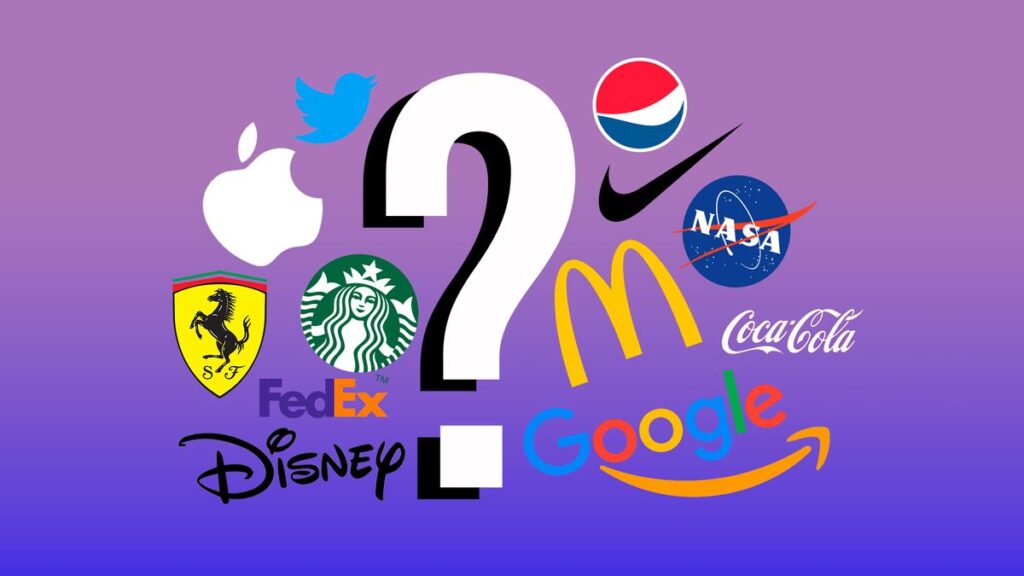
Testing your corporate knowledge goes far beyond staring at standard graphic designs or tapping multiple-choice buttons on a smartphone screen. If you are ready to challenge your visual and conceptual analytical faculties, engaging with a structured guess the logo puzzle collection is the ultimate way to train your mind. If you love expanding your cognitive boundaries with creative design challenges, lateral thinking games, and expert-level brain teasers, explore the vast collection over at Riddlespuzzle to discover your next favorite mental challenge.
Instead of relying purely on visual recognition, this custom logo quiz game uses wordplay, historical references, and structural metaphors to hide iconic global trademarks inside clever text traps. For this reason, you cannot simply skim through the clues. You must dissect each sentence systematically to uncover the global corporate identity hidden beneath the text.
Whether you are a marketing professional looking to evaluate your industry knowledge or a puzzle enthusiast hunting for a fresh logic challenge, these brand riddles are designed to break your standard pattern-matching habits.
The Cognitive Link Between Corporate Logos and Language
To understand why a conceptual visual puzzle format is so effective, you must analyze how modern branding works. Companies spend millions of dollars ensuring their physical icons trigger instant subconscious associations in your brain. For example, a simple curved line or an abstract geometric shape immediately brings to mind specific products, color schemes, and cultural ideas.
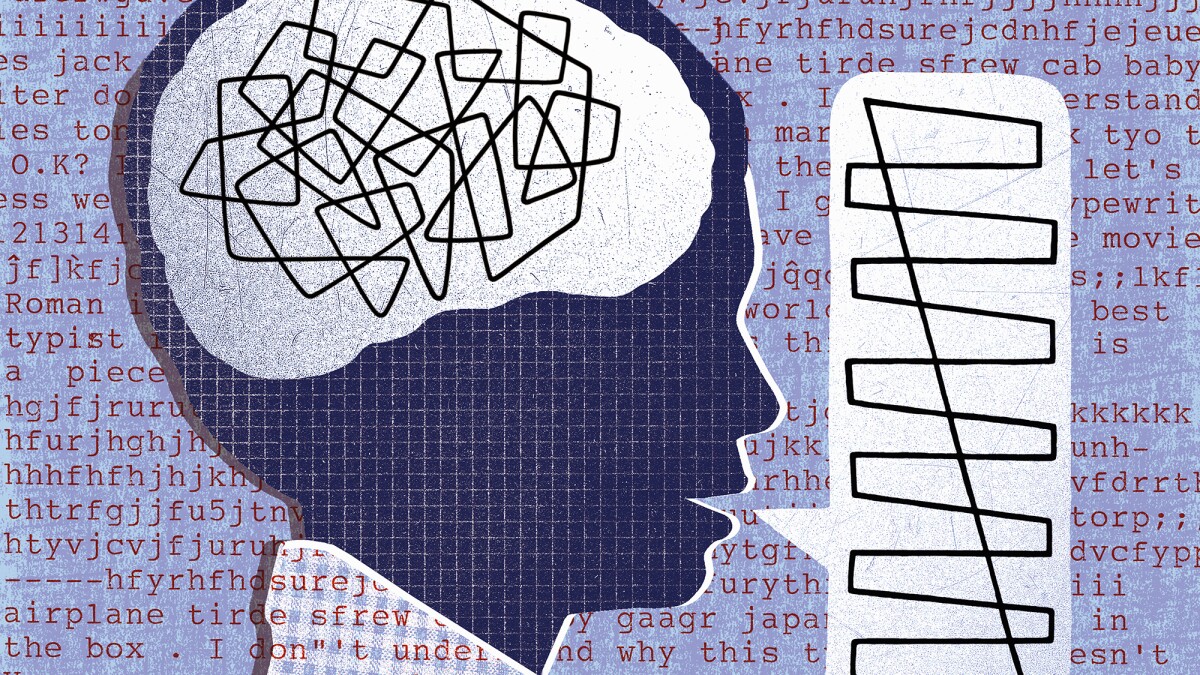
Consequently, when these visual icons are stripped away and translated into company name riddles, your brain undergoes a process called cross-modal translation. You are forced to take your visual memories of a corporate brand and match them against linguistic descriptions.
Furthermore, because these descriptions focus on the literal meaning of the icon or the history of the enterprise, they create unique cognitive blind spots. Therefore, the secret to dominating this challenge is to visualize the actual physical badge being described rather than looking for standard vocabulary definitions. You can even cross-reference how these marks are protected by searching through official global trademark registration databases.
The 12-Brand Riddle Challenge Matrix
To guide you through this comprehensive logo quiz game, we have arranged twelve premium corporate puzzles based on their structural complexity and historical solve rates.
1. The Dynamic Swoosh
I am a single, fluid arc that implies rapid motion, speed, and victory. My physical shape looks exactly like a checkmark, and I am named after an ancient Greek goddess who presided over competitive triumphs. What brand am I?
-
The Unexpected Answer: Nike.
-
Why It Hooks You: Your brain often associates sports equipment with complex lettering or footwear imagery. However, stripping the brand down to its simple geometric arc and mythological roots forces you to look past common retail associations.
2. The Tech Bite
I am a clean, minimalist piece of fruit harvested from a digital orchard. A distinct piece has been intentionally removed from my right side so that consumers do not mistake my icon for a simple cherry. What brand am I?
-
The Unexpected Answer: Apple.
-
Why It Hooks You: This is a classic example of a puzzle that plays on literal shapes. The word “bite” functions as a clever pun on the computing term “byte,” which immediately bridges the gap between natural agriculture and modern technology.
3. The Hidden Archer
I am a global shipping empire dressed completely in purple and orange. If you look closely at the white negative space hiding quietly between my final two letters, you will find a sharp arrow pointing directly toward the future. What brand am I?
-
The Unexpected Answer: FedEx.
-
Why It Hooks You: Many people see this emblem thousands of times without ever noticing the embedded graphic asset. Thus, this riddle exposes how our subconscious minds skip over negative space during daily reading shortcuts.
4. The Golden Gateways
I am a pair of massive, yellow geometric arches standing side-by-side against a bright red background. While I form the first letter of my official corporate title, my physical curves were originally designed to mimic the structural architecture of early roadside drive-ins. What brand am I?
-
The Unexpected Answer: McDonald’s.
-
Why It Hooks You: Because the brand is universally linked with fast food, shifting the analytical focus entirely onto historical roadside architecture catches your brain off guard.
5. The Golden Crown
I am a circular blue medallion containing a prominent red text banner. A bright, stylized yellow crown sits proudly on top of my name, but my primary business centers entirely on flame-broiled royalty. What brand am I?
-
The Unexpected Answer: Burger King.
-
Why It Hooks You: This puzzle uses direct semantic framing. By emphasizing the visual crown element alongside the concept of monarchy, it naturally leads your mind to think of luxury jewelry or fashion houses instead of a fast-food chain.
6. The Three Prongs
I am a sleek, metallic silver circle containing a sharp three-pointed star. My individual prongs are not just decorative; instead, they represent a historical mission to dominate transport across three distinct domains, namely land, sea, and air. What brand am I?
-
The Unexpected Answer: Mercedes-Benz.
-
Why It Hooks You: This is one of those deep brand riddles that test your knowledge of industrial history. Most consumers focus purely on modern automotive luxury, entirely forgetting the brand’s original multi-domain engineering ambitions. If hidden wordplay like this fascinates you, a full set of rebus-style puzzles offers the same kind of layered, text-based deception to practice on. If you are a fan of high-end vehicle engineering, check out our comparative deep-dive into the safest luxury SUVs currently dominating the market.
Logo Puzzle Difficulty and Mechanism Analysis
This analytical matrix categorizes the primary cognitive trick mechanisms used across our corporate puzzle tiers, helping you understand where your logic might slip.
| Puzzle Variant | Primary Graphic Element | Core Cognitive Blind Spot | Average Solve Time |
| Visual Metaphors | Literal shape descriptions | Overlooking simple natural objects | Under 20 seconds |
| Negative Space Traps | Hidden layout compositions | Ignoring blank background zones | 30 to 60 seconds |
| Historical Corporate Lore | Original manufacturing goals | Focusing purely on modern products | 1 to 2 minutes |
| Linguistic Wordplay | Puns on technical definitions | Getting stuck on dual word meanings | Greater than 2 minutes |
7. The Mathematical Ring
I am an elite automotive alliance forged from four identical silver rings linked together in a horizontal line. Each independent ring represents one of the four original independent motor vehicle manufacturers that merged together to survive an economic crisis. What brand am I?
-
The Unexpected Answer: Audi.
-
Why It Hooks You: Your intuition often attempts to link interlocking rings with international athletic competitions or jewelry brands. Consequently, this riddle redirects your attention to early 20th-century German industrial consolidation.
8. The Target Zone
I am a bold bullseye composed of two thick red rings surrounding a solid red center dot. My clean, graphic pattern is specifically designed to tell retail shoppers that they are hitting the exact mark for value and convenience. What brand am I?
-
The Unexpected Answer: Target.
-
Why It Hooks You: The answer is hidden in plain sight within the text description. Because the language is so literal, your mind assumes the riddle must be a complex metaphor, causing you to overthink the solution.
9. The Bavarian Sky
I am a crisp, circular emblem divided into four alternating quadrants of blue and white. While many consumers believe my pattern represents a spinning airplane propeller cutting through the clouds, I am actually displaying the official state colors of Bavaria. What brand am I?
-
The Unexpected Answer: BMW.
-
Why It Hooks You: This represents one of the most prominent company name riddles based on marketing myths. By testing whether you can separate popular cultural folklore from authentic corporate history, it challenges your baseline verification skills.
10. The Deep Sea Siren
I am a green, circular twin-tailed mermaid wearing a crown, emerging from the depths of maritime mythology to decorate millions of paper cups. My original design was sourced from an ancient Norse woodcut to evoke the seafaring history of early coffee traders. What brand am I?
-
The Unexpected Answer: Starbucks.
-
Why It Hooks You: The corporate entity is so heavily associated with urban lifestyle and morning routines that linking its primary visual asset directly to medieval maritime folklore feels completely disconnected.
11. The Colorful Spectrum
I am a simple corporate text title that contains no graphic symbols at all, yet my logo is instantly recognizable because of its strict color sequence. My letters use an repeating pattern of primary colors, but I intentionally break my own rule by making the letter ‘l’ green to show that we do not follow standard patterns. What brand am I?
-
The Unexpected Answer: Google.
-
Why It Hooks You: When we think of advanced digital search networks, we tend to analyze algorithms or computer code. Shifting the focus entirely to the deliberate rule-breaking color theory of the typography reveals a subtle graphic design strategy.
12. The Window to the Sky
I am a simple square divided cleanly into four smaller, colored panels that form a grid. While my shapes look like a basic window, my color scheme has evolved to represent four distinct corporate product ecosystems, namely operating systems, gaming consoles, business software, and search tech. What brand am I?
-
The Unexpected Answer: Microsoft.
-
Why It Hooks You: This final puzzle forces you to categorize multiple sub-brands under a single, minimalist parent icon, testing your ability to connect diverse industrial assets back to a solitary geometric root.
Mastering Corporate Cryptology: A Strategic Guide
If you want to consistently solve a guess the logo puzzle without getting tripped up by linguistic misdirection, you must change your analytical approach. Use these three structured steps to dissect any brand-based mind-bender.
Dissect the Primary Geometry
Strip away the narrative story and focus purely on the geometric descriptions provided in the text. If a riddle mentions circles, squares, or specific arrows, try to sketch those basic shapes in your mind. Isolating the raw graphic infrastructure prevents your brain from falling for descriptive traps.
Trace the Industry Origins
Many text clues rely on the historical roots of an enterprise rather than its current consumer products. If a clue discusses early aviation, regional geography, or ancient mythology, look for legacy brands that have been operating for decades.
Analyze the Color Context
Color theory is a powerful weapon in modern corporate design. Pay close attention to descriptions of color sequences or specific primary color palettes mentioned in the prompt. Often, the color layout provides the final, undeniable clue needed to unlock the corporate identity.
Conclusion
Engaging with a comprehensive riddle matrix is an exceptional way to keep your critical thinking skills sharp, agile, and adaptive. These puzzles remind us that the visual symbols surrounding us every day are packed with hidden history, deliberate design choices, and clever metaphors. Training your brain to translate visual media into logical conclusions helps improve your overall problem-solving flexibility. To keep testing your logic skills or find collaborative community answers, return back to Riddlespuzzle for your next daily breakthrough.
Frequently Asked Questions
What makes a guess the logo puzzle harder than a visual quiz?
A text-based puzzle removes the immediate benefit of color memory and shape recognition. Consequently, your brain is forced to rebuild the corporate icon mentally from abstract descriptions, which bypasses your standard visual recognition shortcuts.
How do brand riddles exploit our daily reading habits?
We see thousands of corporate emblems every day, but our brains quickly learn to treat them as basic symbols rather than complex pieces of art. Therefore, when a puzzle highlights a hidden asset like negative space or historical color choices, we struggle to recall the details.
Why do tech companies often use simple geometric logos?
Minimalist shapes scale exceptionally well across diverse digital platforms, from tiny smartphone application icons to massive outdoor billboards. Furthermore, simple geometry is much easier for the human subconscious to memorize and recall during fast consumer decision-making loops.
Can practicing company name riddles improve my marketing skills?
Yes, analyzing these puzzles helps you understand the underlying psychology of professional brand identity design. It shows you exactly how top global corporations use color theory, hidden symbols, and cultural storytelling to build long-term brand equity.