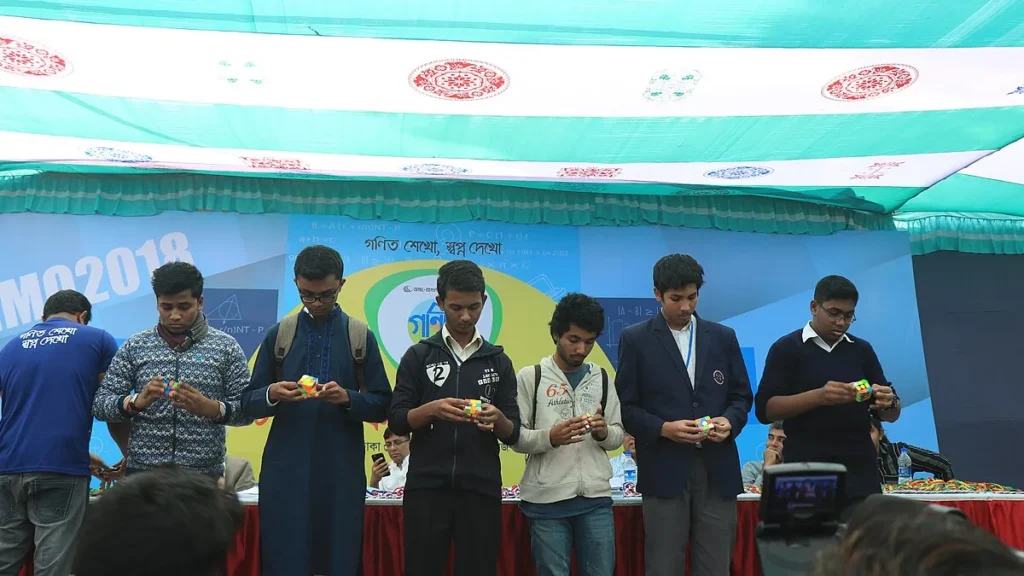
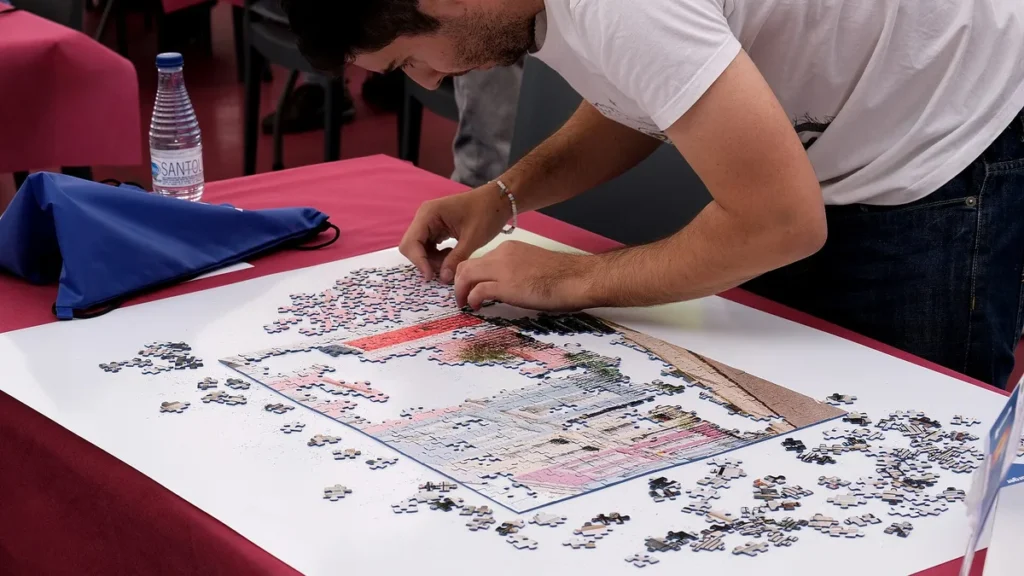
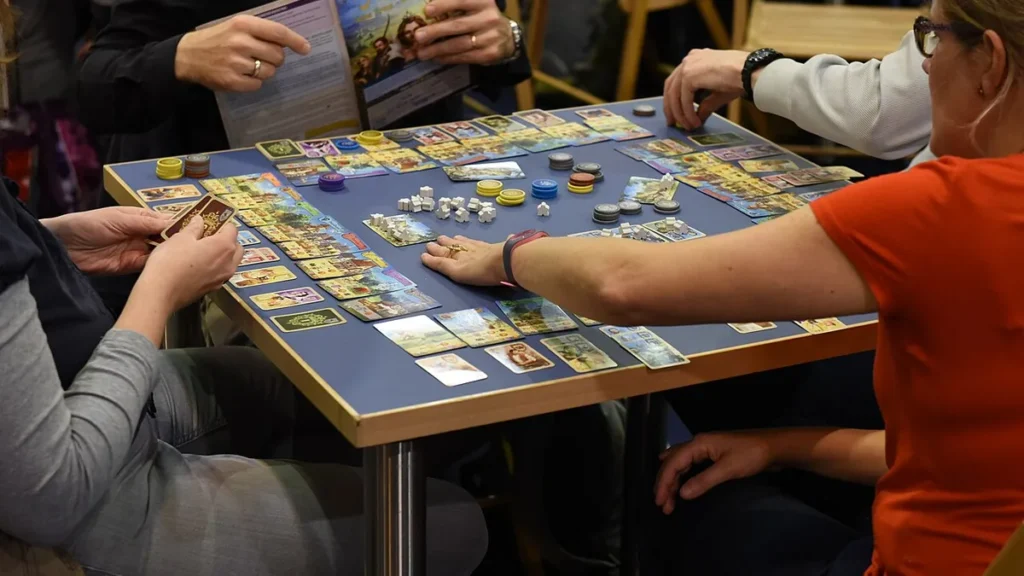
Finding the best board games for 150 players is a very different challenge from choosing a game for a family of four. A group of 150 people is a whole hall, a school year group, a company offsite, or a community festival crowd, and the games that work at that scale are the ones that can be split, shared, and run in parallel without losing the feeling that everyone is playing together. Board games suit a crowd this size because the rules are simple to explain, the equipment is easy to repeat across tables, and a good round can be seen, heard, and celebrated by an entire room at once.
The best board games for 150 players are not the ones with the most complicated rules or the most expensive components. They are the games that survive being played by dozens of people at the same time: short rounds, clear scoring, easy team formats, and results that can be compared fairly across tables. This guide explains exactly how to make that happen, which games to choose, how to organise the room, and how to keep every one of the 150 players involved from the first move to the final score.
Whether you are planning a school event, a youth group night, a corporate team day, or a large family reunion, the approach in this article works. You will learn the formats that turn a single table game into a whole-room event, the equipment list for 150 players, a sample schedule, and the mistakes that turn a promising game night into a long wait between turns.
Key takeaways
- No single board game seats 150 players, so the event must use team play, multiple tables, or a tournament format.
- Choose games with short rounds, simple rules, and scores that can be compared across tables.
- Plan for at least 25 tables of six players, with a copy of the game at every table that needs one.
- Appoint a host, table leaders, and scorers before the event starts, and rehearse the transitions between rounds.
- Keep the energy high with a shared scoreboard, short breaks, and a clear final round that brings the whole room together.
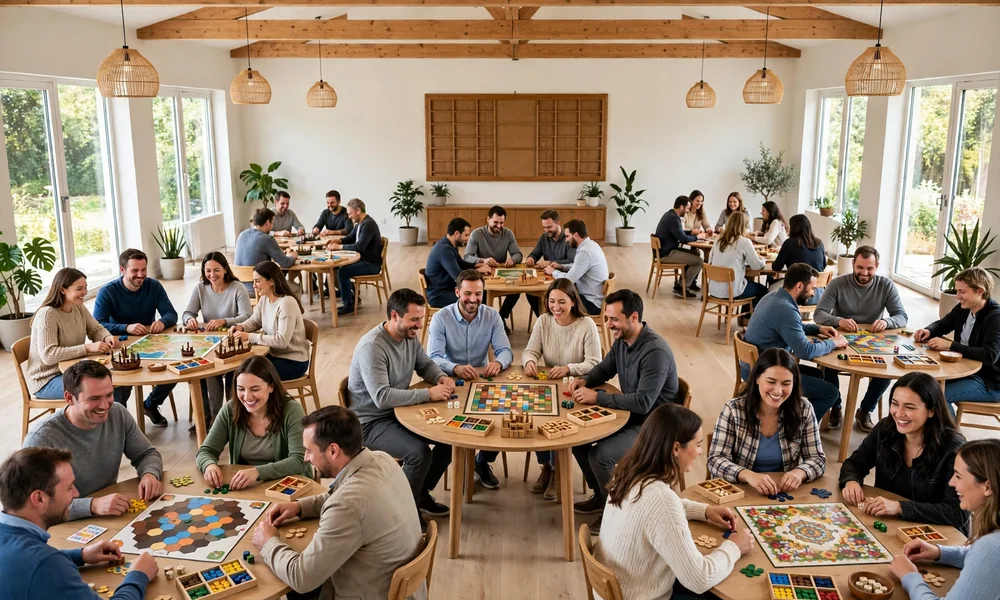
Why 150 Players Changes Everything
A normal board game night works because everyone sits at one table, hears the same rules, and takes turns in the same game. With 150 players, that simple picture breaks down completely. No table is large enough, no single board is visible to everyone, and no turn order can include 150 people without making most of them wait for a very long time. The first step is to accept that limit honestly, because every good plan for a group this large starts from it.
The second change is time. A game that takes 20 minutes for four players can take much longer when it is explained to a whole hall, set up at 25 tables, and played by people who have never met before. Instructions must be short, visible, and repeated in the same words at every table. If the rules take more than five minutes to explain, the game is probably too complex for a 150-player event, unless it is run as a tournament with experienced table leaders who already know it well.
The third change is fairness. When the same game is played at many tables at once, the scores must mean the same thing everywhere. That means identical starting positions, the same number of rounds, the same time limit, and the same scoring sheet at every table. Without those controls, the final leaderboard is a guess rather than a result, and players notice quickly when one table had an easier game or a longer round than another.
The Three Formats That Actually Work for 150 Players
Every successful 150-player board game event uses one of three formats, or a careful mix of them. The format matters more than the exact game, because the same game can fail in one format and succeed in another. Choose the format first, then choose games that fit it, and the rest of the planning becomes much simpler.
Team Tables
Team tables are the simplest format. Divide the 150 players into teams of five or six, seat each team at its own table, and give every table the same game. Teams play against the clock or against a target score, and their results are compared across the room. This format works well for word games, guessing games, and cooperative challenges, because every player has a role and no one waits long for a turn. Mix experience levels when you form the teams, and choose games where discussion and teamwork matter more than individual knowledge.
Tournament Play
Tournament play suits strategy games that are designed for a small number of players at each table. Set up 25 tables of six players, run the same game at every table for a fixed number of rounds, and record the score at each table. The top players or the top teams from each table move on to a semi-final, and the winners of the semi-finals meet in a final that the whole room can watch. Keep eliminated players involved with a second, lighter game at side tables, so no one spends the second half of the event watching other people play.
Whole-Room Games
Whole-room games are the closest thing to a single game for 150 players. Everyone plays the same game at the same time, usually in teams, with a host leading from the front. Drawing games, guessing games, trivia games, and social deduction games work well here, because the host can call out a prompt, every team can answer at once, and the results can be shared with the whole room in seconds. The strength of this format is shared energy, but the host carries the whole event, so choose a confident host, rehearse the timing, and keep each round short.
Best Board Games for 150 Players
The games below were chosen because they fit one of the three formats above, they are easy to explain, and they can be repeated across many tables without losing their appeal. Each one works best in a particular format, so match the game to the format you have chosen rather than trying to force a strategy game into a whole-room round or a party game into a serious tournament.
| Game | Best format | Players per table | Round length | Why it works at scale |
|---|---|---|---|---|
| Codenames | Team tables | 4 to 8 | 15 minutes | Simple team wordplay, easy to compare scores |
| Wavelength | Team tables | 2 to 12 | 20 minutes | One clue, whole team debates, fast scoring |
| Ticket to Ride | Tournament | 2 to 5 | 45 minutes | Clear points, identical setup, fair heats |
| Catan | Tournament | 3 to 4 | 60 minutes | Trading creates talk, scores are easy to record |
| Telestrations | Whole room | 4 to 8 | 20 minutes | Drawing relay, everyone acts at once |
Word and Guessing Games
Codenames is one of the strongest choices for a 150-player event, because it is a team game by design. Each table needs only one copy, the rules can be explained in three minutes, and the scoring is simple enough to compare across 25 tables. One player gives a one-word clue, the team discusses it, and the team that finds its words first wins the round. The discussion is the game, so quiet players still have a reason to speak, and strong players cannot win alone without listening to their team.
Wavelength works in a similar way, and it is a good second choice when you want variety without a new set of complex rules. One player gives a clue on a scale, such as hot to cold, and the team debates where the answer belongs. The game creates conversation quickly, it works with mixed ages, and it needs very little equipment. If you want more word-based ideas for the quieter tables, the best word games for adults offer a useful starting point for choosing titles that reward vocabulary and teamwork rather than speed alone.
Strategy Games in Tournament Heats
Ticket to Ride is a reliable tournament game because the setup is identical at every table, the scoring is clear, and the game ends after a fixed number of turns. Players collect cards, claim routes, and score points for completed journeys, and the winner at each table is easy to identify. The game takes about 45 minutes, so plan for two heats rather than three, and use the time between heats for a short break and a scoreboard update.
Catan is more social than Ticket to Ride, because players trade resources with each other throughout the game. That trading creates conversation and negotiation, which is exactly what you want at a large event, but it also makes the game longer and harder to time. Give Catan a firm 60-minute limit, use a visible timer, and agree in advance how the game ends if the time runs out, such as the player with the most points at the limit wins the heat.
Party and Drawing Games for the Whole Room
Telestrations is a drawing relay that works beautifully when the host leads it from the front. Every player draws a word, passes the book, guesses the drawing, and passes it again, and the results are shared with the whole room at the end. The game is funny without being cruel, it needs no special knowledge, and it gives every player something to do at the same time. Keep the words simple, keep the rounds short, and read out the best results rather than trying to show every book to 150 people.
If your group enjoys mystery and teamwork, the best escape room board games are worth a look for the smaller breakout tables that run alongside the main event. Those games give a small team a shared puzzle to solve, they create a clear sense of progress, and they work well as a side activity for players who are waiting between tournament heats. Keep the breakout games short, set a clear time limit, and let teams record their finishing time so the results can be compared.
Equipment and Room Setup for 150 Players
Start with the tables. For 150 players in teams of six, you need 25 tables and 150 chairs, plus a few spare chairs for hosts and helpers. Arrange the tables with enough space between them for people to stand up, move around, and reach the scoreboard without disturbing other tables. Leave a clear aisle down the middle of the room for the host, and keep the entrance clear so late arrivals can find a table without crossing the whole hall.
Next, count the copies. If every table plays Codenames at the same time, you need 25 copies of Codenames. If you run a tournament with three different games, you need enough copies of each game for the tables that use it. Borrowing copies from players is a practical option, but check every copy before the event, count the cards and pieces, and label each box with its table number so nothing is lost at the end of the day.
Scoring needs the same care as the games. Print a simple scoring sheet for every table, with space for the team name, the table number, the game, and the score for each round. Give each table a pen, a timer, and a small sign with its number, so the host can call out a table by number and the players can find it quickly. Collect the sheets after every round, update the main scoreboard, and keep a spare set of sheets in case one is lost or damaged.
A Sample Schedule for 150 Players
A clear schedule is what turns 150 separate players into one event. The schedule below runs for about three hours, including breaks, and it mixes team tables, a tournament heat, and a whole-room final so that different kinds of players all have a moment they enjoy. Adjust the times to suit your group, but keep the structure: welcome, warm-up, main games, break, final, and results.
After a 45-minute team-tables block and a 15-minute break, run a 45-minute tournament heat with a strategy game at each table. Players stay at the same tables, but the game changes, so the event feels fresh without a long move between tables. The heat ends with a clear winner at each table, and the top teams are announced before the final. Use the break to reset the tables, hand out the new games, and give the scorers a moment to catch up.
Finish with a 30-minute whole-room final and a 15-minute results session. The final should be a party or drawing game that the whole room can follow, with the top teams playing at the front and the rest of the room playing along in teams. End with the results, thank the table leaders and helpers by name, and give the winning team a simple prize, such as a board game to take home.
Mistakes That Ruin a 150-Player Game Night
The most common mistake is choosing a game that is too long or too complex for the group. A game that takes two hours for four players will not work at 25 tables, because the setup, the explanation, and the scoring all take longer at scale. Choose games that can be explained in five minutes, played in 30 minutes or less, and scored in one minute, and save the long strategy games for a smaller evening with experienced players.
The second mistake is having too few copies of the game. If only five tables have a copy and the other 20 are waiting, the event stalls in the first ten minutes. Count the copies, label them, and test them before the day. If you cannot get enough copies of one game, split the room into groups that play different games at the same time, and compare the scores within each group rather than across the whole room.
For groups that want a quieter option between rounds, the best puzzle apps for adults can fill a short gap without new equipment, because most players already carry a phone. Use apps only as a short filler, not as the main event, and keep the focus on the board games that brought the group together in the first place.
Checklist for Your 150-Player Board Game Event
- Confirm the venue, the date, and the number of players, and book 25 tables and 150 chairs.
- Choose one format, team tables, tournament, or whole room, and pick games that fit it.
- Count and check every copy of every game, and label each box with its table number.
- Print scoring sheets, table numbers, and a large scoreboard, and appoint table leaders and scorers.
- Test the microphone, the speaker, and the scoreboard from the back of the room.
- Plan the schedule, the breaks, the final, and a simple prize for the winning team.
Frequently Asked Questions
Can one board game really seat 150 players?
No. No single board game seats 150 players around one table, and any event that claims otherwise is using the number as a slogan rather than a plan. The honest approach is team play, multiple tables, or a tournament, with a whole-room game to bring everyone together at the start and the end.
How many tables do I need for 150 players?
For teams of six, you need 25 tables. For teams of five, you need 30 tables. Six is a good size because it keeps discussion lively without making turns too long, and it keeps the number of tables manageable for one host and a small team of helpers.
How many copies of each game do I need?
You need one copy per table that plays that game at the same time. If all 25 tables play Codenames together, you need 25 copies. If you split the room into five groups of five tables, you need five copies of each of the five games, which is much easier to arrange.
What is the best game for a mixed-age group of 150?
Word and guessing games are the safest choice for a mixed-age group, because they need no special knowledge, they reward teamwork, and they can be explained quickly. Dixit is a good choice when the group includes younger players or players who are less confident with words, because the pictures carry the game.
How long should a 150-player board game event last?
Three hours is a good length, including a welcome, two main game blocks, a break, and a final. Shorter events feel rushed, because setup and scoring take time at this scale, and longer events tire players out, especially if they are standing or sitting in a large hall for most of the day.
What should I do with players who finish early?
Give them a second game at a side table, invite them to join a whole-room game, or ask them to help as scorers or table leaders for the next round. The key is to plan for early finishers before the event, so no one is left waiting with nothing to do.
The Bottom Line
The best board games for 150 players are the ones that turn a huge crowd into many small, lively tables and then bring those tables together into one shared event. Choose simple games with short rounds and clear scores, use team tables, tournament heats, or whole-room games to fit the group, and plan the room, the copies, the scoring, and the schedule with the same care you give to the games themselves. Do that, and 150 players will not feel like a problem to manage. It will feel like the best game night your group has ever had.