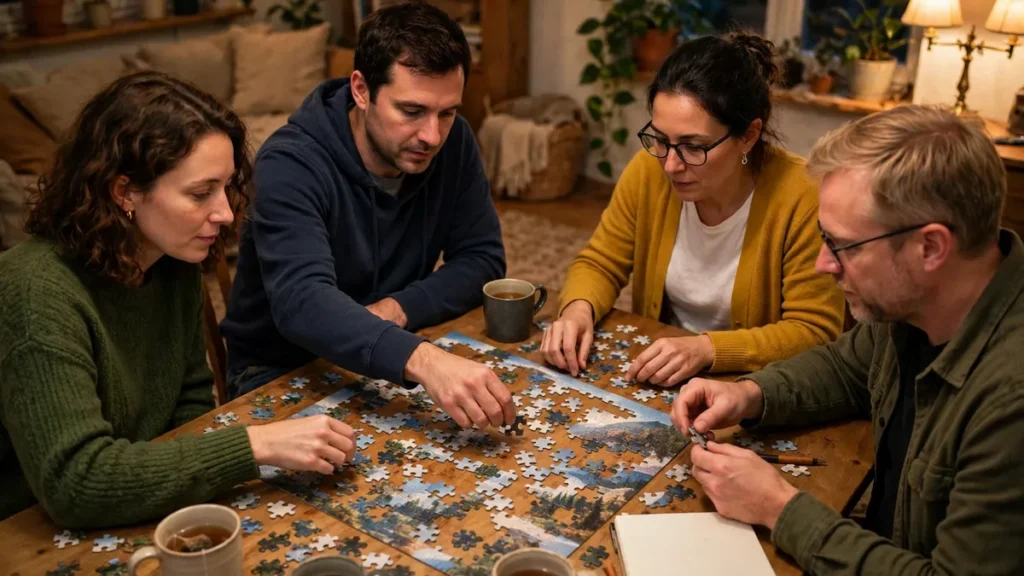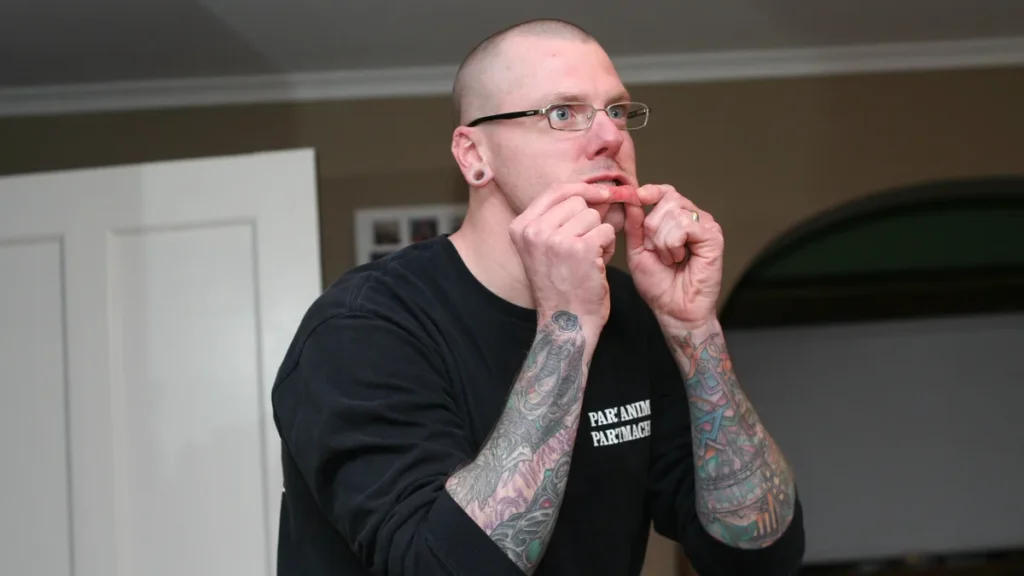
A charades night is one of the cheapest evenings you can host and one of the easiest to get wrong. The game costs nothing: a pen, some paper, a bowl, and friends willing to look silly together. What makes it work is everything around the game: the room, the guest list, the slips, and somebody keeping the evening moving when a round stalls. That somebody is you, and this guide covers the whole job, from invitations to the last round.
Start With the Guest List, Not the Word Slips
Start with people, not prompts, because the guest list decides whether the game flies or flops. Eight to twelve guests is the sweet spot. Fewer than six and the teams feel thin, with the same two people acting every other turn. More than fourteen and the room gets noisy, turns stretch out, and quieter guests hide at the back. Ten is ideal: two teams of five, enough voices for loud guessing, and small enough that everyone can see the actor. Mix the room on purpose: two or three natural performers who love an audience, plus quick-minded guessers who shout answers and keep the energy up. Invite the shy friend too, and say in the invitation that guessing all night is a perfectly good way to play. Send the invite a week ahead, ask about food allergies, and ask each guest to send three prompt ideas. If children are coming, run a short family round first using the guide to playing charades with kids, then let the adults take over.
Set the Room Before Anyone Arrives
Push the coffee table against the wall and clear a patch of floor about two metres wide where the actor will stand. That empty space matters more than any decoration: an actor dodging furniture stops acting and starts shuffling. Seat everyone in a loose arc facing that space, with the two teams on opposite sides, and leave a chair empty at the end of each arc for the next actor, so handovers take seconds. Light the acting space a little brighter than the seating, because guessers need to see the actor’s hands and face. Set up three stations before guests arrive: a table near the door for coats, a side table beside the stage with the bowl of slips, a pen, spare paper, and a phone timer, and the food station as far from the stage as the room allows. Put a notepad where everyone can see it for the score. The same room logic works for any game where one person performs and the rest watch, as the guide to hosting a board game night shows.
Build the Word Slips Like a Host, Not a Contestant
Prepare sixty to eighty slips for a three-hour night, because a group of ten playing brisk rounds will burn through about forty, and you want spares for the prompts that fall flat. Write each prompt on its own slip in large clear handwriting, and fold each one the same way so nobody can tell long phrases from short ones by the shape of the fold. Use two bowls if your guests cover a wide age range: an easy bowl of animals, everyday actions, and familiar objects, and a harder bowl of film titles, songs, and jobs. Let the actor choose which bowl to draw from, which quietly lets nervous players pick easy prompts without anyone noticing. Mix the categories so every round feels different: animals and actions to warm up, jobs and sports next, and film and book titles for the middle of the night, when the room is warmed up. Keep titles to things the whole group knows, and add a few prompts drawn from the guests themselves, like a friend’s hobby, for the biggest laughs.
Teams That Actually Work
Split the teams yourself before the game starts. Letting guests pick their own teams produces one stacked side and one side that loses every round, and the losing side stops trying by the second hour. Mix confident actors with strong guessers on both sides, split couples across the two teams so nobody whispers hints to their partner, and put the shyest guest on the team with the loudest guessers. Announce the teams as guests arrive, while people are still holding drinks, so the split feels like part of the welcome. Odd numbers need a plan: with nine guests, make one team of five and one of four, and give the smaller team a ten-second head start on the timer. With six or fewer, skip teams entirely and let the whole room guess together. Decide in advance whether you, the host, will play. The smoothest option is to play for the first hour, then step out and run the game from the side, which lets you keep the pace brisk and settle disputes without playing favourites.
The Running Order for a Three-Hour Night
| Time | What happens | Host job |
|---|---|---|
| 7.00 to 7.30 | Doors open, drinks, teams announced, slips in the bowls | Welcome guests, point out the food table and the stage area |
| 7.30 to 7.45 | Demonstration round with easy prompts, signals explained | Act first yourself, keep it funny, show the signals once |
| 7.45 to 8.30 | Round one: easy and medium prompts, teams alternate turns | Run the timer, keep turns moving, mark the score |
| 8.30 to 8.45 | Break for food, top up drinks, swap a few slips | Refill bowls, remove dud prompts, check the mood |
| 8.45 to 9.30 | Round two: harder prompts and themed sets, faster pace | Shorten turns slightly, add a bonus-point twist |
| 9.30 to 10.00 | Final round, best-of turns, winner announced, photos | Crown the winners, hand out the prize, wind the night down |
Open with a demonstration round and act first yourself. A host who acts first sets the tone: if you throw yourself into a ridiculous mime, everyone else relaxes. Pick an easy prompt, a cat or a swimmer, and act it big enough for the back row to see. While you act, show the four signals the room will use all night: fingers held up for the number of words, a tug on the ear for a word that sounds like another word, hands held close for a short word and wide apart for a long one, and a sweep of the hand for the whole phrase. Teach them in the demonstration, not in a lecture. Keep the pace brisk between turns, because the dead time is never the acting, it is the gap while the next actor finds a slip. Fix it by having the next actor waiting by the bowl, slip already in hand, before the current turn finishes. Sixty seconds per turn is the right length: long enough for a hard prompt to unfold, short enough that a stuck actor is rescued by the timer.
Scoring Without the Sulking
Keep the scoring so simple that a guest holding a drink can follow it. One point for each prompt guessed before the timer runs out, nothing more. Write the running total where everyone can see it, and update it after every turn, because a scoreboard that lags behind breeds arguments. Agree the finish line before the first round, usually the team with the most points after a set number of rounds, and say it out loud so nobody invents a different finish line when they start losing. Add one small twist in the second half: an extra point for a fast answer within twenty seconds rewards sharp guessing, and a double-points round, announced in advance, gives a trailing team a genuine route back. Never change the rules mid-game to help a losing team, because the room notices at once and the win stops meaning anything. Choose a prize that makes people smile rather than compete, a small box of chocolates or a silly trophy, and hand it over with a little ceremony at the end.
Food and Drinks That Survive the Acting
Feed people food they can eat with one hand while they watch the game. Nobody wants a plate that needs a knife and fork while their teammate is miming a shark. Put out bowls of crisps, popcorn, and nuts, a tray of small sandwiches cut into quarters, cheese cubes and grapes, and biscuits for later. Everything should be bite-sized and dry enough to handle. Put the food out before the game starts and top it up during the break, so the table never empties mid-round. Keep greasy food away from the slips: an actor with butter on their fingers will smear the next five prompts, and a spilled dip on the bowl ends the game faster than any bad prompt. Serve dips in small bowls with spoons, put napkins at both ends of the food table, and keep drinks in a separate spot so a knocked glass lands on a coaster instead of in the crisp bowl. Water matters more than alcohol: acting is thirsty work, and a jug of water with glasses on the side table keeps voices going into the third hour.
Bringing Shy Guests Into the Game
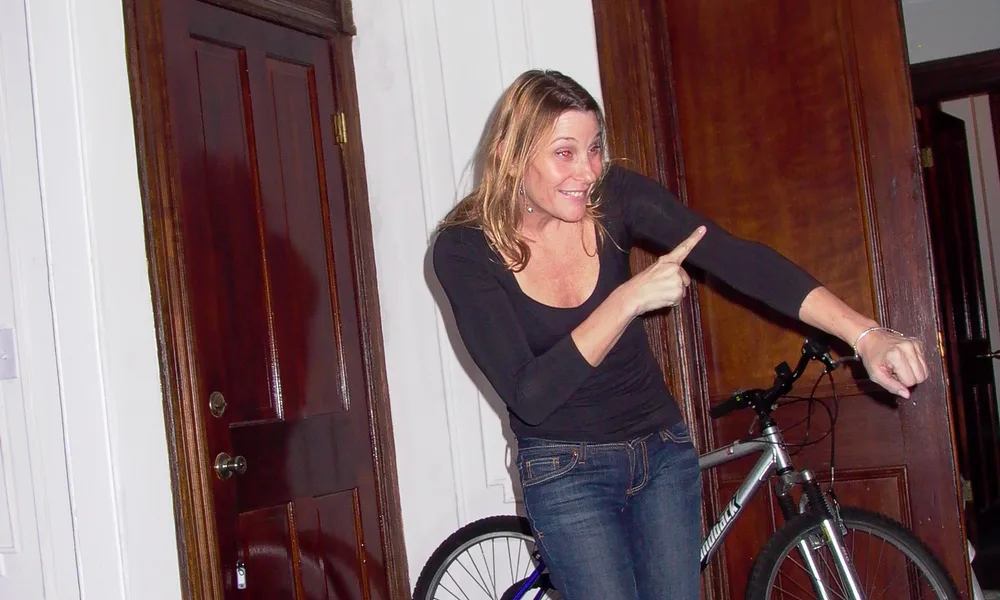
Every charades night has a guest who will not act, and the host’s job is to make that fine. Never call on someone who has not volunteered, never make the shy guest the first actor, and never turn a refusal into a joke the room laughs at. The guest pressured into acting once will spend the rest of the evening tense, while the guest left alone will usually join in on their own terms by the second hour. Seat the shy guest with the loudest guessers, where they can shout answers from safety. Offer smaller steps before a solo turn: let a nervous guest act with a partner, the two of them miming the same prompt together. Let them guess first for three or four rounds, then quietly offer them the simplest prompt in the bowl, an animal they adore, with the promise that they can pass with no fuss. The pass rule is the safety net: each player gets one free pass each night and draws a fresh slip.
When a Round Stalls or a Row Starts
A round stalls for one of three reasons, and each has a simple fix. The actor is stuck on a prompt they do not understand, so remind them they can pass once and draw again. The audience has gone quiet because the guesses have run dry, so the actor should change approach entirely and try a big obvious gesture, or act out a scene from the title instead of the title itself. Or the prompt is simply a dud, a film nobody knows, in which case the host steps in, shows the slip, laughs, throws it away, and moves on. Arguments start over the same two things: whether the actor spoke, and whether a called-out answer was near enough to count. Settle both before the first round. The actor may not speak, mouth words, or hum a tune, and if they do, the turn ends with no point. An answer counts only if it matches the word on the slip, not a near neighbour of it, so “dog” does not count for “wolf”. If a dispute drags on past ten seconds, the host decides and the game moves on.
Ending the Night While Everyone Still Wants More
End on a high, not on a collapse. The best moment to stop is when the room is still laughing and at least one guest has said they want another round, which usually lands around the two-and-a-half to three-hour mark. Run one final round with the best remaining prompts, announce the final score, hand over the prize, and take a group photo with the winning team holding it, because that photo is what gets shared the next day and makes the next invitation easy. Wind down deliberately: put the kettle on, bring out dessert, and let the game dissolve into conversation. Ask the room what they would change next time, and write down the answers. Before everyone leaves, share the group photo in the group chat and float the date of the next one while the memory is still warm. If the evening sparked a wider interest in party games, the guide to what makes a party game work explains the five tests every good party game passes.
Charades asks for nothing more than paper, a bowl, and friends willing to be silly together, but a night people remember asks for a host who thought about the evening before it started. Pick the guests with care, clear a space for the acting, write slips the whole room can enjoy, split the teams fairly, and keep the pace brisk with a visible score and a kind word for the shyest guest. Do that, and the game takes care of itself. The room will not remember the score or the prize. It will remember the sight of a friend flapping across the living room as a penguin, the whole room shouting, and nobody wanting the night to end.