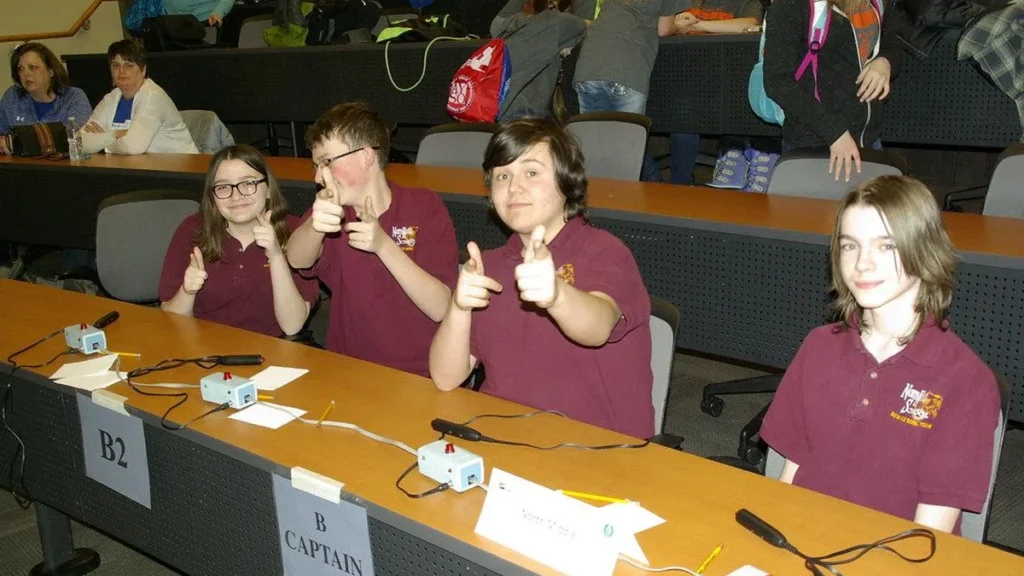
Five hundred and eight people in one room, seventy-odd teams, nine rounds, and one host with a microphone: that is a trivia night at the edge of what a single evening can hold. It sounds chaotic, and the first ten minutes usually are, but the format below has been tested at this scale and it holds together. The secret is not clever questions. It is a simple shape, repeated nine times, with clear scoring and a room plan that lets every team hear the host.
This guide gives you that shape. You get nine rounds built around well-known names and trades, each with ten questions and a hosting tip, plus a room plan, a scoring plan, and a checklist for the night itself. If you have never hosted at this scale, the 507-player edition shows the same format with a slightly smaller crowd, and it is a useful dry run for this one.
The nine rounds move from music to handcraft to living things, so every team finds a round that suits it. Three rounds celebrate players of unusual instruments, three celebrate makers of small everyday objects, and three celebrate growers and raisers of slow, quiet things. Read the guide once, print the checklist, and hand the answer sheets out early. The rest is just reading questions slowly and keeping the scoreboard honest.
Key takeaways
- Split 508 people into teams of six to eight and seat about seventy teams in zones.
- Play nine rounds of ten questions, ninety points in total, with a written tie-break ready.
- Keep each round to twelve minutes, counting marking time.
- Give half points for a right century or a right country when the full answer is out of reach.
- Finish with the tie-break and the prizes before the room starts to empty.
How a 508-Player Trivia Night Works
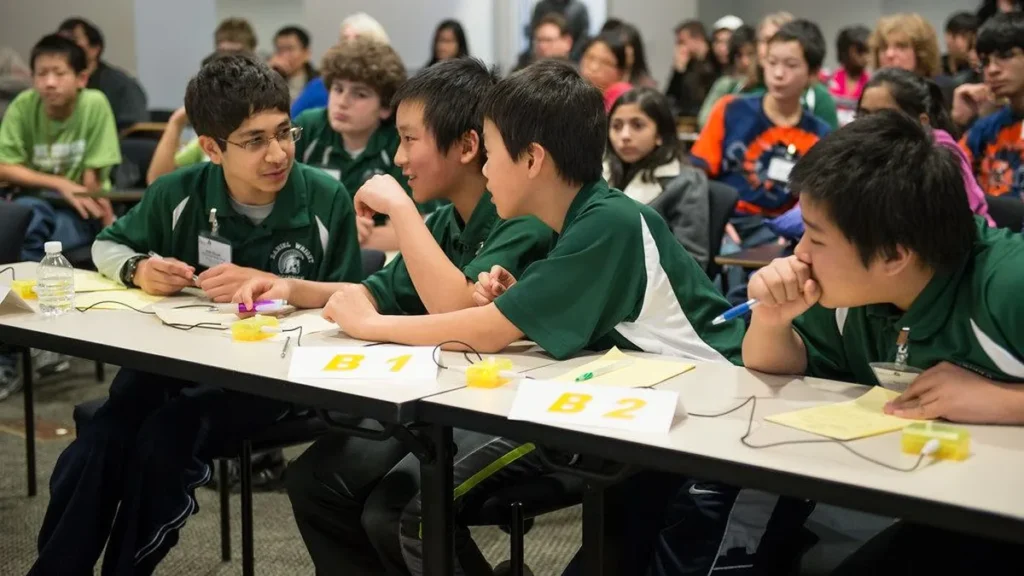
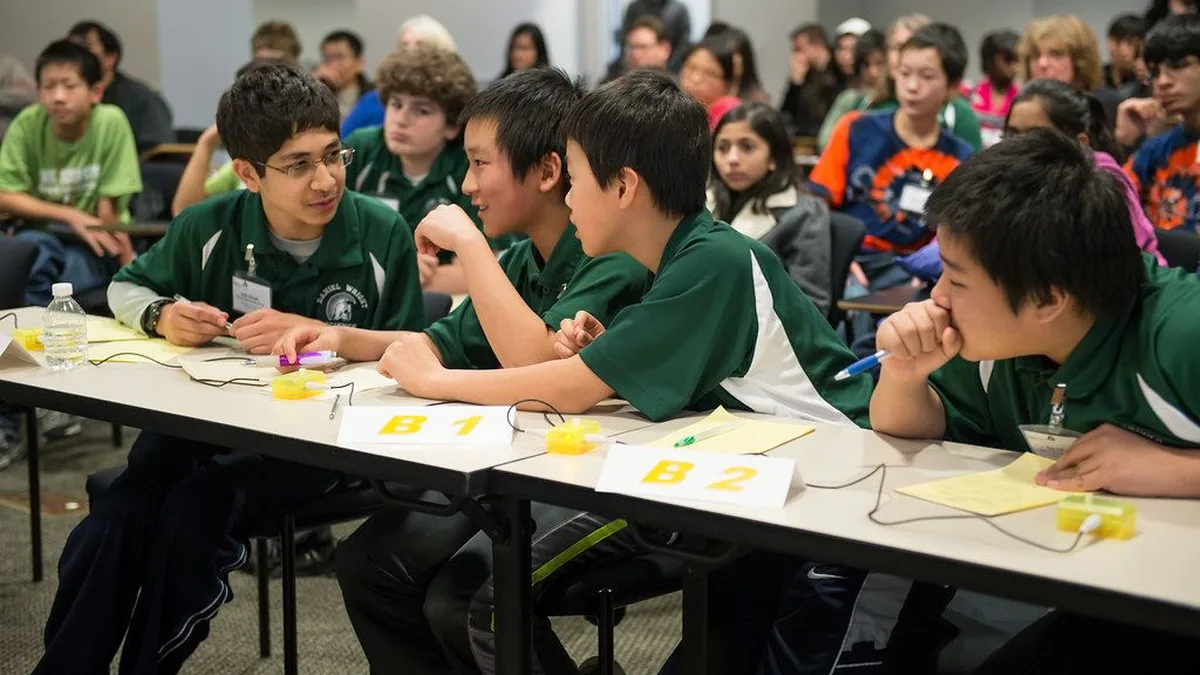
Start by splitting the crowd into teams of six to eight. With 508 people that gives you roughly seventy teams, which sounds like a lot until you seat them in zones of six or seven teams each, with a helper assigned to every zone. Each team gets one answer sheet per round and one pen, and the host reads every question twice before moving on.
Each round has ten questions, so the night has ninety points on offer, plus a written tie-break held back for the end. Teams swap sheets with the next table to mark, the host reads the answers, and the running totals go up on a board where everyone can see them. Twelve minutes a round, counting marking, keeps the whole evening inside two hours, with a short break after round five.
The Nine Rounds
The nine rounds below are the heart of the night. Each one is built around a single well-known category, with ten questions that mix easy openers, solid middle questions, and two hard ones at the end. Read each round’s tip before you start it: the tips are where the small scoring tricks live.
| Round | Category | Ten Questions About |
|---|---|---|
| 1 | Famous Mandolin Players | Small stringed instruments and the people who play them |
| 2 | Famous Dulcimer Players | Hammered and plucked dulcimers and their players |
| 3 | Famous Alphorn Players | Long alpine tubes and the players who sound them |
| 4 | Famous Thimble Makers | Tiny metal caps that protect a sewing finger |
| 5 | Famous Buckle Makers | Clasps that fasten belts and straps |
| 6 | Famous Walking Stick Makers | Handcrafted sticks for walkers and hikers |
| 7 | Famous Snail Farmers | Slow-moving shell dwellers raised for the table |
| 8 | Famous Mushroom Growers | Fungi raised in cool dark sheds |
| 9 | Famous Hurdy-Gurdy Players | Crank-turned stringed instruments and their players |
Round 1: Famous Mandolin Players
The mandolin is small, bright, and easy to underestimate, which makes it a fine opening round. Ask for the names of celebrated players, the countries where the instrument took root, and the ensembles that gave it a home. Mix in questions about its eight strings, its pear-shaped body, and the way it carries a tune above a larger group.
Keep the scoring generous here so every team banks early points and settles in. Give half a point for a right country when the name escapes a team, and accept a surname on its own for the hardest two questions. A warm first round sets the tone for the whole evening, so read slowly and let the room enjoy it.
Round 2: Famous Dulcimer Players
The dulcimer comes in two broad families, one struck with small hammers and one plucked with the fingers, and a good round uses both. Ask for the names of noted players, the regions where each style flourished, and the tunes that made the instrument familiar to wider audiences. A question about its trapezoid shape is a fair easy opener for teams that have never seen one.
This is the round where teams start to show their range, so keep the middle questions fair and save the hardest names for the end. If a team can name the style but not the player, give half a point and move on. The aim is steady scoring, not a pile of blank sheets, so reward partial knowledge wherever you can.
Round 3: Famous Alphorn Players
The alphorn is long, low, and unmistakable, and its players are tied to alpine life in a way every team can picture. Ask for the names of celebrated players, the lands where the instrument is heard, and the occasions when it is played outdoors. A question about its length, several metres from mouthpiece to far end, works well as a number question.
Read this round a touch more slowly than the first two, since several of the names are unfamiliar to most teams. Accept a right country for half a point when the full name is missing, and give the hardest question a clue about the player’s home region. The round should feel grand rather than punishing, like the sound itself.
Round 4: Famous Thimble Makers
A thimble is one of the smallest objects a craft can produce, yet makers of fine ones were once well known in their towns. Ask for the materials they used, the towns where the trade centred, and the marks that collectors look for today. A question about the dimpled surface and what it is for makes a good easy opener.
This round rewards teams that enjoy small details, so keep the questions concrete and avoid vague ones about dates alone. If a team names the material but not the maker, give half a point. Two of the ten questions can ask about decorated examples, which most teams will have seen in a relative’s sewing box.
Round 5: Famous Buckle Makers
Buckles hold things together, and the makers who shaped them well were prized for both strength and decoration. Ask for the materials they worked in, the trades that relied on their clasps, and the styles that mark one era from another. A question about the difference between a plain working clasp and a dress clasp gives every team a fair chance.
Keep the pace brisk here, since the round sits just before the break and the room will be ready to stretch. Give half a point for a right material when the maker’s name is out of reach, and accept a surname alone on the hardest two. Mark quickly, post the totals, and send the teams off to the break in good spirits.
Round 6: Famous Walking Stick Makers
A walking stick is part tool and part companion, and the best makers were known for the feel of a handle as much as for the straightness of the shaft. Ask for the materials they favoured, the shapes of handles that collectors prize, and the regions where the craft was strongest. A question about carved animal heads makes a lively middle question.
Start the second half gently, since teams return from the break at different speeds. Read each question twice, as before, and give half a point for a right material when the maker’s name escapes a team. This round suits teams that like tangible things, so keep the questions about objects rather than dates.
Round 7: Famous Snail Farmers
Snail farming is slow work, and the people who do it well are patient above all else. Ask for the species raised for the table, the countries where the trade is oldest, and the ways the animals are fed and housed. A question about the shell, and how its pattern differs between kinds, is a fair opener that most teams can attempt.
This round often surprises teams, since few people have thought about snails as a crop. Keep the tone light and give half a point for a right country when the name of a raiser is missing. Two questions can ask about dishes made from the harvest, which gives food lovers on every team a chance to shine.
Round 8: Famous Mushroom Growers
Mushroom growing is a quiet craft carried out in cool, dark rooms, and the growers who mastered it fed whole towns. Ask for the kinds they raised, the materials they grew them on, and the seasons when the harvest was at its best. A question about the difference between a wild kind and a cultivated kind works well as a middle question.
Be careful with the wording here, since several kinds share similar names. Read the full name of each kind in the question, and accept a common name where a formal one is asked for. Give half a point for a right growing material when the grower’s name is out of reach, and keep the last two questions for the keenest teams.
Round 9: Famous Hurdy-Gurdy Players
The hurdy-gurdy is turned by a crank and played with keys, and its sound is unlike anything else in the night. Ask for the names of celebrated players, the countries where the instrument survived longest, and the gatherings where it is still heard today. A question about the crank itself, and what it does inside the body, makes a fine easy opener.
Save this round for last because it is the most distinctive sound of the evening and it deserves a strong finish. Give half a point for a right country when the player’s name escapes a team, and accept a surname alone on the hardest question. End with a round of applause for the players named, then move straight to the tie-break.
Setting Up the Room for 508 Players
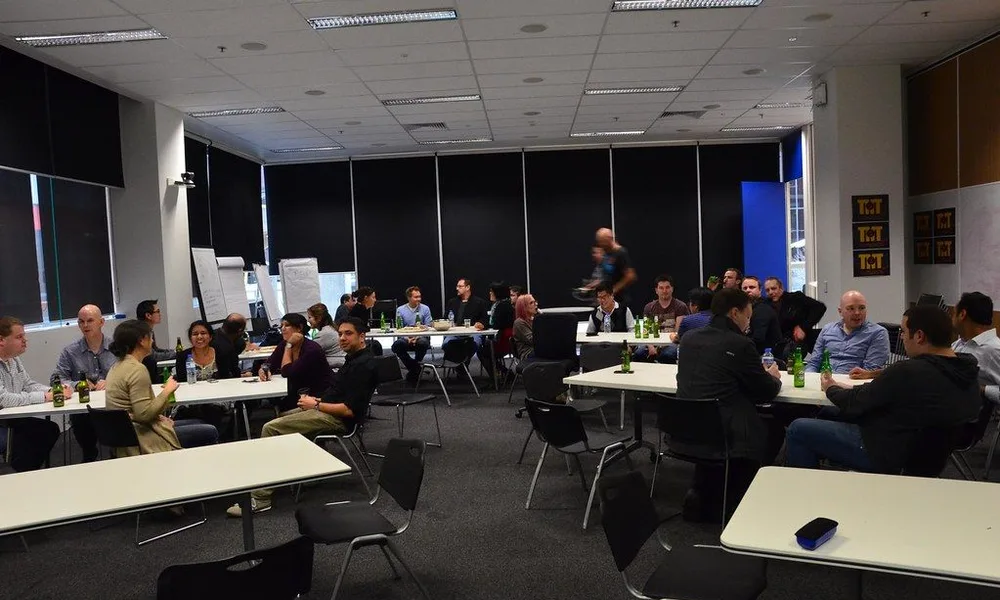
Seat the teams in zones of six or seven, with a helper in each zone and a clear path down the middle for the host. Put the scoreboard where the back rows can read it, and place the speakers high so the sound reaches every corner without blasting the front tables. The 506-player edition uses the same zone plan, and its room notes are a handy check against your own layout.
Hand out the answer sheets before the first question, with one pen per team and a spare in every zone. Keep the top table clear except for the question cards, the timer, and the tie-break envelope. If the room has a second screen, use it for the running totals so teams at the sides can follow the scores without turning around.
Scoring Without the Arguments
Score one point per right answer and half a point for a right century or a right country where the tip allows it. Teams swap sheets with the next table to mark, the host reads the answers once, and the helpers collect the sheets before the next round begins. Post the running totals after rounds three, five, and seven so teams can see where they stand.
Keep a written tie-break ready from the start: one question with a number for an answer, nearest wins, with a second one in reserve. The 505-player edition follows the same scoring shape, so teams that played it before will settle in quickly. Announce the tie-break rule before round one so nobody can dispute it later.
Keeping the Night Fair
Phones go face down on the table at the start, and a lit screen costs the team the round. Helpers in each zone keep an eye on the room, and teams swap sheets to mark so nobody marks its own work. Reading each question twice also helps, since teams stop shouting for repeats and stop leaning toward the next table to compare notes.
Settle every dispute at the top table, quickly and in the open, and write the ruling on the board so the whole room sees it. If a question turns out to have two right answers, give both teams the point and move on. Fairness at this scale is mostly about being seen to be fair, so keep the process visible from start to finish.
Your Night-Of Checklist
Run through this list before the doors open, and tick each item off as it is done. A calm start is worth more than any single round, so do not rush the setup to gain ten minutes.
- Count the answer sheets and pens, with spares in every zone.
- Test the sound from the back row and check both screens.
- Brief the helpers on marking, phones, and the tie-break rule.
- Put the running totals board where every team can read it.
- Seal the tie-break envelope and keep it on the top table.
- Set the timer for twelve minutes a round and start on time.
Frequently Asked Questions
How long does a trivia night for 508 players take?
Nine rounds at twelve minutes each come to just under two hours, and a fifteen-minute break after round five lets teams stretch and lets helpers catch up on the totals. Add ten minutes at the end for the tie-break and the prizes, and the whole evening runs to about two and a half hours.
How many teams should 508 players form?
Teams of six to eight work best, which gives you between sixty-five and seventy-five teams. Six is the sweet spot: big enough for a spread of knowledge, small enough that everyone gets a say. Avoid teams of ten or more, since the quieter members stop contributing and the sheet ends up in one person’s hand.
Do we need special equipment for a crowd this size?
You need a sound system that reaches the back row, two screens or one very large one, printed answer sheets, spare pens, and a board for the running totals. A simple timer on the top table keeps the rounds honest. You do not need buzzers or a stage: a clear voice, good speakers, and a board everyone can see will carry the night.
How do we stop teams from cheating?
Phones go face down on the table at the start, and a lit screen costs the team the round. Teams swap sheets to mark, so nobody marks its own work, and helpers in each zone keep an eye on the room. Reading each question twice also helps, since teams stop shouting for repeats and stop leaning toward the next table to compare notes.
What happens if teams tie at the top?
Use the written tie-break: one question with a number for an answer, nearest wins. Have a second one ready in case the first is tied as well. If two teams are still level after both, share the prize rather than dragging the night out. Announce this before round one so nobody feels cheated by a finish they did not expect.
Can children play in a 508-player trivia night?
Yes, on mixed-age teams. The questions suit ages twelve and up, and younger children do best paired with adults who can talk through the answers with them. Keep the pace gentle in the first two rounds so younger teams settle in, and consider a small prize for the best junior team so they have something of their own to aim for.
The Bottom Line — A 508-player trivia night works when the shape is simple: nine rounds, ten questions each, clear scoring, and a room where every team can hear. Pick your teams, print your sheets, and let the questions do the work.