Four hundred and eighty eight players, one hall, and a box of dice. That sounds impossible until you see it work. Dice games scale better than almost any other kind of group game because the rules fit in one sentence and nobody has to wait long for a turn. When the group is this large, the system around the game is the star: clear signals, simple scoring, and a theme that gives everyone something to shout about.
A haunted house is the perfect theme for a crowd this size. Everyone knows what a ghost does, everyone can make a spooky sound, and nobody needs a briefing on pumpkins, bats, or creaking hallways. The nine games below turn that shared knowledge into nine different kinds of fun: hunting ghosts, patching pumpkins, untangling spider webs, and one very loud monster mash at the end. Each game uses ordinary six sided dice, works with the whole hall at once, and can be explained in under a minute.
This guide is built for real rooms full of real people: school halls, camp days, family reunions, youth groups, and community festivals. You do not need a stage, a screen, or a sound system. You need dice, a loud voice, a few helpers, and 488 people ready to be noisy.
Key Takeaways
- Nine haunted house dice games work for 488 players at once, with no waiting and no elimination.
- Every game uses ordinary six sided dice and a rule you can explain in under a minute.
- Split the hall into zones with a helper in each zone, and run every game at the same time.
- Score by table, team, or zone, not by individual, so nobody is left watching from the side.
- End with the monster mash, because a loud shared finish beats a quiet winner every time.
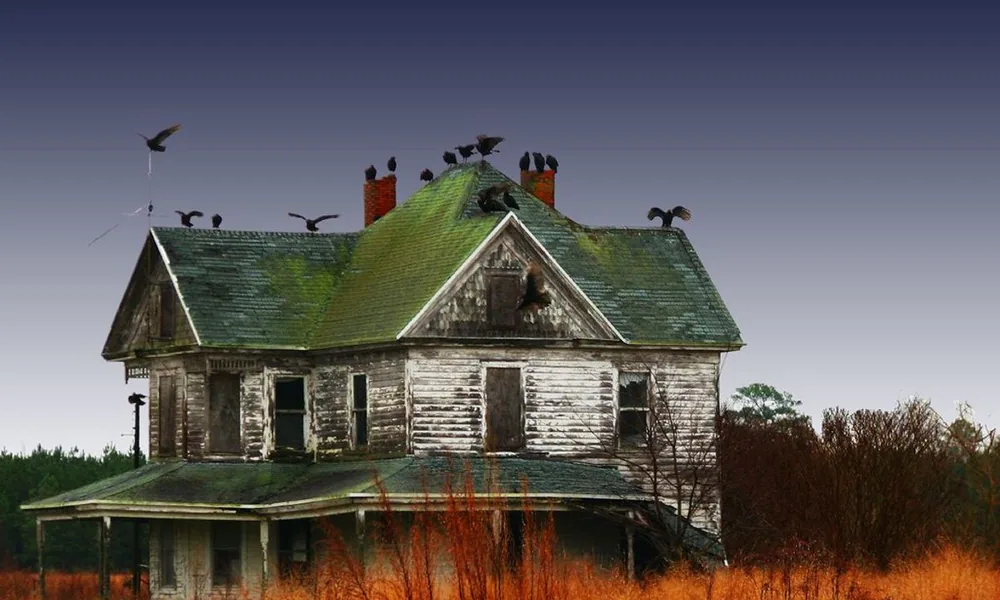
Why a Haunted House Theme Works for 488 Players
A theme does more than decorate a game night. It gives 488 strangers a shared language in the first minute. When you say ghost, everyone pictures the same thing, and when you say haunted hallway, everyone knows to tiptoe, whisper, and then laugh. That shared picture turns a crowded hall into one team, and it matters far more than a clever rule.
The theme also works because it is gentle. Nothing here is meant to frighten anyone. The ghosts are friendly, the monsters dance, and the black cat is a lucky charm. Younger players enjoy the silly spooky sounds, while older players enjoy the counting and the team races. A theme that works for a five year old and a grandparent at the same table is worth keeping.
The same idea carries other huge dice nights too. Dice Games for 487 Players shows how a single strong theme can hold a whole hall together, and the haunted house follows the same pattern. Pick a theme your players already love, keep the rules short, and the size of the group stops being a problem.
How to Set Up the Haunted House Dice Night
Start with the room, not the games. Split the hall into eight zones of about sixty players each, and give every zone a haunted name, such as the Attic, the Cellar, and the Tower. Mark each zone with a paper sign, and put one helper in each zone. The helper repeats your calls, hands out dice, and keeps score on a single sheet.
Next, sort the dice. One die per player is ideal, and two dice per table is the minimum for the games that ask for a pair. For 488 players, that means about 500 dice. If your budget is tight, one die per pair works well, because partners share the roll and the excitement. Pack spares, because dice wander off in a big hall, and keep a spare box at the front.
Finally, practise two signals before the first game. A raised hand means quiet and eyes on you. A whistle means roll. The same step-by-step approach that works in Running Dice Games for 473 Players works here too: set the zones, sort the dice, practise the signals, and only then start the first game. Ten minutes of set up saves thirty minutes of confusion later.
The 9 Haunted House Dice Games at a Glance
Use this table to plan your session. Start with a loud game, follow it with a calm one, and keep the monster mash for the end. Every game uses the same zone system, so you can move on without rearranging the room.
| Game | Dice | Best for |
|---|---|---|
| Dice Ghost Hunt | 1 per player | Loud openings |
| Dice Pumpkin Patch | 1 per player | Calm moments |
| Dice Spider Web | 2 per table | Quiet focus |
| Dice Haunted Hallway | 1 per player | Big reactions |
| Dice Bat Flight | 1 per player | Mixed ages |
| Dice Monster Mash | 2 per team | Team spirit |
| Dice Candle Flicker | 2 per table | Fast rounds |
| Dice Black Cat | 1 per player | Lucky finishes |
| Dice Foggy Window | 1 per player | Quiet endings |
The Nine Haunted House Dice Games
Each game below takes five to ten minutes, uses ordinary six sided dice, and runs in every zone at the same time. Read the rule aloud, show one example roll, and move on while the energy is still high.
Dice Ghost Hunt
Dice Ghost Hunt opens the night because it is loud, simple, and impossible to get wrong. Every player rolls one die at the same time. A six means you spotted a ghost, so you stand up, wave both arms, and call out the name of your zone. A one means the ghost spotted you first, so you duck under the table for one round. Every other number means you keep searching, and you roll again on the next whistle.
Helpers count the ghosts in their zone after three rounds, and the zone with the most ghosts wins. For a twist, let a double six count as two ghosts. Start here, and the hall will be warm, noisy, and ready for anything.
Dice Pumpkin Patch
Dice Pumpkin Patch is the calm game that follows the loud opener. Every player rolls one die and adds the number to their table total. The table is growing a pumpkin, and the pumpkin is ready when the total reaches fifty. Tables call out when their pumpkin is ready, and helpers note the order.
A low roll is not a failure, because every number helps the pumpkin grow. For a twist, a roll of six adds a stripe, and the table with the most stripes wins a bonus point. It is gentle, cooperative, and a perfect second game.
Dice Spider Web
Dice Spider Web is a quiet focus game that uses two dice per table. Players take turns rolling both dice and adding the total. An even total means the spider adds a thread, and the table draws a line on its web sheet. An odd total means the spider takes a thread away. The first table to complete a web of ten threads wins the round.
Younger players practise adding two numbers, while older players start predicting the odds. Nobody is eliminated while the web is still growing. For a twist, a double adds two threads at once. Keep the web sheets simple, and the game will run itself.
Dice Haunted Hallway
Dice Haunted Hallway is the big reaction game, and it is the one players remember. Every player rolls one die. A roll of one, two, or three means you tiptoe down the hallway in silence. A roll of four or five means you hear a creak, and you freeze. A roll of six means the hallway ghost jumps out, and everyone in your zone jumps up and shouts at the same time.
The contrast between the silent tiptoe and the sudden shout is what makes the hall laugh. For a twist, let the zone with the loudest shout after a six win a bonus point. Play it once in the middle of the night, and once near the end.
Dice Bat Flight
Dice Bat Flight suits mixed ages because it has two ways to win. Every player rolls one die. A roll of five or six means your bat flies high, and you score two points. A roll of three or four means your bat flies low, and you score one point. A roll of one or two means your bat bumps into a wall, and you score nothing, but you get to flap your arms and squeak.
Younger players love the flapping and the squeaking, while older players love the simple scoring. Tables add their points together, so a low roll is balanced by a high roll from a neighbour. For a twist, a six after a one scores four points. The game is kind, quick, and easy to explain.
Dice Monster Mash
Dice Monster Mash is the team spirit game, and it is the loudest game in the set. Each team rolls two dice and adds the total. A total of seven or more means the monsters dance, and the whole team stands up and dances for ten seconds. A total of six or less means the monsters rest, and the team sits down and hums. The team with the most dances after five rounds wins.
Teams invent their own monster moves, from stomping to wiggling, and the hall fills with laughter. For a twist, a total of twelve means the team dances for twenty seconds while the hall counts along. Save this game for the moment when the energy dips, because it lifts the whole room in under a minute.
Dice Candle Flicker
Dice Candle Flicker is a fast game of nerve that uses two dice per table. Players roll both dice and add the total. A total of eight or more means the candle stays lit, and the table scores a point. A total of seven or less means the candle flickers, and the table loses a point, but only down to zero, so nobody goes below nothing. The first table to reach ten points wins the round.
Each round takes seconds, and the flicker rule keeps the scores close, because a table that is ahead can lose points just as quickly as it gains them. For a twist, a double scores two points instead of one. It is a good game for the second half of the night.
Dice Black Cat
Dice Black Cat is the lucky finish game, and it turns superstition into a joke. Every player rolls one die. A roll of six means the black cat crossed your path and brought you luck, so you score three points. A roll of one means the black cat sat on your dice, so you score nothing, but you get to stroke an imaginary cat and purr. Every other number scores its face value in points.
Everyone understands the joke at once, and the purring breaks the tension after a run of low rolls. For a twist, three sixes in a row at one table scores a bonus of ten points. Play it late in the night, when players are ready for a little luck.
Dice Foggy Window
Dice Foggy Window is the quiet ending game, and it brings the hall down gently before the finish. Every player rolls one die and draws that many lines on a foggy window sheet. A roll of six means you wipe the window clear and draw a picture in the fog. A roll of one means the fog thickens, and you rub one line out. The first table to draw a complete picture wins the round.
The game is calm because it asks players to draw, not shout, and the hall settles into a happy murmur. For a twist, a double means the sun comes out, and the table starts a fresh picture. It is the perfect game before the final dance.
Running the Night: A Step-by-Step Plan
A good dice night runs on a clock, not on hope. Give the whole session ninety minutes, divided into clear blocks so every helper knows what happens next. The plan below fits the nine games above, with breaks built in.
First, spend ten minutes on welcome and set up. Split the hall into zones, hand out the dice, and practise the two signals. Then play Dice Ghost Hunt for ten minutes to open the night with noise and laughter. Follow it with Dice Pumpkin Patch for ten minutes, so the hall calms down. Take a five minute break for drinks and dice counting.
Next, play Dice Spider Web and Dice Haunted Hallway for ten minutes each. Then play Dice Bat Flight and Dice Monster Mash for ten minutes each, because the middle of the night is when energy dips and the dancing game lifts it again. Take a second five minute break to announce the scores. Finally, play Dice Candle Flicker, Dice Black Cat, and Dice Foggy Window for five minutes each, and finish with a shared monster mash dance.
Scoring That Keeps 488 Players in the Game
Score by table, team, or zone, never by individual. That single choice keeps 488 players in the game, because a player who rolls badly is never left behind. Their table still scores, their zone still counts, and the next roll is a fresh start. Helpers update one score sheet per zone after each game.
Keep the scoring visible. Write the zone totals on a large board at the front, and update them during the breaks. Award one point for a game win, and one bonus point for the best team spirit, judged by the helpers. The same zone scoring idea appears in Dice Games for 486 Players, and it works for the same reason: the group wins together, so the group keeps playing together.
At the end of the night, announce the winning zone, and then the best dancers, the loudest shouters, and the kindest helpers. Give every zone a cheer, and give the winning zone a small prize, such as first choice of the remaining dice. A night where nobody was eliminated is a night everyone wants to repeat.
Your Haunted House Dice Night Checklist
- Count the dice the day before, and pack at least 500 dice plus a spare box for a group of 488 players.
- Mark eight zones with paper signs, and give every zone a helper who knows the two signals.
- Print one score sheet per zone, one web sheet per table, and one foggy window sheet per table.
- Practise the raised hand for quiet and the whistle for roll before the first game starts.
- Plan two five minute breaks for drinks, dice counting, and score updates on the front board.
- Keep the monster mash dance for the end, so the night finishes with every zone on its feet.
Frequently Asked Questions
How many dice do we need?
One die per player is ideal, and two dice per table is the minimum for the games that ask for a pair. For 488 players, that means about 500 dice. If your budget is tight, one die per pair works well. Whatever you do, pack spares, because dice wander off in a big hall.
What ages are these games for?
The games suit players from about five years old upwards, and they work best when ages are mixed. Younger children love the ghosts, the bats, and the shouting, while older children enjoy the counting and the team races. For very young players, let the whole table roll together and celebrate as a team.
Do we need a microphone?
A microphone helps in a big hall, but it is not essential. What matters is a signal that everyone can see, such as a raised hand, and a signal that everyone can hear, such as a whistle. Helpers repeat your calls inside their zones.
What if some players have never played dice games?
That is fine, because every game here has a rule you can explain in one sentence and show in one example. Roll a six and spot a ghost. Roll an even total and add a thread to the web. New players learn by watching their neighbours, and help is always close by. Start with Dice Ghost Hunt, which has the simplest rule in the set.
How long does the full set take?
About ninety minutes with breaks, if you give each game five to ten minutes. Loud games take less time than you expect, while calm games take a little longer, because tables settle into the counting. Add ten minutes at the start for the zone split, and ten minutes at the end for the monster mash dance.
Can we play with fewer than 488 players?
Yes, and the games work just as well with a smaller group. With fewer players, use fewer zones, and let every table play every game. The rules do not change, and the plan scales down to a classroom or a family party without any extra work.
The Bottom Line
Dice games for 488 players work when the rules are short, the zones are clear, and the theme gives everyone a reason to join in. A haunted house does that job well, because every player arrives already knowing the cast: the ghost, the pumpkin, the spider, the bat, and the black cat. Pick your dice, mark your zones, trust your helpers, and let the hall cheer. Start with the ghost hunt, grow the pumpkins, untangle the webs, and finish with a monster mash that nobody in the room will forget.