Dive into the world of hidden object puzzles with this engaging guide from riddlepuzzle.com. Explore the psychology behind visual search, the role of dopamine, and techniques to sharpen your perception. From beginner to expert challenges, discover how these puzzles boost focus, mindfulness, and cognitive skills for all ages.
Welcome to the ultimate test of your perception! At riddlepuzzle.com, we specialize in the art of the “brain itch”—that satisfyingly difficult moment when a solution is right in front of you, yet just out of reach. Today, we are diving deep into the world of hidden object puzzles.
Whether you call them visual search puzzles, spot the object games, or simply a “find the hidden picture” challenge, these activities have captivated the human mind for generations. From the classic Where’s Waldo? to modern digital brain trainers, the thrill of the hunt is universal.
In this comprehensive guide, we aren’t just giving you a single challenge; we are exploring the science of visual search, the history of these puzzles, and providing you with several levels of difficulty to test your “hawk eyes.“
1. Why Our Brains Love to Find Hidden Pictures
Have you ever wondered why it feels so good when you finally spot the object? It’s not just about the game; it’s about neurochemistry.
When your brain is engaged in visual search puzzles, it is essentially performing a complex filtering task. Your eyes are bombarded with “visual noise”—distractions, colors, and shapes—and your frontal lobe must work hard to suppress that noise to find the specific target.
When you succeed, your brain releases a hit of dopamine. This is the “reward” chemical that makes you feel accomplished and sharp. It’s the same feeling you get when you solve a difficult riddle or finish a crossword.
2. Level 1: The Warm-Up (Find the Hidden Picture)
Let’s start with something to get your synapses firing. In this first challenge, we’ve hidden a small, out-of-place item in a busy scene.
The Challenge: In a crowded vintage toy shop filled with wooden horses, spinning tops, and porcelain dolls, there is a single silver key hidden somewhere.
Pro Tip: When starting a hidden object puzzle, try to scan in a “Z” pattern. Start at the top left, move to the top right, then diagonally down to the bottom left. This ensures your eyes don’t miss the corners where artists love to hide things!
3. The Science of “Inattentional Blindness”
The reason hidden object puzzles work so well is a phenomenon called Inattentional Blindness. This occurs when an individual fails to perceive an unexpected stimulus that is in plain sight.
Think of it as your brain’s “spam filter.” If your brain processed every single detail in a crowded room with equal importance, you would be overwhelmed. Instead, your brain focuses on what it thinks is important. Puzzle creators use this against you by camouflaging objects in plain sight using:
-
Color Matching: Hiding a yellow pencil against a yellow background.
-
Texture Blending: Placing a jagged object among a pile of leaves.
-
Scaling: Making an object much smaller or larger than you would expect it to be.
4. Level 2: The Intermediate Visual Search Puzzle
Now that you’ve warmed up, let’s increase the complexity. In this stage, the objects aren’t just hidden; they are integrated into the architecture of the image.
The Challenge: Look at the image of the sprawling botanical garden. Hidden within the vines, flower petals, and garden statues are five hidden animals:
-
A butterfly disguised as a leaf.
-
A snake following the line of a garden hose.
-
A cat made of shadows under a bench.
-
A bird hidden in the negative space between two trees.
-
A frog that matches the color of a lily pad.
5. How to Master Spot the Object Challenges
If you find yourself struggling with these visual search puzzles, don’t worry! Like any other muscle, your visual perception can be trained. Here at riddlepuzzle.com, we recommend the following techniques to improve your “spotting” speed:
A. Change Your Perspective
Sometimes, your brain gets “stuck” on a specific interpretation of an image. If you can’t find the object, try physically tilting your head or looking at the image from an angle. This can break the mental “lock” and allow the hidden shape to pop out.
B. Segment the Image
Don’t look at the whole picture at once. Use your hands to cover parts of the screen or page, focusing only on one square inch at a time. This reduces the “visual noise” and makes the hidden object puzzle much more manageable.
C. Look for Outlines, Not Objects
Instead of looking for a “key,” look for the shape of a key. Your brain is great at recognizing symbols. If you look for a “key,” your brain might be looking for a specific color or size. If you look for a “jagged line with a circle at the end,” you are more likely to find it.
6. Level 3: The “Impossible” Challenge
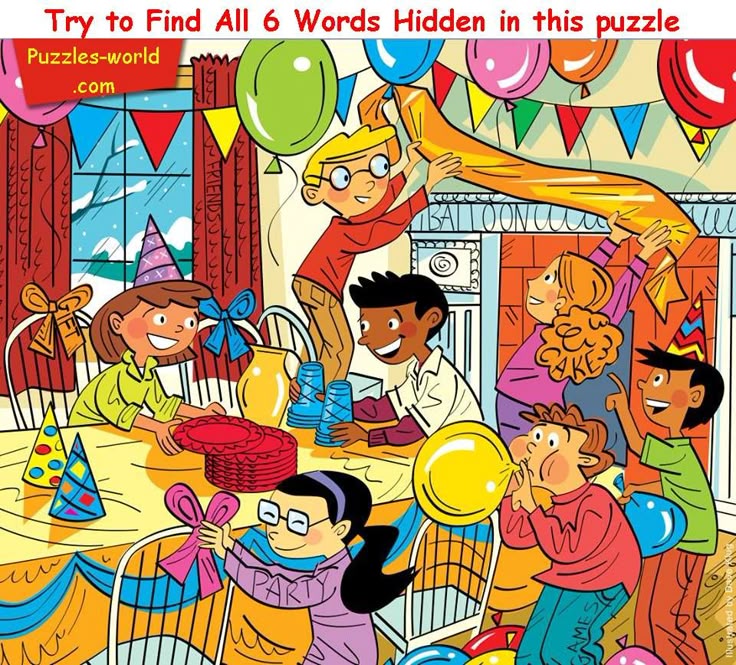
Only about 5% of our readers at riddlepuzzle.com can solve this one in under 60 seconds. This is the pinnacle of spot the object gaming.
The Challenge: In an image of a complex mechanical clockwork interior—filled with hundreds of golden gears, copper pipes, and puffing steam—find the single tiny ladybug.
7. The Benefits of Hidden Object Puzzles for All Ages
These puzzles aren’t just for kids! In fact, they offer significant benefits across the lifespan:
-
For Children: They improve hand-eye coordination and vocabulary. As they find hidden pictures, they learn the names of new objects and improve their attention to detail.
-
For Adults: They serve as a perfect “mindfulness” break. You cannot solve a difficult visual search puzzle while worrying about your emails. It requires total presence.
-
For Seniors: Research suggests that “brain games” and visual puzzles can help maintain cognitive flexibility and improve short-term memory.
8. Why RiddlePuzzle.com is the Best Place for Challenges
At riddlepuzzle.com, we don’t just find images; we curate experiences. Our hidden object puzzles are designed by artists who understand the psychology of sight. We ensure that every puzzle is:
-
Fair but Firm: There are no “impossible” pixels. If you look long enough, the object is there.
-
Visually Stunning: We believe that the art should be as beautiful as the puzzle is challenging.
-
Engaging: We provide hints and community leaderboards so you can see how you stack up against other puzzle enthusiasts.
9. Visual Search Puzzles in the Digital Age
While paper-and-pencil puzzles will always have a place in our hearts, the digital era has allowed spot the object challenges to evolve. We now have:
-
Animated Hidden Objects: Where the object might only appear when a certain part of the image moves.
-
Zoomable Puzzles: Where you have to dive deeper and deeper into a “fractal” image to find the hidden icons.
-
Timed Blitzes: Where the pressure of the clock adds a whole new layer of difficulty to the visual search puzzle.
Conclusion: Keep Your Eyes Sharp!
Whether you solved all our challenges today or you’re still hunting for that ladybug in the gears, remember that the joy is in the journey. Hidden object puzzles are a celebration of human curiosity and our innate desire to find order in chaos.
Thank you for taking the Visual Puzzle Challenge with us. Keep practicing, keep your eyes moving, and never stop looking for the details that others miss!
For more riddles, mind games, and visual search puzzles, make sure to bookmark riddlepuzzle.com. We update our challenges weekly to ensure your brain never gets a day off!
Frequently Asked Questions (FAQs)
Q: Why can’t I ever find the objects in these puzzles?
A: You might be looking “too hard.” Sometimes, a “soft focus” (where you relax your eyes and look at the image as a whole) allows the brain to detect anomalies better than an intense, focused stare.
Q: Are these puzzles good for my eyesight?
A: While they won’t change your prescription, they do improve “visual literacy” and “scanning speed,” which can make you feel more observant in your daily life.
Q: What is the hardest type of hidden object to find?
A: Usually, items hidden in “negative space” (the empty space between two other objects) are the hardest, because our brains are programmed to look at things, not the space between things.
Q: Can I create my own hidden object puzzles?
A: Absolutely! Take a photo of a messy desk, and then hide a small coin or paperclip in it. Show the photo to a friend and see if they can find it!
Q: How many objects are usually in a professional visual search puzzle?
A: On riddlepuzzle.com, our challenges usually range from 1 to 20 objects depending on the difficulty level.