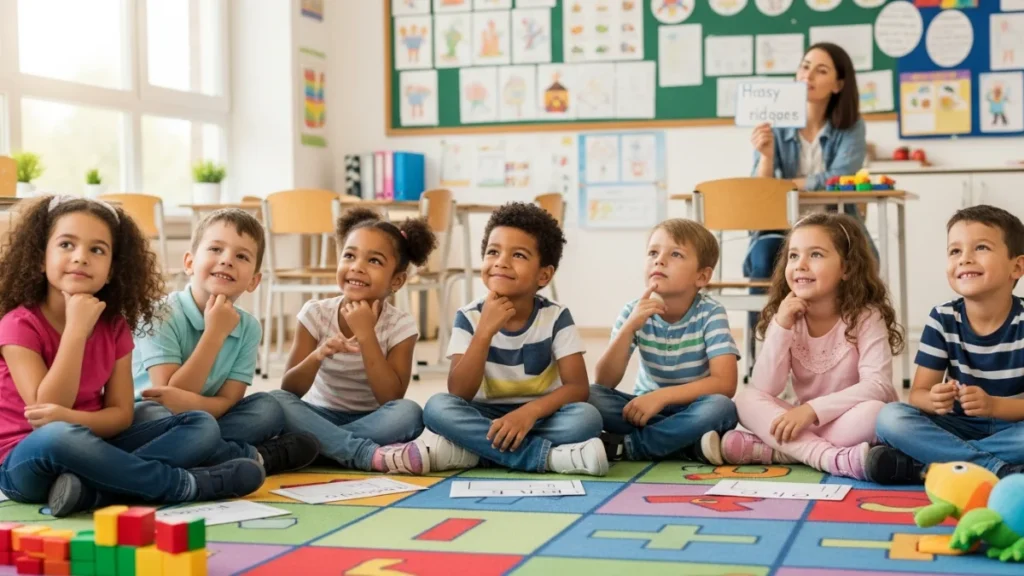
Riddles are a fun way to engage children while helping them think creatively. Kids love solving riddles because it feels like a little adventure. Easy kid riddles are perfect for young minds just starting to explore logic.
These riddles are simple, playful, and come with answers for instant fun. Sharing riddles also encourages social skills, as children love to challenge friends. They can be used in classrooms, at home, or during family gatherings for entertainment.
Easy Kid Riddles
Riddles are a wonderful tool to encourage curiosity in children. They spark imagination while teaching problem-solving in a fun way. Simple riddles make kids laugh and think without causing frustration.
Here, we focus on riddles that are easy to understand and answer. They also help children improve focus and memory naturally. Using easy riddles daily can make learning feel like a game rather than a chore.
Very Easy Riddles for Young Kids
These riddles are best for ages four to six. They use simple words and familiar objects. Kids can answer these riddles quickly and feel accomplished. Here are some examples in a clear table:
| Riddle | Answer |
|---|---|
| What has hands but cannot clap? | A clock |
| What has a face and two hands but no arms? | A clock |
| What has keys but can’t open doors? | A piano |
| What has wheels and flies but is not alive? | A garbage truck |
| I’m round and yellow, shining in the sky. What am I? | The sun |
These riddles are short and fun, which makes learning feel like a game instead of work. Kids remember them easily and love sharing them with friends. They also help improve focus and naturally build vocabulary. Fun themes, such as perfume riddles, make children more curious and excited to think creatively. Using riddles often boosts confidence in answering questions, and young kids usually giggle with joy when they finally discover the correct answers.
Easy Riddles for School Kids
For ages seven to ten, riddles can be slightly more challenging. They encourage logical thinking while keeping it simple. These riddles are great for classrooms or home activities. They also help children think critically about everyday objects. Kids love the excitement of guessing before checking answers. Solving these riddles together encourages collaboration and discussion.
| Riddle | Answer |
|---|---|
| What can travel around the world while staying in one spot? | A stamp |
| I’m tall when I’m young, short when I’m old. What am I? | A candle |
| What has a neck but no head? | A bottle |
| What gets wetter the more it dries? | A towel |
| What has cities but no houses, forests but no trees? | A map |
These riddles teach children to think beyond literal meanings. They develop creativity while keeping the content light. School-aged kids enjoy sharing these with classmates. They also playfully reinforce logical reasoning. Teachers can use them as fun classroom exercises.
Fun and Funny Riddles for Kids
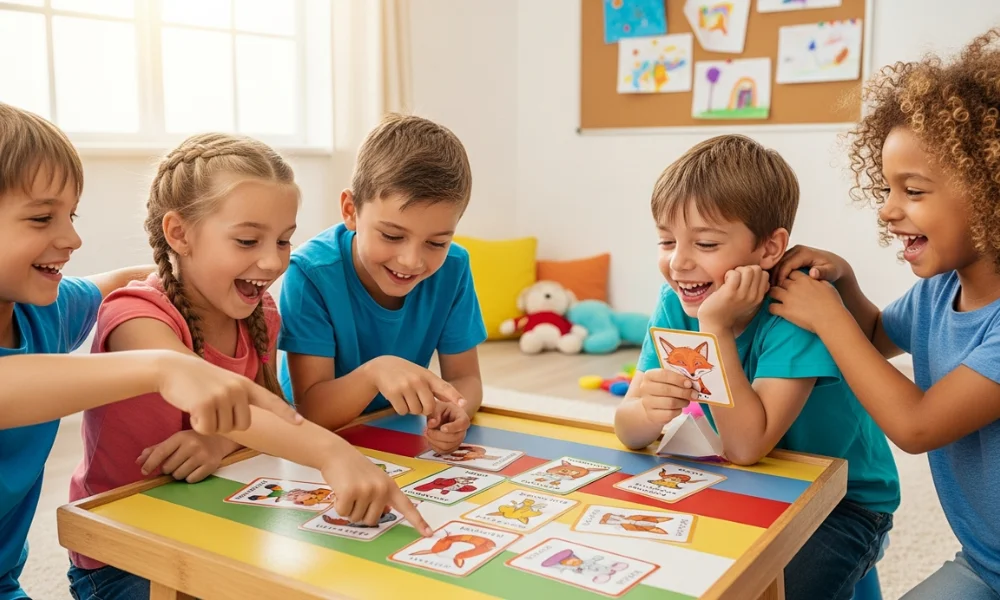
Humor makes riddles even more engaging for children. Funny riddles hold their attention while encouraging critical thinking and quick problem-solving. Creative themes, such as Hyrule riddles, add a playful twist that sparks imagination and keeps kids curious. These riddles are great for parties, classrooms, or family game nights.
Laughter mixed with learning helps children remember riddles for a longer time. Funny riddles also improve verbal skills as kids explain their answers out loud. They are perfect for building strong bonds between friends and family while making learning fun.
Funny Easy Kid Riddles
Here are some lighthearted riddles that make kids giggle:
| Riddle | Answer |
|---|---|
| Why did the banana go to the doctor? | Because it wasn’t peeling well |
| Why did the math book look sad? | It had too many problems |
| What do you call a bear with no teeth? | A gummy bear |
| Why did the kid bring a ladder to school? | To reach the high grades |
| What has one eye but can’t see? | A needle |
Funny riddles make children comfortable with learning. They combine humor with simple thinking challenges. Kids also remember jokes faster than regular facts.
Sharing funny riddles can improve social interaction at school or at home. They give kids a sense of accomplishment when answers are correct. Funny riddles help reduce stress while keeping learning playful.
Short Easy Riddles for Kids
Short riddles are perfect for quick games or bedtime stories. They are easy to read and answer in just a few seconds. These riddles are ideal for keeping children engaged without overwhelming them. They are especially helpful for younger kids with shorter attention spans. Short riddles are also excellent for group activities and parties. Children can compete or play in teams while solving them.
| Riddle | Answer |
|---|---|
| I’m light as a feather, but you can’t hold me long. What am I? | Breath |
| What has a tail but no body? | A coin |
| I speak without a mouth and hear without ears. What am I? | An echo |
| What goes up but never comes down? | Age |
| What has an eye but cannot see? | A needle |
Short riddles are great for boosting quick thinking and problem-solving skills. Kids enjoy the sense of achievement they feel after answering them correctly. These riddles also work well in group activities, making learning more interactive. A mix of short and medium riddles helps develop memory and reasoning skills at the same time. They are perfect for on-the-go learning sessions and make classroom games or family activities fun and simple.
Why Easy Riddles Are Good for Kids
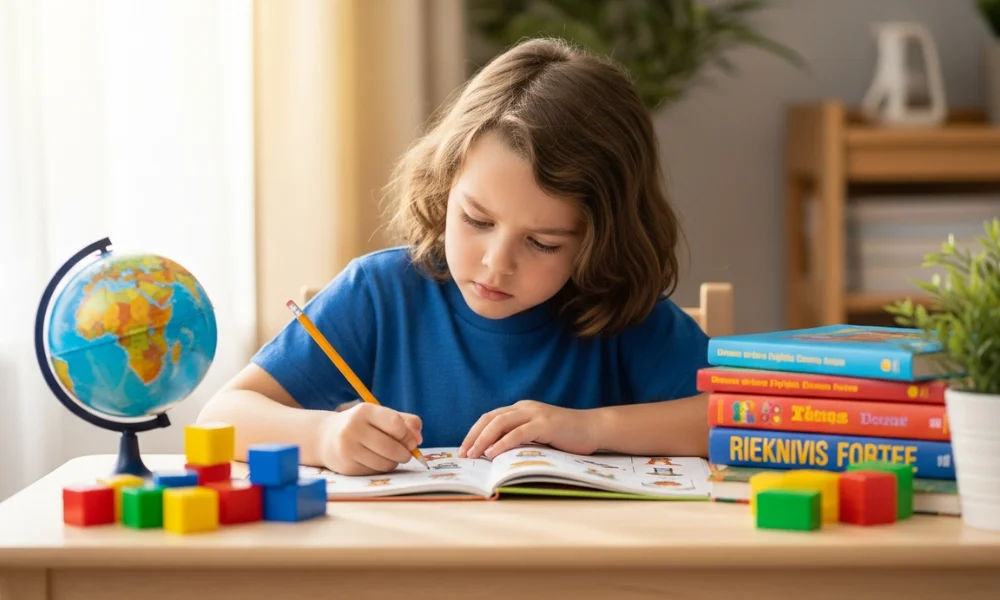
Riddles are not only fun but also educational. They teach problem-solving, logic, and vocabulary. Easy kid riddles help children learn without feeling pressured. They encourage social interaction when kids share riddles with friends.
Riddles improve memory by requiring children to recall answers. Additionally, they promote patience as kids think through answers. Using riddles regularly enhances critical thinking and analytical skills naturally.
Educational Benefits of Easy Riddles
-
Improve reasoning and critical thinking skills
-
Enhance vocabulary and language comprehension
-
Encourage imagination and creativity
-
Foster social interaction and collaboration
-
Build confidence in problem-solving
Easy riddles are more than entertainment; they are learning tools. Children enjoy solving them while developing key cognitive skills. Teachers and parents can integrate them into interactive learning tools for children. Riddles make learning interactive and enjoyable. They provide a break from traditional study methods. Kids gain confidence in expressing ideas while solving riddles.
Tips for Using Riddles with Kids
-
Start with very easy riddles and gradually increase the difficulty
-
Use riddles as part of games or learning sessions
-
Encourage children to make their own riddles
-
Reward correct answers with praise or small treats
These strategies keep riddles fun and educational. Kids stay motivated and look forward to solving more. Riddles become a bonding activity in families and classrooms. Sharing riddles improves communication and social skills. Children enjoy the challenge of creating and explaining their own riddles. It turns learning into an interactive and enjoyable activity.
Conclusion: Easy Kid Riddles
Easy riddles for kids are a perfect way to combine fun and learning. They stimulate the mind, enhance vocabulary, and encourage creativity. Using simple, funny, and short riddles ensures every child can participate. Whether at home, school, or parties, riddles bring smiles and learning together.
Start with these riddles and watch children enjoy, laugh, and learn naturally. Riddles are not only a pastime but a tool for growing minds. Sharing riddles regularly makes learning a joyful and interactive experience for every child.