There is a big difference between a casual movie viewer and a true film fan. Casual viewers only remember catchy lines or big explosions. However, true film buffs notice the texture of the light and the shapes in the room. They see the deep emotions packed into a single, still image. Directors and cinematographers spend hours setting up a single shot. They want to tell a story without using any words at all. Consequently, you can often identify a cinematic masterpiece by looking at just one picture.
Testing your film knowledge with a visual challenge is incredibly fun. In fact, it sharpens your memory and forces you to notice tiny details. Furthermore, it gives you a fresh appreciation for great filmmaking.
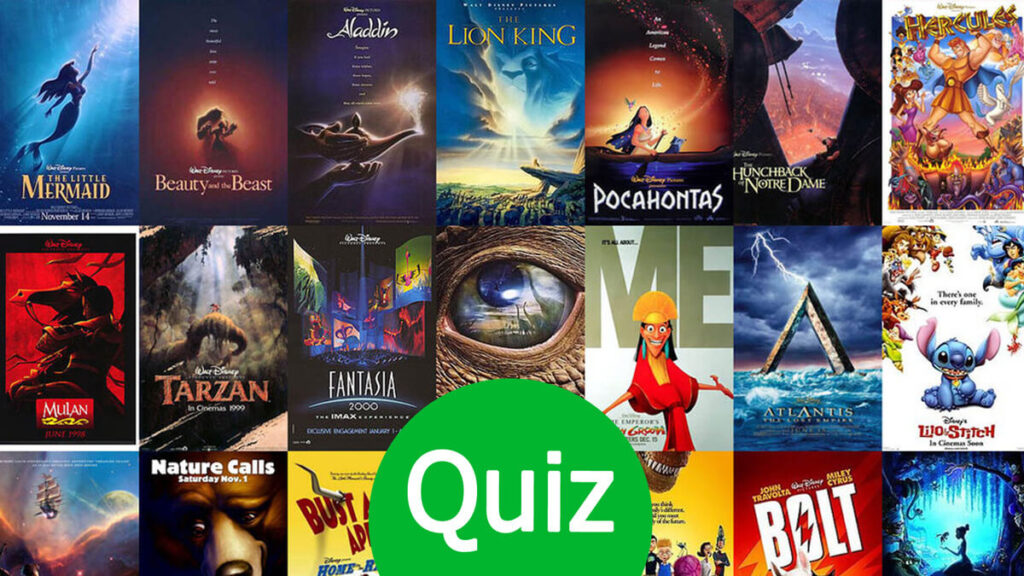
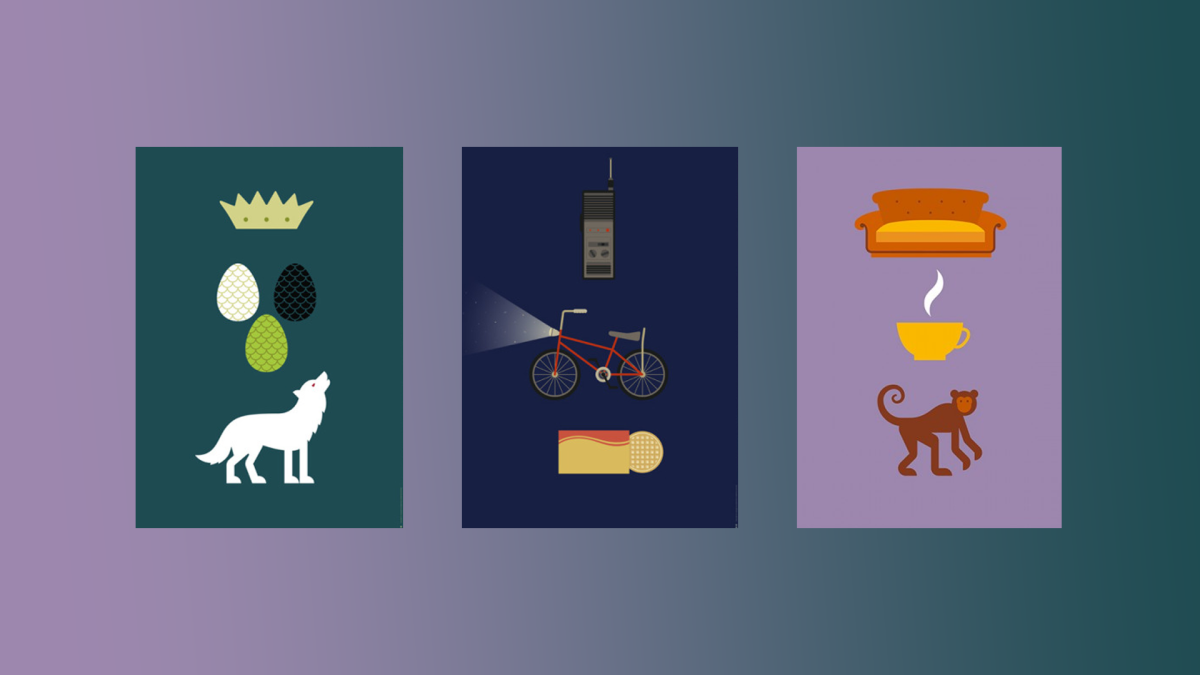
Are you looking for an entertaining guess the movie picture quiz for a party? Or do you want a structured movie frame quiz to challenge your friends? This complete guide to the Guess the Movie From a Picture: Frame Puzzle Challenge will upgrade your movie-watching skills today.
Part 1: The Secret Design of a Movie Frame
To win a guess the film picture game, you must understand how directors think. Film professionals never place an object in a scene by accident. On the contrary, every single prop and light fixture serves a specific purpose.
The Clues Hidden in Color Palettes
First, look closely at the colors in the image. Directors use specific color schemes as a visual signature. Therefore, color is a massive clue in any movie scene puzzle.
For example, imagine a picture filled with cold neon blues and high-contrast greens. Your brain should instantly think of early 2000s sci-fi thrillers. Conversely, imagine a scene flooded with warm pastel pinks and perfectly balanced yellow tones. In this case, you are likely looking at a Wes Anderson film. By recognizing these color habits, you can easily narrow down the era and director of a film picture puzzle. This isn’t just a fan theory the American Society of Cinematographers regularly breaks down how professional colorists and directors of photography build a film’s color palette on purpose
Decoding Visual Frame Elements
This same observation skill is exactly what you’ll practice in our top 45 visual puzzles with answers, where hidden shapes and patterns reward the same close, detail-first looking.
| Visual Clue | What It Means | Common Genre |
| Heavy Dark Shadows | The character has a dark secret or faces danger. | Film Noir / Thriller |
| Ultra-Wide Widescreen | The scene takes place in a massive, open space. | Epic / Western / Sci-Fi |
| Extreme Close-Ups | The focus is entirely on an eye or a tiny object. | Suspense / Drama |
| Perfect Center Balance | The subject sits exactly in the middle of the frame. | Stylized Comedy / Art-House |
Part 2: Step-by-Step Picture Movie Quiz Strategy
Most people play a guess the movie game by looking only at the actor’s face. If they do not know the actor, they immediately give up. However, experts look around the subject. You can find the correct title by analyzing the background details instead.
Step 1: Check the Image Quality
First, look at the physical texture of the image. Is the frame perfectly smooth and crisp? If so, it was likely shot on modern digital cameras.
On the other hand, look for soft, warm film grain. Grain points directly to older movies shot on classic 35mm film. Additionally, check the shape of the screen. A boxy frame means you are viewing an old Hollywood classic. Meanwhile, wide layouts reveal a modern production. Your eyes can also be fooled the way they are in these optical illusions with answers that trick your brain, which explain how texture and contrast shape what you perceive in a still image.
Step 2: Hunt for Background Props
Second, scan the background of the movie image quiz for historical markers. You can easily find helpful hints by looking past the main characters:
-
Car Designs: The shapes of the cars on the street instantly reveal the decade.
-
Signs and Fonts: Look at storefront text and old newspapers. The style of the writing clarifies the geographic setting.
-
Clothing Details: Pay attention to jackets and watches. A specific collar style can pinpoint an exact year.
Step 3: Identify the Director’s Style
Third, look for unique visual habits. Every legendary director leaves behind a clear creative fingerprint.
For instance, Quentin Tarantino loves low-angle “trunk shots.” His camera looks up at characters from inside a dark car trunk. Meanwhile, Steven Spielberg often uses slow close-ups of characters staring off-screen in complete shock. Recognizing these specific habits turns a hard movie still quiz into a simple matching game.
Part 3: Advanced Tips to Win the Guess the Movie Challenge
If you want to master the guess the movie challenge, you must train your eyes to read camera settings. The choice of camera lens completely changes how a scene looks.
Look at Lens Depth and Focus
A wide-angle lens distorts the edges of the picture. As a result, objects seem very far apart. This lens choice pulls you directly into a chaotic scene.
Conversely, a telephoto lens compresses the space. Because of this, distant background buildings look massive right next to an actor’s head. Furthermore, notice the focus. Is the background completely blurry? This shallow focus keeps your eyes glued to the actor. If everything is razor-sharp, the director wants you to study the entire room.
Follow the Direction of the Light
Sometimes, an image shows a character with their back completely turned to the camera. Do not panic when this happens. Instead, look at the light sources.
Is the room lit by the flickering blue glow of a television screen? Or is the scene warmed by the soft, moving orange light of a campfire? The color and direction of the light reveal the mood of the story. Consequently, these clues guide you straight to the correct answer. Decoding a single frame is a lot like decoding a picture-based code try our emoji riddles with answers, where movies and phrases hide behind simple visual symbols the same way.
Part 4: How Film Eras Changed Over Time
To keep winning these visual puzzles, you must understand how movie styles changed over the decades. Every major film era has its own look.
The Old Hollywood Era (1930s – 1950s)
This era features glamorous, carefully controlled lighting. Even in dark black-and-white scenes, a bright rim of light separates the actors from the background. The costumes are always perfect, and the sets feel like grand theatrical stages.

The New Wave Era (1960s – 1970s)
During this time, filmmakers abandoned pristine studio sets. Instead, they shot raw stories on real city streets using natural sunlight. Therefore, frames from this era feature heavy grain, shaky handheld camera work, and realistic crowds.
The Modern Digital Era (2000s – Present)
Modern movies use advanced digital sensors and computer graphics. As a result, the images are incredibly clean and sharp. This era is defined by intense digital color filtering and massive virtual worlds.
Conclusion
Winning a Guess the Movie From a Picture: Frame Puzzle Challenge proves that you truly understand the visual language of cinema. By studying background props, color signatures, and lighting styles, you can easily decode any movie puzzle. Just use your eyes like a detective, scan the entire canvas, and enjoy the art of film.
Are you looking for more visual puzzles, word games, and brain teasers? Check out the interactive puzzle collection at riddlepuzzle. Grab a friend, start a new challenge, and test your brain today.
Frequently Asked Questions
What is the best way to practice for a movie quiz?
The best method is active watching. When you watch films at home, turn off your phone. Pause the movie occasionally and study the background details to figure out the director’s goals.
How do I guess a film if I do not know the actors?
Look past the actors completely. Study the architecture of the buildings, the style of the clothing, and any visible text. These elements reveal the genre and the decade.
Why do some movie pictures have black bars on the top and bottom?
This layout is called letterboxing. It happens when a wide theatrical film is displayed on a standard widescreen monitor. The black bars ensure you see the complete, original picture without any cropping.