Can you take a chaotic page covered in hundreds of scattered numbered dots and guide your pen to reveal a beautiful, intricate landscape or a majestic creature? If you love a good connect the dots game or want to enjoy a relaxing, low-stress mental workout, diving into connect the dots puzzles is the perfect way to spend an afternoon.
To complete an advanced dot to dot puzzles challenge successfully, you must look past the initial random clutter of numbers. Instead, you need to train your eyes to track chronological sequences, maintain steady hand-eye coordination, and follow complex geometric lines. Therefore, it serves as an excellent educational tool for young children and a highly popular mindful relaxation activity for adults.
When you take on a modern connect the dots challenge, your brain undergoes a unique visual journey. You start with a blank canvas of raw coordinates, and through deliberate sequence tracking, you gradually bring a hidden illustration to life. This comprehensive guide breaks down the cognitive science behind line puzzles, details the massive shift toward adult complexity levels, and shares expert tips to help you solve a hard connect the dots layout without breaking your pencil line.
Why the Number Dot Puzzle is an Elite Mindfulness Tool
Many people mistakenly assume that linking dots is a basic activity meant solely for early childhood development. While connect the dots for kids remains a foundational staple for teaching motor controls and counting skills, the activity has evolved into a global phenomenon for all ages.
When you sit down with a dense number dot puzzles book or application, your brain enters a state of cognitive flow. This focus quietens your amygdala the region of your brain responsible for processing fear and daily stress. If you enjoy this kind of calming, focus-driven challenge, our collection of logic puzzles to solve when you’re bored explains why this type of mental exercise benefits your brain in similar ways.
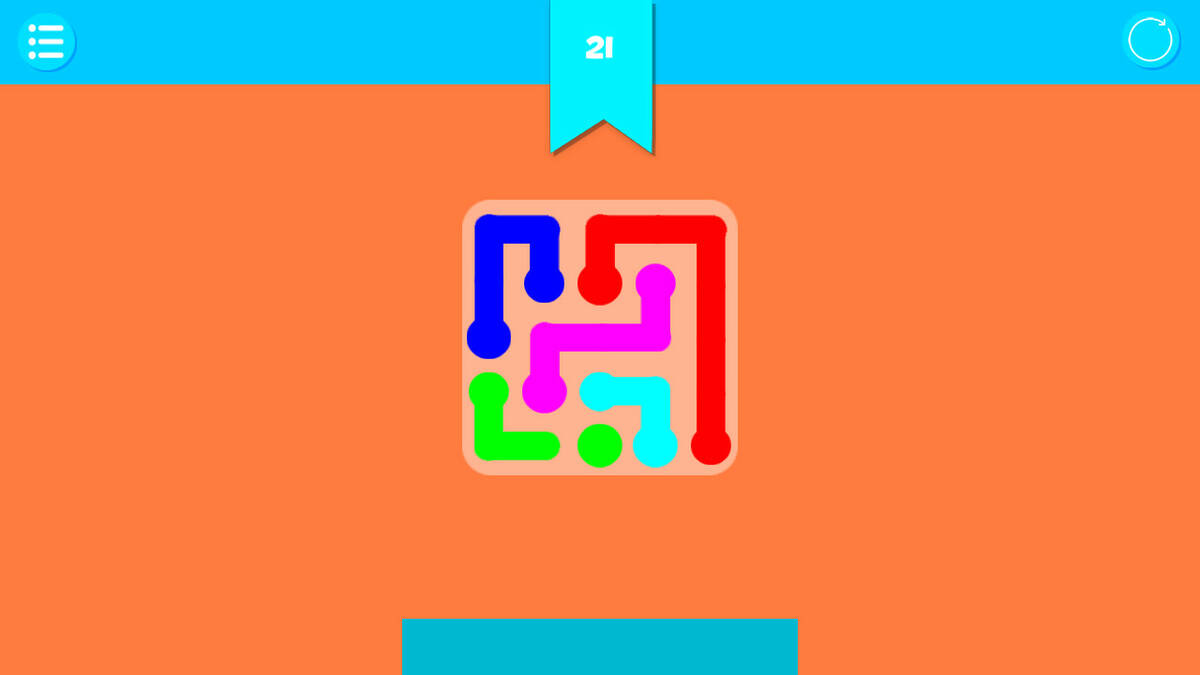
These puzzles require your brain to manage small, incremental tasks sequentially. Because you only have to look for the next consecutive number, your mind sheds complex real-world worries and focuses entirely on the immediate present line. Consequently, this linear concentration reduces mental fatigue and sharpens spatial awareness.
The Evolution of Complexity: From Kindergarten to Adults
The structural design of dot challenges changes drastically depending on the intended age bracket. Let us analyze the distinct layout differences between simple and extreme styles.
Simple Connect the Dots Worksheets
Designed primarily for young learners, these sheets typically feature 20 to 50 large, widely spaced dots. The numbers follow a simple linear sequence or basic intervals. Furthermore, the overall silhouette of the object is usually visible before the child even touches a crayon. Parents looking for more age-appropriate activities can also check out our printable puzzle worksheets for kids for free downloadable options.
Furthermore, the overall silhouette of the object, such as an apple or a simple cat is usually visible before the child even touches a crayon. This explicit layout provides positive reinforcement for kids learning spatial patterns.
Extreme Dot to Dot for Adults
Modern adult variations represent an entirely different caliber of engineering. These intricate masterpieces feature anywhere from 500 to over 2,000 microscopic dots tightly packed across a single page. A single puzzle can take between 30 minutes to two hours of intense concentration to complete. Research published by the National Institutes of Health has explored how sustained, focused tasks like these can support attention span and cognitive engagement across different age groups.
The numbers are intentionally rendered in tiny fonts, and the dots are mixed so densely that it is completely impossible to guess what the image is beforehand. A single puzzle can take between 30 minutes to two hours of intense concentration to complete.
Technical Layouts: How Designers Hide the Image
Puzzle engineers utilize several clever visual tactics to ensure the final image stays hidden until the very last lines connect. Let us look inside the design mechanics of a premium connect the dots printable page.
Multi-Color Sequence Grouping
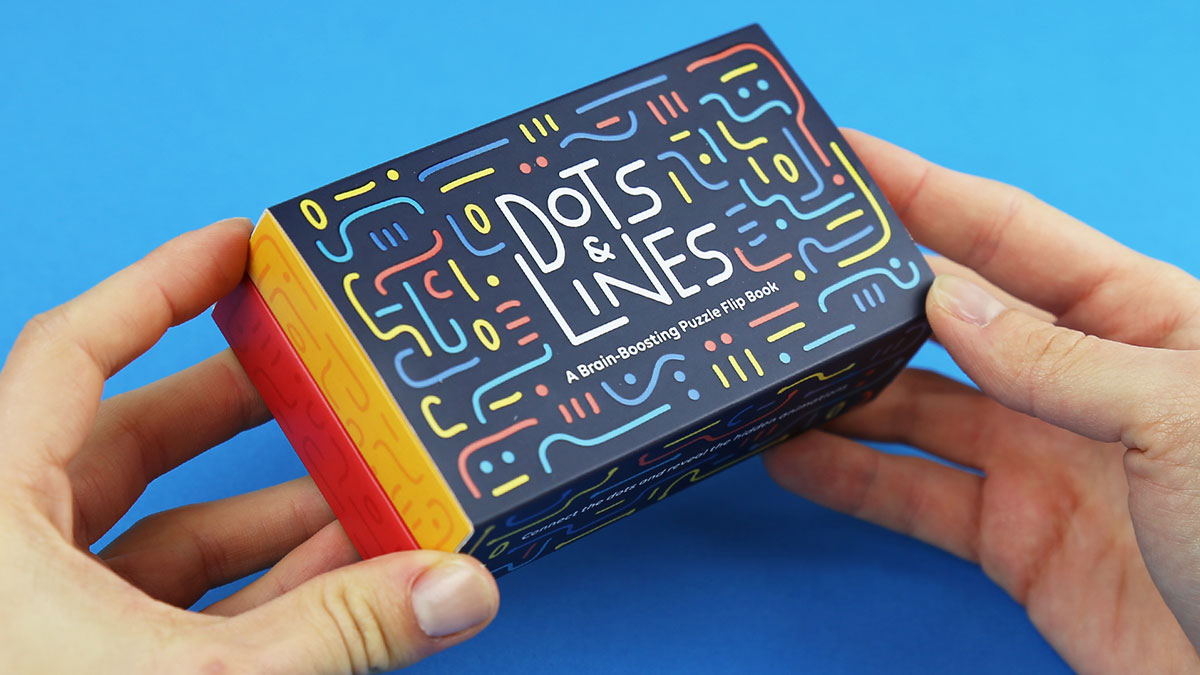
To prevent a giant block of 1,000 numbers from becoming a confusing mess, designers often split the puzzle into distinct color-coded phases. For example, lines 1 through 150 might be printed in blue ink, while lines 151 through 300 shift to green. This visual system helps your eyes find the next target zone without getting lost in an ocean of black dots.
Scattered Geometric Intersections
A common trick to hide a silhouette is inserting dummy geometric lines or using a “skip-line” mechanic where the path jumps across the page to form background environments before returning to finish the main subject. This scattering ensures that your pen cuts through the center of the white space repeatedly, destroying any early outline clues.
Intentionally Varied Point Density
Designers alter the physical spacing between numbers across different regions of the canvas. An area representing a highly detailed face might pack 100 dots inside a single square inch, while a smooth background sky might spread 20 dots across several inches. This variation creates optical camouflage that tricks your brain’s natural shape-finding shortcuts.
Master Checklist: Common Tracking Obstacles That Foil Players
Even experienced puzzle solvers can get tripped up by common formatting variations found in premium connect the dots online platforms. If tricky visual formats interest you, our roundup of optical illusions that will break your brain explores a similar kind of visual trickery designed to challenge your perception.
| Common Tracking Trap | Why It Ruins the Image | Best Correction Strategy |
| Microscopic Font Overlap | When dots sit too close together, the numbers 6, 8, and 9 can blend, causing an accidental sequence jump. | Use a fine-tip mechanical pencil and keep a magnifying lens or smartphone zoom tool handy to verify small loops. |
| The Multi-Page Break | Large posters spread the sequence across fold lines, causing players to lose the next consecutive number trail. | Before drawing, scan the immediate edge of the opposite page to locate where the numeric sequence resumes. |
| Missing Intersecting Nodes | High-speed drawing can cause you to overshoot a dot, creating loose loops that alter the final illustration. | Keep your wrist firmly anchored on the table surface and pull the line slowly using controlled, short strokes. |
| Symbol/Shape Transitions | Advanced adult puzzles sometimes switch from standard numbers to symbols (like tiny stars or squares) to signal a new line path. | Read the map key at the top of the sheet to understand what each unique shape marker represents before starting. |
Pro Strategies to Ace a Hard Connect the Dots Challenge
If you want to complete massive visual reveals with absolute precision, you need a systematic method. Use this three-step strategy during your next connect the dots challenge. For more brain-training techniques that sharpen focus and pattern recognition, our guide to brain games that improve memory and concentration offers additional exercises worth trying.
Step 1: Establish Your Lighting and Gear Stations
Never attempt a high-density adult puzzle under dim, ambient living room lights. The microscopic numbers require bright, direct task lighting to prevent intense eye strain. Pair your workspace with a hard drafting surface and a fine-point pen or sharp pencil that will not smudge across the page as your palm moves over completed sections.
Step 2: Use the Finger-Anchor Tracking System
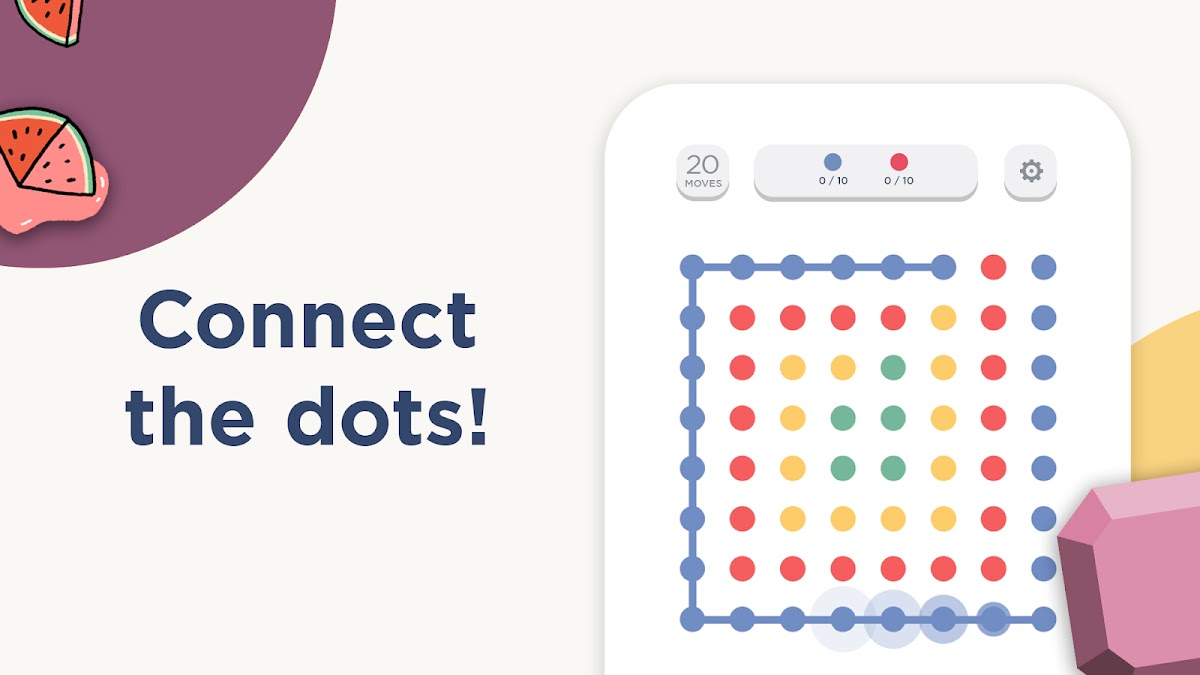
When searching for the next number in a dense cluster, do not just move your pen blindly across the paper. Place the index finger of your non-dominant hand directly over the current number dot, and use your eyes to scout ahead for the target. Once you locate the next digit, guide your pen smoothly from your finger anchor straight to the new coordinate.
Step 3: Master the “Lift and Pause” Technique
Not every connect-the-dots line should be a continuous, unbroken thread. Many complex puzzles feature explicit instructions to lift your pen at specific numbers (e.g., “Stop at 240, restart at 241”). Always check for these special bold indicators or break symbols to ensure you do not accidentally draw an ugly line right through the center of a beautiful face or background sky.
Summary of Linear Puzzle Success
To summarize, successfully conquering a complex dot-to-dot puzzle comes down to replacing hurried drawing with a patient, structured sequence method. By using bright direct lighting, utilizing the finger-anchor system to track numbers, and respecting explicit lift instructions, you can easily reveal even the most highly camouflaged hidden pictures.
The secret is to enjoy the rhythmic, meditative pace of the tracking journey and trust the geometric layout coordinates. Here at Riddlespuzzle, we believe that giving your brain a focused, creative break is the best way to hit reset during a hectic day. Over time, your hands and eyes will coordinate seamlessly to unlock stunning works of art from simple clouds of dots.
If you are looking for free, high-quality connect the dots printable sheets, mind-bending visual teasers, and logic blueprints to keep your mind sharp every single day, explore our growing start-up media library right here at riddlespuzzle.com.
Frequently Asked Questions (FAQs)
What are the main developmental benefits of connect the dots for kids?
These puzzles are incredible tools for improving a child’s fine motor controls, strengthening their pencil grip, and reinforcing number sequencing habits. They also help kids develop early spatial awareness and teach the patience required to finish structured tasks from start to finish.
Where can I find high-quality connect the dots printable pages?
You can find thousands of diverse, ready-to-print layouts across specialized educational sites and hobby blogs. Platforms like riddlepuzzle.com offer an excellent collection of engaging brain teasers, visual challenges, and logic printables designed to keep your mind active.
Can you play a connect the dots game digitally on a tablet?
Yes. There are numerous mobile applications and online platforms designed specifically for digital styluses. Playing on a tablet allows you to zoom in infinitely on dense number clusters, change line colors instantly, and erase mistakes without damaging physical paper fibers.
What should I do if I completely lose the next number in the sequence?
Do not panic or draw random lines. Take a deep breath, widen your visual focus to look at the surrounding white space in a circular spiral pattern away from your last dot, or look ahead for the number after the missing one (e.g., look for 45 if you cannot find 44) to locate the target zone.
Why do some lines in adult puzzles look weirdly jagged or out of place?
Extreme puzzles are designed to look abstract and jagged during the initial drawing stages. Trust the mathematical coordinates of the layout; those seemingly random spikes often turn into highly detailed textures—like fur strands, leaves, or shadow gradients—once the entire image is fully connected.
Thank you for exploring this ultimate guide to hidden picture reveal puzzles. For more exciting visual games, mind-bending riddles, and interactive logic challenges, make sure to visit riddlepuzzle.com to keep your mind sharp and active every single day.