Birthday Party Games for Kids They Will Love
Birthday party games for kids are what turn a good birthday into the party everyone talks about at school on Monday. The right birthday party games for kids need almost no expensive equipment, take minutes to explain, and keep every guest involved instead of standing at the edges watching. This guide has 22 games for ages 3 to 12, each with player numbers, age ranges, what you need, and clear rules, so you can plan a whole party with confidence. Pick two loud games, two quiet ones, and one big finale game, and the afternoon will run itself.
Before the first game starts, a few host tricks will save the day. Lay out a small prize table with stickers, bubbles, and little wrapped treats, because even tiny prizes make children try their hardest. Keep most games to ten minutes or less, and always have the next game ready so energy never dips between rounds. Mix the teams so best friends are split up, and let shy children join a team instead of performing alone in front of everyone. If older siblings or parents want their own fun while the children play, the best party games for adults have plenty of ideas that work at the grown-ups table.
Classic Birthday Party Games
These are the games parents remember from their own childhood birthdays, and they still work because the rules are simple and the excitement is real.
1. Musical Chairs
Players: 6 to 20. Ages: 4 to 10. What you need: One chair fewer than the number of players, plus music. How to play: Set the chairs in a circle facing outward and play music while the children walk around them. When the music stops, everyone rushes to sit down, and the child left standing is out. Remove one chair each round until only one player is left sitting.
2. Pin the Tail on the Donkey
Players: 4 to 20. Ages: 3 to 8. What you need: A large poster of a donkey or any animal, paper tails with sticky tack, and a blindfold. How to play: Hang the poster on a wall at child height. Blindfold one player, spin them around gently three times, and let them try to stick the tail as close to the right spot as they can. Mark each attempt with the child’s name, and the closest tail at the end of the game wins.
3. Pass the Parcel
Players: 6 to 20. Ages: 4 to 10. What you need: A small prize wrapped in many layers of paper, with a tiny treat or forfeit tucked into some layers, plus music. How to play: Children sit in a circle and pass the parcel around while the music plays. When the music stops, the child holding the parcel unwraps one layer and keeps any treat inside. Keep going until the final layer reveals the main prize.
4. Pinata Smash
Players: 5 to 25. Ages: 4 to 12. What you need: A pinata filled with wrapped sweets and small toys, a light stick or bat, a blindfold, and a rope to hang it from a tree branch or beam. How to play: Hang the pinata at about head height for the youngest players. Blindfold each child in turn, spin them once, and give them three swings while the others chant and cheer. When it breaks, everyone scrambles for the treats, so hand out a small bag to each child first.
5. Musical Statues
Players: 5 to 30. Ages: 3 to 10. What you need: Music and an open space. How to play: Play music while the children dance as wildly as they like, then stop it without warning. Everyone must freeze like a statue, and anyone caught wobbling, giggling, or moving is out for that round. Restart the music and repeat until one statue is left standing.
6. Hot Potato
Players: 6 to 20. Ages: 3 to 8. What you need: A soft ball, beanbag, or rolled-up pair of socks. How to play: Children sit or stand in a circle and pass the potato quickly from hand to hand while music plays or an adult counts down with their eyes closed. When the music stops, the child holding the potato is out or must do a funny forfeit such as roaring like a lion.
Active Birthday Party Games
High-energy games are perfect for garden parties and sunny afternoons. Run one after the cake, when sugar levels peak and everyone needs to burn off some excitement.
7. Sack Race
Players: 4 to 20. Ages: 5 to 12. What you need: One sack or old pillowcase per player, and a start and finish line marked with cones or string. How to play: Each child steps into a sack, holds it up around their waist, and hops to the finish line. Falling over is part of the fun, so run it on soft grass and keep the course short, about ten metres.
8. Three-Legged Race
Players: 4 to 20, in pairs. Ages: 6 to 12. What you need: A scarf, ribbon, or bandage to tie each pair’s inside legs together, plus a start and finish line. How to play: Tie the right leg of one partner to the left leg of the other, then let each pair work out how to walk or hop in step. The first pair across the finish line wins, but the real prize is watching pairs who cannot agree on which foot goes first.
9. Egg and Spoon Race
Players: 4 to 20. Ages: 5 to 12. What you need: One spoon and one egg per player, or a small ball for younger children. How to play: Each child balances an egg on a spoon and walks or runs to the finish line without dropping it. If the egg falls, the player must stop, pick it up, and carry on from that spot.
10. Treasure Hunt
Players: 4 to 25. Ages: 5 to 12. What you need: A set of written or picture clues, small hidden treasures, and a final prize. How to play: Hide clues around the garden or house before the party, each one leading to the next hiding place. Split the children into teams and give each team the first clue at the same time. The first team to follow the trail to the treasure chest wins, but make sure the chest holds enough treats for every child.
11. Balloon Pop Relay
Players: 6 to 24, in teams. Ages: 6 to 12. What you need: Plenty of blown-up balloons and two chairs, one per team. How to play: Each team lines up behind a chair, and on the signal the first player runs to the chair, sits on a balloon to pop it, then runs back to tag the next player. The first team to pop all of its balloons wins.
12. Water Balloon Toss
Players: 4 to 20, in pairs. Ages: 6 to 12. What you need: Water balloons, a bucket, and towels. How to play: Partners stand facing each other a short distance apart and toss a water balloon gently back and forth. After each successful catch, both partners take one step back. The pair that keeps their balloon unbroken the longest wins, and everyone else gets delightfully wet when theirs bursts.
Quiet Birthday Party Games
Every party needs a calm stretch. These games let children catch their breath, and they are ideal while food is being served or while you wait for late arrivals.

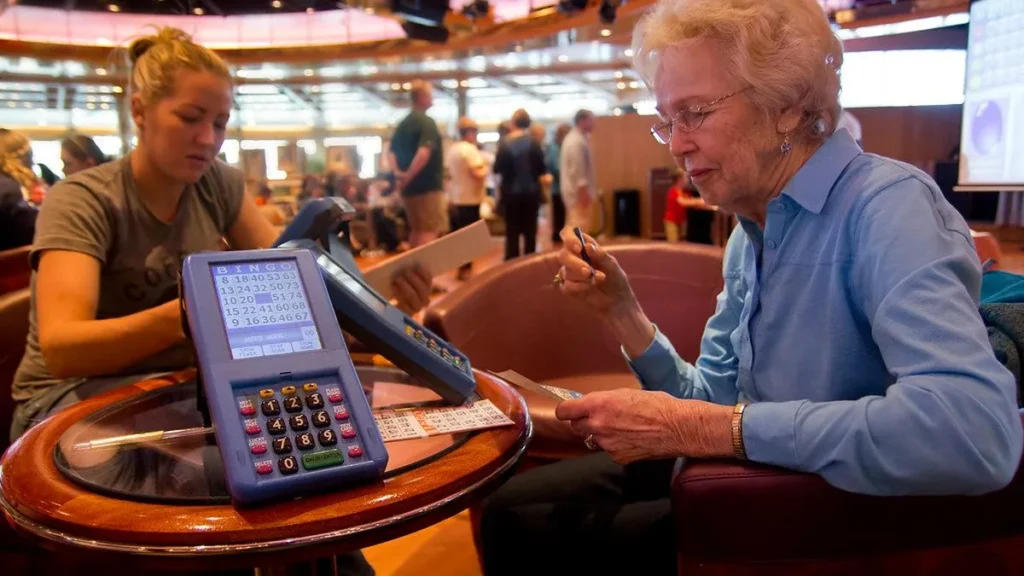
13. Birthday Bingo
Players: 4 to 25. Ages: 5 to 12. What you need: Printed bingo cards with birthday pictures or words, plus counters or dried beans to mark them. How to play: Give every child a bingo card and call out pictures or words at random from a bag. Players mark each one they have, and the first to complete a full row or a full card shouts bingo and wins a prize.
14. Memory Tray Game
Players: 4 to 20. Ages: 5 to 12. What you need: A tray with 10 to 15 small party objects on it, and a cloth to cover it. How to play: Show the tray to the group for one minute, then cover it and ask the children to write down or call out as many objects as they can remember. The player who remembers the most wins.
15. Birthday Pictionary
Players: 6 to 20, in teams. Ages: 6 to 12. What you need: A whiteboard or large pad of paper, pens, and a list of party words. How to play: One player from a team draws a word such as cake, candle, balloon, or present while their team tries to guess it within one minute. No letters, numbers, or talking allowed, and each correct guess earns a point.
16. Story Chain
Players: 5 to 20. Ages: 6 to 12. What you need: Nothing at all. How to play: Sit in a circle and start a story with one sentence, such as “On my birthday, a dragon arrived with a cake.” Each child adds one sentence in turn, building a story that gets sillier with every round. The game ends when the story reaches a natural finish or when everyone has had three turns.
17. Guess the Animal
Players: 4 to 20. Ages: 4 to 10. What you need: Picture cards or a list of animal names. How to play: One child picks an animal card without showing it, then acts out the animal using only sounds and movements while the others guess. The child who guesses correctly takes the next turn.
18. Simon Says
Players: 5 to 30. Ages: 3 to 9. What you need: Nothing at all. How to play: One player is Simon and gives instructions such as “Simon says touch your nose” or “Simon says jump three times.” Everyone must follow only the instructions that start with “Simon says”, and anyone who follows a plain instruction is out.
Games for Small Spaces
Not every party has a garden. These games work in a living room, a hall, or a flat, and they keep the fun going when the weather turns against you. If the party falls near Christmas and the adults need ideas of their own, the Christmas party games for adults are a good place to start for the grown-ups table.
19. Balloon Keep-Up
Players: 4 to 20. Ages: 3 to 10. What you need: One blown-up balloon per team. How to play: Teams must keep their balloon in the air using only gentle taps, with no catching or holding allowed. If a balloon touches the floor, that team loses a point, and the team with the fewest drops after three minutes wins.
20. Cup Stack Race
Players: 4 to 16. Ages: 5 to 12. What you need: A set of 10 to 15 plastic cups per player. How to play: Each player races to build a pyramid from their cups, then stack them back into a single tower, all against the clock. The fastest builder wins the round, and you can run it as a head-to-head race or a timed challenge.
21. Charades
Players: 6 to 20, in teams. Ages: 6 to 12. What you need: Slips of paper with film titles, book titles, or animal names, plus a hat or bowl. How to play: One player draws a slip and acts it out without speaking while their team guesses within one minute. Fill the hat with things the children know well, such as favourite films, fairy tales, and animals, so nobody is stuck with something they have never heard of.
22. Indoor Bowling
Players: 4 to 16. Ages: 3 to 10. What you need: Six to ten empty plastic bottles and a soft ball. How to play: Stand the bottles in a triangle at the end of a hallway or living room, and let each child roll the ball from a marked line to knock down as many as they can. Give everyone two rolls per turn and add up the scores over three rounds.
How to Plan the Perfect Party Games Schedule
A good party runs on a simple rhythm: one calm game as guests arrive, two active games before food, one quiet game while everyone eats, and one big finale game before the cake. That pattern keeps energy high without tiring anyone out, and it gives you natural breaks to set up the next activity. Always have a spare game ready in case one finishes early or a planned game does not work in your space, and keep the prize table topped up so every child leaves with something. When grandparents and older relatives join the fun, they often enjoy the quieter games most, and the best Christmas games for seniors are full of gentle, mixed-age ideas that work at family birthdays too.
Birthday party games for kids do not need to be complicated or expensive to be remembered. A balloon, a blindfold, and a group of friends are enough for an afternoon of laughter, and the games above have been keeping children’s parties happy for generations. Choose the ones that fit your space, your guest list, and the birthday child’s age, then relax and enjoy watching them play. The best party of all is the one where every child feels included, every game ends with a cheer, and the birthday child goes to bed still talking about it.