
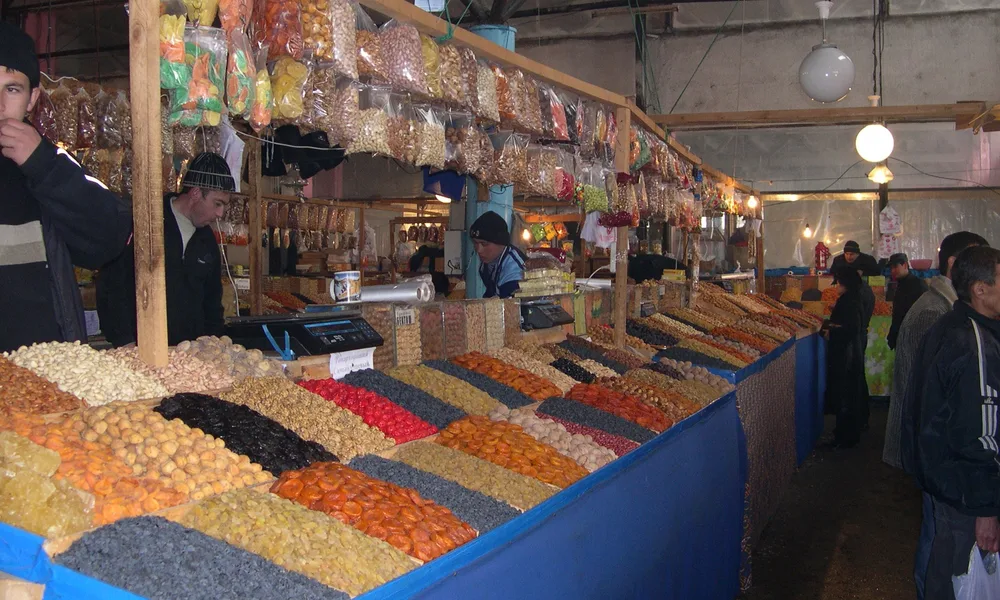
An old village grocer’s shop makes a fine home for a day of puzzle games. The front table holds heaps of dried fruit and nuts, the storeroom behind holds more, and the wide floor gives every team a place to work. With 562 players, the day needs a plan that keeps everyone busy at once, and the grocer’s shop gives us exactly that: simple supplies close by, nine short races that any team can learn in a minute, and a tally that any score keeper can keep without fuss.
This plan runs nine races in heats, with 47 teams taking part and two hosts who keep the day moving. Each race uses something the shop already holds: currants, raisins, prunes, almonds, cashews, pistachios, macadamias, dried papaya, and haricot beans. Nobody needs to know the grocery trade to take part. Every race asks for care and a little patience, and every race ends with a result that the score keepers can write down at once. The old village schoolroom in our puzzle games for 561 players runs the same kind of rotation, with copybooks and inkwells in place of dried fruit and nuts, and its rhythm is worth borrowing here: move on time, even if a team asks for one more minute, because the whole day depends on the heats starting when the hosts say so.
The nine races below follow one another in a fixed order, from the front table to the storeroom. Teams move together, rest together, and meet at the end for the final tally. Look over the whole plan once before the day, prepare the tally books, and visit the shop the evening before so each race area is ready when the teams arrive.
Key takeaways
- Nine short races take 562 players through one grocer’s shop in a single day.
- Teams of 11 or 12 players work in heats, so nobody waits long for a turn.
- Every race uses shop supplies: currants, raisins, prunes, almonds, cashews, pistachios, macadamias, dried papaya, and haricot beans.
- Two hosts run the day, and a small group of score keepers records every result.
- The whole day takes about six hours, with two pauses for food and fresh air in the middle.

The nine races in one table
| Race | Supplies | Score |
|---|---|---|
| Currant Weigh Race | Currants, weighing equipment, small containers | Closest to 200 grams takes 10 points |
| Raisin Count Race | Raisins, small containers | Exact count of 50 takes 10 points |
| Prune Sort Race | Prunes, shallow containers | 2 points per correct item, up to 20 |
| Almond Match Race | Almonds, tally books | 2 points per correct pair, up to 20 |
| Cashew Order Race | Cashews, tally books | 2 points per correct place, up to 20 |
| Pistachio Check Race | Pistachios, tally books | 2 points per correct check, up to 20 |
| Macadamia Measure Race | Macadamias, weighing equipment, small containers | Closest to 150 grams takes 10 points |
| Papaya Count Race | Dried papaya strips, small containers | Exact count of 30 takes 10 points |
| Haricot Sort Race | Haricot beans, shallow containers | 2 points per correct item, up to 20 |
How 562 Players Fit Into One Day
Five hundred and sixty-two players sounds like a crowd, and it is. The plan works because the crowd is broken into 47 teams: 45 teams of 12 players and 2 teams of 11 players, with two hosts left over to run the day. Twelve suits this shop well: big enough to share the work, small enough that every player gets a turn at every race. Each team picks a name from the shop, a tally book of its own, and a captain who speaks for the team when a result is in doubt.
Races run in heats of six teams. While six teams race, the other teams watch, rest, or move to the next race area. A heat takes about 25 minutes, and a short pause between heats lets the hosts lay out fresh supplies and the score keepers catch up. Nine races in heats mean no single race area ever holds more than 72 players at once, which is about what the shop floor can hold in comfort. The old village button-maker’s workshop in our puzzle games for 560 players runs the same rotation, with button blanks and button dyes in place of dried fruit and nuts. Borrow that rhythm here, and keep every heat starting on time, because the day only works when the hosts can trust the timetable.
The day runs in three flights of 16, 16, and 15 teams. Each flight takes about 25 minutes at a race, with 5 minutes to move to the next race area, which comes to four and a half hours of racing. Two pauses for food and fresh air, plus the final tally at the end, bring the whole day to about six hours. The hosts keep the time, and the timetable on the shop door tells every team where to be and when.
The Nine Races
The nine races below use only what the shop already holds, and each one takes about 25 minutes from start to end. A team needs no special skill for any of them, only care, patience, and a willingness to work together. The score keepers write every result in the tally books as soon as a race ends, so the tally is always current when the final scores are called.
Currant Weigh Race
A container of currants waits at the front table, beside the weighing equipment and a tally book. Each team sends two players to the table at a time, and the rest of the team watches and calls out advice. The two players load currants into a small container until they think it holds 200 grams, then place the container on the weighing equipment for the hosts to check.
The team whose container comes closest to the target of 200 grams takes 10 points. A container within 5 grams of the target takes 10 points, a container within 10 grams takes 6 points, and any other container takes 2 points for taking part. The currants return to the main container after every turn, so the next team starts with the same supplies.
Raisin Count Race
A heap of raisins waits in a shallow container, with an empty container beside it for the count. Each team sends two players to the table, and the two players count out raisins one by one until they believe they have 50. The rest of the team may call out the count as it grows, but only the two players at the table may move the raisins.
A count of exactly 50 takes 10 points. A count that is off by 1 takes 6 points, a count that is off by 2 takes 3 points, and a count that is off by more than 2 takes 1 point. The raisins return to the main container after every turn, so every team counts from the same heap.
Prune Sort Race
Ten prunes wait in a shallow container, mixed together: some dark, some golden, and some pale. Each team sends two players to sort them into three groups, one group for each kind, while the rest of the team watches and advises. The sort must be done by sight alone, and the hosts check the three groups when the team says it is done.
Each prune in the right group earns 2 points, up to 20 points for a perfect sort. A prune in the wrong group earns nothing, and a prune left unsorted earns nothing either. The prunes return to the main container after every turn, mixed again by the hosts, so every team faces the same ten prunes.
Almond Match Race
Twenty almonds wait in a shallow container, in ten pairs that look alike. Each team sends two players to pair them up, matching each almond with its twin, while the rest of the team watches and advises. The pairs must be found by sight alone, and the hosts check every pair when the team says it is done.
Each correct pair earns 2 points, up to 20 points for ten correct pairs. A wrong pair earns nothing, and an almond left unpaired earns nothing either. The almonds return to the main container after every turn, mixed again by the hosts, so every team faces the same twenty almonds.
Cashew Order Race
Ten cashews wait in a shallow container, each one a little different from the next. Each team sends two players to arrange them from the smallest to the largest, while the rest of the team watches and advises. The order must be found by sight alone, and the hosts check the arrangement when the team says it is done.
Each cashew in its correct place earns 2 points, up to 20 points for a perfect order. A cashew in the wrong place earns nothing. The cashews return to the main container after every turn, mixed again by the hosts, so every team faces the same ten cashews.
Pistachio Check Race
Ten pistachios wait in a shallow container, some with shells that are split and some with shells that are closed. Each team sends two players to check every pistachio and call it split or closed, while the rest of the team watches and advises. The hosts have already marked the right answer for each pistachio in the tally book, so the check is quick and fair.
Each correct check earns 2 points, up to 20 points for ten correct checks. A wrong check earns nothing, and a pistachio left unchecked earns nothing either. The pistachios return to the main container after every turn, mixed again by the hosts, so every team faces the same ten pistachios.
Macadamia Measure Race
A container of macadamias waits at the front table, beside the weighing equipment and a tally book. Each team sends two players to the table at a time, and the rest of the team watches and calls out advice. The two players load macadamias into a small container until they think it holds 150 grams, then place the container on the weighing equipment for the hosts to check.
The team whose container comes closest to the target of 150 grams takes 10 points. A container within 5 grams of the target takes 10 points, a container within 10 grams takes 6 points, and any other container takes 2 points for taking part. The macadamias return to the main container after every turn, so the next team starts with the same supplies.
Papaya Count Race
A heap of dried papaya strips waits in a shallow container, with an empty container beside it for the count. Each team sends two players to the table, and the two players count out strips one by one until they believe they have 30. The rest of the team may call out the count as it grows, but only the two players at the table may move the strips.
A count of exactly 30 takes 10 points. A count that is off by 1 takes 6 points, a count that is off by 2 takes 3 points, and a count that is off by more than 2 takes 1 point. The strips return to the main container after every turn, so every team counts from the same heap.
Haricot Sort Race
Ten haricot beans wait in a shallow container, mixed together: some plump and some slim. Each team sends two players to sort them into two groups, one group for each kind, while the rest of the team watches and advises. The sort must be done by sight alone, and the hosts check the two groups when the team says it is done.
Each bean in the right group earns 2 points, up to 20 points for a perfect sort. A bean in the wrong group earns nothing, and a bean left unsorted earns nothing either. The beans return to the main container after every turn, mixed again by the hosts, so every team faces the same ten beans.
Your grocer’s shop checklist
Prepare everything the evening before, because a missing container at noon costs a whole heat. The old village locksmith’s workshop in our puzzle games for 559 players keeps the same kind of checklist, with hasps and shackles in place of dried fruit and nuts, and the same rule holds here: if it is not ready the evening before, it will not be ready when the teams arrive.
- Tally books and pencils for every team, plus a few extra for the score keepers.
- Nine containers of supplies, one for each race, weighed and counted the evening before.
- Two weighing machines, checked against a 200-gram test load the evening before.
- A timetable on the shop door, with every heat and every pause marked, so every team knows where to be and when.
- Food and water for the two pauses, with enough for every team and every host.
- A first-aid kit, a phone, and the address of the nearest clinic, kept where the hosts can reach them at once.
Frequently asked questions
How long does the whole day take?
About six hours from the first heat to the final tally. Racing takes about four and a half hours, the two pauses for food and fresh air take the rest, and the final tally takes only a few minutes at the end. Teams that arrive early can help the hosts lay out the supplies, which makes the morning run well.
What if a team has only 11 players?
The plan already allows for it. Two teams have 11 players, and they take the same turns as every other team, with the same supplies and the same scoring. Eleven players is still plenty for every race, because only two players work at the table at a time while the rest of the team advises.
Do players need to know anything about dried fruit and nuts?
No. Every race is explained in a minute at the table, and the supplies are familiar enough that nobody needs any special knowledge. The hosts show each team what to do before its turn, and the score keepers are there to answer anything that comes up during a race.
What happens if two teams tie on points?
The hosts compare the two teams’ exact counts first: the team with more exact counts in the Raisin Count Race and the Papaya Count Race wins the tie. If the teams are still level, the hosts compare their weighing results, and the team that came closest to 200 grams in the Currant Weigh Race wins. A tie after that is shared, and both teams take the same place in the final tally.
Can younger players take part?
Yes, with a captain who looks after them. The races need care and patience rather than strength, and younger players often do well at the counting and matching races. A team with younger players should keep its captain close to the table, so advice is always nearby.
What if the shop is too small for 47 teams?
Only six teams race at once, so the shop never holds more than 72 players at the race areas. The other teams rest outside the shop or move to the next race area, and the heats keep everyone moving through the day. If rain comes, the hosts move the resting teams under cover and shorten the pauses, so the day still ends on time.
The Bottom Line
Nine short races, one old grocer’s shop, and 562 players who all get a turn: that is the whole plan. The supplies cost little, the rules take a minute to learn, and the tally stays simple enough for any score keeper to follow. By the end of the day every team has raced nine times, every result is written down, and the top team is known to everyone in the shop.
Prepare the evening before, keep the heats moving on time, and let the shop do the rest. The dried fruit and nuts will still be there for the next gathering, and the tally books will hold a record of a day that ran well from the first heat to the final tally.


