A walled garden gives a huge party a shape that an open green cannot. Brick walls on four sides keep the noise in, keep the groups in sight, and give every game a clear limit. At noon the garden is bright, the grass is dry, and nine games can go on side by side without one group crowding the next. That is the whole idea behind this day: 546 people, one enclosed garden, and nine games that use the walls, the beds, the trees, and the glasshouse as part of the play.
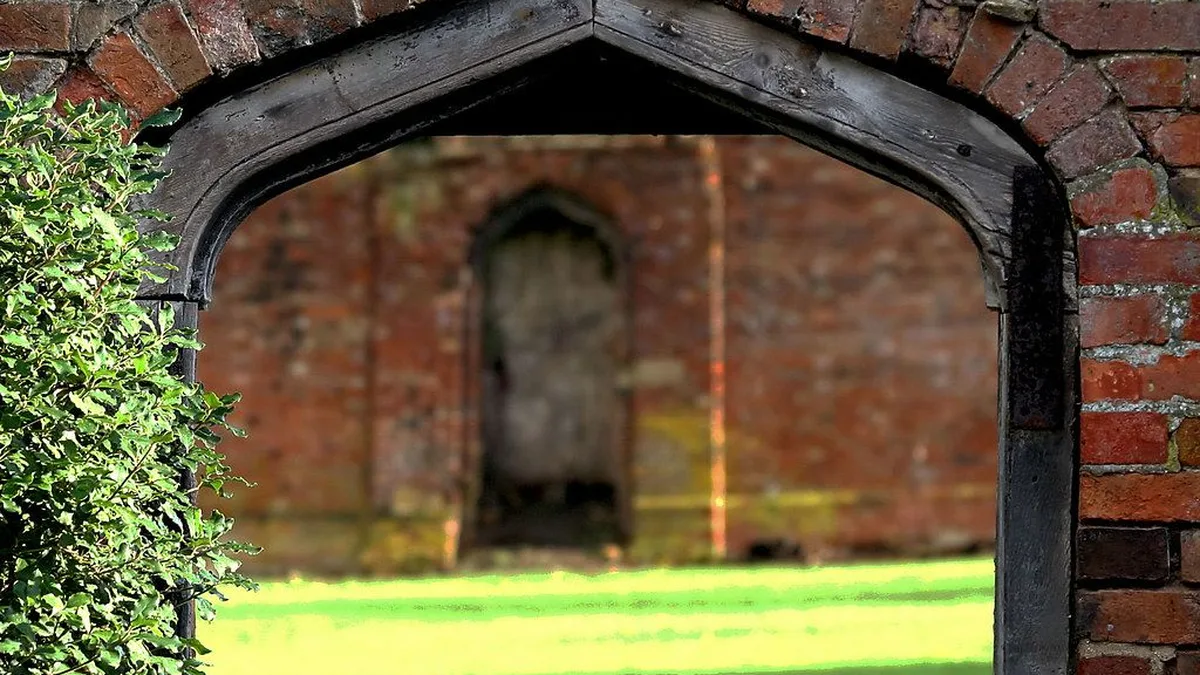
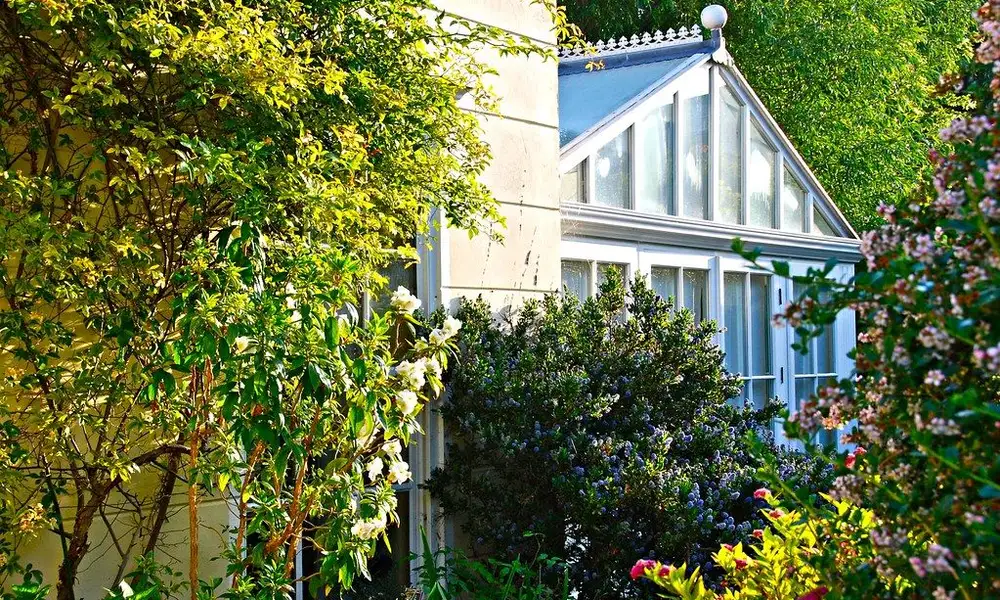
The garden in this plan is a real walled garden of the kind found behind old houses all over the country: a brick wall, an arched doorway, a gravel path down the middle, a glasshouse at one end, and planting beds along the walls. Espalier apples grow flat against the south wall, a summerhouse sits near the far wall, and an orangery keeps citrus trees in pots. Every game below uses something the garden already has, so the host does not need to bring in large props or make anything new.
Nine games may look like a lot, and it is. The plan works because the 546 players divide into nine groups of about sixty, and each group goes from game to game in a fixed order. No game needs more than a few simple items, no game needs a long explanation, and every game ends with a clear count that a host can record in seconds. By the end of the afternoon the nine counts add up to one champion, and every player has tried every game.
Key takeaways
- Nine games use the walls, beds, and glasshouse of a walled garden, so nothing large needs to be brought in.
- 546 players divide into nine groups of about sixty, and each group visits every game once.
- Every game ends with a plain count, so the host can record each result in seconds.
- Simple items only: paper slips, pens, pots, cloches, and a dibber are the whole list of items.
- The day fits into one afternoon, with a short pause between games and a clear champion at the end.
How 546 Players Fit Into One Day
Nine groups of about sixty sounds like a crowd, and it is, but a walled garden is made for crowds of this kind. The walls give each group its own place, the gravel path gives the groups a clear way from game to game, and the glasshouse gives the host a safe place to keep the paper slips and the pens. With nine games and nine groups, each group is at a different game at any one time, and nobody waits long between games.
The plan borrows its shape from other large garden days. The lavender rows in our party games for 544 players prove that one strong smell is enough for a whole afternoon, and this walled garden day works the same way, with one clear theme and nine games that all belong to it. The difference is the setting: where lavender rows give a long open look, a walled garden keeps every group in sight at once.
Timing is simple. Give each game 20 minutes and a short pause of 5 minutes between games, and the nine games take about 4 hours, which fits inside one afternoon with time left over. Each group needs one host, so nine hosts are needed, plus one overall host who keeps the counts and sends the groups to the next game. Put the count slips in the glasshouse at the beginning, and collect them there at the end, so no result goes missing.
The Nine Games
Each game below uses one part of the garden and one simple action: counting, sorting, or naming. Read the nine in order, then put them out in the same order around the walls, so the groups move the same way around the garden and never meet each other. The items for each game fit in one armful, and the host for each game needs no special skill, only a loud enough tone and fair judgement.
1. Espalier Apple Count
Espalier apples grow flat against the south wall, tied to wires in neat rows, and the fruit is easy to see and easy to count. The host gives each group a paper slip with three rows named on it, and the group counts the apples on each row, then adds the three counts together. The group that gets closest to the true total, which the host has counted the day before, wins the round.
Keep the count honest by giving each group a different three rows, and by asking the host to check one row in every group while the counting is still going on. Apples that are half hidden behind foliage still count, and the host should say so at the beginning, because groups will ask. A group of sixty can finish this game in about 15 minutes if the host keeps everyone moving.
2. Cloche Lift Count
Glass cloches sit over young plants in the beds, and each one hides a different number of shoots. The host lifts a cloche, the group counts the shoots under it in 10 seconds, and the host puts the cloche back down. Ten cloches in a row give ten counts, and the group with the highest total takes the round.
The skill is in the timing: lift the cloche high enough for everyone to see, count aloud together, and put it down before anyone can count twice. Number each cloche on a paper slip, and write the true count for that cloche on the back of the slip, so the host can add up the counts without fuss. If a cloche is cracked, leave it out and use nine instead of ten.
3. Dibber Hole Count
A dibber is a short pointed tool for making holes in the soil, and this game is a test of a steady hand. The host picks a bed and rings it with tape and pegs, and each player in turn pushes the dibber into the soil to make one hole, then moves on. The group counts the holes at the end, and the group whose holes are most evenly spread across the bed takes the round.
Give each player only one push, and give the group a clear place to begin, so the holes form a fair pattern and not a clump in one place. The host should count the holes with the group, out loud, and agree the total before anyone moves to the next game. A bed that is too dry will resist the dibber, so water the bed the night before and leave it overnight.
4. Summerhouse Seat Count
The summerhouse is a small wooden building at one end of the garden, with seats inside and a wide look over the beds. The host hides 20 small paper slips among the seats, under cushions, and behind the door, and each group sends in 10 players at a time to find as many slips as they can in 2 minutes. The group that finds the most slips takes the round, and the host counts the slips back in before the next group goes in.
Keep the slips the same colour, so no slip is easier to see than another, and number them from 1 to 20, so the host can tell at once if one is still missing. Do not hide a slip out of easy reach, and keep the door open while players are inside, so the host can see in. Ten players at a time keeps the little building from getting crowded, and 2 minutes keeps the game moving.
5. Orangery Citrus Count
The orangery is a glasshouse at the far end of the garden, and it keeps citrus trees in pots through the year. The host gives each group a paper slip with the names of five citrus trees on it, and the group counts the fruit on each named tree, then adds the five counts together. The group that gets closest to the true total takes the round, and the host should have counted the trees the day before, when the garden is bright.
Citrus trees are slow to change, so the counts stay fair all day, and no group gets an easier tree than another. A host who wants a water based day instead can look at the duck pond games in our party games for 542 players, where the games use a pond and its banks, but this orangery game needs only the trees and a paper slip. Keep the pots in a row and the slips in the glasshouse, so the count slips are never far from the trees.
6. Parterre Box Count
A parterre is a formal pattern of low box hedges, and from above it looks like a tangle of green lines on the ground. The host gives each group a paper slip with a drawing of the parterre on it, and the group counts the box plants along one side of the pattern, then along the next side, until all four sides are counted. The group that gets closest to the true total takes the round.
Count from the outside in, and put a small paper slip beside each plant you have counted, so no plant is counted twice and none is missed. The host should go around the pattern with each group once, so everyone can see where the sides meet, and then let the group count on its own. If two groups disagree on a total, count that side again together and take the later count as final.
7. Hornbeam Leaf Sort
Hornbeam is a tough garden tree with leaves that go gold in autumn, and a single hornbeam can leave thousands of leaves on the grass. The host gives each group a large amount of fallen leaves and asks the group to sort them into three groups: whole leaves, torn leaves, and leaves with brown tips. The group that sorts the most leaves correctly in 5 minutes takes the round.
Give each group the same number of leaves, counted out the night before, so the game is fair for everyone. The host should put one leaf from each group where everyone can see it, so everyone knows what counts as torn and what counts as whole, and then let the sorting begin. A leaf that is both torn and brown goes in the torn group, and the host should say so before the game begins, because groups will ask.
8. Cold Frame Sprout Count
A cold frame is a low glass box that keeps young plants warm, and in late summer it is full of sprouts in neat rows. The host lifts the glass, the group counts the sprouts in one row, and the host puts the glass back down. Five rows give five counts, and the group with the highest total takes the round.
Sprouts are small and easy to miss, so the host should count each row with the group, out loud, and agree the total before moving on. Give each group a different row to begin with, and rotate the rows between groups, so no group counts the same row twice. If a row is thin, count it anyway, because a thin row can decide the day.
9. Potting Shed Pot Count
The potting shed is where the garden keeps its pots, and a busy shed can have hundreds of them, arranged on shelves and in rows on the ground. The host gives each group a paper slip with the names of five rows on it, and the group counts the pots on each named row, then adds the five counts together. The group that gets closest to the true total takes the round.
Pots come in many sizes, so the host should count only pots that are whole and unbroken, and say so at the beginning, because groups will ask about cracked ones. Count the pots on one row at a time, and write the count for that row on the paper slip before moving to the next row, so no count is lost. A shed with clear shelves and clear rows makes the counting easy, and the host should make the shed neat the night before.
The Nine Games at a Glance
The table below puts the nine games side by side, so a host can see at once what each game needs and how long it takes.
| Game | Items | Minutes | Players |
|---|---|---|---|
| 1. Espalier Apple Count | paper slips, pens | 15 | 60 |
| 2. Cloche Lift Count | 10 cloches, paper slips | 15 | 60 |
| 3. Dibber Hole Count | dibbers, tape, pegs | 20 | 60 |
| 4. Summerhouse Seat Count | 20 paper slips | 15 | 60 |
| 5. Orangery Citrus Count | paper slips, pens | 15 | 60 |
| 6. Parterre Box Count | paper slips, pens | 20 | 60 |
| 7. Hornbeam Leaf Sort | fallen leaves | 15 | 60 |
| 8. Cold Frame Sprout Count | cold frames | 15 | 60 |
| 9. Potting Shed Pot Count | paper slips, pens | 15 | 60 |
Before the Day Checklist
Work through these six tasks the day before, and the day itself will go well.
- Count the apples, citrus fruit, and pots the day before, and write the true totals on slips for the hosts.
- Water the dibber bed the night before, and check that every cloche is whole.
- Hide the 20 summerhouse slips, number them from 1 to 20, and keep extra slips with the overall host.
- Put paper slips, pens, and a dibber for each group in the glasshouse, ready to give out.
- Tell every host the order of the games and the time for each game, and give each host a paper slip with the true counts written on them.
- Agree the champion prize before the day begins, and keep it simple: a certificate for each member of the champion group.
Frequently Asked Questions
Can 546 players really play nine games in one day?
Yes. Nine groups of about 60 players each visit nine games in turn, with 20 minutes at each game and 5 minutes between games. The day takes about 4 hours, and every player tries every game once. The walled garden keeps the groups close together, so no time is lost moving between games.
What if it rains on the day?
The glasshouse and the summerhouse give shelter for two games, and the potting shed gives shelter for a third. Move the other games under the trees, shorten each game to 10 minutes, and keep the paper slips dry in the glasshouse. The counts still work, and the day still ends with a champion.
Do younger players need different rules?
No. The games use counting and sorting only, so younger players can join in with their group and help with the counting. Give younger players the summerhouse game to begin with, because finding paper slips is easy and fun for all ages. Keep the dibber game for older players if the soil is firm, and let younger players count the holes instead.
How do you keep the count honest with 546 players?
Each host counts with the group, out loud, and agrees the total before the group moves on. The overall host collects the paper slips at the end of each game and checks them against the true totals counted the day before. Any total that looks wrong is counted again, and the later count wins.
Can the games be played with fewer than 546 players?
Yes. The games work with any number of players, as long as each group has enough people to count, sort, and look. With fewer players, use fewer groups and let each group take longer at each game. The common at daybreak in our party games for 540 players proves the same idea with a smaller crowd, and the same nine games work there too.
What should players bring?
Nothing special. Comfortable shoes, a flask of water, and a pen are enough, and the host provides the paper slips, the dibbers, and the cloches. Players who want to take notes can bring a notebook, and everyone should bring something to keep the noon heat off.
The Bottom Line
A walled garden and nine simple games are enough for 546 players, and the day needs no large props, no long speeches, and no special skill. Count honestly, keep the groups moving, and let the garden do the work: the walls keep everyone together, the beds give every game a place, and the glasshouse keeps the paper dry.
Put the nine games out early in the day, welcome the groups at noon, and by the end of the afternoon you will have nine counts, one champion, and 546 players who have all played every game. That is a good day in a walled garden.