
Five hundred and seventy two players arrive on the moor in the morning, and by midday every one of them has rolled dice, called out a number, and moved a peat bar from the pile to the cart. That is the whole idea behind this day. It takes a very old job, cutting peat on open moorland, and turns each part of the job into a short dice round that a large crowd can play together without waiting around.
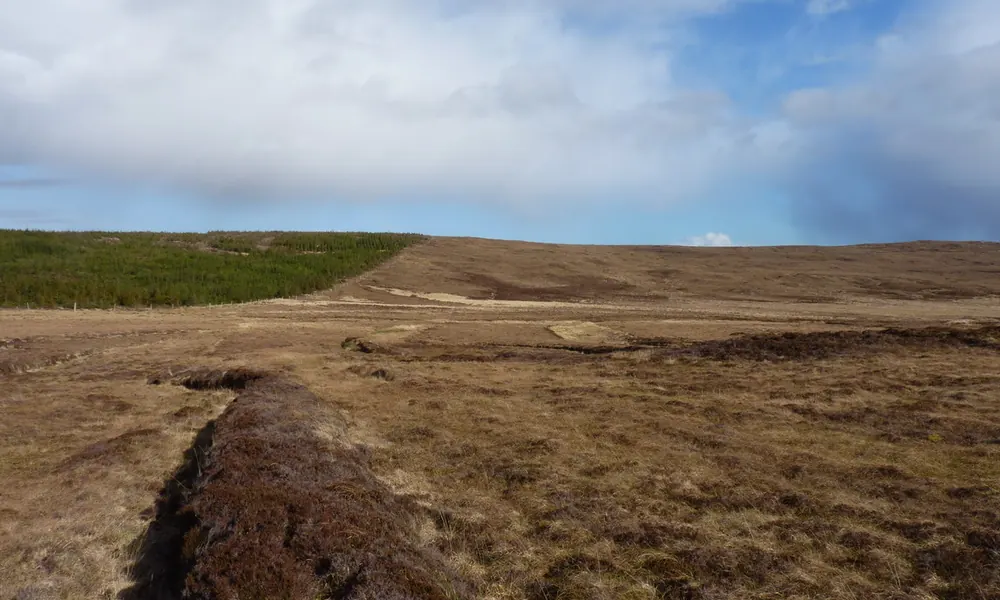
Peat cutting suits a huge group because the work itself is simple and easy to see. A cutter slices a dark block from the face of the cut, turns it to dry in the wind, and moves it to a drying ruck when it is light enough to lift. Every step has a clear order, a clear end, and a result you can count with your eyes.
This guide runs the full day for 572 players in 44 teams of 13. It gives you nine rounds, one for each part of the peat cutting day, a points board that any caller can keep up to date, a checklist that covers kit and timing, and answers to the questions that hosts ask most often. Bring dice, bring paper for the board, bring warm layers for the moor, and the day will run itself once the opening round begins.
Key takeaways
- 572 players split into 44 teams of 13, and every team plays all nine rounds.
- Each round lasts about 20 minutes, so the nine rounds fill a morning and an early afternoon with breaks.
- Every round uses ordinary six sided dice, paper, and a few peat bars, and nothing else is required.
- Teams earn up to 10 points in each round, giving a top total of 90 points for the day.
- The final round is a running round, so the title stays open until the last throw of the day.

How 572 Players Fit Into One Day
Start with the teams. Count 44 teams of 13 players, and give each team a colour and a number from 1 to 44. Thirteen is a useful size because it lets a team split into smaller working groups of three or four for the rounds that need several pairs of eyes at once, while still keeping one voice in charge of calling the dice.
Lay out nine stations across the moor in a wide loop, with about 30 paces between one station and the next. Each station belongs to one round, and each round has a caller who reads the rules aloud, watches the dice, and writes the points on the board. Teams walk the loop in order, so no two teams meet at the same station at the same time.
Keep the timing simple. Give each round 20 minutes, with 5 minutes to walk to the next station. Nine rounds at 20 minutes make 180 minutes of play, and the walks add 40 minutes, so the day runs a little under four hours with a 30 minute lunch break after round five.
The points board sits at the centre of the loop where every team can see it. After each round the caller writes the team points in a column under the round name, and the total column grows through the day. Use large numbers and a thick pen so the board reads from a distance.
This shape is not new on this site. The apothecary’s workshop dice games for 571 players run a similar nine round day with small teams and a points total that everyone can follow. The peat cutting day borrows that shape and fills it with moorland work, so a host who has run one of these days before will feel at home here within minutes.
The 9 Peat Cutting Dice Games
Each round below takes one part of the peat cutting day and turns it into a dice challenge. The caller reads the aim, the team rolls, and the points follow the dice. Every round lists the dice needed and the way points are earned, so a team that arrives late can join in without a long explanation.
1. Dice Peat Cut
The opening round copies the opening job of the day, slicing peat bars from the face of the cut. Each team sends three cutters to the cut. A cutter rolls two dice and adds the numbers together. A total of seven or more cuts a clean bar, and the team earns 2 points for each clean bar.
Give each cutter three throws, so a team makes nine throws in the round. The most a team can earn is 10 points, and a team that cuts five clean bars reaches that top total with one throw left over.
2. Dice Peat Turn
Fresh peat must be turned so the wind dries every side. In this round each team lays out its peat bars in a row of six, and a turner rolls one die for each bar in turn. A roll of three or more turns the bar cleanly, and the team earns 1 point for each bar turned. A roll of one or two means the bar stays damp side down, and the team earns nothing for that bar.
The twist is the order. The team must call the order of the bars before the opening throw, and the turner works through the bars in that order without skipping. A team that plans a simple order, heavy bars at the ends and light bars in the middle, finds the rhythm quickly.
3. Dice Peat Dry
Drying is a waiting round, and this round turns waiting into a guessing challenge. The caller shows the teams six peat bars in different states of drying, from dark and wet to pale and light. Each team rolls two dice and compares the total with a drying chart pinned beside the station. A total of two to four means the bar is still wet, five to eight means it is half dry, and nine to twelve means it is dry enough to move.
Each team makes six throws, one for each bar on show. A right answer earns 2 points, so a team that reads the chart well can earn up to 10 points with five right answers and one throw left over.
4. Dice Peat Bar
Not every peat bar is the same size, and this round asks teams to judge size by eye. The caller lays out ten peat bars of different lengths and widths on a cloth. Each team rolls one die, and the number on the die tells them which bar to pick from the row. A roll of one takes the shortest bar, a roll of six takes the longest, and the numbers in between take the bars in order.
Once a team has its bar, the team must guess its weight in whole pounds before it goes on the scales. A guess within one pound earns 3 points, a guess within three pounds earns 2 points, and a guess further out earns nothing. A team that guesses wildly will earn little, while a team that studies the bars before rolling will guess close.
5. Dice Peat Weigh
Weighing is the honest part of the peat trade, and this round turns it into a team challenge. Each team receives a pile of peat bars and balance scales. The caller calls a target weight, and the team must load bars onto the scales until the balance sits level at that weight. The dice decide how many bars the team may move in each turn.
Roll two dice at the start of each turn. The total tells the team how many bars it may add or take away before the scales are read. A team that reaches the target weight exactly earns 5 points. A team that comes within one bar of the target earns 3 points. A team that misses by more earns nothing for that turn.
Three turns make the round, and the points add up to a top total of 10 for a team that hits the target twice and comes close once. The round suits teams with a careful eye, because a heavy bar and a light bar look much alike once they are dark with peat dust. The harp-maker’s workshop dice games for 569 players use the same team size and a shared points board, and the weighing round here rewards the same careful teamwork that wins points there.
6. Dice Peat Sort
Once peat is dry it must be sorted, with the best bars kept for the coldest nights and the broken pieces kept for kindling. This round lays out a mixed heap of whole bars, half bars, and crumbs on a cloth, and each team must sort the heap into three piles before the time ends. The dice decide the order of the sorting.
Roll one die to pick which pile to fill. A one or two means the whole bars, a three or four means the half bars, and a five or six means the crumbs. The team sorts that pile, then rolls again for the next pile. A team that finishes all three piles without an error earns the top total of 10 points.
7. Dice Peat Load
Loading is the heavy round of the day, and it asks teams to move peat bars from the drying ground to a waiting cart. Each team rolls two dice, and the total tells the team how many bars it may move in that turn. A total of twelve moves six bars, a total of two moves one bar, and the numbers in between move two to five bars. The team that moves all of its bars ahead of the rest earns 10 points.
The catch is the order of loading. Bars must be laid flat, dark side down, and a bar laid the wrong way round must be lifted and laid again, which costs the team its next throw. Teams that take a moment to agree on the loading pattern before the opening throw will move smoothly.
8. Dice Peat Ruck
A ruck is a small cone of peat bars built to shed rain while the peat finishes drying, and this round asks teams to build one. Each team rolls one die, and the number tells the team how many bars it may add to the ruck in that turn. A roll of six adds three bars, a roll of four or five adds two bars, and a roll of one to three adds one bar. The team that builds the tallest steady ruck earns the points.
Building is harder than it looks. Bars must lean on each other at the same angle, and a bar laid too flat will slide off when the next bar goes on. A team that builds slowly, with each bar laid firm before the next throw, will finish with a tall cone still standing when the caller measures it.
9. Dice Peat Cart
The last round is a running round, and it decides the day. Each team gathers beside its cart, and one player at a time runs to the peat pile, picks up a single bar, and runs back to load it. The dice decide the running order. Before each leg, the waiting player rolls one die. A roll of one to three means the runner walks, a roll of four or five means the runner jogs, and a roll of six means the runner sprints.
Every bar loaded earns 1 point, and the team that loads ten bars ahead of the rest earns a bonus of 2 points, giving a top total of 10 points for the round. The caller watches the loading and counts each bar aloud, so the crowd can follow the run as it unfolds.
Stations, Points, and the Tournament Finish
The nine stations form a loop, and the points board keeps the tournament honest. Each station needs one caller, one board, and a cup with the dice for that round. Two dice per station is enough, with an extra cup held back at the centre in case a die rolls away into the grass. A die that leaves the tray is rolled again, and a die that lands on its edge is rolled again too.
Points are simple on purpose. Every round offers a top total of 10 points, so the whole day offers 90 points. The board shows the running total after each round, and the caller at the centre reads out the top five teams before the lunch break and again before the last round.
| Round | Dice needed | Minutes | Top points |
|---|---|---|---|
| Dice Peat Cut | Two dice | 20 | 10 |
| Dice Peat Turn | One die | 20 | 10 |
| Dice Peat Dry | Two dice | 20 | 10 |
| Dice Peat Bar | One die | 20 | 10 |
| Dice Peat Weigh | Two dice | 20 | 10 |
| Dice Peat Sort | One die | 20 | 10 |
| Dice Peat Load | Two dice | 20 | 10 |
| Dice Peat Ruck | One die | 20 | 10 |
| Dice Peat Cart | One die | 20 | 10 |
Your Setup Checklist
- Count 44 teams of 13 players, and give each team a colour, a number, and a captain.
- Pack two dice for each of the nine stations, plus one extra cup of dice at the centre.
- Print a points board with nine columns, one for each round, and a total column at the end.
- Lay out nine stations in a loop with 30 paces between stations, and put a caller at each one.
- Test the scales, the drying chart, and the whistle before the opening round begins.
- Plan a 30 minute lunch break after round five, and bring water and warm layers for the moor.
Frequently Asked Questions
How long does the full day take for 572 players?
The nine rounds take 180 minutes, the walks between stations add 40 minutes, and the lunch break adds 30 minutes, so the day runs about four hours and ten minutes from the opening round to the prize giving. Arrive an hour early to lay out the stations and test the scales, and the day will start on time.
What happens if a team arrives late?
A late team joins the loop at the station where the other teams are playing, and the caller gives them the points they missed as the average of their later rounds. A team that misses one round can still finish well, because eight rounds offer 80 points.
Do we need real peat for the rounds?
Real peat bars make the day feel true to the theme, and a local supplier can often lend a few dozen bars for the day. If real peat is not available, wooden blocks of the same size work just as well for cutting, turning, sorting, loading, and building.
Can younger players join the teams?
Yes, and the rounds suit mixed ages because the dice do most of the work. Younger players can roll, call numbers, and move the lighter bars, while older players handle the weighing and the sorting. Keep teams mixed in age and strength, and the day stays fair for everyone.
What if it rains on the moor?
Light rain is part of a moorland day, and the rounds can run under tarpaulins at each station. Heavy rain calls for a move indoors, where the same nine rounds play on long tables with the same dice and the same points.
Where can I find another nine round day to compare?
The saffron beds dice games for 568 players offer another nine round day built around a single outdoor theme, with the same team size and the same style of points board. Reading it beside this guide shows how the same shape can hold a very different setting.
The Bottom Line
Peat cutting gives 572 players a day that is simple to run, easy to follow, and open until the last running leg. Nine rounds, 44 teams of 13, one visible points board, and a lunch break in the middle are all it takes. Roll the dice, move the peat, and let the moor do the rest.


