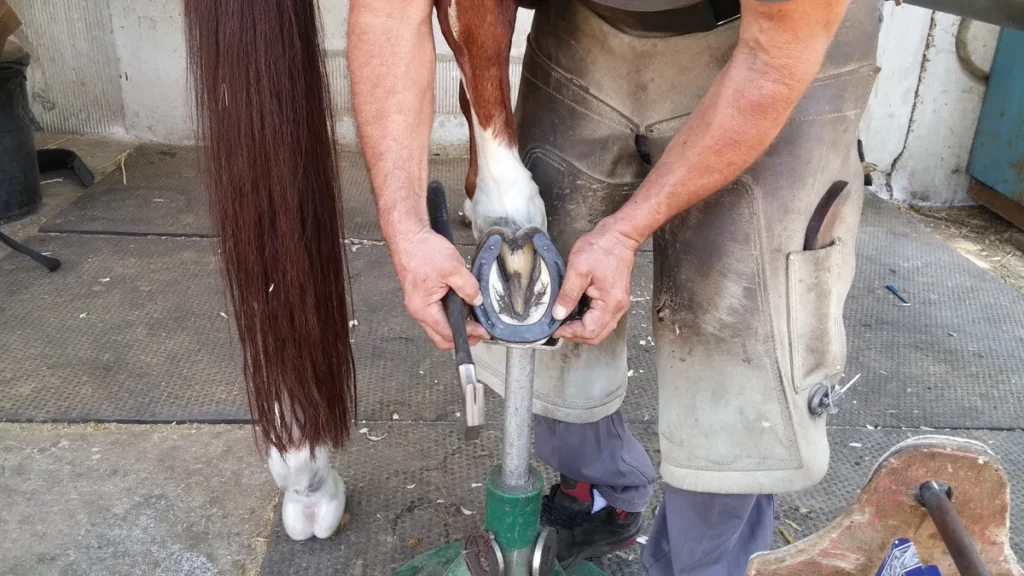
Dice games for 564 players seem impossible until you picture the yard of an old village farrier’s workshop on a busy morning, with 47 crews of 12 players each standing around nine work tables and a pile of dice at every station. This guide turns that yard into a full day of dice games for 564 players, with nine farrier games that anyone can learn in a minute and play with nothing more than dice, a score sheet, and a willingness to cheer for the crew beside them.
The plan is simple. Each crew of 12 takes a station, and each station runs one of the nine farrier games. Crews move from station to station on the gong note, so all 47 crews change games at the same moment. Nobody needs to know anything about horses, and nobody needs to bring anything from home. The dice do the work, the score sheet keeps the record, and the farrier theme gives every game a job to do, from looking over a hoof to closing a clinch.
What makes the day work is the scale. With 564 players, one game would leave most people waiting, but nine games running side by side keep every crew busy from the opening gong note to the final tally. The games below use plain dice, plain language, and points that any crew can follow, so the day suits a village fair, a school fair, or a big family day where one crew holds children and grandparents side by side.
Key takeaways
- 564 players play as 47 crews of 12, moving through nine farrier dice games.
- Every game needs only dice and a score sheet, and takes 8 to 15 minutes.
- A gong note opens each round, so all crews change games together.
- Points remain plain and visible, with a final tally at the end of the day.
- No knowledge of horses is needed, and no real horses take part.

How 564 Players Fit Into One Day
Start by dividing 564 players into 47 crews of 12. Give each crew a name and a home station, then give each crew one dice kit: six dice and one score sheet. Put nine tables in a wide circle around the yard, one for each farrier game, and leave a broad path between them so crews can move without crowding.
Each round lasts about ten minutes. When the gong note opens the round, every crew plays the game at its station. When the gong note opens the next round, every crew moves one table along the circle and starts the next game. After nine rounds, every crew has played all nine games, and the score sheets hold the full record of the day.
The plan works because other workshop days on this site use the same crew layout. If your crew enjoys workshop days, the stair-maker’s workshop games for 563 players run on the same crew plan with a different trade, and the farrier games below follow the same idea: short rounds, plain points, and a new job at every table.
The 9 Farrier Dice Games
Each game below gives the crew a farrier job to work through with dice. Learn the job, roll the dice, and record the points on the score sheet. The crew with the most points at the end of the game takes the win for that station.
Dice Farrier Hoof
Dice Farrier Hoof asks the crew to look over a hoof the way a farrier does at the start of a visit. Each player rolls one die, one after another. A roll of six means the hoof passes the look-over and earns two points for the crew. A roll of one means a loose horseshoe, and the crew loses one point. Any other roll earns nothing, and the die passes to the next player.
The game runs for ten minutes, and every player rolls as often as the die reaches them. The crew adds its points as the game moves along, and the best one roll of the game earns the crew one extra point at the end. Keep the score sheet where everyone can see it, so nobody has to ask how the crew stands.
Dice Farrier Clinch
Dice Farrier Clinch is about closing the clinch that keeps the horseshoe fixed where it belongs. Each player rolls two dice together. A total of four or more closes one clinch and earns one point. A total of three or less leaves the clinch undone and earns nothing. The crew counts its closed clinches as it plays, and every clinch closed after the eighth earns one extra point.
The game runs for eight minutes. A roll of two ones is a broken tool, and the crew loses two points and skips its next roll. The danger of the double one keeps the game lively, because a crew on a good run can drop back in one move. The crew with the most points when the gong note opens the next round takes the win for the station.
Dice Farrier Fetlock
Dice Farrier Fetlock looks at the joint just above the hoof, where a farrier observes how a horse stands. Each player rolls two dice and adds them. A total of seven or more earns two points. A total of six earns one point. A total of five or less earns nothing. The simple ladder of totals makes the game easy to follow, even for players who have never rolled dice before.
The crew plays for twelve minutes. The highest total in any one move earns the crew a bonus point, and the crew records that total on the score sheet with a star beside it. At the end of the game, the crew counts its stars as well as its points, and the stars decide the win if two crews at one station end even on points.
Dice Farrier Pritchel
Dice Farrier Pritchel uses the pritchel, the punch a farrier uses to make the holes in a horseshoe. Each player rolls one die and tries to roll the numbers one to six in order. The crew keeps one list for the whole crew, and each roll that fills the next missing number earns one point. A roll that repeats a number already on the list earns nothing, and the die moves on.
The game runs for ten minutes, and the crew that completes the run from one to six earns three extra points, and the list starts again from one. The crew that completes the run twice in one round is rare, and the table usually erupts when the final six lands. Keep the list big and bold, so every player can see which number the crew needs next.
Dice Farrier Fuller
Dice Farrier Fuller follows the fuller, the grooving tool that runs the groove around a horseshoe. Each player rolls three dice at once. Three dice showing the same number earn three points. Two dice showing the same number earn one point. Three different numbers earn nothing. The three-dice roll makes the game feel busy, and the crew leans in every time the dice are cast.
The game runs for twelve minutes, and the crew records its points after every move. The feel here matches the scythe-maker’s workshop games for 562 players, where each crew works through nine jobs in order and the points remain plain from the opening move to the final tally. A triple six is the best roll of the whole day, and the crew that lands one talks about it until the final tally.
Dice Farrier Shoeing
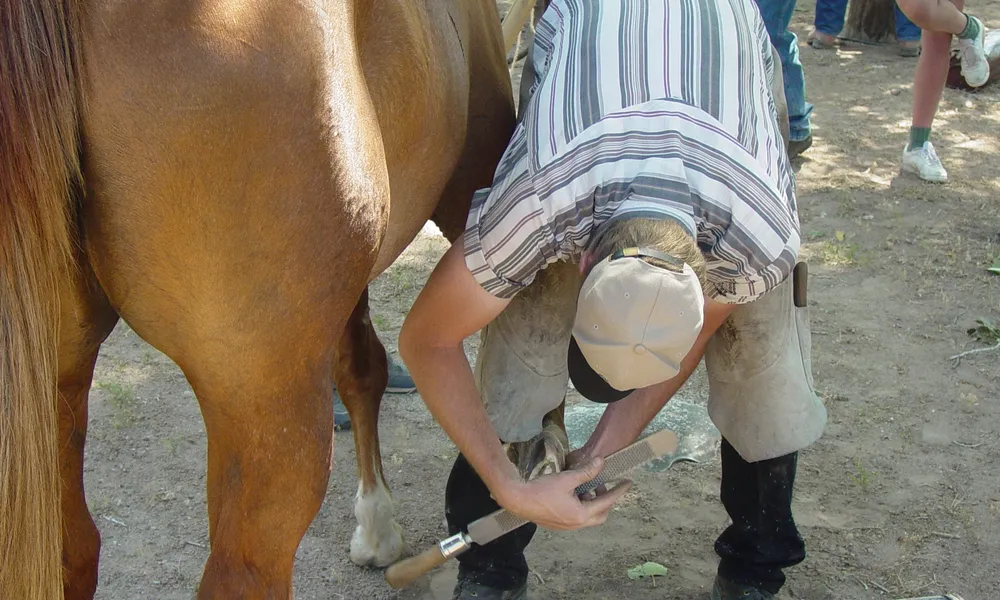
Dice Farrier Shoeing is the long game of the nine, the one where the crew shoes the horse from the opening roll to the final fitting. Each player rolls one die, and the crew adds each roll to a running total. When the total reaches twenty, the game ends and the crew earns five extra points. The slow climb to twenty gives every player a part in the win.
A roll of one sends the total back by two, so a crew can lose ground near the end. The game runs for fifteen minutes. If no crew reaches twenty in that time, the crew with the highest total takes the win. The game rewards patience, because a crew that rolls steadily will pass a crew that chases big rolls and keeps landing ones.
Dice Farrier Calks
Dice Farrier Calks is about grip, the small studs that keep a horseshoe from slipping on wet ground. Each player rolls one die. A roll of five or more earns two points, because the calk holds firm. A roll of three or four earns one point. A roll of one or two earns nothing. The game is quick to learn, and the crew can start playing within a minute of reaching the table.
The game runs for eight minutes. The crew records its points after every move, and the best one roll of the game earns one extra point. A crew that rolls three ones one after another loses two points, so the crew groans whenever a one follows a one. The game suits crews that like quick rounds with plenty of rolls for everyone.
Dice Farrier Coronet
Dice Farrier Coronet looks at the coronet band, the soft join where the hoof meets the limb. Each player rolls one die, and the lowest roll of the move wins the point. A roll of one earns two points. A roll of two earns one point. Any higher roll earns nothing. The upside-down scoring makes players cheer for low numbers, which feels strange for about a minute and then becomes the best fun of the day.
The game runs for ten minutes, and the crew records its points as it plays. The player with the lowest one roll of the whole game earns the crew one extra point, so a low roll can matter as much as a high one. Keep the score sheet honest, because the low rolls are easy to miss when the table is laughing.
Dice Farrier Pastern
Dice Farrier Pastern closes the nine with the joint above the fetlock, where the limb flexes with every stride. Each player rolls two dice. An even total earns two points. An odd total earns one point. A double earns one extra point as well. The even-or-odd choice is easy to explain, and the double adds a small thrill to every move.
The game runs for twelve minutes. The crew records its points after every move, and the highest even total of the game earns one extra point. When the gong note opens the final round, every crew knows the tally is close, and the ninth game often decides the day. End the game with a cheer for the crew beside you, whatever the points say.
At a Glance
Use this table to plan the day at a glance. Times are per round, and every game uses the same six dice.
| Game | Minutes | Winning roll |
|---|---|---|
| Dice Farrier Hoof | 10 | Six |
| Dice Farrier Clinch | 8 | Four or more |
| Dice Farrier Fetlock | 12 | Seven or more |
| Dice Farrier Pritchel | 10 | One to six in order |
| Dice Farrier Fuller | 12 | Three the same |
| Dice Farrier Shoeing | 15 | Reach twenty |
| Dice Farrier Calks | 8 | Five or more |
| Dice Farrier Coronet | 10 | Lowest roll |
| Dice Farrier Pastern | 12 | Even total |
564 Player Checklist
Work through this list before the opening gong note.
- Give each crew a score sheet. One sheet per crew is enough, and the crew keeps it for all nine games.
- Arrange 47 stations. One table per game, with a broad path between them.
- Give each crew six dice. Six dice per kit keeps the game moving while one player rolls.
- Use a gong note for each round. Every crew changes games on the same note, so nobody is left behind.
- Keep extra dice in one pouch. A pouch of extra dice saves the day when one rolls under a table.
- Leave time for the final tally. Ten minutes at the end is enough to add the points and name the winning crew.
Frequently Asked Questions
These are the questions crews ask most often.
Do players need to know anything about horses?
No. The games use dice, and the farrier words are explained as you play. New crews often ask how this day compares with the ink-maker’s workshop games for 561 players, and the answer is simple: the crew plan is the same, only the trade changes.
How long does the whole day run?
About two hours. Nine rounds of about ten minutes, plus time for the opening gong note, the moves between tables, and the final tally. A short rest in the middle keeps everyone fresh.
What if a crew has fewer than 12 players?
The games still work. A crew of ten or eleven simply rolls a little less often, and the points still add up the same way. If a crew drops below eight, merge it with the next crew and play as one crew of twelve or more.
Can younger players join in?
Yes. Children can roll, count, and record points, and the farrier theme gives them a job to talk about. Put younger players with an older player at each station, so nobody is left to work out the points alone.
What happens when two crews end even on points?
Both crews take the win for that game. If the whole day ends even, both crews hold the top spot, and the final tally lists them side by side.
Can we play indoors if it rains?
Yes. The games need only tables, dice, and score sheets, so a hall works as well as a yard. Leave a broad path between the tables, and keep the gong note loud enough for the far end of the hall to hear.
The Bottom Line
Dice games for 564 players work when the day is built around crews, stations, and short rounds. Nine farrier games give 47 crews of 12 a full day of play with nothing more than dice and score sheets, and the final tally turns a busy yard into a joint win. Pick a date, bring the dice, and let the farrier’s workshop do the rest.


