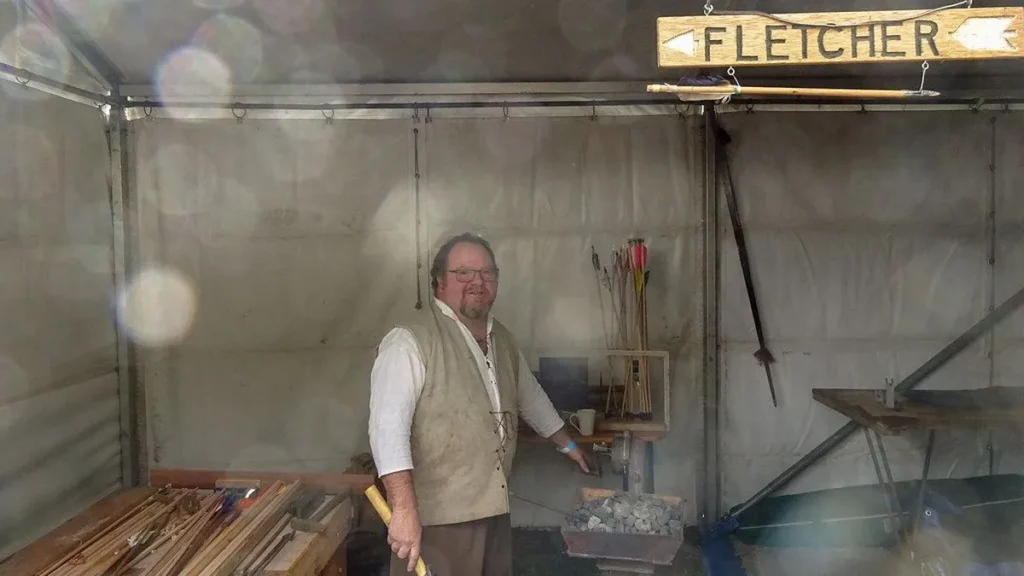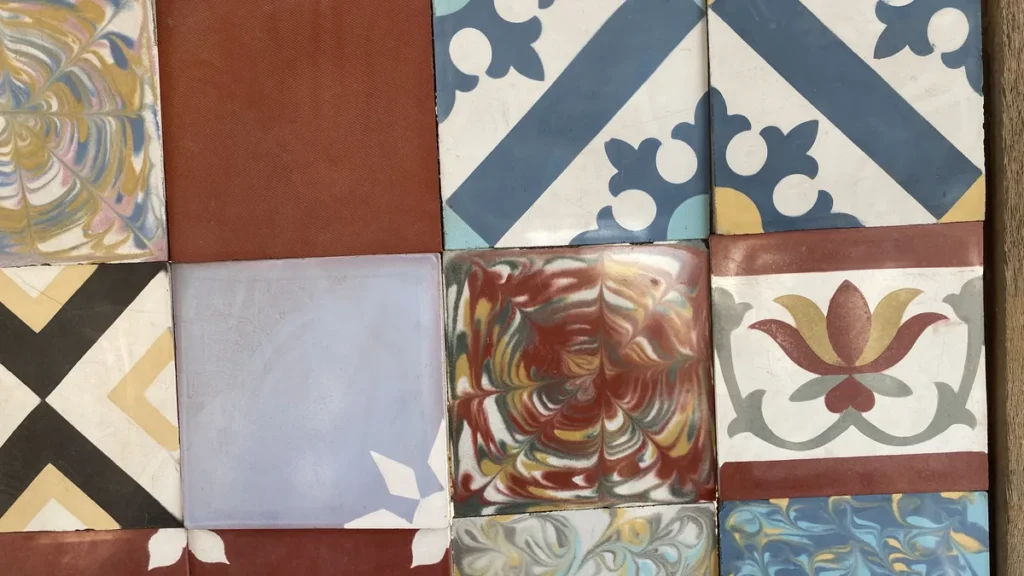
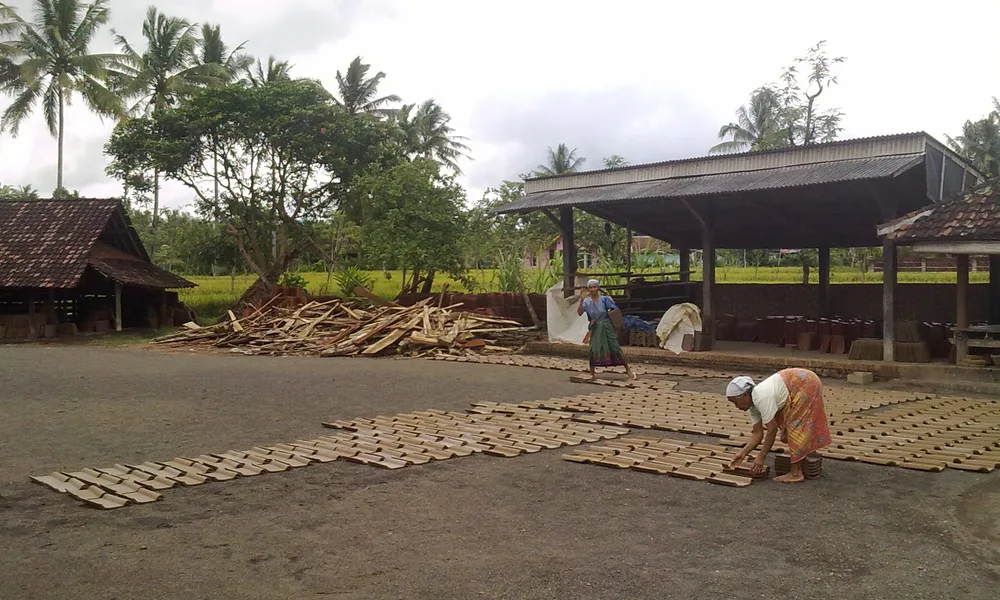
Five hundred and fifty-six players sounds like a crowd no single day of games could hold, yet these dice games for 556 players show how it can be done. In an old village tile-maker’s workshop, dozens of workers stood side by side at long tables, each with a piece of clay, a wooden mould and a row of tiles drying in the sun, and the whole workshop moved to the same steady rhythm. That rhythm is exactly what a huge dice day needs: many small teams, all playing the same short games at the same hour, with one clear tally that everyone can follow.
This article gives you nine fresh dice games built around the tools of the tile-maker’s workshop: the mould, the glaze pot, the imprint block, the kiln and the drying row. Every game uses ordinary six-sided dice, runs in ten minutes or less, and works with a few players at one table or a hall of tables playing together. Points are the only reward, and the team with the best tally at the end of the day takes home nothing more than the honour of the workshop.
You do not need to know the tile-maker’s trade to enjoy these games, and you do not need costly kit. Three dice in a small tub per table, a few practice tiles, and a tally sheet per table will carry the whole day. The games below explain themselves in under a minute each, so a host can teach a full hall without a microphone and without a long rule book.
Key Takeaways
- Nine fresh dice games, all built on tile-maker’s workshop tools, all playable by 556 players at once.
- Every game takes ten minutes or less and uses only ordinary six-sided dice.
- Points only: the tally is the whole reward.
- One tally sheet per table keeps the whole hall in step without a single long speech.
- The workshop theme needs no prior knowledge: each game explains itself in under a minute.

How 556 Players Actually Play Together
Four players to a table gives 139 tables, and each table plays the same game at the same hour. The host lifts a buzzer, every table begins together, and after ten minutes the host lifts the buzzer again and every table stops. Nobody waits for a turn on a distant stage, and nobody watches from the side while a few players do all the work. The workshop works because the work is shared, and the dice day works the same way.
Teams play three games before midday, three more after a pause for food, and three more in the afternoon. A team that ends early uses the extra minutes to practise the next game on an unused tile, so no table sits idle while others are still rolling. The order of the nine games is the same for every table, which means the tally sheets all agree at the end of the day.
Each table picks one tally keeper, and that person writes down every point on a single sheet. A helper walks the hall, gathers the sheets at midday, and gathers them again at the end of the day. With 139 sheets to add up, the helper needs two more helpers and a quiet corner of the hall, but the adding itself takes less than half an hour.
The Nine Games at a Glance
| Game | What teams do | Dice |
|---|---|---|
| 1. Dice Tile Mould | Work clay into a wooden mould | Two |
| 2. Dice Tile Glaze | Dip tiles in glaze pots | One |
| 3. Dice Tile Imprint | Settle an imprint block on wet clay | Three |
| 4. Dice Tile Kiln | Load tiles onto kiln tiers | Two |
| 5. Dice Tile Dry | Lay tiles out and watch them dry true | One |
| 6. Dice Tile Pack | Pack fired tiles into boxes | Two |
| 7. Dice Tile Load | Load boxes onto the yard cart | One |
| 8. Dice Tile Nib | Look over the nib on each roof tile | Two |
| 9. Dice Tile Face | Rate the decorated face of each tile | Three |
The Nine Games
Each game below names the workshop tool it borrows, the dice it needs, and how points are scored. Read the short how-to, pass the dice around, and begin. Every game is written for four players at a table, and every game scales down to three players without a single change to the rules.
1. Dice Tile Mould
The mould is where every tile begins, and this game treats it with respect. Each player takes two dice and one turn at the moulding table. Roll both dice and add the pips. If the sum comes to seven, the player works a piece of clay into the mould and earns one point. Any other sum earns nothing, and the dice pass to the next player.
Play five rounds, so every player rolls five times. A player who earns a point in three rounds out of five earns a bonus point for careful work. The game rewards patience rather than haste, because a player in a hurry will work too hard and spoil the clay. Keep the work light and the pressure even, and the seven will come.
2. Dice Tile Glaze
Glazing gives a plain tile its hue, and this game turns one dip into one roll. Each player rolls a single die. A six means a true glaze and earns one point. Any other face means the glaze sits thin, and the player earns nothing that turn. Play ten rounds, so every player rolls ten times.
Three true glazes in a row earn a bonus point, which keeps the late rounds tense even for players who started slowly. The game suits a quiet table because it needs no noise and no hurrying. A player who watches the die rather than willing it along tends to do best, or so the tile-makers say.
If your hall enjoys a workshop setting, the slate-yard games in our dice games for 547 players follow the same kind of craft rounds at a similar scale.
3. Dice Tile Imprint
The imprint block carries a carved pattern, and this game turns one block into one roll. Each player settles the block on a wet tile and rolls three dice. If all three show different faces, the imprint sits clear and the player earns one point. If any two dice show the same face, the imprint blurs, the player earns nothing, and the dice pass on.
Play six rounds. A player who earns a point twice in a row earns a bonus point for a run of clear imprints. The game is quick to teach because the rule takes one breath, and it stays lively because a clear imprint feels like a small win every time it lands.
4. Dice Tile Kiln
Loading the kiln takes a keen eye and a steady rhythm, and this game turns one tier into one roll. Each player rolls two dice. A sum of eight means the tier sits true and earns one point. Any other sum means the tier sits crooked, and the player earns nothing that turn. Play eight rounds, so every player rolls eight times.
Three true tiers in a row earn a bonus point, which keeps the late rounds tense even for players who started slowly. The game suits a noisy hall because the kiln rounds move briskly and the tally grows quickly. A player who loads with care rather than haste tends to do best, or so the tile-makers say.
5. Dice Tile Dry
Drying turns soft clay into a firm tile, and this game turns one row into one roll. Each player rolls a single die. A five means the row dries true and earns one point. Any other face means the row warps, and the player earns nothing that turn. Play ten rounds, so every player rolls ten times.
Four true rows without a miss earn a bonus point, which keeps the middle rounds tense even for players who started slowly. The game suits a sunny yard because the drying rows need no roof overhead, only open air and a little patience. A player who leaves the tiles alone rather than fussing over them tends to do best, or so the tile-makers say.
6. Dice Tile Pack
Packing turns a pile of fired tiles into a neat box, and this game turns one box into one roll. Each player rolls two dice. A sum of six means the box packs neat and earns one point. Any other sum means the box packs loose, and the player earns nothing that turn. Play eight rounds, so every player rolls eight times.
Three neat boxes in a row earn a bonus point, which keeps the late rounds tense even for players who started slowly. The game suits a careful table because it needs no noise and no hurrying. A player who packs with care rather than haste tends to do best, or so the tile-makers say.
The net-loft games in our dice games for 554 players follow the same kind of craft rounds at a similar scale.
7. Dice Tile Load
Loading the yard cart takes a keen eye and a steady rhythm, and this game turns one box into one roll. Each player rolls a single die. A four means the box loads true and earns one point. Any other face means the box loads crooked, and the player earns nothing that turn. Play ten rounds, so every player rolls ten times.
Three true loads in a row earn a bonus point, which keeps the late rounds tense even for players who started slowly. The game suits a busy hall because the cart rounds move briskly and the tally grows quickly. A player who loads with care rather than haste tends to do best, or so the tile-makers say.
8. Dice Tile Nib
The nib is the small hook on the back of a roof tile, and this game turns one nib into one roll. Each player rolls two dice. A sum of nine means the nib holds whole and earns one point. Any other sum means the nib snaps, and the player earns nothing that turn. Play eight rounds, so every player rolls eight times.
Three whole nibs in a row earn a bonus point, which keeps the late rounds tense even for players who started slowly. The game suits a quiet table because it needs no noise and no hurrying. A player who looks over each nib with care rather than haste tends to do best, or so the tile-makers say.
9. Dice Tile Face
The face is the decorated side of a tile, and this game turns one face into one roll. Each player rolls three dice. If all three show different faces, the face rates true and earns one point. If any two dice show the same face, the face rates plain, the player earns nothing, and the dice pass on.
Play six rounds. A player who earns a point twice in a row earns a bonus point for a run of true faces. The game is quick to teach because the rule takes one breath, and it stays lively because a true face feels like a small win every time it lands. End the day with this game, because a hall full of bright faces is the finest sight a tile-maker’s workshop can offer.
Scoring That Holds Fair at This Scale
Every game earns points in the same way: one point for a true result, and one bonus point for a run of true results. The tally keeper writes the points on the sheet after each round, and the helper gathers the sheets at midday and again at the end of the day. No game earns more than two points in a single round, so no single roll can decide the day.
If two teams end even on points, the tie-break is simple: each team rolls three dice once, and the team with the greater sum takes the higher place. If the sums agree, the teams roll again. The tie-break takes less than a minute, and it keeps the contest fair to the very end.
The stonemason’s-yard games in our dice games for 555 players follow the same craft-round rhythm and suit a hall of the same size.
Night-of Checklist
- Three dice in a small tub at every table.
- Paper slips and crayons at every table.
- A written firing plan for the kiln.
- One helper per ten tables.
- Boxes, tubs and paper slips ready before the day starts.
- A small medical kit and drinking water near the yard.
Frequently Asked Questions
How many dice does each table need?
Three dice in a small tub is enough for every game below. Each game uses one, two or three dice, and the dice pass around the table, so no table needs a larger tub. Bring a few spare dice for the hall, in case one rolls away and cannot be found.
What if a tile is spoiled during a round?
A spoiled tile earns nothing that round, and the player moves on to the next round without a fuss. Keep a few spare tiles at every table, so a spoiled tile never holds up the game. The tally keeper writes a zero for that round and the game carries on.
Can younger players play too?
Yes. Every game below needs no prior knowledge of the tile-maker’s trade, and the rules fit in one breath. Younger players often do best at the glazing and imprint games, where a careful eye matters more than a strong arm. Put younger players beside an older player to begin with, so the rules settle quickly.
How long does the whole day take?
Nine games at ten minutes each take ninety minutes of play, with a pause for food in the middle and a short pause between the morning and afternoon games. Most halls end the whole day in about three hours, including the tally and the tie-break. A hall that starts at ten in the morning usually ends by one in the afternoon.
Do teams need any skill with clay?
No. The games use play clay and practice tiles, and no team needs to shape a real tile to earn a point. The dice decide the points, and the clay is there to make the workshop feel real. A team that has never touched clay can play every game below without a single change to the rules.
What happens if two teams end even on points?
The tie-break in the scoring section above settles it: each team rolls three dice once, and the team with the greater sum takes the higher place. If the sums agree, the teams roll again. The tie-break takes less than a minute, and it keeps the contest fair to the very end.
The Bottom Line
Five hundred and fifty-six players, nine games, one workshop, and a single tally sheet per table: that is the whole day. The tile-maker’s workshop gives a huge hall a shared rhythm, a clear purpose, and games that any team can learn in a minute. Bring the dice, bring the clay, and let the kiln do the rest.