Dice games for 537 players seem impossible until you imagine the venue as an old village lime kiln, with 90 groups working in the same venue and every group busy with the same 9 jobs. Nobody waits around, and nobody needs to know a single thing about lime before the dice come out. The kiln holds the whole afternoon together: chalk to crumble, fuel to feed, lime to slake, mortar to work, and whitewash to carry. This guide gives you all 9 games, the kit, and a schedule that keeps 537 players moving from the opening roll to the end score.
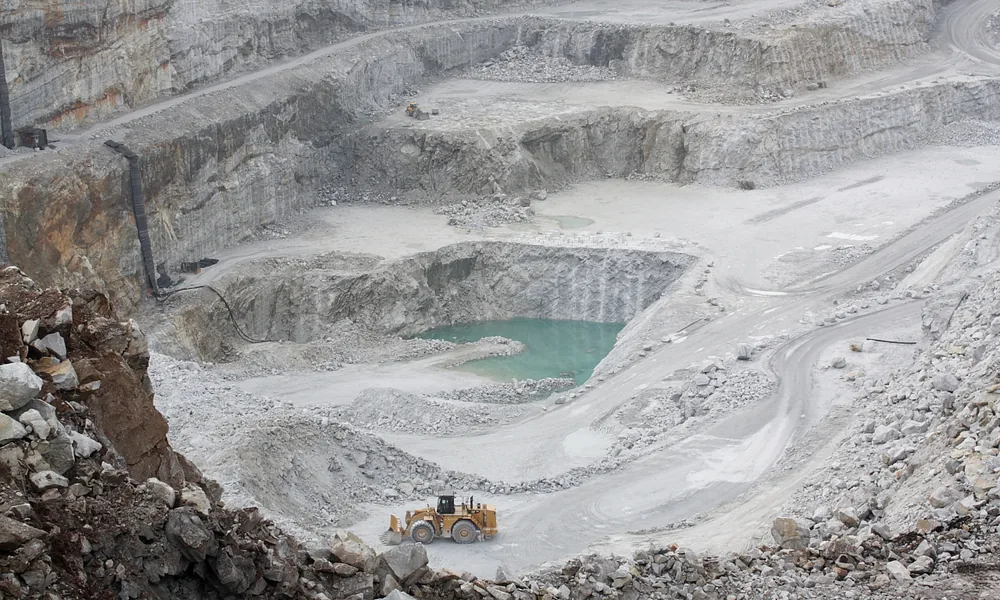
A lime kiln is a simple thing to imagine. Limestone goes in at the top, a fierce burn frees the gas inside the rock, and quicklime comes out at the mouth, ready to be slaked in a trough and mixed into mortar or limewash. Every job around the kiln is practical and easy to learn by doing, which is exactly what you want when 537 players share a venue. The 9 games below make dice play from those jobs.
The format is plain. You divide 537 players into 90 groups: 87 groups of 6 and 3 groups of 5. Every group gets the same kit and the same 9 games, and every group plays all 9 games in the same schedule. A scorekeeper in each group keeps the score, and a scoreboard at the front shows the current sums. If your group likes a working theme, the fish-market dice games for 535 players use the same group sizes and 9 jobs.
Key takeaways
- 537 players divided into 90 groups: 87 groups of 6 and 3 groups of 5.
- Every group plays the same 9 lime kiln jobs, so no group needs special kit or prior knowledge.
- Each group needs 5 dice, a score sheet, and a pen, plus a scoreboard for the venue.
- The 9 games take about 90 minutes in all, with short pauses between games.
- A scorekeeper in each group keeps the score, and the scoreboard shows the current sums for everyone to see.

The 9 Games at a Glance
Every game uses ordinary six-sided dice, and the minutes column shows how long each game runs when 90 groups play at the same time.
| Game | The job | Dice | Minutes |
|---|---|---|---|
| Dice Chalk Crumble | Crumble chalk bits into fine powder | 2 | 10 |
| Dice Kiln Stoke | Feed fuel into the kiln mouth | 3 | 10 |
| Dice Lime Slake | Slake quicklime in the trough | 1 | 8 |
| Dice Mortar Trowel | Work lime mortar with a trowel | 2 | 10 |
| Dice Whitewash Pail | Carry the pail and whitewash the kiln sides | 2 | 10 |
| Dice Kiln Vent | Work the flue vent by the pips | 2 | 10 |
| Dice Ash Rake | Rake ash away from the kiln mouth | 2 | 10 |
| Dice Lime Powder | Tip lime powder through a mesh | 3 | 12 |
| Dice Lime Putty | Knead lime putty until it turns supple | 2 | 10 |
How the Afternoon Runs
3 small decisions make the afternoon run well: the groups, the kit, and the scorekeeper. Decide those 3 before the opening roll, and the 9 games take care of themselves.
Work Out How Many Groups You Need
With 537 players, the arithmetic is simple: 87 groups of 6 gives you 522 players, and 3 groups of 5 gives you the remaining 15. That is 90 groups in all, and every group plays the same 9 games. Put the groups of 5 near the front of the venue, where the scorekeeper can reach them easily. Nobody needs to move between games, which saves a lot of time with 537 players involved.
Give each group a digit from 1 to 90 and put it on their score sheet. Digits are easier to see on the scoreboard. If a group is short a player on the day, let the group play on with 5 players; the scoring below works for groups of 5 and 6 alike.
Give Every Group the Same Kit
Every group needs 5 dice, a score sheet, and a pen. That is 450 dice in all, so buy a few extra dice as well, because dice roll away in a venue this size. Give the kits out before the opening roll, and nobody can argue another group had an advantage.
You will also need a scoreboard at the front, plus a loud voice so everyone can hear. The paper-mill dice games for 534 players run the same way, with 9 practical jobs around an old village mill, and they use the same kind of kit list, so the routine will feel familiar if you have run an afternoon of that kind before.
Name a Scorekeeper for Every Group
Ask each group to choose a scorekeeper before the opening roll. The scorekeeper rolls the dice where the group can see them, reads the pips aloud, and writes the score on the score sheet. Rotating the scorekeeper between games keeps the job even, and every player gets a try at reading the dice. A good scorekeeper is worth more than a fast player, because a clear score sheet is what the scoreboard depends on.
After each game, the scorekeeper announces the group sum, and a helper at the front puts it on the scoreboard. Keep the scoreboard visible from anywhere in the venue, and update it after every game. The scoreboard is the centre of the afternoon: it turns 90 separate games into an event for everyone.
The 9 Lime Kiln Dice Games
Here are the 9 games. Each takes a job from the old village lime kiln and makes dice play from it. Learn the job, roll the dice, and let the pips decide how the job went.
1. Dice Chalk Crumble
Chalk is soft limestone, and the kiln workers crumble it into fine powder before it nears the burn. In this game, each player rolls 2 dice and crumbles as many chalk bits as the pips show. A roll of 7 means 7 chalk bits crumbled into powder, and the powder adds to the group collection. Every player in the group has a try, and the group score is the sum of chalk bits crumbled by the whole group.
The fun of this game is in the doubles. If a player rolls a double, the group cheers the pips aloud and the player rolls again, adding the fresh pips to the earlier ones. A double 6 followed by a 9 is worth 21 chalk bits. Keep the chalk bits in a small collection beside the score sheet, so everyone can see it grow.
2. Dice Kiln Stoke
Stoking the kiln means feeding fuel into the mouth at a steady pace, never rushed and never lagging. In this game, each player rolls 3 dice and feeds fuel equal to the sum of the pips. A roll of 12 means 12 measures of fuel fed into the mouth, and the scorekeeper writes it down. Every player in the group has a try, and the group score is the sum of fuel fed by the whole group.
The twist is the low roll. If a player rolls a sum of 6 or less, the burn fades and the group loses 5 from their current sum for this game. That keeps everyone alert through every roll, because a small roll can undo a generous roll. Groups that talk about the pace before they roll tend to do better: stoking rewards a cool head, not a lucky roll.
3. Dice Lime Slake
Slaking is what happens when quicklime meets liquid in the trough: it hisses and turns into a thick slurry. In this game, each player rolls 1 die and tips liquid into the trough equal to the pips shown. A roll of 4 means 4 measures of liquid, and the scorekeeper writes it down. Every player in the group has a try, and the group score is the sum of liquid tipped by the whole group.
The catch is the 1. If a player rolls a 1, the trough is dry for that try, and the player scores nothing for the roll. A 6, by contrast, is worth double, so a roll of 6 scores 12. That rule makes the scores vary a lot from group to group. Keep the trough in the middle of the group, so every player can see the liquid grow.
4. Dice Mortar Trowel
Mortar is slaked lime with fine aggregate mixed in, and the trowel is the tool that works it into shape. In this game, each player rolls 2 dice and works as many measures of mortar as the pips show. A roll of 8 means 8 measures of mortar worked with the trowel, and the scorekeeper writes it down. Every player in the group has a try, and the group score is the sum of measures worked by the whole group.
The skill in this game is patience. A player who rushes will miscount, and the scorekeeper can ask for a recount, which costs the group time. Groups that work slowly and clearly, with a player reading the pips aloud while another works the trowel, usually end with the highest scores. The mortar game rewards steady work more than a lucky roll.
5. Dice Whitewash Pail
Whitewash is thin limewash, and the kiln sides get fresh whitewash after every firing. In this game, each player rolls 2 dice and carries as many pailfuls as the pips show. A roll of 9 means 9 pailfuls carried to the kiln sides, and the scorekeeper writes it down. Every player in the group has a try, and the group score is the sum of pailfuls carried by the whole group.
The pail game has a simple bonus: any player who rolls a double carries double the pailfuls, so a double 5 is worth 20 pailfuls, not 10. That bonus can put a slow-starting group back near the front. Keep the pail beside the score sheet, and let the player who rolled stay beside it while the scorekeeper writes it down, so the job feels real even when the pail is empty.
6. Dice Kiln Vent
The flue vent runs the burn: work the vent this way and the burn runs fierce, work it that way and the burn settles. In this game, each player rolls 2 dice and moves the vent by the pips shown. A roll of 7 moves the vent 7 notches, and the scorekeeper writes it down. Every player in the group has a try, and the group score is the sum of vent work for the whole group.
The vent game rewards doubles. If the 2 dice show the same pips, the player works the vent twice as much, so a double 4 is worth 16, not 8. Groups that keep a current sum aloud do best here, because the doubles grow fast. This is where the scoreboard often moves the most, because a few doubles in a row can move a group from the middle to the front.
7. Dice Ash Rake
After the burn, ash lies at the kiln mouth, and the rake clears it away before fresh limestone arrives. In this game, each player rolls 2 dice and rakes the ash for the pips shown. A roll of 10 means 10 rakes, and the scorekeeper writes it down. Every player in the group has a try, and the group score is the sum of rakes for the whole group.
The rake game has a hazard: if a player rolls a 2, the rake catches on a bit of clinker and the player scores nothing for that try. Clinker is the hard, fused ash that forms in the fiercest part of the kiln, and it stops the rake. Groups learn fast to cheer the generous rolls and groan at the 2. Keep the rake where the whole group can see it, so the job stays visible while the dice decide the score.
8. Dice Lime Powder
Fine lime powder is tipped through a mesh to leave the coarse bits behind, and the powder that falls through is the best for limewash. In this game, each player rolls 3 dice and tips powder equal to the sum of the pips. A roll of 14 means 14 measures of powder tipped through the mesh, and the scorekeeper writes it down. Every player in the group has a try, and the group score is the sum of powder tipped by the whole group.
The powder game runs for 12 minutes, more than any other game here, because 3 dice take longer to work out and sum than 1 or 2. The scorekeeper should speak the pips aloud a die at a time. A sum of 16 or more is worth a bonus of 5, which gives the high scorers something extra to reach for.
9. Dice Lime Putty
Lime putty is slaked lime left to mature under liquid until it turns thick and supple, and it is kneaded before use. In this game, each player rolls 2 dice and kneads the putty for as many kneads as the pips show. A roll of 6 means 6 kneads, and the scorekeeper writes it down. Every player in the group has a try, and the group score is the sum of kneads for the whole group.
Putty is game 9, and it suits a calm ending. There are no hazards and no doubles bonus here, only steady kneading and honest addition. The group that ends ahead in the putty game is often the group that kept its nerve through the earlier games. When the putty game ends, the scorekeeper reads the group sum aloud again, and the scoreboard shows how every group placed.
Your Afternoon Checklist
Run through this list before the opening roll.
- Buy 450 dice, plus at least 30 extra dice, and make up 90 kits.
- Print 90 score sheets for all 9 games.
- Put up a scoreboard at the front of the venue where every group can see it.
- Ask each group to choose a scorekeeper before the opening roll.
- Keep a helper at the front to collect group sums after every game.
- Allow about 90 minutes for the 9 games, plus short pauses between games.
Frequently Asked Questions
Can 537 players really play dice games at the same time?
Yes, because the 537 players are divided into 90 groups, and each group plays on its own. Nobody waits for another group, and every group has the same kit and the same 9 games.
How many dice do we need for 537 players?
You need 450 dice: 5 dice for each of the 90 groups. Buy at least 30 extra dice as well, because dice roll away in a venue this size. Ordinary six-sided dice are all you need, and every game in this guide uses them.
What if a group has only 3 players?
Let the group play on. The scoring in these 9 games is a plain sum of what the group does, so a smaller group simply scores a smaller sum. If you want to even things out, you can let a group of 3 play with an extra die in the games that use 2 dice, but most groups are happy to play as they are.
How long does the whole afternoon take?
About 90 minutes for the 9 games, plus short pauses between games. Allow 2 hours in all from the opening roll to the end score, which leaves time for a breather in the middle.
Do players need to know about lime kilns already?
No. Every game explains its job briefly, and the jobs are simple: crumble, feed, slake, work, carry, vent, rake, tip, and knead. Players learn the jobs by playing them, and the dice do the rest. The lime kiln theme gives the afternoon its own feel, not an exam for anyone.
Are the lime kiln games played for money?
No. The score is the prize, and the scoreboard is the reward. Groups play for the fun of the jobs and the pleasure of seeing their sum grow. Keep the stakes friendly, and the afternoon stays friendly too.
The Bottom Line
Dice games for 537 players work when the format is simple, the kit is the same for everyone, and the theme gives every game a job worth doing. The old village lime kiln does all 3: 90 groups, 9 jobs, and a scoreboard that keeps the whole venue together for an afternoon. The cooper’s workshop dice games for 532 players work the same way, with 9 barrel-making jobs for a huge group, and they are a good next game once your group has tried the kiln. Roll the dice, work the jobs, and let the scoreboard show the result.