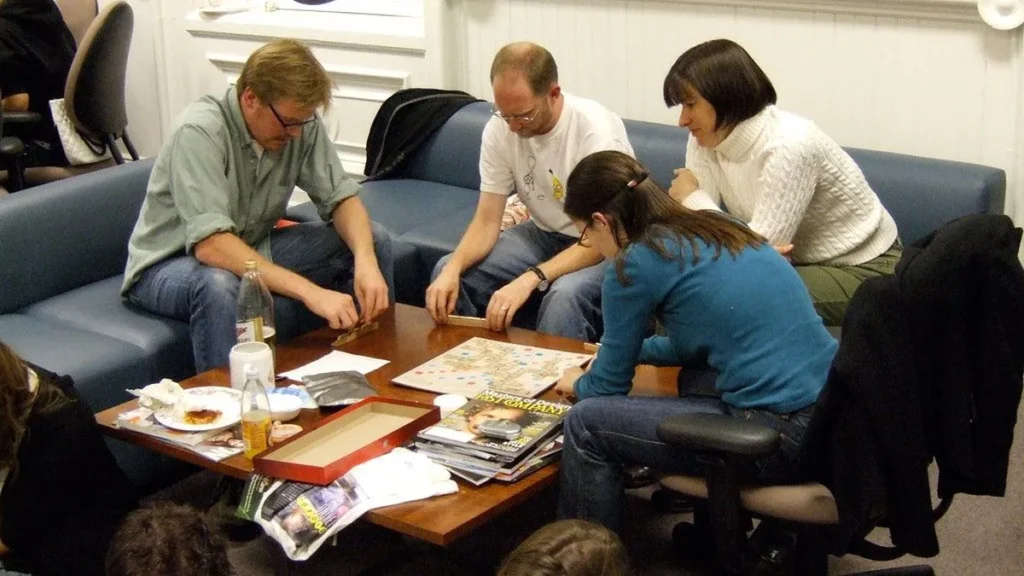
These dice games for 536 players make an old village brewery into a full evening of play. Every group works through the same nine brewing jobs, from steeping barley to chilling lager, and every job is decided by the dice in front of them. Nobody needs to know brewing before they arrive, and nobody needs a single drop of real ale, because water, barley and a good handful of dice do all the work.
The plan is simple on purpose. The 536 players split into compact groups of four, each group gets the same kit, and each group works through the same nine games in the same order. A caller in each group reads the job aloud, rolls the dice, and notes the result. When all nine jobs are done, the group with the highest sum takes the honours.
A brewery theme suits a crowd this large because the work itself is a natural order. Barley must be steeped before the wort can be boiled, the wort must be boiled before the yeast can start, and the casks must be sealed before they can be rolled across the yard. That order gives every group a shared story to follow, and it gives the dice a clear job at each step, so nobody stands around wondering what happens next.
Key takeaways
- Split 536 players into compact groups of four, with 134 groups in all.
- Give every group the same kit: six dice, a notepad, a pen and a printed job list.
- Play the nine brewery games in order, from Dice Barley Steep to Dice Lager Chill.
- Let the dice decide every result, and let the caller note each result before the next job begins.
- Add up the points at the end; the group with the highest sum takes the honours.
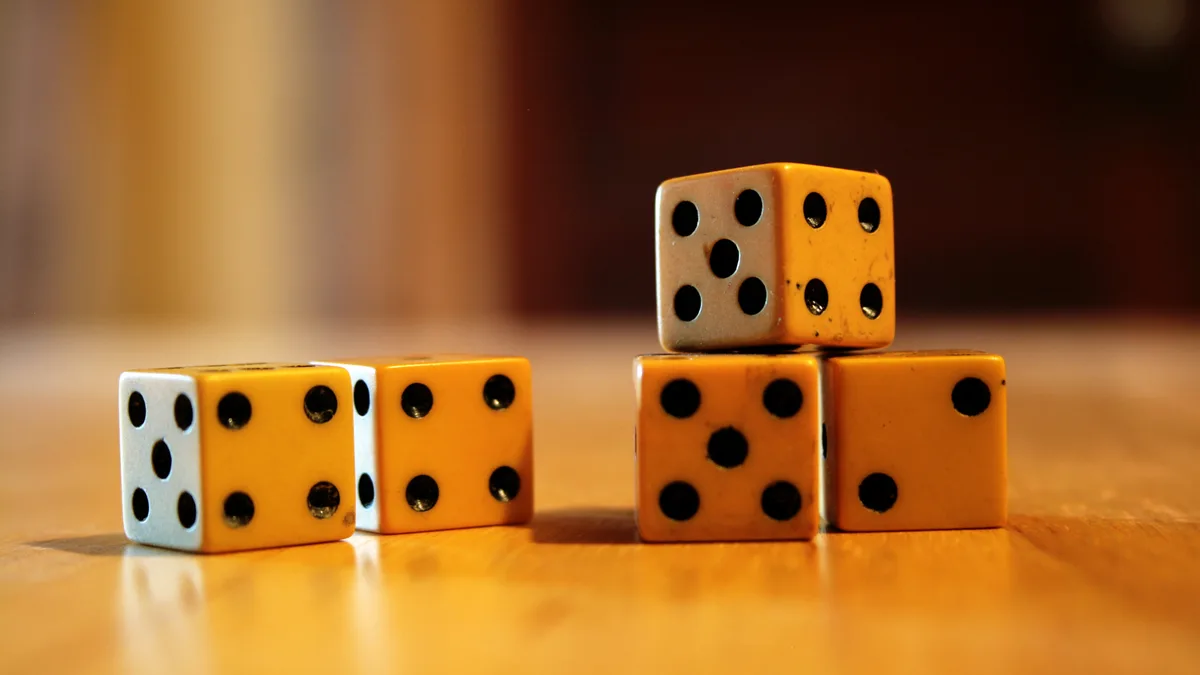
The nine brewery games at a glance
| Game | Dice per group | Minutes | What it teaches |
|---|---|---|---|
| 1. Dice Barley Steep | 2 | 10 | Patience with the steep |
| 2. Dice Wort Boil | 2 | 10 | Timing the boil |
| 3. Dice Yeast Start | 2 | 10 | Waking the yeast |
| 4. Dice Firkin Plug | 2 | 10 | Sealing a small cask |
| 5. Dice Hogshead Roll | 3 | 15 | Moving a large cask |
| 6. Dice Dray Run | 3 | 15 | Planning a delivery route |
| 7. Dice Sparge Trickle | 2 | 10 | Rinsing the malt bed |
| 8. Dice Kilderkin Fetch | 2 | 10 | Fetching a small cask |
| 9. Dice Lager Chill | 2 | 10 | Chilling the lager |
The nine games take about 100 minutes in all, with a short pause after the fifth game to look over the points so far.
How the evening runs
A crowd of 536 only works when the shape of the evening is clear before anyone picks up a die. Three choices carry the whole night: the size of the groups, the kit each group holds, and the person who calls each job.
Sort the groups before anything else
Split the 536 players into groups of four, which gives 134 groups. Four is the right size because everyone can see the dice, everyone rolls, and nobody is left watching from the back. Put each group in its own zone of the brewhouse or the yard, with space for a small vessel of water and a printed job list. Number the zones from 1 to 134. Groups stay together for all nine games, which keeps the points simple.
Hand every group the same kit
Each group needs six dice, a notepad, a pen and a printed job list that names the nine games in order. Six dice cover the games that use three dice, with spares if one rolls under a bench. The notepad holds the points, and the job list keeps every group on the same step at the same time. Do not give one group extra dice or a different job list, because the whole evening rests on every group facing the same chances. A spare kit at the front of the brewhouse covers any group that loses a die mid-game.
Pick a score caller for each group
Each group picks one caller before the first game. The caller reads the job aloud, rolls the dice where the whole group can see them, and writes the result on the notepad before anyone moves on. The caller is not a boss; the caller is the person who keeps the group honest and keeps the pace steady. If a die lands on its edge or rolls off the surface, the caller rolls it again and the group accepts the new result without argument. Change the caller after the fifth game if the group wants a fresh voice. The windmill games in our guide to dice games for 512 players use the same kind of craft-yard pace, with a caller in each group and the same kit on every bench.
The nine games
Play the nine games in the order below. Each game names the dice it needs, the step it copies from real brewing, and the way the points are earned. Keep the points on the notepad after each game, and do not return to change a result once the next game has begun.
1. Dice Barley Steep
The first job copies the steep, when barley sits in cool water until it softens and wakes. Each group puts a handful of barley into a tun of water and rolls two dice. The sum decides how many minutes the barley sits before the group lifts it out and spreads it to dry. A low sum means a short steep and a firm grain; a high sum means a long steep and a softer grain. The group earns points equal to the sum, and a double earns three extra points, because a matched pair shows the steep was even all the way through.
The charm of this game is its calm start. Nobody has to hurry, nobody has to shout, and every group begins the evening with the same quiet job. If a group has never seen barley before, the caller holds up a few grains so everyone knows what they are handling.
2. Dice Wort Boil
The second job copies the boil, when the sweet wort bubbles in the copper and the bine cones are put in. Each group rolls two dice, and the sum decides how many minutes their wort boils. While the wort boils, the caller reads the timing aloud so the group can follow the rise and fall of the bubbles. A sum of seven or more earns the group a bonus point, because a long boil gives a clearer wort, and a double earns three extra points for a steady boil from start to finish. If the dice show a low sum, the group still earns the points for the sum itself, so no group ever leaves a game with nothing.
The boil is the loudest step of the evening. The smell of warm wort fills the brewhouse as the dice decide who boils long and who boils short.
3. Dice Yeast Start
The third job copies the moment the yeast wakes, when a small amount of yeast is put into the cooled wort and fermentation begins. Each group rolls two dice, and the sum decides how many minutes the yeast is left to wake before the group checks it. A sum of eight or more means a strong start, and the group earns a bonus point for it. A double means the yeast woke evenly, and the group earns three extra points. The caller writes the result down, and the group moves on without opening the vessel again, because a watched yeast never seems to hurry. Fermentation also shapes the vineyard games in our guide to dice games for 518 players, where the same patient waiting decides the flavour of the finished drink.
This game teaches the most useful lesson of the evening: some jobs need waiting, not effort. Players who like to rush will find this game the hardest.
4. Dice Firkin Plug
The fourth job copies the sealing of a firkin, the small cask that holds the finished ale. Each group rolls two dice, and the sum decides how firmly the plug sits in the cask. A high sum means a snug plug that will hold through the journey to the yard; a low sum means a loose plug that the group must tap again with care. A double earns three extra points, because a matched pair means the plug went in straight on the first try. The group earns points equal to the sum, and the caller checks the plug by eye before the points are written on the notepad.
Use a real wooden plug and a real firkin if you have them. If you only have a model cask, the game still works, because the dice decide the result and the group still examines the plug by eye.
5. Dice Hogshead Roll
The fifth job copies the rolling of a hogshead, the largest cask in the brewhouse, across the yard. Each group rolls three dice, and the sum decides how far their hogshead travels along a marked line on the ground. A high sum means a long, smooth roll; a low sum means a short roll that stops early. A triple earns five extra points, because three matching dice show a perfectly even roll. The group earns points equal to the sum, and the caller marks the stopping place with a chalk notch so the distance is clear to everyone.
Roll the hogshead with care, because it is heavy and it will keep going once it starts. Two players guide it while the rest of the group watches the line, and nobody stands in front of a moving cask.
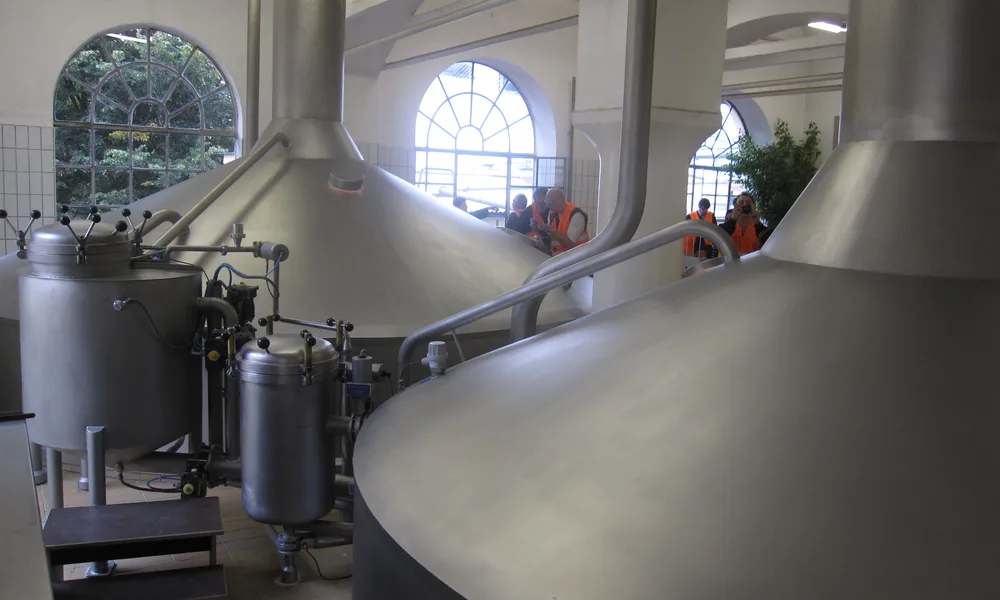
6. Dice Dray Run
The sixth job copies the dray run, when the loaded dray leaves the brewhouse yard to deliver casks along a fixed route. Each group rolls three dice, and the sum decides how many stops their dray makes on the route. A high sum means a long route with many stops; a low sum means a short route with few stops. The group earns points equal to the sum, and a triple earns five extra points for a route completed without a single missed stop. The caller reads the stops aloud in order, and the group names each stop as it comes, so the route stays clear in everyone’s mind.
This game suits players who like planning, because the route rewards a group that thinks ahead. Talk through the stops before the dice are rolled, and keep the pace steady rather than fast.
7. Dice Sparge Trickle
The seventh job copies the sparge, when warm water trickles through the malt bed to rinse out the remaining sweetness. Each group rolls two dice, and the sum decides how many minutes the trickle runs. A slow trickle earns the group a bonus point if the sum is seven or more, because slow water rinses more gently than fast water. A double earns three extra points for an even trickle from start to finish. The caller watches the water run clear and calls the end of the trickle, and the group writes the result down before moving on.
Keep the trickle slow on purpose. If the water runs too fast, it misses the malt bed, so the game rewards patience over force. This is a quiet game after the noise of the dray run.
8. Dice Kilderkin Fetch
The eighth job copies the fetch, when a kilderkin is brought in from the cool room for the evening ahead. Each group rolls two dice, and the sum decides which kilderkin the group fetches, by numbering the casks in the cool room from two to twelve and matching the sum to a number. A double earns three extra points, because a matched pair means the group found its cask on the first look. The group earns points equal to the sum, and the caller notes the cask number beside the points so the fetch can be checked later.
Number the casks clearly before the game begins, and keep the cool room tidy so the fetch is a fair test. If two groups fetch the same number, both groups keep their points.
9. Dice Lager Chill
The ninth job copies the chill, when the lager rests in the cold until it is clear and bright. Each group rolls two dice, and the sum decides how many minutes their lager chills. A sum of eight or more earns a bonus point, because a long chill gives a clearer lager, and a double earns three extra points for a chill that stayed even all the way through. The group earns points equal to the sum, and the caller writes the final result on the notepad, then adds up the points from all nine games.
End the game quietly. Let the groups add up their points without rushing, and let the caller read the final sum aloud. The chill is the right finish, because it asks for the same patience as the first game.
Before the first roll: a short checklist
Run through this list the day before the evening, so nothing is left to chance.
- Check the player numbers and confirm 134 groups of four, with a zone number for each group.
- Prepare 134 kits, each with six dice, a notepad, a pen and a printed job list.
- Fill the tuns with water, lay out the barley, and mark the hogshead line on the ground.
- Number the kilderkins in the cool room from two to twelve, and inspect the plugs and the firkin.
- Pick a caller for each group, and give every caller a copy of the points rules.
- Plan the pause after the fifth game, with water and space for groups to compare notes.
Questions people ask
Can 536 players really play dice games at the same time?
Yes, because the players are split into 134 groups of four, and each group plays the same nine games with its own dice. The games do not need a shared board, so every group can play at its own pace within the same order of games.
How many dice do we need for 536 players?
Each group needs six dice, which means 804 dice in all for 134 groups, plus a few spares at the front of the brewhouse. Six dice per group covers the games that use three dice, so buy or borrow a few extra and keep them in one place.
What if a group has only three or four players?
Groups of four work best, but a group of three can play every game without any change, because the dice decide the result. If a group has five players, split it into a group of three and a group of two, so nobody is left without a job.
How long does the whole evening take?
The nine games take about 100 minutes, with a short pause after the fifth game. Allow another 20 minutes at the start for sorting the groups and handing out the kits, and 15 minutes at the end for adding up the points and naming the champion.
Do players need to know brewing already?
No. Each game explains the brewing step it copies in one or two sentences, and the dice decide the result, so a player who has never seen a brewery can play every game. The bakery games in our dice games for 509 players that actually work for huge groups work the same way, with each game explaining its own craft step as it goes.
Are the brewery games played for money?
No. The games are played for points only, and no money is involved at any stage. The points decide which group takes the honours, and the prize is a small keepsake for the champion group, not cash.
The Bottom Line
Dice games for 536 players work best when the theme gives every group the same clear order, and an old village brewery does exactly that. Steep the barley, boil the wort, wake the yeast, seal the firkin, roll the hogshead, run the dray, rinse the malt bed, fetch the kilderkin and chill the lager, and let the dice decide each step. Keep the groups small, keep the kit the same, keep the points honest, and the evening will run itself.