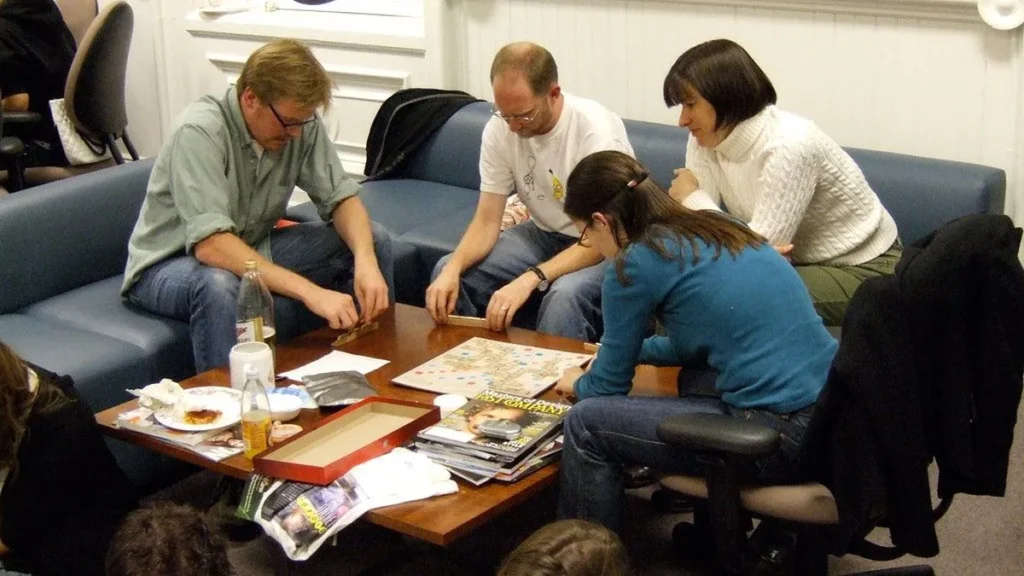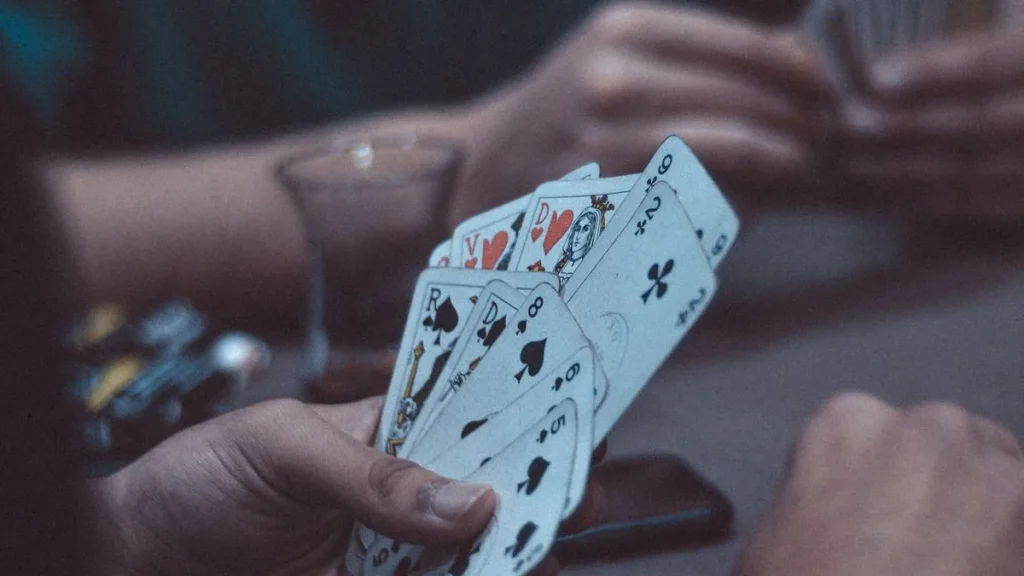
Card games for 536 players work when the night is arranged around many tables, short rounds, and one shared pace. A single table seats only a handful of people, so a group of 536 needs dozens of tables playing at the same time, with every table following the same timing and the same simple rules. When the pace stays steady, nobody waits long, nobody feels unsure, and the whole venue hums with play from the opening minute until the tallies are added up.
The answer is to pick titles that teach in under a minute and play in under fifteen. A long teach eats the night, and a long round leaves tables out of time with each other. The nine titles below all teach fast, play fast, and keep every player busy on every turn, which is exactly what a group this size needs.
This guide explains how to arrange the tables, how to move players between rounds, and how to keep the tallies honest across a whole night. It also gives you nine titles that have all been played at large tables before, with notes on what each one asks of its players and why it works for a group of 536.
Key takeaways
- 536 players need dozens of tables, one shared pace, and rounds of fifteen minutes or less.
- Pick titles that teach in under a minute and keep every player busy on every turn.
- Move players to a new table after every round so no group plays the same people all night.
- Use one tally card per table and one scorer per table so the tallies stay honest.
- Short, loud, simple titles work better than long, quiet, complex ones at this size.
Why 536 players changes the shape of a card night
At a normal card night, everyone watches the same hands at one table. With 536 players, no one table can be watched by all. The night becomes a venue of small tables, each one playing its own round, and the job of the organizer is to keep those rounds beginning and closing at the same time.
The same table rotation works in our guide to the best card games for 534 players, where a group of a similar size plays in short rounds at many tables. The lesson from that night carries over here: when every table uses the same round length, players can move between tables without missing a turn, and the tallies from every table can be added up at the same time.
A group this size also needs a plan for late arrivals and for tables that close early. Keep two extra tables ready, with decks shuffled and tally cards ready, so a new group can sit down and start playing within a minute of arriving. A table that closes early can start a fresh round with the players who are already seated, rather than waiting for the rest of the venue.
How to organise card games for 536 players
Start with the arithmetic. 536 players at six per table means about 90 tables, and 90 tables need about 90 decks, 90 tally cards, and 90 scorers. Buy or borrow the decks in advance, and check every deck for missing cards before the night begins. A deck with a missing card slows a whole table, and a whole table out of time slows the venue.
If you want more ideas, our card games for 532 players use the same combination of quick rounds and long tables. Borrow the same structure here: a short greeting, a practice round at every table, then timed rounds, with a shout from the organizer to move everyone on. The practice round matters most, because it lets every table learn the pace before the tallies begin.
Keep the rules visible. Write one rules card for every table, in large letters, and tape the same rules near the front of the venue. When a rule is questioned, the table reads the card aloud and plays on. That habit saves more time than any other one habit on a night this size.
The 9 best card games for 536 players
These nine titles were picked because each one teaches in under a minute, plays in short rounds, and works with a plain deck of cards or a small box. None of them needs a long teach, a large table, or silence. Each one also gives every player something to do on every turn, which is the quality that matters most when 536 people play at once.
1. Dodelido
Dodelido is a fast animal-and-tint matching game. Cards are turned over one at a time onto a shared pile, and the moment two cards share an animal or a tint, every player shouts the matching name. The shout has to be quick and exact, and a wrong shout costs the player a card from their own hand. At a table of six, a round takes about ten minutes, and the noise level tells you at once that it is working. For 536 players, play Dodelido as the opening round at every table: it wakes the venue up, it needs no teach beyond one example, and it leaves every table laughing before the timed rounds begin.
2. Biberbande
Biberbande is a game of remembering where your cards are, with four cards turned down in front of each player. Each player may look at two of their own cards at the start, then draws and gives cards to reach the lowest tally. The beaver cards are worth nothing, so a beaver in your hand is a small triumph, and a high card you forgot about is a small disaster. A round takes about fifteen minutes with six players, and it rewards quiet attention more than loud talk. At this size, Biberbande works best as a calm table between two loud ones, giving players a breather without letting the pace slow.
3. Stop the Bus
Stop the Bus is a shedding game for three cards and one clear aim: reach 31 in one tint. Each player has three cards, gives one card to the pile and takes one in its place on each turn, and the player who reaches 31 shouts the round to a halt. Everyone else gets one more turn to improve their hand, and the lowest tally adds one to a small tally of misses. Three misses mean the player sits out the next round, which keeps the stakes friendly and the rounds short. With 536 players, Stop the Bus is the easiest title to teach at scale, because the aim takes one sentence to explain and the whole table can see when a round is about to close.
4. Abilene
Abilene is a matching and shedding game that asks for nothing more than a plain deck. Players take turns placing a card on a shared pile, matching the card on the pile by number or by tint, and a player who cannot match draws from the deck. The player who empties a hand takes the round, and the rest of the table adds up the cards they still have. The rules take up one card, the rounds take about ten minutes, and it never leaves a player with nothing to do. For a night of 536, Abilene is a safe middle round: lively enough to keep attention, calm enough to play while the next round is being arranged.
5. Go Boom
Go Boom is a shedding game for seven cards each. Players place a card on the pile when it matches the card beneath by number or by tint, and a player who cannot place a card draws from the deck instead. The player who empties a hand takes the round, and if the deck runs out before any hand is empty, the lowest tally takes it. Children learn it in a minute and adults enjoy the same quick decisions, which makes it a rare title that works for a mixed-age table. At 536 players, Go Boom is the best choice for tables with younger players, because the rules are kind, the rounds are short, and nobody is ever stuck for long.
6. Pishti
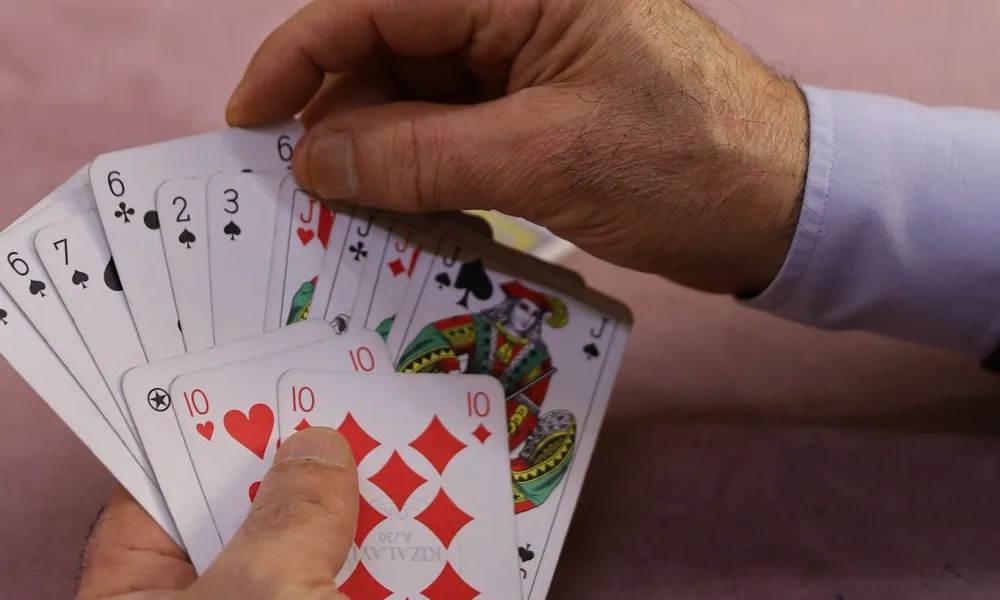
Pishti is a capturing game from Turkey, played with a plain deck. A central pile grows as players place cards on it, and a player who places a card of the same number as the card beneath takes the pile. The sweetest take is the pishti itself: taking a lone card with a matching number, which earns a bonus on the tally. Rounds take about twenty minutes, and it rewards a cool head and attention to what has already been played. For 536 players, Pishti gives the night a different flavor, because it asks players to watch the pile rather than their own hands, and that change of focus keeps the night fresh.
7. Brag
Brag is an old British game of three cards and a bold bluff. Each player is dealt three cards, looks at them once, and then names a hand: three of the same number, three of one tint, or three numbers in a row. The other players must decide whether to believe the named hand or to doubt it, and a wrong doubt costs points. It is quick, loud, and full of laughter, and a round takes about fifteen minutes. For 536 players, Brag is the title to play when the night needs energy, because every hand is a small drama and every table can hear the next one laughing.
8. Lansquenet
Lansquenet is a historic banking game that has been played in Europe for centuries. One player turns cards from the deck while the others choose a number, and the turn of a matching card decides who takes the points. The rules are simple, the rounds are short, and it needs nothing more than a deck and a tally card. Played here for points and not for money, it gives a 536-player night a historic touch without slowing the pace. Put Lansquenet on tables near the front of the venue, where new arrivals can sit in on a round without a long wait.
9. 3 Chapters
3 Chapters is a trick-taking game played in three short chapters, and each chapter changes the tint in play and the tally. Players follow the tint of the opening card when they can, take tricks with the highest card of the opening tint, and watch the tally shift as each chapter closes. The changing rules keep every chapter fresh, and a full game takes about half an hour. For 536 players, 3 Chapters is the title for tables that want a little more thinking, because it rewards planning without asking anyone to learn a long rulebook. Place it on tables with experienced players, and let the simpler titles carry the tables where most players are new to cards.
At a glance: the 9 games
For a slightly smaller group, the best card games for 530 players explain how the same rotation works with fewer tables. The table below gives the same facts for the nine titles in this guide, so you can plan the night at a glance.
| Game | Players per table | Round length | Why it works at scale |
|---|---|---|---|
| Dodelido | 3 to 6 | About 10 minutes | Shouted matching wakes every table at once. |
| Biberbande | 2 to 6 | About 15 minutes | Quiet remembering gives loud tables a breather. |
| Stop the Bus | 3 to 8 | About 10 minutes | One clear aim teaches in one sentence. |
| Abilene | 2 to 8 | About 10 minutes | Matching play keeps every hand busy. |
| Go Boom | 2 to 7 | About 10 minutes | Simple shedding works for mixed-age tables. |
| Pishti | 2 to 4 | About 20 minutes | Capturing the pile rewards watching it closely. |
| Brag | 3 to 9 | About 15 minutes | Bluffing and laughter add energy. |
| Lansquenet | 3 to 8 | About 10 minutes | A historic banking game played here for points. |
| 3 Chapters | 3 to 6 | About 30 minutes | Three changing chapters reward planning. |
Checklist for a 536-player card night
- Tally the players before the night and arrange one table for every six.
- Prepare one deck, one tally card, and one scorer for every table.
- Write the rules on a card for every table and tape the same rules near the front of the venue.
- Play a practice round at every table before the tallies begin.
- Move players to a new table after every round and change the tables often.
- Add up the tallies from every table at the same time and announce the champions together.
FAQ
How many tables do 536 players need?
About 90 tables at six players per table. A few tables can seat seven or eight, which brings the tally of tables down a little, but plan for 90 and you will have seats for late arrivals.
How long does a 536-player card night take?
About three hours: a short greeting, a practice round, and six timed rounds of fifteen minutes, with time for tallies between rounds.
What if a table has fewer than three players?
Merge two short tables into one, or deal players in from the extra tables. Never leave a table with only two players for a title that needs three or more.
Can children play at a 536-player night?
Yes. Go Boom and Abilene are kind to younger players, and Dodelido is loved by every age. Put younger players at tables with an adult scorer, and keep the rounds short.
Do we need special decks for these nine titles?
No. Every title in this guide plays with a plain deck of cards, except Dodelido and 3 Chapters, which use their own small boxes. Bring extra plain decks, because a deck with a missing card slows a whole table.
How do we keep the tallies honest across 90 tables?
One scorer per table, one tally card per table, and one tally keeper who adds up the cards at the same time. The scorer reads the tally aloud before handing the card over, and any mistake is put right at once.
The Bottom Line
Card games for 536 players work when the night is planned like a venue full of small tables, not like one large table. Pick titles that teach fast, keep the rounds short, move players often, and add up the tallies together at the close of the night. The nine titles in this guide do all of that, and they do it with nothing more than plain decks, tally cards, and a venue full of players who want to play.
Start with Dodelido, let the tables find their pace, and let the night grow from there. By the time the tallies are added up, 536 players will have played the same nine titles, shared the same rounds, and left with the same story: a card night that worked at a size most people think is impossible.