Friday is the most exciting day of the week for every kid. After five days of homework, classes, and early wake-ups, it’s finally time to relax and have fun! What better way to start the weekend than by sharing some Friday jokes for kids that make everyone burst into laughter?
Jokes are more than just funny words; they’re small bridges that connect hearts. Whether you’re a parent, teacher, or older sibling, sharing clean, easy-to-understand jokes helps children build confidence, develop creativity, and create lasting memories.
In this article, we’ll explore how you can use Friday jokes for kids to make every weekend brighter and more joyful.
1. Why Friday Jokes for Kids Matter So Much
When Friday rolls around, kids are ready to leave their school stress behind. Laughter is one of the healthiest emotional resets, and that’s where Friday jokes come in. Joking with children allows them to relax, improves their mood, and builds stronger family or classroom bonds.
Humour is actually a form of learning. Kids who enjoy clean jokes develop language skills, timing, and creativity without even realizing it. A simple joke about animals, school, or food becomes a mini-lesson in wordplay and confidence. Every giggle is a positive memory they’ll carry forward.
Children also associate Friday with freedom, no homework, no tests, and extra playtime. So, by introducing a “Friday joke ritual,” you help them close the week on a cheerful note. They’ll start to look forward not just to the weekend, but to your special joke moments too.
2. How to Choose the Right Friday Jokes for Kids

Selecting the perfect jokes for children isn’t just about being funny; it’s about being thoughtful. Kids understand humour differently based on age, so you want to make sure every joke lands in a way that’s both safe and silly.
When you pick jokes, think about simplicity and relatability. Kids connect best with jokes about animals, food, or school life, things they encounter daily. Avoid sarcasm or complex puns that younger kids won’t understand. Also, ensure jokes don’t tease or embarrass anyone.
Here are some quick guidelines to follow:
- Choose jokes that are short and easy to remember.
- Stick to everyday themes: animals, food, or school life.
- Avoid inside jokes or ones that require too much explanation.
- Let kids take turns telling jokes; it builds confidence.
- Always keep the humor positive and inclusive.
These small details keep humor joyful and stress-free while developing your child’s communication skills.
3. The Hidden Benefits of Sharing Friday Jokes for Kids
It may seem like just laughter, but the impact of jokes on kids goes much deeper. Studies show that humour boosts cognitive flexibility and creativity. When kids hear or tell jokes, they learn to think differently, solve problems creatively, and interpret language in fun ways.
At the emotional level, laughter releases endorphins, the body’s natural happiness chemicals. That’s why kids who laugh more are often calmer and more confident. Regularly sharing Friday jokes for kids also improves social bonds. It teaches empathy (understanding what makes others laugh), strengthens friendships, and encourages inclusivity.
So, whether it’s at the dinner table, during a car ride, or at school before dismissal, joke time becomes more than entertainment; it becomes a positive weekly tradition that encourages emotional intelligence and togetherness.
4. Top 10 Clean & Funny Friday Jokes for Kids
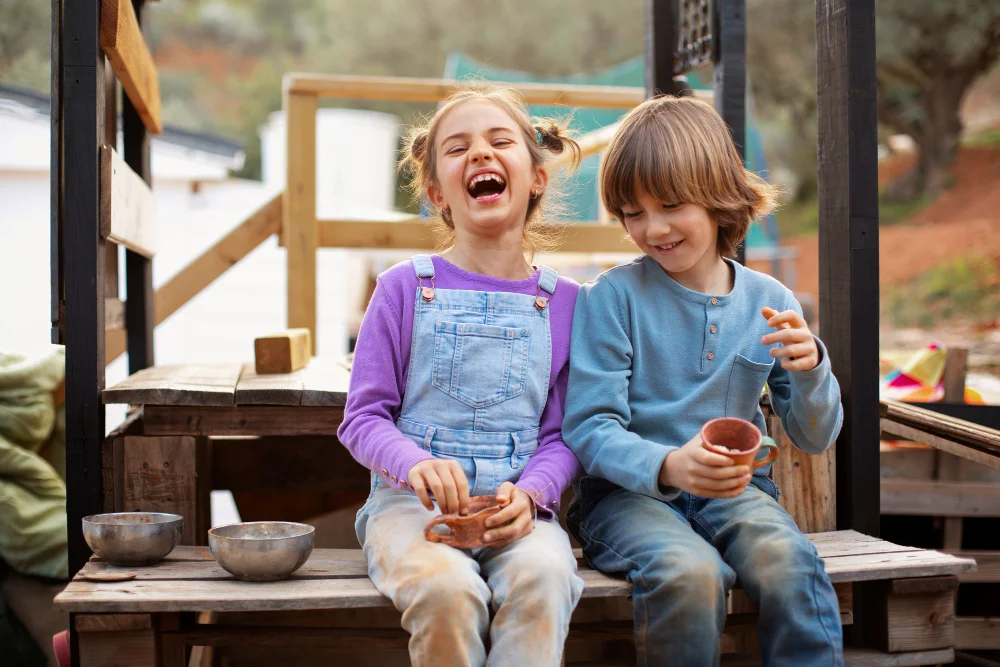
Nothing beats hearing a burst of laughter after a perfectly timed punchline! Here’s a list of easy, clean, and creative jokes you can tell at home, in class, or even during family movie night.
These jokes are ideal for ages 5-12, simple, innocent, and packed with laughter. Read them aloud or write them on small cards for your “Friday Fun Jar.”
Funny Friday Jokes for Kids:
- Why did the student eat his homework on Friday? Because the teacher said it was a piece of cake!
- What’s a cat’s favourite day of the week? Fri-Yay!
- Why did the banana go to the party? Because it was peeling good!
- What do you call a sleeping dinosaur on a Friday night? Dino-snore!
- Why was the computer so happy on Friday? It finally got to log off!
- Why did the math book smile? Because it had no problems left!
- What do you call a Friday fish? A fin-tastic swimmer!
- Why did the pencil get in trouble on Friday? It couldn’t draw the line!
- What’s a skeleton’s least favorite day? Fright-day!
- Why did the dog dance on Friday? It was fur-iday fun!
5. Creative Ways to Use Friday Jokes for Kids at Home and School
Humor can be a powerful teaching tool, a bonding habit, and even an emotional reset for children. When jokes become part of your Friday routine, they turn into a learning experience that blends joy with growth. Laughter encourages kids to open up, feel safe, and express themselves freely.
It helps release the stress of the week and sets a cheerful tone for the weekend ahead. Whether you’re a parent or a teacher, these creative ways to use Friday jokes for kids can transform your home or classroom atmosphere into one filled with smiles, confidence, and togetherness.
Start Every Friday Breakfast with a “Joke of the Day”
Morning laughter can set the right mood for the entire day. By introducing a “Joke of the Day” at breakfast, you’re helping children start their Friday with a positive mindset. This simple routine not only boosts their mood but also improves family interaction.
Create a Family Rule: Everyone Must Share One Funny Thing Before Bedtime
Turning bedtime into a moment of laughter is a wonderful way to close the day. By asking every family member to share one funny thing, whether a joke, a silly moment, or a funny thought, you encourage positivity before sleep. It helps children process their emotions, reduces anxiety, and promotes a sense of comfort and connection.
In Class, Let Each Student Submit One Joke. Compile Them into a “Friday Fun Book”
Teachers can use humour to build classroom unity and creativity. By allowing each student to submit one joke, you give them a voice and a chance to express individuality. Once collected, compile these jokes into a “Friday Fun Book” that grows each week.
Use Jokes to Encourage Reading. Kids Can Practice Reading Them Aloud Confidently
Jokes are an excellent literacy tool because they’re short, engaging, and easy to read aloud. When children read jokes, they naturally practice tone, timing, and pronunciation without realizing they’re learning.
Let Children Invent Their Own Jokes and Vote for the Funniest One!
Encouraging kids to create their own jokes sparks imagination and creativity. When they come up with original punchlines, they learn how words and meanings interact, boosting linguistic intelligence. Make it more fun by allowing everyone to vote for the funniest joke; it turns learning into a friendly competition.
6. The Science Behind Why Kids Love Friday Jokes
Children’s brains naturally respond to laughter. When they hear or tell jokes, their brains release dopamine, a neurotransmitter linked to motivation and happiness. That’s why laughter feels so rewarding.
Additionally, jokes teach timing, structure, and cause-and-effect logic. When a child delivers a punchline and hears laughter, it reinforces positive communication patterns. It helps them learn when to speak, how to engage others, and how to handle attention responsibly.
And remember: humour develops emotional resilience. A child who learns to laugh about little things often grows up with a balanced, optimistic mindset.
7. Creating a Friday Fun Routine for Families
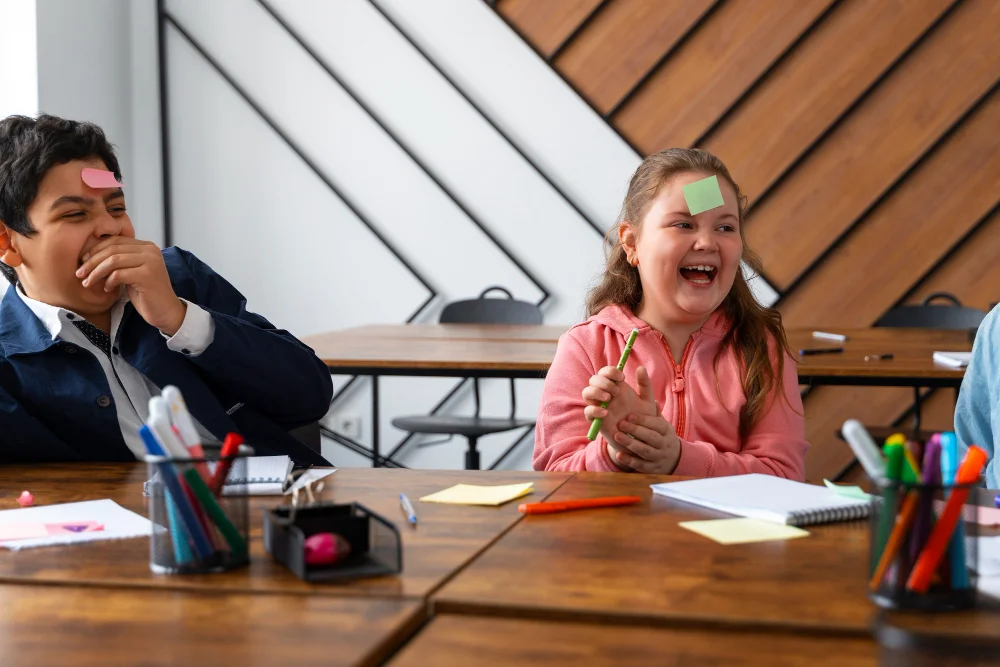
Building a family routine around humor strengthens emotional bonds. A weekly “Friday Fun Night” with food, music, and jokes can become the highlight of your family’s week.
Parents can rotate the role of “Joke Master,” allowing each child to take turns hosting. This not only keeps kids involved but also builds leadership and communication skills. Add snacks or a small treat to make it feel like an event worth waiting for!
Consistency makes the difference when humour becomes habit; it turns into a tradition your children will cherish even as they grow older.
8. Jokes that Help Kids Build Confidence
Telling jokes helps children find their voice. Every giggle they get boosts their confidence and public speaking ability. It’s especially valuable for shy or quiet kids.
When a child stands in front of the family and tells a funny story, they’re learning courage, timing, and expression. Plus, hearing others laugh because of their words gives them an instant confidence boost.
Here are a few tips for parents:
- Applaud effort, not just laughter.
- Avoid correcting the joke, let kids own their version.
- Encourage them to use facial expressions and hand gestures.
- Let siblings cheer for each other.
- Record a short “Friday Joke Show” to watch later, it motivates participation!
9. Friday Jokes for Different Ages
Not all kids enjoy the same humour. A five-year-old might love simple knock-knock jokes, while a ten-year-old might prefer puns. Understanding this helps you choose jokes that truly entertain.
Jokes for Different Ages:
Preschoolers (3-5 years): Choose short, easy jokes with animals or objects. Example: “Why did the cow go to space? To see the moooon!”
Elementary (6-9 years): Try school or food-based jokes with playful punchlines. Example: “Why did the cookie cry? Because his mom was a wafer too long!”
Tweens (10-12 years): Go for puns or clever twists. Example: “What did the ocean say to the beach? Nothing, it just waved!”
Adjusting your humour to their level keeps joke time engaging and age-appropriate.
Conclusion
Laughter truly is the best way to welcome the weekend. By introducing Friday jokes for kids, you’re not just telling silly stories; you’re building confidence, bonding with family, and nurturing creativity. Humour teaches life lessons wrapped in joy.
So, this Friday, gather your little ones, grab a few jokes, and start a new family or classroom tradition. Let laughter echo through your evenings, making every weekend a celebration of smiles and togetherness.