Viral riddles have become a major trend on TikTok in 2026, turning simple brain teasers into highly engaging digital experiences that capture millions of viewers. Their short, intriguing format encourages replaying, discussion, and debate, while triggering the brain’s reward system through the satisfying “aha” moment. Beyond entertainment, these puzzles sharpen critical thinking, boost creativity, and provide a refreshing mental break, showing how modern social media taps into our natural desire to solve problems and stay mentally engaged.
It starts with a simple image or a person staring intensely at the camera, posing a question that sounds like it should be easy. “I have cities, but no houses. I have mountains, but no trees. I have water, but no fish. What am I?” Within hours, that single video has three million views, fifty thousand comments arguing over the answer, and a thousand “duets” from people hitting their foreheads in frustration.
Welcome to the era of the digital brain teaser. While riddles have existed since the time of the Sphinx, viral riddles have found a second life on TikTok. In 2026, these puzzles have moved beyond simple playground games to become a global obsession. Whether you are a casual scroller or a dedicated puzzle-solver, trending riddles 2026 and TikTok puzzles are doing more than just passing the time—they are revealing the fascinating way our brains crave a challenge and the “aha” moment that follows.
Why Riddles Are Going Viral on TikTok
TikTok is the perfect petri dish for popular brain teasers. The platform’s short-form video format allows a creator to deliver a punchy, high-stakes question in under fifteen seconds. But the real magic happens in the comment section.
TikTok’s algorithm rewards “watch time” and “engagement.” When a riddle is difficult, users replay the video multiple times to catch hidden clues, which signals to the app that the content is high-quality. Then, the debate begins. Because riddles often rely on lateral thinking, three different people might have three different “logical” answers. This back-and-forth drives massive engagement, pushing viral riddles onto millions of “For You” pages (FYP) overnight.
The Psychology Behind Why We Love Solving Riddles
Why can’t we just scroll past a riddle? It’s wired into our biology. When you encounter a puzzle, your brain enters a state of focused curiosity. Solving it triggers a “dopamine squirt”—that rush of satisfaction known as the “aha” moment.
Even when we get popular brain teasershttps://riddlespuzzle.com/pickleball-puns/ wrong, there is a psychological benefit. Learning the answer after being stumped provides a sense of cognitive resolution. Furthermore, our competitive nature plays a role; we want to prove we are part of the “1%” who can solve the “hardest riddle ever” before checking the comments for the spoiler.
Types of Viral Riddles Trending on TikTok in 2026
The variety of trending riddles 2026 is broader than ever. Here are the categories currently dominating the feed:
-
Classic Wordplay with a Twist: Traditional riddles updated for a modern audience (e.g., riddles involving smartphones or social media apps).
-
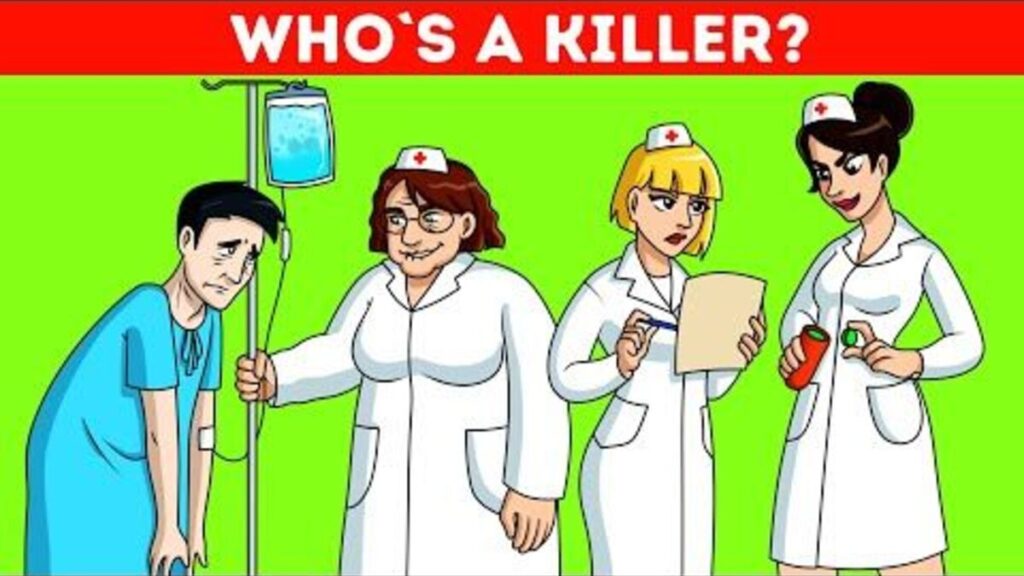
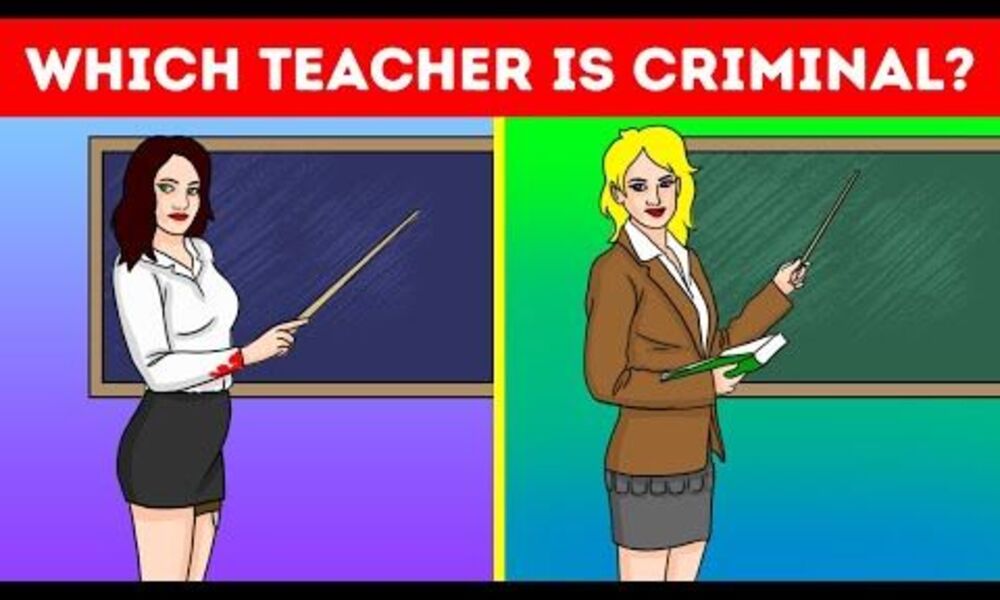
Visual TikTok Puzzles: “Find the hidden object” or “What’s wrong with this picture?” videos that require intense focus.
-
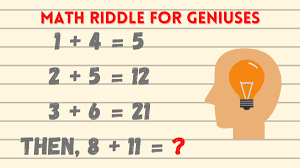
Math and Logic Challenges: Deceptively simple PEMDAS problems or “How many triangles do you see?“
-
“What Am I?” Mysteries: Personified objects describing their existence in cryptic ways.
-
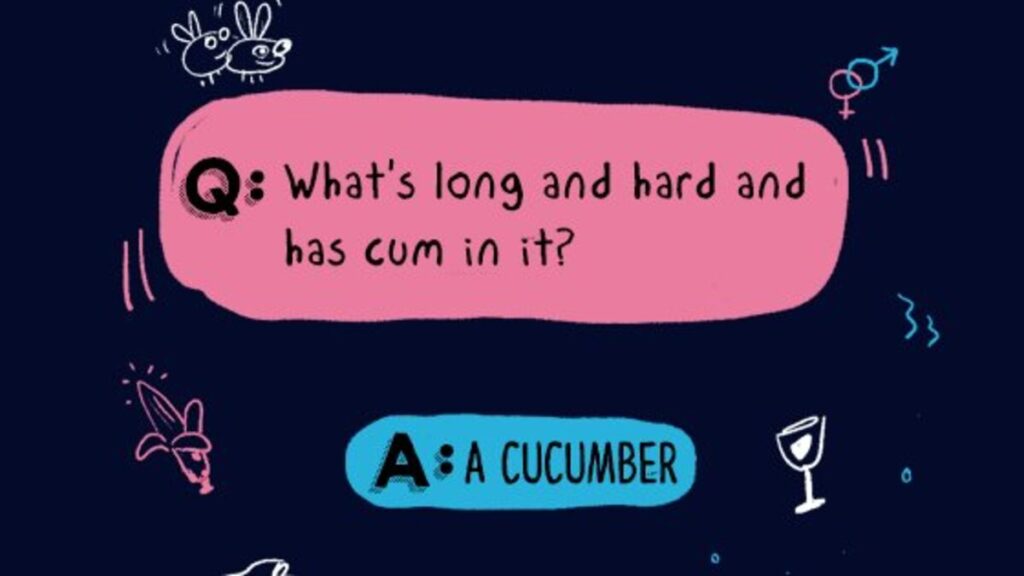
Dark Humor & Trick Questions: Riddles that lead you toward an “obvious” (often slightly dark) answer, only to flip the script with a perfectly innocent one.
What Makes a Riddle Go Viral?
Not every puzzle makes the cut. The most successful viral riddles share four key ingredients:
-
Misdirection: The riddle must lead the brain down one path before revealing the answer is actually on another.
-
Accessibility: It should use everyday language. If it feels too academic, people scroll past.
-
Replayability: It needs to be short enough that a user doesn’t mind watching it three times to find the “trick.“
-
The “Two-Part” Strategy: Top creators often post the riddle in one video and promise the answer in a “Part 2” or in the comments after 24 hours. This forced anticipation is a powerful growth hack.
Benefits of Solving Popular Brain Teasers Regularly
Engaging with TikTok puzzles isn’t just “rotting your brain”—it’s actually a mental workout.
-
Critical Thinking: Riddles force you to think “outside the box” (lateral thinking).
-
Cognitive Flexibility: Training your brain to abandon its first instinct and look for alternative patterns.
-
Stress Relief: Playful thinking is a great way to disconnect from daily stressors.
-
Educational Tool: Many teachers in 2026 are using trending riddles as “bell-ringers” to wake up students’ brains at the start of class.
How to Create Your Own Viral Riddle for TikTok
Want to be the next big puzzle creator? Follow these steps:
-
Hook Them Early: Use a text overlay like “Only 1% can solve this” or “This took me 3 days to figure out.“
-
Visual Cues: Don’t just speak the riddle; put the text on the screen so people can read along.
-
Engagement Bait: Ask viewers to “Pause and comment your guess before the reveal.“
-
Hashtag Power: Use specific tags like #ViralRiddles, #BrainTeasers, and #TrendingRiddles2026 to help the algorithm categorize your content.
Conclusion
Viral riddles have taken over our feeds because they satisfy a fundamental human need: the desire to solve a mystery. They turn the passive act of scrolling into an active, cognitive event that connects us with millions of other stumped users. Whether it’s a math problem that breaks the internet or a wordplay trick that makes you laugh at your own “dirty mind,” these puzzles remind us that the best entertainment makes us think a little differently.
Think you’re a pro at solving these? Head over to riddlespuzzle.com to test your skills against our latest collection of head-scratchers. Don’t forget to share your favorite riddle with a friend—and see if they’re as smart as they think they are!
FAQs
Q1. Why do riddles spread so fast on TikTok compared to other platforms? TikTok’s format is built for engagement. A viral riddle can be consumed in seconds, but the debate it sparks in the comments keeps the video circulating in the algorithm far longer than a standard dance or comedy clip.
Q2. What are the most popular types of TikTok puzzles in 2026? The trending riddles 2026 focuses heavily on visual logic puzzles, “What Am I?” mystery riddles, and lateral thinking challenges that use “trick” wording to mislead the listener.
Q3. Are popular brain teasers actually good for your mental health? Yes. They stimulate the brain’s reward system, improve focus, and can even help reduce stress by providing a “playful” mental distraction from daily life.
Q4. Can kids participate in trending TikTok riddle challenges? Absolutely. Most popular brain teasers are family-friendly and are excellent for helping children develop early logic and vocabulary skills.
Q5. How do I make my own riddle go viral on TikTok? Use a strong hook, keep the riddle under 20 seconds, and use the “Two-Part” strategy where you post the answer in a separate video to maximize your profile visits and followers.