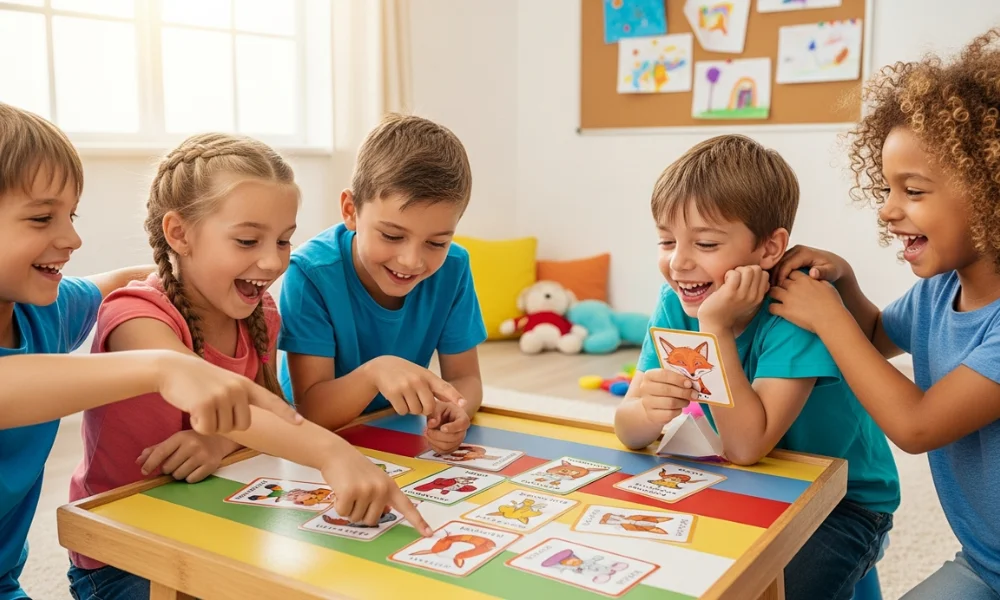
The green glass door riddle is one of the most popular and mind-bending word puzzles people use at parties, classrooms, and logic-challenge games. Although it appears simple, it tests your observation skills, pattern recognition, and ability to think beyond the obvious.
Many people struggle with this riddle because the trick hides in plain sight. This guide explains everything clearly so you can understand the logic, enjoy the puzzle, and confidently teach it to others.
When people first hear the green glass door riddle, they usually become confused because the rules feel mysterious. However, once the secret becomes clear, the entire game transforms into something incredibly fun and surprisingly clever. Therefore, in this article, you will explore its meaning, its pattern, how to solve it, and how to identify the hidden rule that makes the riddle work.
Understanding the Green Glass Door Riddle
To understand the riddle, you must first know the type of puzzle it belongs to. This challenge is a word-pattern logic puzzle, meaning the answer lies in the structure of words, not in storytelling clues. Interestingly, this riddle doesn’t require mathematics, history, or general knowledge.
Instead, it requires you to look closely at how words are spelt. Because of this, beginners often overthink, while experienced players immediately start searching for patterns.
In most versions of the puzzle, the host gives examples like:
“There are trees behind the green glass door, but no leaves.”
“There are rabbits behind the green glass door, but no bunnies.”
“There is coffee behind the green glass door, but no tea.”
These hints seem random at first. Yet eventually, the pattern becomes clearer when you compare the allowed and not-allowed words.
How the Hidden Pattern Works in This Riddle

When you begin analyzing this puzzle, the entire trick becomes easier to understand because the solution depends on a very simple spelling pattern rather than complex logic. As players listen to examples, they slowly realize that allowed items share one common feature: they contain double letters.
This is the moment everything clicks, and suddenly the green glass door riddle feels much clearer. Once the rule is discovered, players enjoy creating new examples, and the game becomes even more entertaining in classrooms, gatherings, and team activities.
It Is a Word-Logic Puzzle
This riddle belongs to the category of word-logic puzzles, meaning the answer is hidden in the structure of the words themselves. Players must pay close attention to spelling instead of focusing on meaning or context because the rule is entirely pattern-based.
Allowed Words Contain Double Letters
Every word that can go “behind the green glass door” includes at least one pair of repeating letters such as “trees,” “coffee,” or “rabbits.” The moment players notice this double-letter pattern, the mystery begins to make sense, and the guessing process becomes much easier.
Not-Allowed Words Lack Side-by-Side Letters
Any word without repeated letters cannot pass through the door, which is why words like “tea,” “leaves,” or “bunny” are rejected. This simple rule eliminates meaning-based confusion and encourages players to think visually rather than logically.
The Trick Is Based Entirely on Spelling
The real charm of the game is that the trick does not rely on story details or hidden metaphors. Instead, it depends purely on how the word is spelt, which is why beginners often overthink the clue and struggle to notice what is right in front of them.
Why People Love the Green Glass Door Riddle
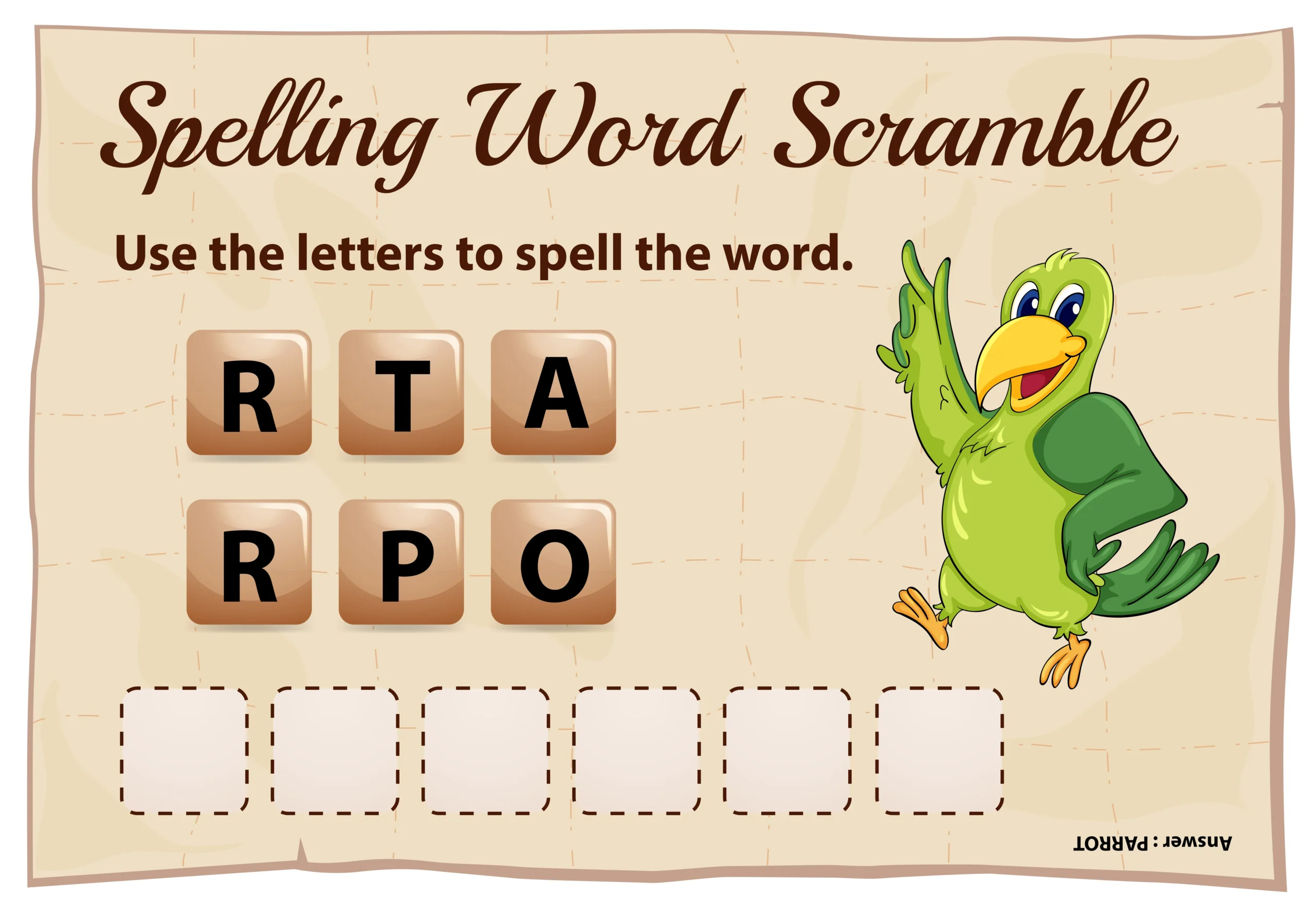
People love this puzzle because it naturally triggers curiosity, promotes deeper thinking, and encourages friendly interaction among players. It works for all age groups and creates an enjoyable challenge that pushes individuals to examine each example carefully.
Although the rule is incredibly simple, it still forces players to think creatively, which is why teachers often use it in classrooms to teach pattern recognition.
Moreover, the guided style of the game keeps everyone involved, and as players guess words, the host’s responses build excitement until someone finally discovers the clue. At that moment, everyone realizes how simple the rule was, and the shared laughter becomes part of the fun.
How to Solve the Green Glass Door Riddle Effectively
To solve the puzzle more quickly, it helps to compare allowed and not-allowed words closely and pay attention to repeating letters. You should ignore the meaning of the words and instead study their spelling because that is where the entire trick is hidden.
Once your mind recognizes the double-letter pattern, the solution becomes obvious. Even then, the enjoyment increases when you watch others try to figure it out, which is why revealing the answer too soon removes the thrill of the game.
Tips for Solving the Riddle
• Compare allowed vs. rejected examples carefully.
• Ignore meaning; focus on spelling patterns.
• Pay attention to repeated letters in every allowed word.
• Don’t overthink. The key is simple pattern recognition.
• Practice with new examples to strengthen your observation.
Advanced Variations of the Green Glass Door Riddle
Some hosts make the puzzle more challenging by offering misleading examples or using rare words with double letters. They might include objects like “balloon,” “bookkeeper,” “coffee,” or “butter.” Additionally, certain players use creative storytelling to hide the rule inside longer sentences, which increases the difficulty level.
Although the double-letter rule remains the same, variations can confuse beginners because the examples appear inconsistent or too specific. Therefore, players should focus on spelling patterns instead of narrative details.
Creating Your Own Green Glass Door Game

After understanding the logic, you can easily create your own version of this puzzle. Start by choosing specific categories such as animals, foods, cities, or household items. Then include a mix of double-letter and non-double-letter words. This approach helps you design a fun and engaging session where others try to decode your clues.
Because the game is flexible, you can adapt it for classrooms, parties, or online communities. Moreover, you can adjust the difficulty by using simple or complex words. As a result, you create an interactive challenge that keeps everyone entertained.
Useful Word Ideas for Your Own Game
• balloon
• coffee
• squirrel
• butter
• bookkeeper
• kitten
• glass
• pepper
Why This Riddle Is Great for Learning and Entertainment
The green glass door riddle is not only fun but also educational. It helps players develop sharper observation skills and enhances their ability to spot linguistic patterns. Additionally, it encourages teamwork and communication during group sessions, making it suitable for teachers and trainers.
On top of that, this puzzle stimulates logical reasoning, which is essential for problem-solving activities. Although many riddles rely on clever tricks or hidden messages, this one relies purely on letter repetition, which makes it perfect for language learning.
Moreover, because it is flexible, you can easily modify it for different age groups. For example, younger players can practice vocabulary, while older players can practice advanced word recognition skills. Consequently, it becomes a versatile tool for both education and entertainment.
Key Benefits of This Riddle
• Builds pattern-recognition skills
• Strengthens vocabulary awareness
• Encourages teamwork and communication
• Works for all age groups
• Simple enough for beginners, fun enough for adults