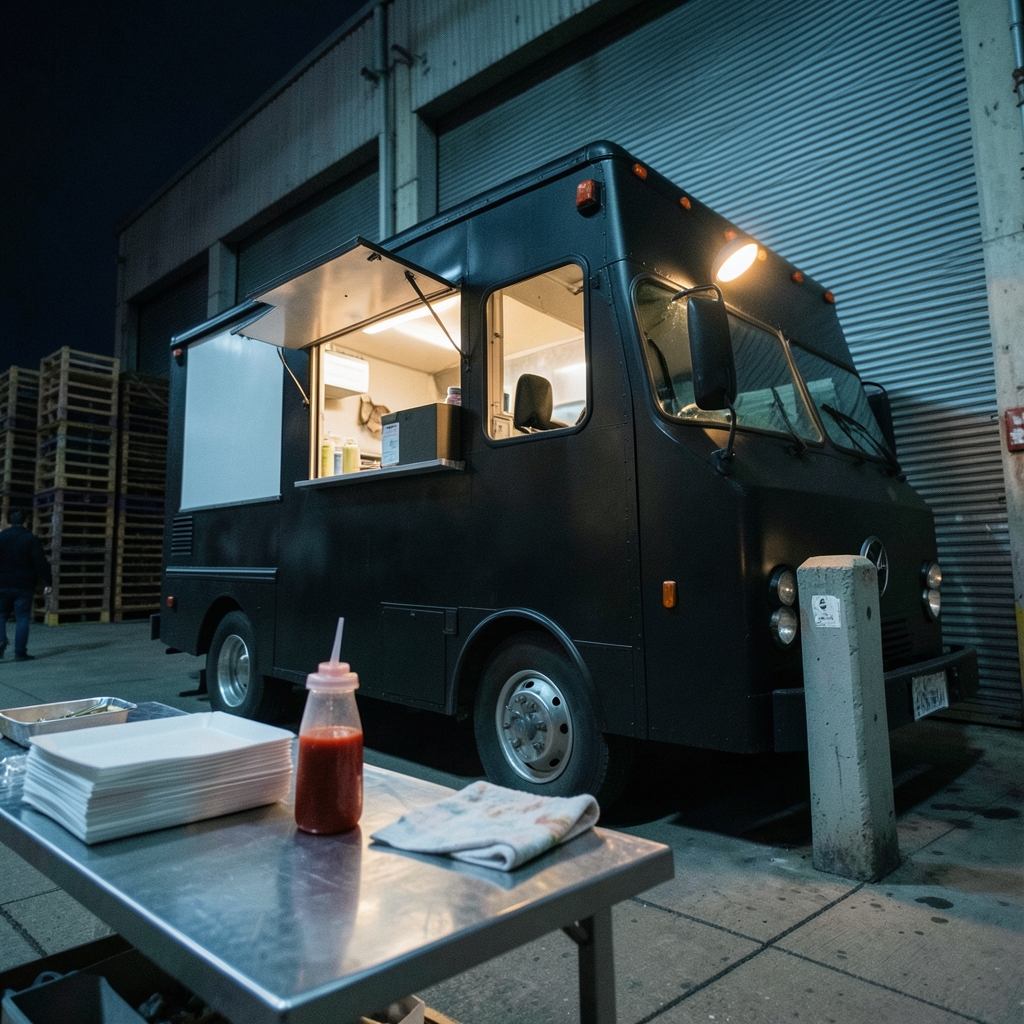
What makes someone stop dead on the sidewalk, pull out a phone, and photograph a storefront before they even order a drink? More often than not, it’s a sign with a ridiculous name on it. Funny coffee shop names have become a genuine marketing tool rather than a private joke between owners. A clever pun on a chalkboard can do more for foot traffic than a thousand flyers, because people share what makes them smile. This article explains why these names work, how owners choose them, where legal risks arise, and which kinds of wordplay tend to succeed. Whether someone is naming a first café or collecting material for a later punchline, there are ideas here worth borrowing.
Why a Silly Name Is Serious Business
A coffee shop name has roughly three seconds to do a job: get noticed, get remembered, and get repeated. A funny name does all three at once. It lowers the barrier between stranger and business. Nobody texts a friend about “Main Street Coffee Co.” But “Brewed Awakening”? That gets screenshotted.
The mechanics are simple. Wordplay creates a small, pleasant surprise in the brain. That surprise is what makes a name stick. A pun forces the reader to complete a mental puzzle, and once solved, the name lodges itself in memory. It also signals personality before a customer walks in. A shop called “Espresso Yourself” is telling you it doesn’t take itself too seriously. That promise of a relaxed vibe is often exactly what a neighborhood café is selling.
There’s a practical angle too. Funny names are shareable by design, which matters in a social media era where a single viral photo can outperform a paid ad campaign. Owners who lean into the humor in their signage, cups, and merch turn a name into a running brand asset rather than a one-time gag.
The Main Categories of Coffee Shop Wordplay

Most funny café names fall into a handful of recognizable patterns. Recognizing them makes brainstorming far easier, because instead of staring at a blank page, an owner can work through each category in turn.
| Category | How It Works | Examples |
|---|---|---|
| Coffee puns | Swap a word in a common phrase for a coffee term | Brewed Awakening, The Daily Grind, A Latte Fun |
| Absurdist names | Deliberately odd or deadpan, funny through surprise | Dumb Starbucks, The Coffee Shop |
| Double meanings | A phrase that reads two ways | Bean There, Done That |
| Self-aware names | The name jokes about coffee culture itself | Overpriced Bean Water, Third Cup Today |
| Character names | A fictional persona attached to the shop | Java the Hut, Mochalatte Jones |
The pun category is the most crowded and the easiest to get wrong, because thousands of shops have already reached for the same low-hanging fruit. Absurdist and self-aware names are harder to pull off but far more distinctive. A name that gently mocks the very thing it sells, like a shop that openly calls its product “overpriced bean water,” can build fierce loyalty among customers who share that sense of humor.
What Actually Works in Practice
Experience from the counter side of the business suggests a few patterns that separate names that last from names that get old fast. The biggest trap is choosing a pun that’s funny for a week and grating by month three. Owners who live with a name every day report that the novelty of a joke fades for them long before it fades for customers, so the humor needs to be one they can still smile at on a slow Tuesday.
A second common mistake is choosing a name that’s hard to say or spell. If a customer can’t text the name to a friend without autocorrect fighting them, the word-of-mouth engine stalls. The best funny names are easy to pronounce out loud and easy to type. Test this by saying the name into a phone and seeing what speech-to-text produces.
A third issue is the name-to-experience gap. A hilarious name sets an expectation of a fun, warm, human place. If the shop behind the sign is cold and impersonal, the joke turns against the owner. The humor has to be backed up by the room, the staff, and the service. A funny name is a promise, not a free pass.
Finally, practical owners test names on real people before committing. They say the name to a dozen strangers and watch whether they smile, frown in confusion, or ask what it means. Confusion is a warning sign. A name that needs explaining every single time becomes a daily tax on the staff.
The Legal Side Nobody Warns You About
Here’s where the fun meets paperwork. In the United States, a business name can be refused trademark registration if it’s merely descriptive of what the business sells. That means a name like “Coffee Shop” is legally weak, while a suggestive pun like “Bean There” is stronger, because it hints at the product without directly describing it. The strength spectrum runs from generic through descriptive, suggestive, and finally arbitrary or fanciful, and puns tend to land in the stronger middle territory. Anyone serious about protecting a name should look at the official trademark basics guidance before filing.
The United Kingdom works differently. A sole trader there can operate under almost any trading name, but can’t imply they’re a limited company or pick something too close to an existing registered name. Checking the rules for setting up a business and the official company naming guidance is essential before printing signage.
Two lessons cut across both systems. First, pun names are suggestive but not bulletproof, and disputes over names too close to established chains do happen. Second, trademark rules are jurisdiction-specific, so a name that’s safe in one country may be blocked in another. Owners should search existing trademarks and business registries before falling in love with a name, not after.
Borrowing Humor From Other Naming Worlds
Sometimes the fastest route to a great café name is to look at how other categories handle humor. Pet owners agonize over funny pet names for dogs and cats, and the same instincts apply: the best ones are short, punchy, and a little bit absurd. Sports fans do the same thing with funny team names, where a good pun can carry a whole season of inside jokes.
Place names offer another goldmine. Browsing funny city names that make people do a double take can spark ideas for a shop with a mock-geographic identity, like a café that pretends to be located somewhere ridiculous. Even niche hobbies help. Aquarium keepers collect funny fish names that are absolutely fintastic, and fantasy football leagues live on funny fantasy football names built from the same wordplay muscle.
The takeaway is that humor is transferable. The structure of a great pun doesn’t change much whether it’s naming a goldfish or a latte. What changes is the audience and the setting. A coffee shop can borrow the rhythm of a great pet name or team name and simply swap in coffee vocabulary.
Building a Name That Fits the Room
A funny name only works if it matches the physical space. A tiny, quirky corner café with mismatched chairs can carry a name like “The Daily Grind” with a wink. A sleek, minimalist espresso bar trying to project precision might find the same name feels off. The name and the room have to tell the same story.
Owners should think about what the shop actually is before naming it. Is it a grab-and-go spot for commuters, a laptop-friendly hangout, or a weekend brunch destination? Each has a different sense of humor. Commuter shops can get away with fast, punchy names. Hangout spots can lean into cozy, self-deprecating humor. Brunch places can be more playful and absurd.
Merchandise is another consideration. A funny name that looks good on a tote bag or a sticker has a second revenue stream built in. Names that are short and visually punchy print well. Long, convoluted puns don’t. Owners who plan to sell branded cups or shirts should sketch the name on a mock product before committing.
Common Mistakes to Avoid
The most frequent misstep is chasing a pun that’s already everywhere. If a quick search turns up dozens of shops with the same joke, it’s time to move on. Originality matters more than cleverness.
Another mistake is ignoring how the name sounds in a crowded room. A name that’s hard to shout across a busy counter, or that gets misheard as something unfortunate, will create daily friction. Say it out loud, fast, the way a barista would call it out.
Owners also underestimate how quickly a topical joke dates. A name built on a meme or a passing trend may feel stale within a year. Names tied to coffee itself, or to universal human experiences, age far better.
Finally, some owners skip the trademark search entirely and discover a conflict only after investing in signage, packaging, and a website. That’s an expensive lesson. A few hours of research up front saves months of rebranding later.
Conclusion
Funny coffee shop names are more than a novelty. They’re a low-cost, high-impact branding decision that shapes how customers feel before they’ve taken a single sip. The names that endure tend to be short, easy to say, easy to spell, and backed by a shop that actually delivers on the promise of a good time. The names that fail are usually the ones that chase a crowded pun, ignore the legal landscape, or set an expectation the room can’t meet. For anyone naming a café, the formula is straightforward: pick a joke you can live with, test it on real people, check the trademark rules in the relevant jurisdiction, and make sure the sign and the space tell the same story. Do that, and the name stops being a joke and starts being an asset.
Frequently Asked Questions
What makes a coffee shop name funny?
Most funny café names rely on wordplay, especially puns that swap a word in a familiar phrase for a coffee term, like turning “rude awakening” into “brewed awakening.” Others use absurdity or self-aware humor, gently mocking coffee culture itself. The common thread is surprise: the name subverts what the reader expects, which is what makes it memorable and shareable.
Can I trademark a pun-based coffee shop name?
Often yes, but it depends on the name. In the United States, a purely descriptive name is legally weak, while a suggestive pun is stronger because it hints at the product without directly describing it. Trademark rules vary by country, so owners should search existing registrations and check the relevant national guidance before committing to signage and packaging.
Are funny coffee shop names bad for business?
Not inherently, but they carry risk. A funny name sets an expectation of a warm, playful experience, so the shop behind the sign has to deliver. Names that are hard to spell, hard to pronounce, or built on a passing trend can also create friction. When chosen carefully and backed by good service, humor tends to help rather than hurt.
How do I come up with a funny coffee shop name?
Work through categories rather than staring at a blank page. Brainstorm coffee puns, absurdist names, double meanings, and self-aware jokes. Then test each candidate by saying it out loud, typing it into a phone, and watching how strangers react. Names that need constant explanation usually aren’t worth the trouble.
Should a coffee shop name be short or long?
Shorter usually wins. Short names are easier to say across a busy counter, easier to spell in a text, and easier to print on cups, stickers, and tote bags. A long, convoluted pun may get a laugh once but becomes a burden in daily use. Aim for something punchy that still carries the joke.
Do funny coffee shop names work in other languages?
Rarely without adaptation. Puns depend heavily on the sounds and idioms of a specific language, so a name that’s hilarious in English may read as nonsensical or even offensive elsewhere. Owners targeting multilingual customers should test names with native speakers before printing anything, since wordplay rarely survives translation intact.