Planning a memorable party requires an activity that keeps guests engaged, excited, and moving around. While traditional parlor games are fun, organizing an interactive adventure brings a completely fresh level of energy to your event. Learning how to write your own treasure hunt clues allows you to customize the entire experience for any age group, location, or theme. As a result, your guests get to solve clever puzzles, decode hidden messages, and work together to find the ultimate prize.
Fortunately, building an exciting hunt at home does not require expensive materials or complicated props. With simple household items, everyday hiding spots, and a splash of creative thinking, you can design an unforgettable activity. This complete guide will take you step-by-step through designing, writing, and hosting a high-energy adventure for your next event.
The Secret to Writing Great Treasure Hunt Riddles
A successful hunt relies entirely on the balance of challenge and fun. If your puzzles are too easy, guests speed through the game in five minutes without feeling accomplished. Conversely, if the rhymes are overly complex, players lose momentum and become frustrated.
Therefore, tailoring your treasure hunt riddles to your players’ age and experience level is critical. For instance, young children respond best to direct rhyming couplets that name common household items. Meanwhile, teens and adults enjoy wordplay, cryptograms, and multi-step logic puzzles. Keeping the clues clear, concise, and focused on physical hiding spots ensures that the game flows smoothly from start to finish.
Brainstorming Themes and Hiding Locations
Before you start writing individual rhymes, you must establish the boundary lines and map out your route. Having a structural path prevents players from accidentally finding clues out of order.

Choosing the Ideal Party Theme
Selecting a strong visual theme sets the mood for the entire activity. You can adapt these diy treasure hunt ideas for virtually any celebration:
-
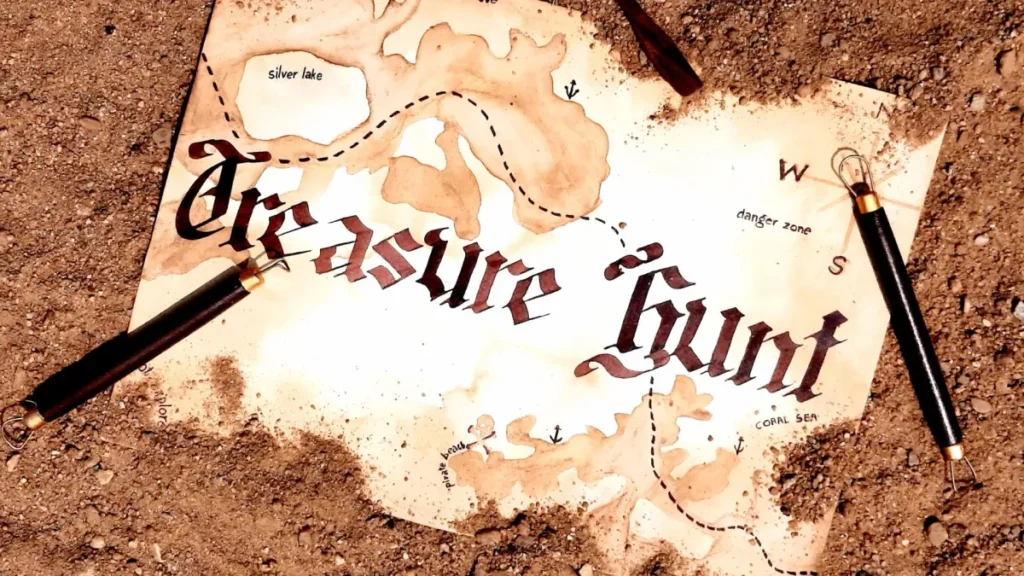
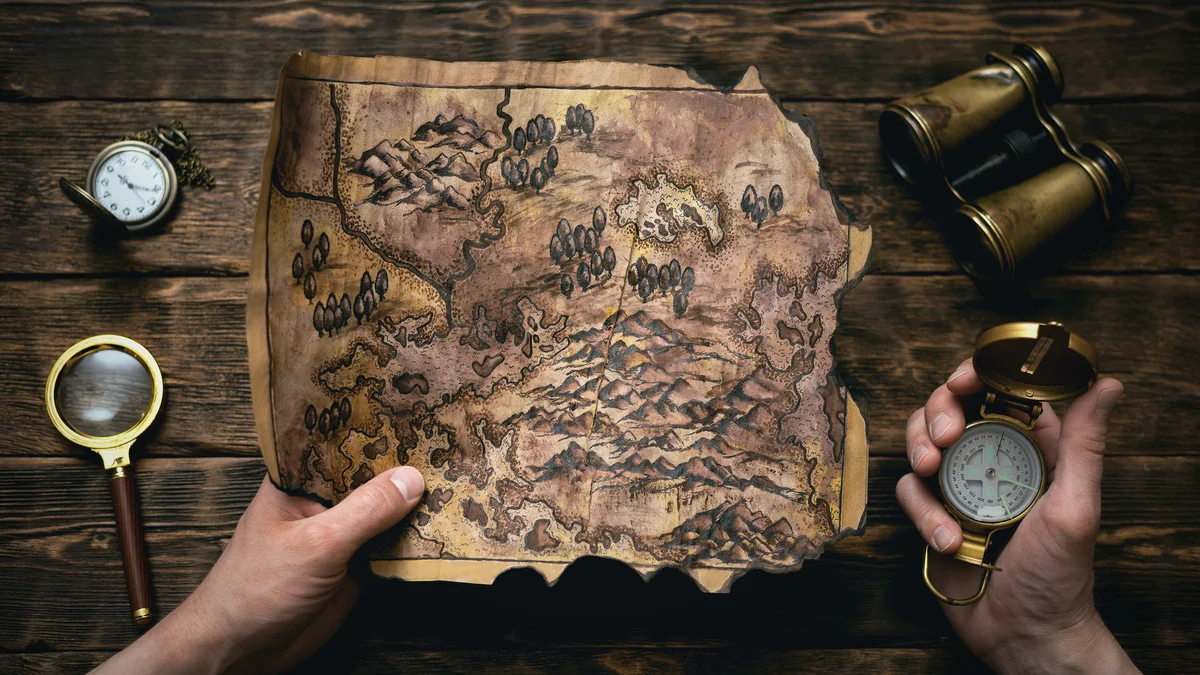
Pirate Adventure: Perfect for younger kids, featuring aged tea-stained paper, rolled maps, and gold chocolate coins in a wooden chest.
-
Detective Mystery: Great for pre-teens, incorporating secret codes, fingerprint dusting, and magnifying glasses to decode messages.
-
Escape Room at Home: Ideal for teens and adults, using locked boxes, directional cyphers, and hidden keys spread throughout the house.
-
Holiday and Seasonal: Theme your clues around birthday milestones, Halloween haunts, or festive summer backyard parties.
Mapping Out the Hiding Spots
First, make a complete inventory of accessible locations around your home and yard. Next, write down a sequential list that alternates between indoor and outdoor spots to keep the movement dynamic.
| Hiding Location | Common Object | Recommended Clue Style | Target Audience |
| Kitchen Appliance | Refrigerator | Simple rhyming riddle | Young Kids |
| Living Room | Sofa Cushion | Hidden word search or anagram | All Ages |
| Outdoor Area | Garden Hose / Shed | Physical map or compass direction | Pre-Teens & Teens |
| Entryway | Shoe Rack / Doormat | Mirror writing or UV marker ink | Teens & Adults |
Step-by-Step Guide: Crafting Your Clues and Riddles
Once your location map is ready, you can start writing your scavenger hunt clues. Follow these straightforward steps to keep your grid orderly and easy to manage on game day.
Step 1: Write Simple Household Rhymes
Start by picking everyday items from your location list. Rhyming couplets work exceptionally well because they are easy to read aloud and remember.
For example, if your destination is the mailbox, you can write: “I stand near the curb and hold paper tight, open my door to see what is in sight.” Similarly, if the next location is the washing machine, try: “I go round and round with water and soap, to leave your clothes clean is my only hope.”
Step 2: Incorporate Code-Based Puzzles
To add variety, mix in non-rhyming puzzle types. You can create a simple substitution code by assigning a number to each letter of the alphabet ($A=1, B=2, C=3$).
Additionally, write your treasure hunt clue ideas in reverse so players must hold the paper up to a mirror to read the text. These tactile decoding methods instantly heighten the sense of mystery for players of all skill levels.
Step 3: Print and Number Your Master List
Organisation is essential when hiding your physical cards. Number each card clearly on the outside envelope so you do not accidentally place a clue in the wrong spot.
Creating a printable treasure hunt clues template on your computer makes the final cards clean and legible. Always keep a master key sheet for yourself. This allows you to step in with a quick hint if players get stuck on a tricky step.
Creative Adaptations for Different Age Groups
Different parties require different levels of complexity. Adjusting the mechanics ensures that everyone involved stays engaged throughout the whole game.
Kid-Friendly Puzzles and Visual Hints
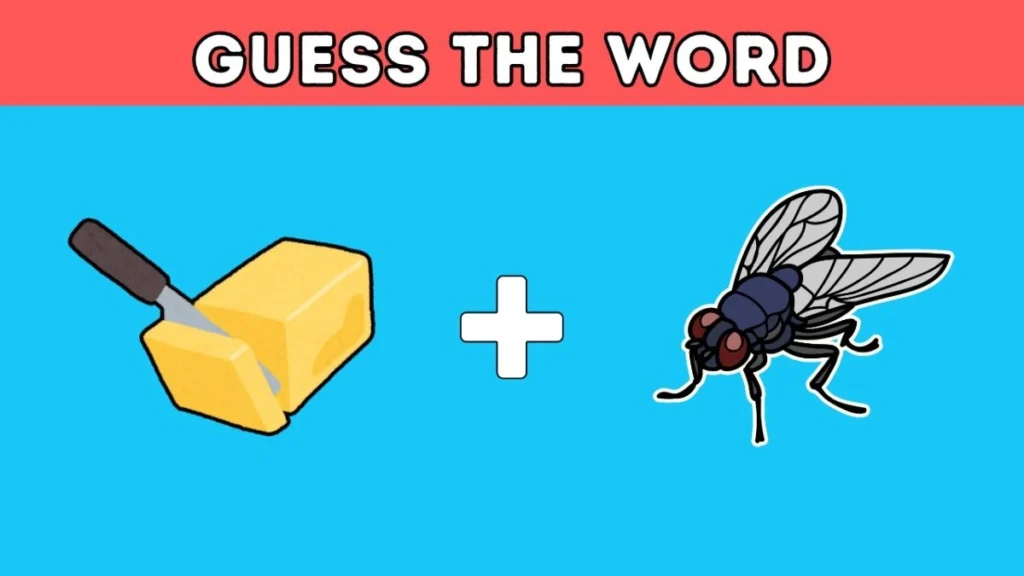
When designing treasure hunt clues for kids, rely heavily on visual cues alongside simple text. Younger children who are still building reading confidence love visual picture puzzles or rebus clues.
For example, draw a picture of a shoe next to an addition sign and a horn to spell out “shoe-horn.” Using these treasure hunt riddles for kids builds their problem-solving skills while keeping the game playful and fast-paced.
Home-Based Setup for Family Gatherings
Executing a home treasure hunt clues setup means taking full advantage of everyday furniture and rooms. You can slip an envelope inside a favorite storybook, tape a card underneath the kitchen table, or hide a key inside a coat pocket in the closet.
By using familiar everyday items in unexpected ways, you transform a standard house into an exciting playground for your family gathering.
Planning a Seamless Party Treasure Hunt
Hosting a successful party treasure hunt requires more than just good riddles; it also takes smart group management.
Managing Group Dynamics
If you have a large group of guests, split them into smaller teams of three to five players. Give each team a different colored marker or assign them a slightly varied order of hiding spots.
This prevents everyone from crowding around a single location at the exact same time. Consequently, every team gets to enjoy the moment of discovery on their own.
Preparing the Final Reward
The grand finish should match the excitement of the hunt itself. Prepare a central treasure chest filled with goodie bags, party favors, or a main birthday cake.
For an extra layer of fun, lock the final box with a numeric padlock. Players must gather number digits from each clue they solved along the way to open the lock and claim their reward.
Technical Formatting and Readability Tips
To ensure a smooth experience, review your physical clue cards before the event begins. Use a clean, bold font so that clues are easy to read in low light or while running.
Keep a complete treasure hunt clue list in your pocket on game day. If a clue gets blown away by the wind outdoors or accidentally moved by a guest, you can quickly replace it without delaying the party.
Conclusion
Creating your own customized party activity is an exceptionally rewarding way to bring energy, laughter, and teamwork to any celebration. From simple rhyming clues to intricate mirror codes, every puzzle you write adds a personalized touch that guests will remember long after the party ends.
Map out your hiding spots, draft your riddles, and get ready to host an unforgettable game day. For more brain teasers, party activity guides, and creative word puzzles to make your next gathering special, be sure to visit riddlepuzzle.
Frequently Asked Questions
How many clues should I include in a party treasure hunt?
Based on available data, a standard party hunt works best with 8 to 12 individual clues. This range creates a satisfying 20 to 30-minute activity, which is long enough to feel like an adventure without tiring out young players or derailing your party schedule.
How do I stop players from finding clues out of order?
The easiest solution is to write team names or specific numbers on the outside of every envelope. Instruct players clearly at the start that they can only pick up envelopes labeled with their assigned team color or current clue number.
What should I do if players get stuck on a difficult riddle?
Always assign an adult or older host to act as the official Game Master. If a team spends more than three minutes searching the wrong area, offer a small hint or ask a guiding question to nudge them back in the right direction without giving away the full answer.
Can I run a treasure hunt outdoors in bad weather?
Yes, simply place each paper clue inside a sealed plastic Ziploc bag before hiding it outdoors. Alternatively, keep the entire hunt indoors by using household items like bookshelves, cupboards, and couch cushions.