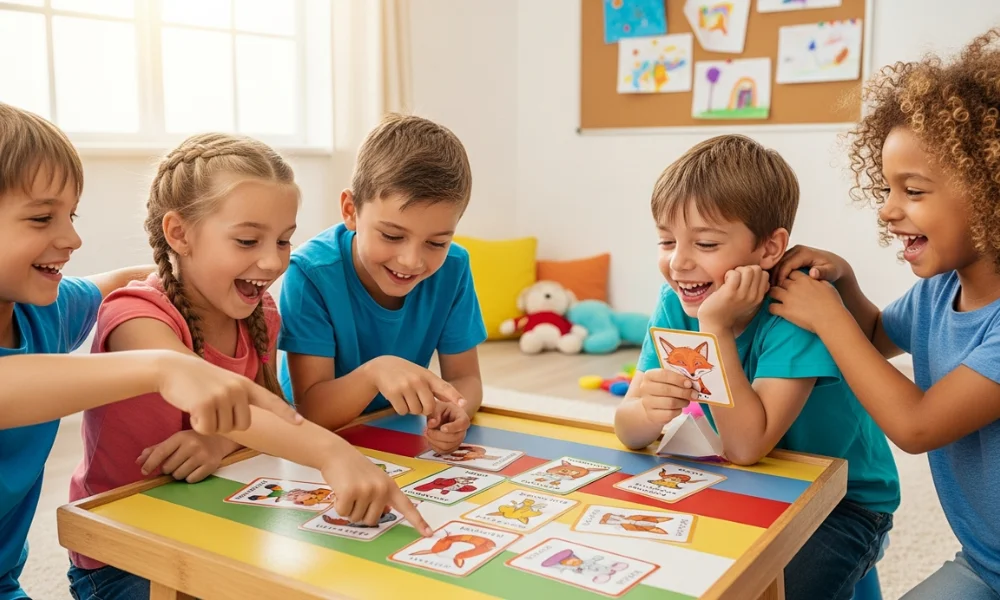
If your little ones love to laugh, cow jokes for kids are the perfect way to brighten their day! These jokes are short, simple, and packed with light humour that kids instantly get. From playful puns to silly word twists, cow jokes make learning and laughing go hand in hand.
Unlike screen-based entertainment, these jokes encourage imagination, interaction, and genuine connection. Every time a child giggles over a “moo” joke, they build confidence in speech and creativity.
Why Cow Jokes Are Always a Hit with Kids
There’s a reason why kids never get tired of cow humor. Cows are friendly, familiar, and funny-looking, which makes them the ideal stars of children’s jokes.
When a kid hears a joke about a cow, they can easily picture it in their mind. That visualization makes the punchline hit harder and funnier. Moreover, the word “moo” itself has a rhythmic charm that feels satisfying to say, which is why even toddlers enjoy these jokes.
These jokes are not just funny; they’re also educational. Children unconsciously learn about sound play, timing, and simple storytelling. As a result, humor becomes an early tool for both fun and learning.
The Secret to Telling Great Cow Jokes
The best cow jokes are short, snappy, and easy to understand. Kids love it when jokes have a rhythm or rhyme because it makes them easier to remember. When you tell one, use pauses before the punchline. This helps build excitement.
A perfect example: “What do you call a sleeping cow? A bulldozer!” It’s short, surprising, and makes sense even for younger children.
When parents and teachers tell cow jokes for kids with expression and sound effects, it turns a simple line into a full moment of joy.
Best Cow Jokes That Make Kids Giggle
Nothing beats seeing a child burst into laughter. Here’s a collection of clean, creative cow jokes you can share anytime during breakfast, class breaks, or bedtime!
Before you begin, use funny voices, it doubles the laughter.
- Why do cows have hooves instead of feet? Because they are lactose!
- What do cows say when they’re surprised? “Holy cow!”
- Why did the cow become an astronaut? To visit the Milky Way.
- What game do cows like to play? Moo-sical chairs!
- What do you get from a pampered cow? Spoiled milk.
- Why was the cow a great musician? Because it had perfect moo-sic timing!
- What kind of milk do smart cows make? Grade A!
- How do cows send messages? By e-moo!
- Why did the cow sit under a tree? To keep cool in the shade.
- What happens when cows tell jokes? They crack each udder up!
Each of these jokes is age-safe, clear, and guaranteed to earn smiles.
Using Cow Jokes for Learning
Jokes aren’t just for fun; they’re powerful tools for learning. Teachers often use humour to capture attention and improve classroom participation. When children laugh, they listen more closely and remember better.
Here are some ideas to make learning more engaging:
- Start the day with laughter: Begin morning assemblies or lessons with one cow joke.
- Encourage reading practice: Ask students to read jokes aloud for better pronunciation.
- Teach new words: Discuss meanings like “udder” or “lactose” to expand vocabulary.
- Reward participation: Let kids share their own cow jokes at the end of class.
- Create a “Moo Board”: Display one new joke every day on a classroom wall.
This way, humour becomes an exciting part of education, turning giggles into growth.
Why Kids Benefit from Humour Early On
Laughter is truly a universal language that children understand long before they can read or write. When kids laugh, they open up emotionally and socially, learning how to express joy, surprise, and curiosity. Sharing jokes, especially simple, animal-based ones like cow jokes, helps them bond with family, friends, and teachers.
This early exposure to humour lays a foundation for emotional intelligence, creativity, and communication skills that last a lifetime.
1. Emotional Development
Humor teaches kids to process emotions healthily. When they laugh, their stress levels drop, and they learn how to turn frustration into fun. Simple jokes, like those about cows or animals, give children a sense of comfort and security while helping them manage their feelings positively.
2. Social Skills
Telling or hearing jokes encourages interaction and teamwork. Kids who share cow jokes with classmates or family members learn to take turns, listen, and enjoy mutual laughter. This shared joy strengthens relationships and improves social confidence, especially for shy children.
3. Language Growth
Every joke introduces new vocabulary and word patterns. Through humor, kids discover the rhythm of language, wordplay, and double meanings. Cow jokes, for instance, expose them to words like “udder,” “moo,” and “dairy,” all while keeping learning lighthearted.
4. Cognitive Benefits
Humor isn’t just fun, it’s a mental exercise. Understanding a joke requires recognizing a twist or pun, which builds flexible thinking and problem-solving. When children grasp the punchline of a cow joke, they enjoyably practice comprehension and reasoning skills.
5. Creativity and Imagination
Funny jokes push children to think outside the box. When they invent their own cow jokes, they explore new ideas, imagine silly scenarios, and express originality. This creative freedom helps them develop storytelling skills and a positive attitude toward learning.
Creative Ways to Share Cow Jokes at Home
Parents can make daily routines more joyful by slipping in a few funny cow lines. Laughter builds connection and trust, helping children express themselves openly.
Try these ideas at home:
- Write a cow joke on a sticky note and place it in your child’s lunchbox.
- Tell a joke during car rides to make travel fun.
- Use bedtime jokes as a lighthearted way to end the day.
- Record your child telling a cow joke and share it with relatives for family bonding.
These small habits create happy memories and help families laugh together.
Helping Kids Make Their Own Cow Jokes
Once children get comfortable listening to jokes, they’ll want to invent their own. That’s where creativity blossoms! Encourage them to make simple connections between animals and funny actions.
For example: “What do cows do when it rains? They turn on their moooo-d lights!” It doesn’t have to be perfect, it just needs to be fun.
Guide them to use everyday words and silly ideas. Each new joke they create enhances vocabulary, logical thinking, and humour comprehension.
Funny Cow Puns That Tickle the Brain
Cow puns are perfect examples of smart humour for children. They blend sound, spelling, and meaning all wrapped up in laughter.
Here are a few that’ll make both kids and adults giggle:
- What did the cow say after a long day? “I’m utterly exhausted.”
- Why was the cow so calm? Because it was in a good mooo-d.
- What do cows type with? Moo-tors!
- Why did the cow bring a map? It didn’t want to get lost on the mooo-ve.
- What did the cow say to its calf? “You’re legen-dairy!”
These puns encourage linguistic curiosity and boost imagination, a win-win for both parents and teachers.
Conclusion
To sum up, cow jokes for kids are more than just silly lines; they’re tools for joy, connection, and learning. They teach humour, build language skills, and create shared laughter between friends, families, and classrooms.
From “udderly” funny puns to clever punchlines, these jokes remind us that laughter truly is the best mooo-d medicine. So, next time your little one feels down, drop a cow joke and watch their smile grow brighter than the morning sun!