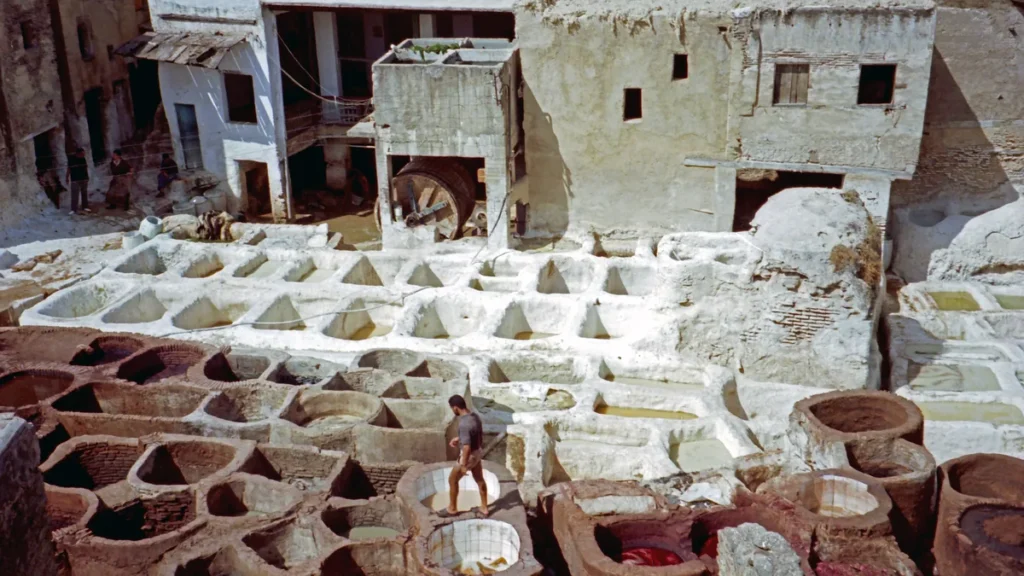
Five hundred and sixty-eight players, one old village tanner’s yard, and a whole day of games that smell faintly of oak shavings and wet hides. That is the puzzle we set out to solve: how do you give every single person a fair go, keep nine stations busy from morning to dusk, and still end the day with a proper final that the whole village can watch?
The answer is a plan built on crews, stations, and a short tournament ladder, with every game borrowed from the real work of the tanner’s yard. The work moves in clear steps, from the lime bath to the pit, from the scraper to the frame, and each step asks for a different skill: a steady eye, a careful measure, quick hands, or a good memory for order.
Our nine games follow those steps in the order the old tanners worked them, so players learn the craft as they play, and no station feels like a repeat of the one before it. This guide sets out the full day, from the crew plan to the final.
Key takeaways
- Split 568 players into eight crews of 71, then into squads of seven or eight for the nine stations.
- Run the nine games in craft order, from the lime bath to the staking frame, so the day teaches the trade.
- Score every game in marks, with the same mark scale at each station, so crews can be ranked fairly.
- Keep each game to about twenty minutes, with five minutes to move, so all nine stations fit before lunch and the finals.
- Take the top four crews into the afternoon semi-finals and the top two into one grand final in the yard.
How 568 Players Fit Into One Day
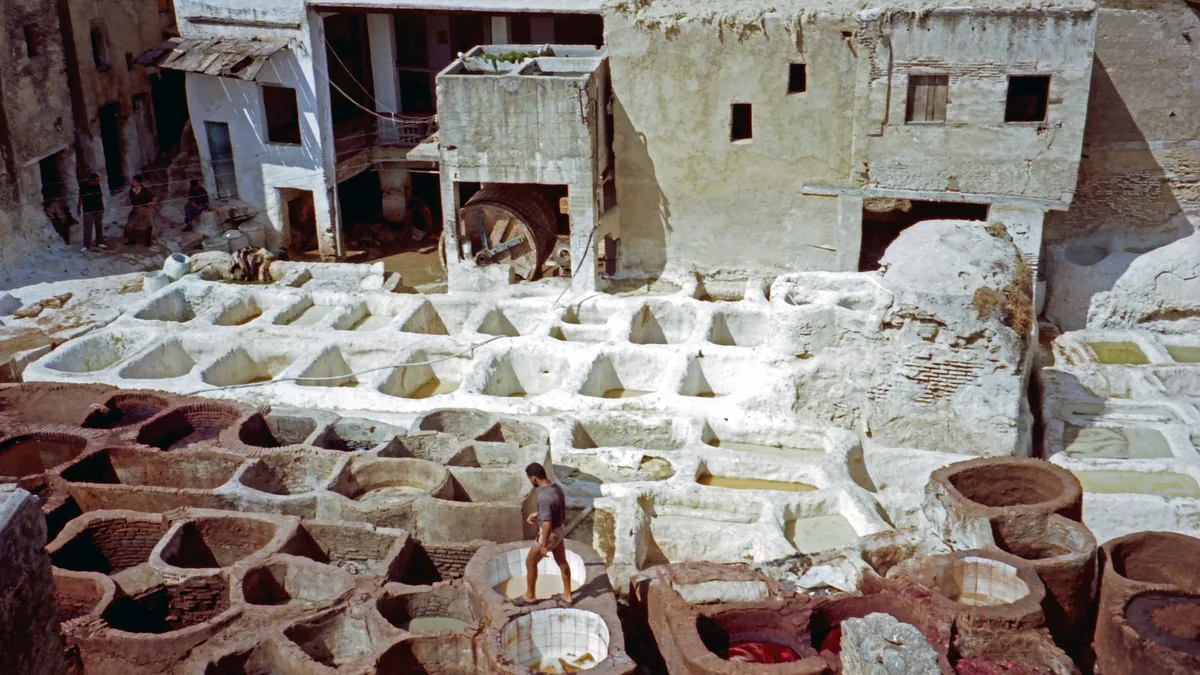
Start with eight crews of 71 players. Give each crew a colour, a captain, and a home base at the edge of the yard, and the day feels smaller at once. Each crew then splits into nine squads of seven or eight, and each squad takes a station. When the horn sounds, all nine stations are busy at the same moment.
Stations run for twenty minutes, with five minutes to move on. A squad plays one game, walks to the next station in craft order, and plays again, so by late morning every squad has played all nine games. The same judge stays at each station all morning, so the scoring stays steady. Crews earn marks at each station, and the marks are added up on a big board where everyone can see them.
The afternoon belongs to the tournament. The four crews with the most marks go into two semi-finals in front of the whole yard, and the two semi-final victors meet in one grand final as the light fades. The other four crews form the crowd and the judging panel for the final, so the whole village stays part of the day. If you want to see how a day like this ran for a slightly smaller crowd, read the flute-maker’s workshop day for 567 players, which uses the same crew and station plan.
The Nine Games at a Glance
Here are all nine games in one place, in the order the squads play them. Use this table to brief your station judges in the morning.
| Game | What it tests | Kit needed | Top score |
|---|---|---|---|
| Hide Flatten Race | Steady hands and a flat finish | Practice hides, flat stones, chalk marks | 20 marks |
| Lime Bath Check Race | Careful reading and safe order | Numbered cards, a mock bath, a checklist | 20 marks |
| Fleshing Scraper Count Race | Quick eyes and tidy counting | Scrapers, marked hides, tally boards | 20 marks |
| Tan Pit Cure Race | Memory for order and timing | Pit cards, sand timers, colour discs | 20 marks |
| Currying Dubbin Race | Even work and good judgement | Dubbin pots, cloths, sample squares | 20 marks |
| Sumac Tannin Measure Race | Exact measuring and neat sums | Scales, scoops, sumac powder, jars | 20 marks |
| Alum Tawing Race | Speed with care, and clean hands | Alum pots, gloves, white squares | 20 marks |
| Staking Frame Race | Teamwork and gentle pulling | Frames, soft hides, pegs, chalk | 20 marks |
| Oak Gall Weigh Race | Weighing by eye and by scale | Oak galls, scales, sacks, cards | 20 marks |
Every game is worth the same top score of 20 marks, so a crew that is brilliant at one station and weak at another ends the morning on level terms with a crew that is steady everywhere. Judges award marks for accuracy first and speed second.
The Nine Games, One by One
Each game below gives you the aim, the setup, how a squad plays it, and how the judge scores it. The games follow the tanner’s craft in order, from the first wash to the last softening.
1. Hide Flatten Race
The squad is given a practice hide that has been folded and creased, and the aim is to lay it out flat and smooth on the table, with no fold, wrinkle, or curled edge left showing. Each player takes a short go at the hide, smoothing one part of it with the flat of the hand and a flat stone, then steps back so the next player can work the next part. The judge marks the hide at the end of the twenty minutes: a hide that lies flat from edge to edge earns the full 20 marks, with one mark lost for each crease and two for a folded corner. Squads that talk while they work do far better than squads that rush in silence.
2. Lime Bath Check Race
The squad must put a set of numbered cards in the right order to show how a hide moves through the lime bath, from the first dip to the final rinse. The cards are shuffled and laid face down, and the squad has twenty minutes to read each card, agree on the order, and lay the cards out in a line. Some cards describe real steps and some describe traps, such as a step that belongs later in the day, and the squad must spot the traps and set them aside. The judge awards one mark for each card in its true place, up to 20 marks, and a trap card left in the line costs two marks. Reading the cards aloud first helps: a wrong order sounds wrong at once.
3. Fleshing Scraper Count Race
The squad is given a marked hide and a set of scrapers, and the aim is to find and count every chalk mark on the hide, then scrape each marked spot once, in order, from the top edge to the bottom. The marks are small and some sit close together, so the squad must work in pairs: one player calls the marks while the other scrapes, and a third player keeps the tally on the board. The judge awards one mark for each mark found and scraped in order, up to 20 marks, and takes a mark away for each spot scraped out of order. Give each new squad a fresh set of chalk marks, so no squad can learn the answers from the squad before it.
4. Tan Pit Cure Race
This is a memory game built around the pit. The judge shows the squad a row of colour discs, each one standing for a day in the pit, and the squad must remember the order of the colours after the discs are covered. Then the squad is given pit cards, one for each day, and must lay them out in the same order as the discs, while a sand timer runs. The squad may look at the discs once more, but each extra look costs two marks. The judge awards one mark for each pit card in its true place, up to 20 marks, and the timer decides ties. A hide left in the pit too long is ruined, and a hide taken out too soon is useless, so timing and memory matter more than hurry.
5. Currying Dubbin Race
Currying is the art of working dubbin into the leather so it stays soft and keeps the rain out, and this game tests how evenly a squad can do it. Each squad is given a set of sample squares and a pot of dubbin, and each player must work the dubbin into one square with a cloth, covering the whole square with a thin, even coat. The judge holds each square up to the light: even shine is good, dry patches are not. The judge awards up to 20 marks, two for each of the ten squares, and takes a mark away for a square left dry at the edges. If your crew enjoys craft games like this one, they will also enjoy the doll-maker’s workshop day for 566 players, where the games are built around small, careful handwork too.
6. Sumac Tannin Measure Race
Sumac powder gives the tannin that turns a hide into leather, and this game is all about exact measuring. The squad is given a set of jars, each marked with a target weight, and must weigh out the right amount of sumac powder into each jar using scoops and scales. The powder is light and drifts easily, so a heavy hand will overshoot the mark, and the squad must work calmly and check each jar on the scales before moving on. The judge weighs each jar at the end and awards two marks for a jar within a whisker of its target, one mark for a jar that is close, and no marks for a jar that is far off, up to 20 marks in all.
7. Alum Tawing Race
Tawing uses alum to dress a hide white and soft, and this game is a race against the clock with clean hands. Each squad is given a row of white squares and a pot of alum, and each player must dress one square, working the alum in with gloved hands until the square is white all the way through. The squares are judged on whiteness and softness, and a square that is white on the outside but stiff in the middle earns only half marks. The judge awards two marks for each square that is white and soft, one mark for a square that is white but stiff, and no marks for a square with a grey patch, up to 20 marks in all. Gloves stay on throughout.
8. Staking Frame Race
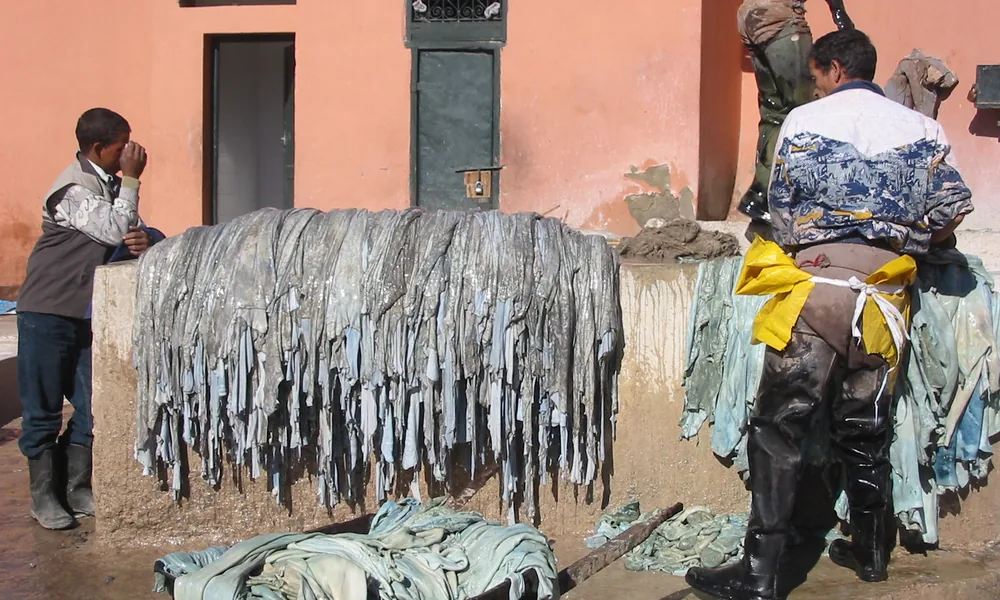
Staking softens a hide by pulling it back and forth over a frame, and this game needs the whole squad pulling together. The hide is fixed to the frame, and the squad must pull it in a slow, even rhythm, moving from one end to the other, while one player calls the rhythm and another watches the chalk marks on the frame. If the squad pulls too hard on one side, the hide will go uneven, and the judge will see it at once in the chalk lines. The judge awards marks for evenness, up to 20 marks, and takes marks away for a hide that is tight on one side and loose on the other. The caller is the most important player in this game: a squad with a clear, steady caller will beat a stronger squad with no caller at all.
9. Oak Gall Weigh Race
The last game is the simplest and the hardest: weigh oak galls by eye, then check your guess on the scales. Each squad is given a sack of oak galls and a set of cards, and must guess the weight of a handful of galls before weighing it. The closer the guess, the more marks the squad earns, and the squad that guesses best across ten handfuls wins the station. The judge awards two marks for a guess within a small margin, one mark for a guess that is close, and no marks for a wild guess, up to 20 marks in all. Learn from each weighing, and each guess gets better.
The Tournament Ladder
When the morning stations are done, add up the marks. Each crew can earn up to 180 marks in the morning, 20 at each of the nine stations, and the board will show the running totals where every crew can see them. The top four crews go forward to the semi-finals, and ties are broken by the crew’s best single station score, so a crew with one brilliant game has a real edge over a crew that was merely steady.
The semi-finals are played in front of the whole yard, and each one is a short contest built from the morning’s games: a Hide Flatten head-to-head, a Sumac Tannin Measure sprint, and a Staking Frame pull, each worth 20 marks, with the crew that takes two of the three going through to the final.
The grand final is one game, played by the two best crews, in the middle of the yard, with everyone else in a ring around them. The game is a full tanner’s round: flatten a hide, check the lime bath cards, count the scraper marks, and weigh the oak galls, with each part worth marks and the whole round timed. The crew with the most marks at the end takes the prize, which in the old village was a fine pair of gloves made from the yard’s own leather.
Checklist: Setting Up the Tanner’s Yard
Use this checklist in the week before the day. For a sense of how another workshop day was set up, see the coracle-maker’s workshop day for 554 players, which faced the same setup puzzles.
- Mark out nine stations in craft order around the yard, with a clear path between them and a home base for each of the eight crews.
- Prepare the kit for each station the night before, with spare scrapers, spare chalk, spare gloves, and spare tally boards in a box at the judge’s table.
- Brief the nine judges together in the morning, with the same mark scale at every station and a practice run of their own game.
- Put up the big scoreboard where every crew can see it, and appoint two scorers whose only job is to keep it right.
- Set the horn times in writing, twenty minutes of play and five minutes to move, and give the horn to a timekeeper who will not bend the rules.
- Plan water, shade, and a first aid point before you plan anything else, and walk the yard once as a player would, from the first station to the last.
Frequently Asked Questions
How do you split 568 players into squads that all play at once?
Make eight crews of 71, then split each crew into nine squads of seven or eight. Each squad takes one station at the start, and the squads move around the nine stations in order, so all 568 players are playing at the same time from the first horn to the last.
What if a crew has fewer than 71 players on the day?
Let the crew play short-handed and keep the same mark scale. A squad of seven can play every game as written, and the crew’s total is what matters, not the size of each squad.
Do players need any skill with leather to enjoy the games?
No. Every game uses practice hides, mock baths, and sample squares, and the judges explain each game before the timer starts. The games test eyes, hands, memory, and teamwork, not craft skill, and a player who has never seen a tanner’s yard can win a station on their first go.
How long does the whole day take?
Plan for nine in the morning to five in the afternoon. The nine stations take about four hours with moving time, lunch takes an hour, and the semi-finals and grand final take about two hours, with the prize-giving at the end. A strict horn keeps the day on time.
What happens if two crews tie on marks at the end of the morning?
Break the tie on the best single station score: the crew with the higher top score at any one station goes through. If the crews are still tied, the crew that finished its last station first goes through.
Can the games be played with fewer players?
Yes. The same nine games work for a single crew of nine squads, or for a family group of nine players taking one station each. The crew plan, the mark scale, and the tournament ladder all scale down cleanly, and the games lose nothing when the yard is quieter.
The Bottom Line
Five hundred and sixty-eight players sounds like too many for one yard, but eight crews, nine stations, and a strict horn make it simple. The tanner’s yard gives the day its shape: each game follows the craft in order, each station tests a different skill, and each squad gets the same fair twenty minutes. Keep the scoring honest and the horn strict. Do that, and the day will end with tired players, a worthy winning crew, and a village already asking when the yard opens again.


