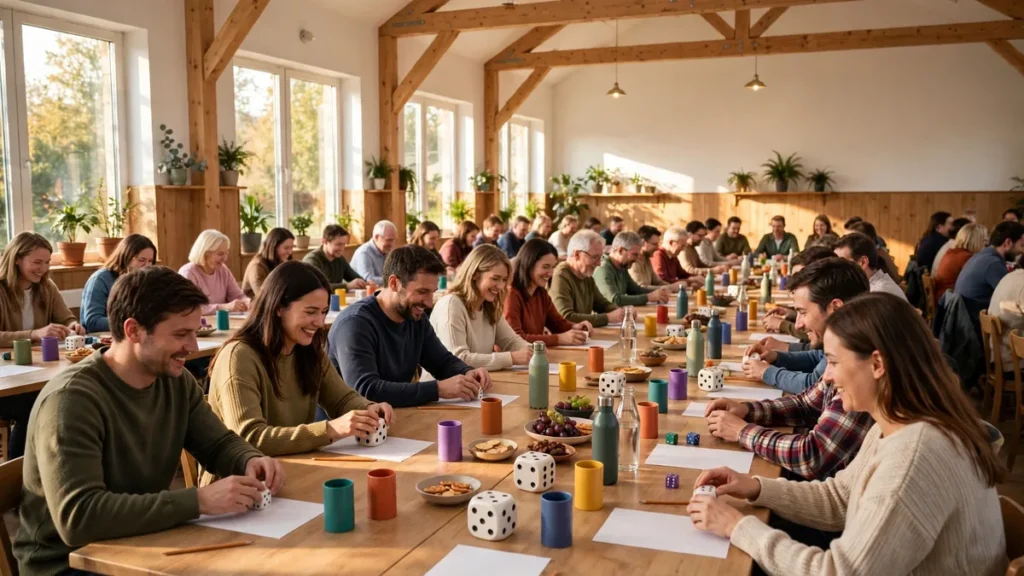
The best jigsaw puzzle accessories turn a pleasant hobby into a genuinely comfortable one. A good mat keeps a half-finished 1,000-piece landscape safe from the cat, a proper sorting tray cuts the hunt for edge pieces in half, and the right glue and frame let a finished puzzle live on the wall instead of being broken up and boxed away. These are small purchases, but they change how often you puzzle and how much you enjoy it.
After years of testing puzzle gear at every price point, the pattern is clear: beginners need only three things — a roll-up mat, a set of sorting trays, and a flat board — while serious puzzlers get the most value from a tilting board with drawers and a quality adhesive. The accessories below cover every stage of a puzzle’s life, from the first sorted edge piece to the framed picture hanging in the hallway.
This guide compares the best jigsaw puzzle accessories by real-world use, not marketing claims. Each pick includes the brand, the typical price, and exactly who it suits, so you can spend money only on the gear that matches how you actually puzzle — whether that is a quiet hour at the kitchen table or a 3,000-piece marathon spread across a spare room.
Key takeaways
- The three essentials for any puzzler are a roll-up puzzle mat, a set of stacking sorting trays, and a flat puzzle board — together they cost under $60.
- Roll-up mats are best for small spaces and casual puzzlers; rigid boards with drawers are best for large puzzles and daily puzzlers.
- Sorting trays are the single biggest time-saver: sorting by colour and edge before you start can cut assembly time by a third.
- Puzzle glue such as Mod Podge Puzzle Saver or Buffalo Games Puzzle Presto costs under $15 and is the only safe way to preserve a finished puzzle for framing.
- Measure your puzzle before buying anything — a mat or frame that is too small is the most common accessory mistake.

Best Jigsaw Puzzle Accessories at a Glance
Before the detailed reviews, here is the whole field in one place. Every accessory below earns its place for a different reason, and the right combination depends on your space, your puzzle size, and how often you build.
| Accessory | Best pick | Typical price | Best for |
|---|---|---|---|
| Roll-up puzzle mat | Bits and Pieces Roll-Up Mat | $15–$30 | Small spaces, casual puzzlers |
| Puzzle board | Bits and Pieces Puzzle Board | $30–$60 | Everyday puzzlers, 1,000 pieces |
| Tilting board with drawers | All4Jig Tilting Puzzle Board | $80–$150 | Daily puzzlers, large puzzles |
| Sorting trays | Becko Stackable Sorting Trays | $12–$25 | Everyone — biggest time-saver |
| Puzzle glue | Mod Podge Puzzle Saver | $8–$12 | Preserving finished puzzles |
| Puzzle frame | Buffalo Games Puzzle Frame | $20–$45 | Displaying finished puzzles |
| Puzzle storage portfolio | Puzzle Keeper Storage Folder | $15–$30 | Unfinished puzzles, travel |
| Piece scoop and tweezers | Ravensburger Puzzle Scoop | $5–$12 | Delicate pieces, large puzzles |
| Puzzle lamp | LED puzzle lamp with magnifier | $20–$45 | Evening puzzlers, low light |
| Puzzle board with cover | Grateful House Puzzle Board | $40–$90 | Homes with pets or children |
1. Roll-Up Puzzle Mat
The roll-up mat is the classic first accessory, and for good reason. It is a sheet of soft felt, usually about 40 by 26 inches, with a smooth surface that grips pieces just enough to stop them sliding. When dinner is ready or the table is needed, you roll the mat around an inflatable tube, secure it with elastic straps, and your half-finished puzzle waits safely inside until tomorrow.
The Bits and Pieces roll-up mat, around $20, is the best all-rounder: thick felt, a sturdy tube, and room for a 1,000-piece puzzle with space to spare. Buffalo Games makes a similar mat for about $15 that suits 500-piece puzzles well. The Jigthings mat, near $30, adds a printed grid that helps you centre the puzzle and judge its finished size before you start.
Roll-up mats suit casual puzzlers and anyone short on space. Their weakness is long storage: a puzzle left rolled for weeks can develop a slight curve, and very small pieces can shift if the roll is loose. Roll firmly and strap it tight for best results.
2. Flat Puzzle Board
A flat puzzle board is a rigid surface, usually wood or MDF with a felt top, that gives your puzzle a dedicated home. Unlike a mat, it can be picked up and moved without disturbing a single piece, which matters when the dining table is needed or you want to puzzle in a different room. A dedicated puzzle table takes this idea further with legs and storage, but a portable board is the flexible middle ground.
The Bits and Pieces puzzle board, around $40, measures roughly 26 by 34 inches and handles 1,000-piece puzzles comfortably. The Grateful House board, near $60, adds a raised edge that stops pieces sliding off and a smooth felt surface that grips well without snagging. Both are light enough to slide under a bed or lean against a wall.
Buy a board at least two inches larger than your puzzle on every side. A 1,000-piece puzzle typically finishes around 20 by 27 inches, so a 24 by 30 inch board is the minimum. Anything smaller leaves no room for loose pieces, and that defeats the purpose.
3. Tilting Puzzle Board with Drawers
For daily puzzlers, a tilting board with drawers is the single best upgrade. The All4Jig tilting board, around $90 to $120, angles the puzzle surface toward you, which eases neck and shoulder strain during long sessions, and its four pull-out drawers keep sorted pieces organised and out of sight. The drawers slide under the board, so the whole unit stays compact on a table.
Cheaper boards with drawers exist — the Bits and Pieces deluxe board runs about $70 — but deeper drawers and a smooth tilt lock are where the extra money shows.
This is the accessory for people who puzzle most days, work on 1,500 pieces or more, or have back and neck trouble. If you puzzle once a month, a flat board is enough. If you puzzle every evening, the tilting board pays for itself in comfort within weeks.
4. Stackable Sorting Trays
Sorting trays are the cheapest way to puzzle faster. Instead of hunting through a pile of 1,000 mixed pieces, you sort once — edges in one tray, sky in another, distinctive colours in the rest — and then every piece you need is visible at a glance. Experienced puzzlers estimate that sorting first cuts total assembly time by a third.
The Becko stackable trays, a set of six for about $15, are the best value: sturdy plastic, a lip that keeps pieces contained, and a stacking design that stores neatly. Ravensburger’s sorting trays, around $25, are slightly larger and have a smoother finish that makes sliding pieces easier. Bits and Pieces sells a wooden six-tray set near $35 that looks better on a table and lasts for years.
Use at least six trays for a 1,000-piece puzzle: one for edges, and five for colour groups. Stack them when you stop for the day and the sorted pieces stay sorted. Paper plates work in a pinch, but they tip, slide, and cannot stack — trays are worth the small price.
5. Puzzle Glue and Adhesive
Puzzle glue is what turns a finished puzzle into a keepsake. Applied to the front of a completed puzzle, it dries clear and locks the pieces together so the whole picture can be lifted, moved, and framed. The two best options are Mod Podge Puzzle Saver, about $8 to $12, which brushes on smoothly and dries with a slight satin sheen, and Buffalo Games Puzzle Presto, around $10, which peels off a backing sheet and sticks to the front like a clear film — no brush, no drying time, no mess.
MasterPieces puzzle glue, near $10, is a third solid choice and works well on puzzles with a glossy finish. Whatever you choose, apply glue to the front first, let it dry fully, then flip the puzzle — sliding it onto a board helps — and glue the back too. Two-sided gluing makes the puzzle rigid enough to hang without a frame backing.
Do not use ordinary craft glue or spray adhesive: craft glue can warp cardboard pieces, and spray adhesive leaves a tacky residue that attracts dust. Puzzle-specific glue is formulated to dry clear and flexible, and it costs less than a sandwich.
6. Puzzle Frames
Once a puzzle is glued, a frame is the finishing touch. Purpose-built puzzle frames, such as the Buffalo Games puzzle frame at around $20 to $30, are sized to standard puzzle dimensions and include a clear front panel and a backing board, so there is no cutting or measuring. For odd sizes, a poster frame with a custom-cut mat works, and many craft stores cut backing boards to order for a few dollars.
Standard frame sizes to know: a 500-piece puzzle is usually about 18 by 24 inches, a 1,000-piece puzzle about 20 by 27 inches, and a 1,500-piece puzzle about 24 by 33 inches. Always measure your finished puzzle before ordering — brands vary by an inch or two, and a frame that is even slightly small will not close.
If you frame puzzles often, keep two or three frames in rotation and swap the displayed puzzle seasonally. It is a cheap way to refresh a room, and it gives every finished puzzle a second life on the wall instead of a box in the cupboard.
7. Puzzle Storage Portfolio
A storage portfolio is a flat, zippered folder with pockets for a puzzle in progress. The Puzzle Keeper, around $20, holds a puzzle up to 1,000 pieces plus its loose pieces in separate sleeves, and it slips onto a bookshelf like a large book. Jigthings makes a similar portfolio near $30 with stiffer boards and a carry handle.
Portfolios suit puzzlers who travel, move between rooms, or share a table with the family. They also protect a puzzle from dust and sunlight during a long build — a 2,000-piece puzzle can take weeks, and an uncovered board gathers dust that dulls the picture.
8. Piece Scoops and Tweezers
Small tools solve small annoyances. A puzzle scoop — a flat, thin spatula — slides under a finished section and lifts it without breaking the joins, which is invaluable when you need to move a completed corner across the board. Ravensburger sells a scoop and tweezers set for about $8, and generic sets cost as little as $5.
Tweezers help with tiny pieces, especially in 2,000-piece and larger puzzles where pieces are barely an inch across, and they are a kindness for puzzlers with arthritis or limited grip. Choose tweezers with a flat, wide tip rather than a pointed one: pointed tips can dent soft cardboard edges.
These are the cheapest accessories in this guide and the easiest to overlook. Keep a scoop in the same drawer as your sorting trays and it will be there the one time a week you need it.
9. Puzzle Lamp with Magnifier
Good light is an accessory too. A puzzle lamp with a built-in magnifier — typically an LED ring light on an adjustable arm for $25 to $45 — throws even, shadow-free light across the board and lets you read the fine detail on dark or busy puzzle sections. Evening puzzlers and anyone with ageing eyes notice the difference immediately.
Look for a lamp with adjustable colour temperature: warm light is relaxing, but cool daylight-white light shows the true colours of the pieces, which matters when you are sorting by shade. A clip-on lamp that attaches to the table edge keeps the workspace clear, while a freestanding lamp with a weighted base is more stable on a crowded board.
Avoid ordinary desk lamps with a single bulb — they cast shadows exactly where you are working, while a ring light spreads illumination evenly.
10. Puzzle Board with Cover
A board with a cover is the answer to pets, children, and dust. The Grateful House puzzle board with cover, around $70 to $90, pairs a felt-topped board with a fitted lid that slides over the top, sealing the puzzle away in seconds. Bits and Pieces offers a similar covered board near $50, and both are light enough to store vertically in a cupboard.
Covered boards are also the best choice if you puzzle in a room that gets direct sun — ultraviolet light fades puzzle colours over weeks — or if you share your table with a cat that considers loose pieces a personal invitation. A cover turns a puzzle from a fragile work in progress into something you can safely ignore for days.
Pair a covered board with the sorting trays from section four and you have a complete system: sort in the trays, build on the board, cover it when you stop, and nothing moves until you are ready.
How to Choose the Right Accessories
Start with your puzzle size. Everything in this hobby is sized around the finished puzzle, and the most common mistake is buying a mat or board that is too small. Measure a finished puzzle you already own, add four inches on each side for loose pieces, and buy to that size. For most people that means a 1,000-piece setup: a mat or board around 26 by 34 inches, six sorting trays, and a glue kit.
Next, consider your space. A roll-up mat and stacking trays fit in a drawer and suit flats and shared tables. A tilting board with drawers needs a permanent corner of a table and suits a dedicated puzzle room or a spare bedroom. If you move your puzzle between rooms, a portfolio or a covered board matters more than a tilt mechanism.
Finally, match the accessory to how you finish puzzles. If you break every puzzle down when it is done, skip the glue and frames entirely and spend the money on a better board. If you keep your favourites, buy the glue and frame before the fancy board — a framed puzzle on the wall brings more joy than a tilting mechanism ever will. The best jigsaw puzzle brands also matter here, since thicker, well-cut pieces hold glue better and survive framing without bending.
Best Jigsaw Puzzle Accessories Checklist
- Measure your finished puzzle and add four inches on each side before buying a mat, board, or frame.
- Buy six sorting trays and sort by edge and colour before placing a single piece.
- Choose a roll-up mat for small spaces and a rigid board with drawers for daily puzzling.
- Keep a puzzle scoop and flat-tip tweezers in the same drawer as your trays.
- Glue both sides of a finished puzzle and let it dry fully before framing.
- Store finished puzzles flat in labelled bags, and keep spare frames ready for rotation.
Frequently Asked Questions
What is the most useful jigsaw puzzle accessory?
Sorting trays. They cost under $20, work with every puzzle size, and save more time than any other accessory. A roll-up mat is the second most useful purchase, especially if you share your table with family meals.
Do I need a puzzle mat or a puzzle board?
Choose a mat if you are short on space and want to roll your puzzle away, and a board if you want to move the puzzle between rooms without disturbing it. Many puzzlers own both: the board for building at home and the mat for holidays. If you can only buy one, pick the board — it is more versatile.
How do I store an unfinished jigsaw puzzle?
Roll it in a puzzle mat, slide a covered board into a cupboard, or use a storage portfolio with separate sleeves for loose pieces. All three methods protect the puzzle from dust, pets, and accidental knocks. For long-term storage of a finished puzzle, glue both sides first, then store it flat — never lean a glued puzzle against a wall for months, as it can bow.
What glue is best for jigsaw puzzles?
Mod Podge Puzzle Saver is the best brush-on glue for most people, and Buffalo Games Puzzle Presto is the best no-mess option because it applies as a peel-and-stick sheet. Avoid ordinary craft glue and spray adhesive, which can warp pieces or leave residue. Always glue the front first, then the back.
How do I frame a finished jigsaw puzzle?
Glue both sides, let it dry completely, measure the finished puzzle, and buy a frame to that exact size. Purpose-built puzzle frames from Buffalo Games fit standard sizes, while a poster frame with a custom-cut backing works for unusual dimensions. If you display puzzles often, a board game storage solution with flat shelves also keeps framed and unframed puzzles safe between displays.
Are expensive puzzle accessories worth it?
For casual puzzlers, no — a $20 mat and $15 tray set cover everything you need. Expensive accessories earn their price only if you puzzle often: a tilting board with drawers, a good lamp, and a covered board make daily puzzling noticeably more comfortable, and they last for years. Buy the cheap essentials first, then upgrade the one accessory you use most.
The Bottom Line
The best jigsaw puzzle accessories are the ones that remove friction: a mat or board that protects your work, trays that make pieces easy to find, glue and a frame that preserve what you built, and a lamp that lets you see it all clearly. Start with the three essentials — mat, trays, board — for under $60, add glue and a frame when you finish a puzzle worth keeping, and upgrade to a tilting board with drawers only when puzzling becomes a daily habit. The puzzle itself is the joy; the accessories simply get out of its way.