In a crowded digital marketplace where traditional ads are increasingly ignored, modern brands face a constant challenge. How do you capture customer attention and build meaningful engagement? Implementing an interactive scavenger hunt marketing campaign is one of the most effective ways to transform passive spectators into active participants. By gamifying the customer journey, you invite consumers to solve clues, explore your digital assets, and interact with your products on a deeper level.
Whether you run an e-commerce shop, a brick-and-mortar storefront, or a digital agency, an immersive quest creates memorable brand experiences. This comprehensive guide explores actionable strategy frameworks, successful campaign models, and technical setups. You will learn how to design a high-converting scavenger hunt campaign that boosts brand awareness, increases dwell time, and accelerates lead generation.
Why Interactive Gamification Outperforms Traditional Ads
Traditional banner ads and static social media posts often suffer from high banner blindness and low click-through rates. Conversely, a brand scavenger hunt leverages intrinsic human psychology, including curiosity, competition, and the desire for achievement.
When customers participate in a quest, they are not merely viewing a marketing message. Instead, they actively seek out your brand content to achieve a clear goal. This active participation yields exceptional benefits:
-
Increased Dwell Time: Participants spend significantly more time navigating your website or browsing your social media feeds as they hunt for hidden clues.
-
Higher Conversion Rates: Engaging experiences foster positive emotional connections, making players far more receptive to special offers and call-to-action prompts.
-
Enhanced Lead Capture: To participate or claim rewards, users readily provide their email addresses and contact information, boosting your marketing lists.
-
Organic Social Sharing: Successful players frequently share their achievements on social channels, generating valuable word-of-mouth promotion.
Proven Scavenger Hunt Campaign Formats
Depending on your business model, target audience, and campaign goals, you can choose from several distinct game architectures.
1. E-Commerce Website and Digital Quests
An online scavenger hunt marketing strategy works brilliantly for online retailers looking to increase product catalog exploration. Instead of simply sending visitors to a generic landing page, you can hide virtual badges, discount codes, or icon clues across specific product pages.
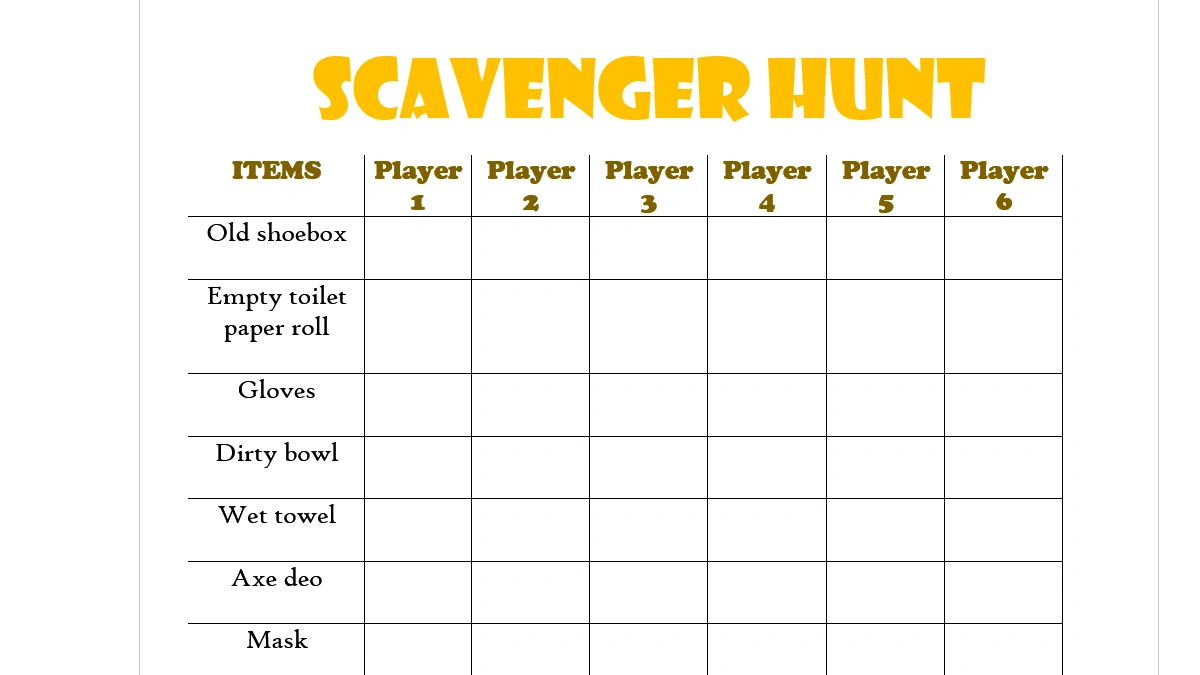
For example, an online clothing brand might hide five pumpkin icons across different autumn apparel listings during a Halloween promotion. To enter a major scavenger hunt giveaway, customers must find all five icons and submit the corresponding product URLs through a submission form.
2. Social Media and Cross-Platform Activations
A social media scavenger hunt allows you to drive cross-platform engagement across Instagram, TikTok, X, and YouTube. You can publish daily riddle clues on Instagram Stories that lead users to inspect specific posts, YouTube video timestamps, or pinned blog articles.
This multi-touchpoint approach keeps your audience engaged over several days while cross-pollinating your follower bases across different social networks.
3. Hybrid and Local Business Promotions
Brick-and-mortar businesses can blend physical foot traffic with digital engagement. Retail stores, restaurants, and local events can hide QR codes around physical venues or throughout a city. Scanning each code unlocks the next hint or registers points toward a scavenger hunt contest.
Deep Dive: Crafting Interactive Quests for Different Verticals
To maximize the impact of your scavenger hunt promotion ideas, tailor the quest format to match your industry vertical. Different business models require specific campaign mechanics to achieve optimal conversion.
Software and SaaS Platforms
SaaS platforms can use digital hunts during product onboarding or new feature rollouts. By hiding puzzle clues inside specific dashboard menus, tool settings, or reporting tabs, you encourage users to explore underutilized features. This interactive onboarding increases feature adoption rates and reduces user churn.
Content Publishers and Media Outlets
Media websites can boost ad impressions and pageviews by creating article-based treasure trails. Readers follow historical trivia or news clues from one archived article to another to piece together a secret code word. This setup dramatically increases session duration and internal link exploration.
Real-World Scavenger Hunt Examples and Case Studies
Examining real-world scavenger hunt examples demonstrates how top global brands utilize interactive quests to generate massive public engagement.
M&M’s “Find Red” Campaign
M&M’s launched a wildly successful digital scavenger hunt marketing push using Google Street View. Players searched through the streets of Toronto to locate the hidden “Red” candy character. The campaign generated millions of impressions, high social media engagement, and dramatically extended average brand exposure time.
Jimmy Choo’s “Catch a Choo” Campaign
Luxury fashion brand Jimmy Choo used real-time location posts to host a physical treasure hunt across London. The brand dropped clues about a hidden pair of sneakers, encouraging followers to reach the venue first to win the shoes. The result was massive real-time brand buzz and widespread media coverage.
Step-by-Step Strategy: Designing Your Scavenger Hunt
Creating a successful marketing activation requires clear objectives, seamless mechanics, and alluring prize structures. Follow this step-by-step roadmap to plan your campaign.
Step 1: Define Your Strategic Objectives
Before designing clues, establish clear key performance indicators (KPIs). Determine what primary goal your campaign serves:
| Campaign Goal | Primary Metric | Recommended Mechanism |
| Catalog Exploration | Pageviews and Time on Site | On-site hidden icon search |
| Social Audience Growth | Follower Count and Shares | Cross-platform riddle trail |
| Lead Generation | Email Opt-ins and Form Submissions | Gated contest entry form |
| Store Foot Traffic | In-Store QR Code Scans | Location-based QR code route |
Step 2: Develop Compelling Clues and Rules
Keep your scavenger hunt ideas accessible yet challenging enough to feel rewarding. If clues are too difficult, participants give up. Conversely, if they are too easy, the game loses its novelty.
Use rhyming riddles, anagrams, or visual spot-the-difference puzzles. Ensure your terms and conditions are completely clear, outlining start dates, eligible regions, and entry guidelines.
Step 3: Select an Attractive Prize Structure
A high-value reward is critical for driving initial participation. Structure your incentives to appeal to different player motivations:
-
Grand Prize: A high-ticket item or exclusive experience to generate excitement and high sign-up volumes.
-
Guaranteed Instant Rewards: Instant discount codes or digital freebies for every player who completes the hunt.
-
Tiered Rewards: Bonus entries for players who refer friends or share the campaign on social media.
Technical Setup Optimization and Promotion
To maximize campaign reach and ensure smooth technical execution, optimize your digital infrastructure before launch.
-
Mobile-First Design: Over 70 percent of participants will access your campaign on mobile devices. Ensure all landing pages, clues, and entry forms are fully responsive.
-
Robust Web Hosting: Anticipate spikes in web traffic when clues drop. Verify that your servers can handle sudden concurrent user surges.
-
Multi-Channel Promotion: Announce your campaign across email newsletters, push notifications, targeted paid ads, and social teasers well ahead of launch day.
Conclusion
Innovative scavenger hunt promotion ideas offer a dynamic, highly effective way to cut through digital noise, capture customer attention, and drive measurable marketing results. By blending clever puzzle design with valuable incentives, you can transform routine promotions into thrilling brand adventures.
Start planning your next interactive campaign today. For more engaging family activities, brain teasers, and creative puzzle guides to keep your audience entertained, make sure to visit riddlepuzzle.com.
Frequently Asked Questions
What is the best duration for a social media scavenger hunt?
Most successful campaigns run between 3 and 7 days. This duration builds sustained momentum and daily engagement without causing audience fatigue.
How do I measure ROI on a scavenger hunt promotion?
Track metrics such as total opt-in leads, conversion rates on reward discount codes, website pageviews per session, and campaign-specific hashtag reach.
Do I need specialized software to run an online scavenger hunt?
No. While specialized gamification platforms exist, you can easily host a hunt using standard CMS tools, pop-up builders, Google Forms, and social media channels.
How do I keep players motivated if they do not win the grand prize?
Offering guaranteed instant rewards, such as a 10 percent discount code or exclusive digital content, ensures that every single participant feels valued and rewarded for their time.