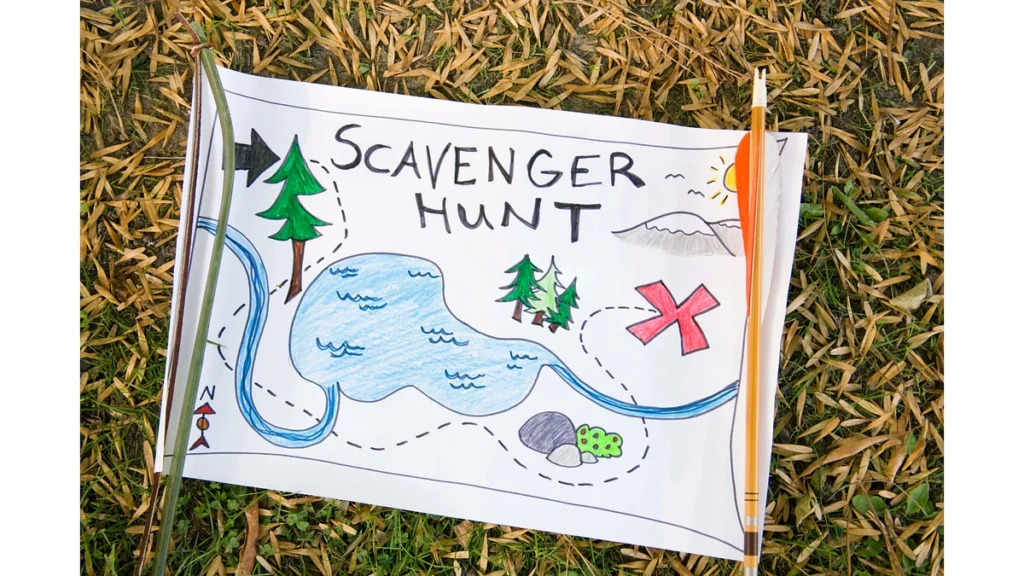
Organizing an engaging, screen-free activity for children can sometimes feel like a challenging task. However, planning an interactive adventure at home is one of the most effective ways to keep young minds active and entertained. Learning how to set up a custom scavenger hunt for kids allows you to transform an ordinary day into an exciting quest filled with discovery. Whether you are hosting a birthday party, managing a rainy afternoon indoors, or exploring the backyard on a sunny weekend, a well-planned hunt offers endless entertainment.
Fortunately, creating a memorable experience does not require expensive materials or complex party planning skills. With a few simple supplies, everyday household items, and a clear hiding route, you can design a high-quality game from scratch. Therefore, this comprehensive guide will walk you through the entire setup process. We will cover creative list building, clue writing strategies, location mapping, and simple tips to ensure your project is a complete success.
The Ultimate Appeal of Home Scavenger Hunts for Children
Children naturally possess an abundance of curiosity and energy. A physical search game taps directly into that natural enthusiasm, giving them a constructive outlet for their problem-solving instincts. Instead of passively staring at screens, children actively explore their environment, analyze clues, and work together to reach a final goal.
Furthermore, exploring kids scavenger hunt ideas delivers exceptional educational benefits alongside the physical fun. For example, young children practice early reading skills, color recognition, and spatial awareness as they decode hints. Meanwhile, older kids strengthen critical thinking, teamwork, and deductive reasoning skills. As a result, this simple activity successfully blends physical play with cognitive development.
Choosing the Perfect Theme and Location
Before writing your clues or printing item checklists, you must determine where the activity will take place. Selecting a strong theme and defining clear boundaries ensures that the game remains safe, organized, and fun.
Indoor Adventure Ideas
When bad weather strikes, an indoor scavenger hunt kids setup is an ideal solution to keep boredom at bay. You can utilize everyday living spaces, hiding clues near familiar household furniture and appliances.
-
Pantry and Kitchen Quest: Hide clues near safe food containers, wooden spoons, or colorful refrigerator magnets.
-
Living Room Challenge: Tuck cards beneath sofa cushions, behind throw pillows, or inside favorite storybooks on the bookshelf.
-
Bedroom Discovery: Place hints inside shoe boxes, under clean blankets, or tied to lamp bases.
Backyard Exploration Themes
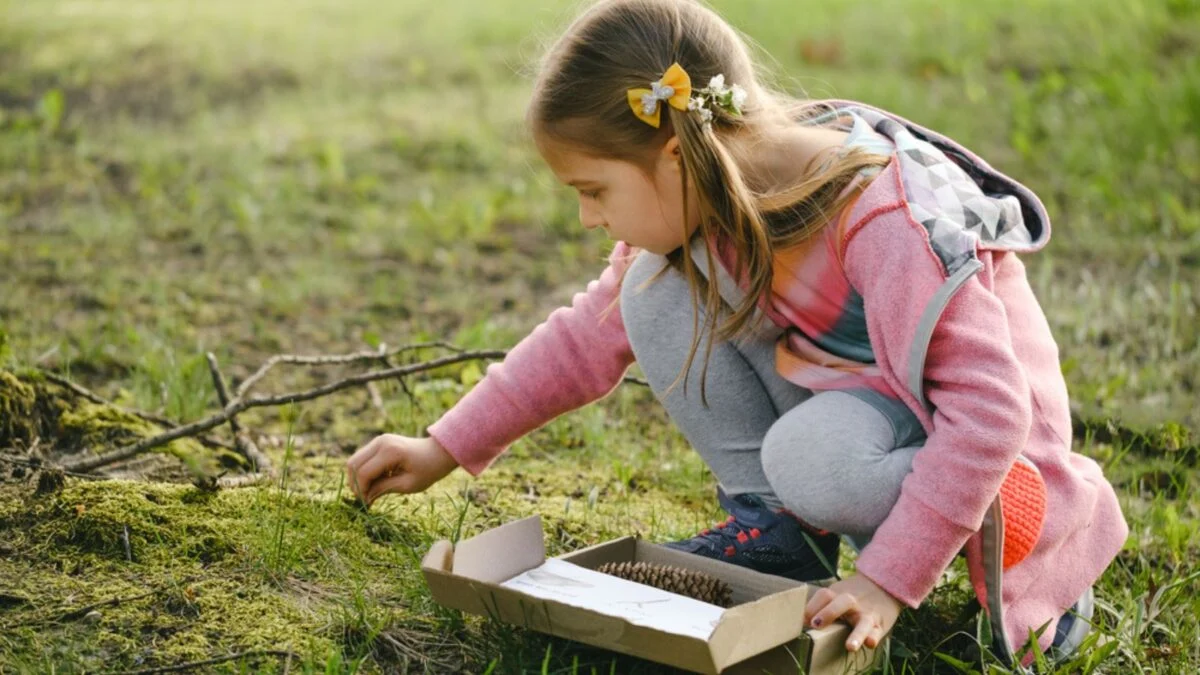
If you have access to an outdoor area, a backyard scavenger hunt encourages children to connect with nature while running off excess energy. Outdoors, kids can search for specific natural textures, colors, and items.
-
Nature Explorer: Instruct kids to locate specific items like smooth river rocks, pinecones, oak leaves, or dry twigs.
-
Bug and Wildlife Patrol: Search for safe insect habitats, bird nests high in trees, or spider webs in garden corners.
-
Color Matching Hunt: Give children colorful paper cups and ask them to find matching natural objects from around the yard.
Crafting an Engaging Checklist or Clue Route
Depending on the age of your players, you can choose between two main game formats: an item checklist or a sequential clue trail. Both styles offer fantastic fun, but they serve different age groups and skill levels.
Building a Visual Item Checklist
For younger children, creating a simple scavenger hunt list for kids is the most effective approach. Instead of complex riddles, provide a printed paper sheet filled with pictures or short words describing objects they must locate.
| Age Group | Recommended Game Format | Typical Item Count | Average Play Time | Primary Learning Focus |
| Toddlers (Ages 2–4) | Visual Picture Checklist | 5 to 8 simple items | 10 to 15 minutes | Color and shape recognition |
| Early Elementary (Ages 5–7) | Text & Image Checklist | 10 to 12 household items | 15 to 25 minutes | Word reading and counting |
| Upper Elementary (Ages 8–10) | Sequential Riddle Cards | 8 to 10 rhyming clues | 25 to 35 minutes | Problem solving and logic |
| Tweens (Ages 11+) | Code & Cipher Trails | 10 to 12 hidden puzzles | 35 to 45 minutes | Deductive reasoning and teamwork |
Writing Clever Rhyming Clues
For older children who love a challenge, writing scavenger hunt clues for kids adds an extra layer of mystery. Simple rhyming couplets keep the game fast-paced and fun.
For example, if the next location is the refrigerator, you can write: “I keep your food cold and stay lit inside, open my door to see where cold treats hide.” Similarly, if the next hint is near a shoe rack, try: “You wear us on feet when you step out the door, look for this hint resting down on the floor.”
Step-by-Step Guide: Setting Up Your Game
Once your list or clues are written, follow these structured steps to ensure your game runs smoothly without any confusion on game day.
Step 1: Map Out Your Sequential Route
Start by listing all your hiding locations in order. Make sure the path alternates between different rooms or areas of the yard. This prevents children from gathering in one spot for too long and keeps the movement dynamic.
If you are setting up a card-based hunt, number each envelope clearly on the outside. This helps you track which card goes to which location during your pre-game setup.
Step 2: Hide the Physical Cards or Items
Take your master location list and hide the cards one by one. Always work backward from the final prize location to the starting point. Place the final treasure card in its spot first, then place the clue that leads to it, working back to card number one.
Make sure your hiding spots match the difficulty level suitable for your players. For instance, leave cards in plain sight for toddlers, but hide cards under objects or behind furniture for older children.
Step 3: Prepare Printable Game Sheets
If you are running a checklist game, print enough copies for every participating child. Using a printable scavenger hunt kids sheet gives every player their own board to mark off as they discover items.
Provide clipboards and crayons or markers so kids can easily check off items while walking around. This simple physical detail makes children feel like official explorers on an important mission.
Special Modifications for Birthday Celebrations
A birthday scavenger hunt is one of the most popular party activities because it keeps large groups of children organized and entertained simultaneously. However, party hunts require a few specific modifications to manage group dynamics successfully.
Managing Team Dynamics
When hosting a large group of party guests, divide the children into small teams of three to four players. Assign an adult helper or older sibling to each team to act as a guide.
To prevent teams from stumbling over each other, create two separate clue routes that run in opposite directions. Team A starts at clue one and works forward, while Team B starts at clue ten and works backward. Consequently, both teams enjoy their own independent moments of discovery.
Preparing an Easy, Fast-Paced Setup
If you are short on time, opt for an easy scavenger hunt kids setup that requires minimal prep work. Use color-coded sticky notes instead of written cards.
Assign each child a specific color. Hide 10 sticky notes of each color around the main living space. Children must hunt around the room to find only their assigned color notes, making the game instantly fast, visual, and fair for everyone.
Creative DIY Ideas for Final Treasure Rewards
The end of the search should always feel celebratory and rewarding. You do not need expensive toys to make the final reveal exciting. In fact, simple kids treasure hunt ideas often yield the biggest smiles.
-
The Classic Treasure Chest: Fill a small plastic or cardboard box with shiny foil-wrapped chocolate coins, party favors, or small craft supplies.
-
The Birthday Cake Reveal: Make the final clue lead directly to the kitchen table, where the hidden birthday cake or party cupcakes are waiting.
-
Activity Station Unlock: Have the final clue lead to a new activity station, such as an outdoor water balloon cache or a craft setup.
Technical Setup Optimization and Safety Checklist
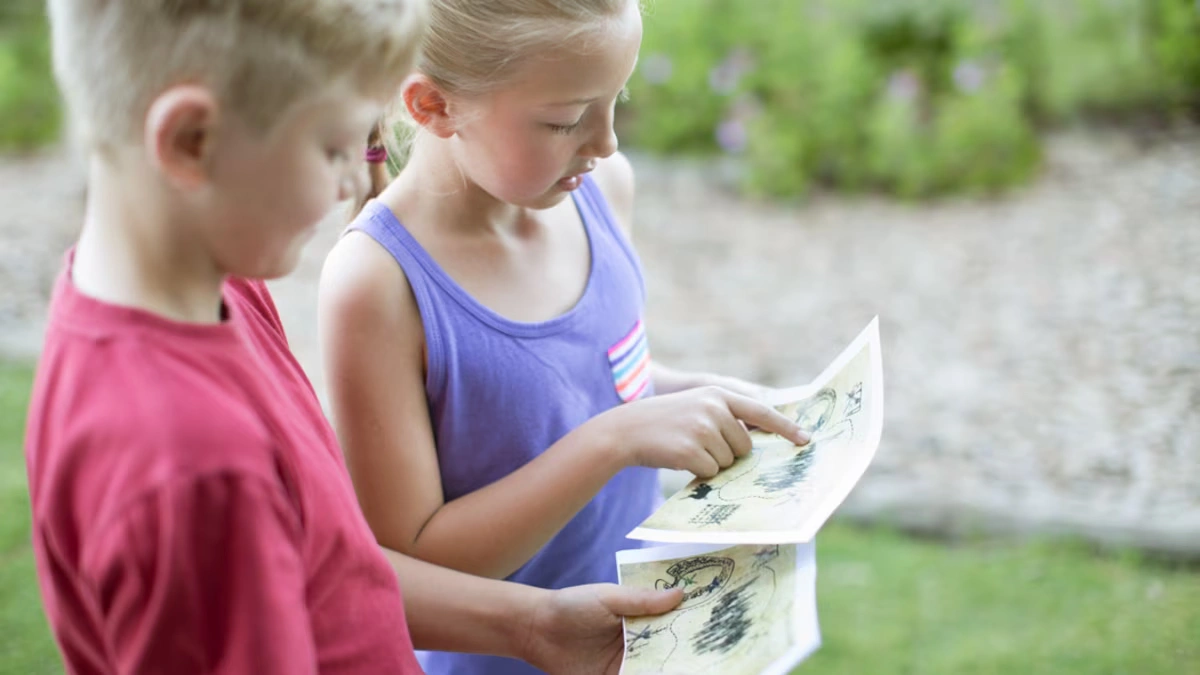
Before letting the kids loose on their adventure, take a few minutes to review your game area for safety and clarity:
-
Boundary Limits: Explicitly tell children which rooms or outdoor areas are off-limits before starting the game.
-
Safety Hazards: Ensure that hiding spots are away from hot appliances, sharp tools, electrical outlets, or unstable furniture.
-
Master Key Sheet: Keep a master list of all hiding spots and clue answers in your pocket so you can provide helpful hints if players get stuck.
Conclusion
Designing a custom search adventure is an exceptionally rewarding way to bring joy, learning, and active play into your home. From simple visual checklists for toddlers to intricate rhyming riddles for older children, every step of the planning process allows you to craft a memorable experience for your family.
Gather your supplies, pick your hiding spots, and set up an exciting adventure for your children today. For more engaging family activities, brain teasers, and creative puzzle guides to keep young minds active, make sure to visit riddlepuzzle.
Frequently Asked Questions
What is the ideal duration for a children’s scavenger hunt?
Based on available data, a search game works best when it lasts between 15 and 30 minutes. This time frame keeps young children fully engaged without exceeding their attention spans or causing frustration.
How do I prevent kids from finding clues out of order?
The easiest method is to give the starting card directly to the players, while placing subsequent cards inside numbered envelopes. Remind players clearly before the game starts that they can only open the envelope that matches their current clue number.
What should I do if some children read faster than others?
When working with mixed age groups, pair an older child with a younger child as a buddy team. The older child can read the riddles aloud, while the younger child searches the room to physically locate the hidden card.
Can I create a hunt for toddlers who cannot read yet?
Yes, absolutely. For pre-readers, use picture-based checklists or color-matching games. You can print out pictures of familiar objects (like a teddy bear, a shoe, or a book) so toddlers can match the picture to the physical item.