Hosting a memorable game night with friends and family requires a touch of unique creativity. Traditional board games and trivia decks are always reliable options. However, introducing a personalized activity can completely elevate the evening. For example, one of the best ways to surprise your guests is to learn how to make your own crossword puzzle customized to your specific group. Consequently, it acts as an incredible conversation starter, a walking trip down memory lane, and an engaging mental challenge all wrapped into one creative package.
Fortunately, designing a custom game sheet does not require complex computer software or a degree in graphic design. With a clear plan, a few simple materials, and your favorite shared memories, you can build a professional-grade game piece entirely from scratch. Therefore, this comprehensive guide will walk you through the entire design process. We will offer step-by-step instructions, creative layout themes, and practical tips to ensure your homemade project is the absolute highlight of your next gathering.
The Ultimate Appeal of Custom Word Games for Gatherings
Standard word puzzles test general knowledge, but a personalized version taps into something far deeper. Specifically, it highlights shared history, inside jokes, and personal milestones. When you create a crossword puzzle for a specific group of people, you are transforming a solitary brain exercise into a deeply collaborative, joyful social activity.
Furthermore, a diy crossword puzzle brings people together across different generations. This is especially true for family reunions, holiday parties, or standard weekend getaways. As a result, grandparents and children can work side-by-side. They can share stories while they figure out the answers to clues about family history or funny household occurrences. Ultimately, it serves as a beautiful icebreaker that sparks laughter, reminiscing, and friendly competition long after the final squares are filled in.
Brainstorming Themes and Crafting Your Word List
The foundation of any great puzzle is a strong, cohesive theme. Before you begin drawing grid lines or placing black squares, you need to establish the overarching topic. Then, you must build a robust list of words and clues.
Selecting the Perfect Event Theme
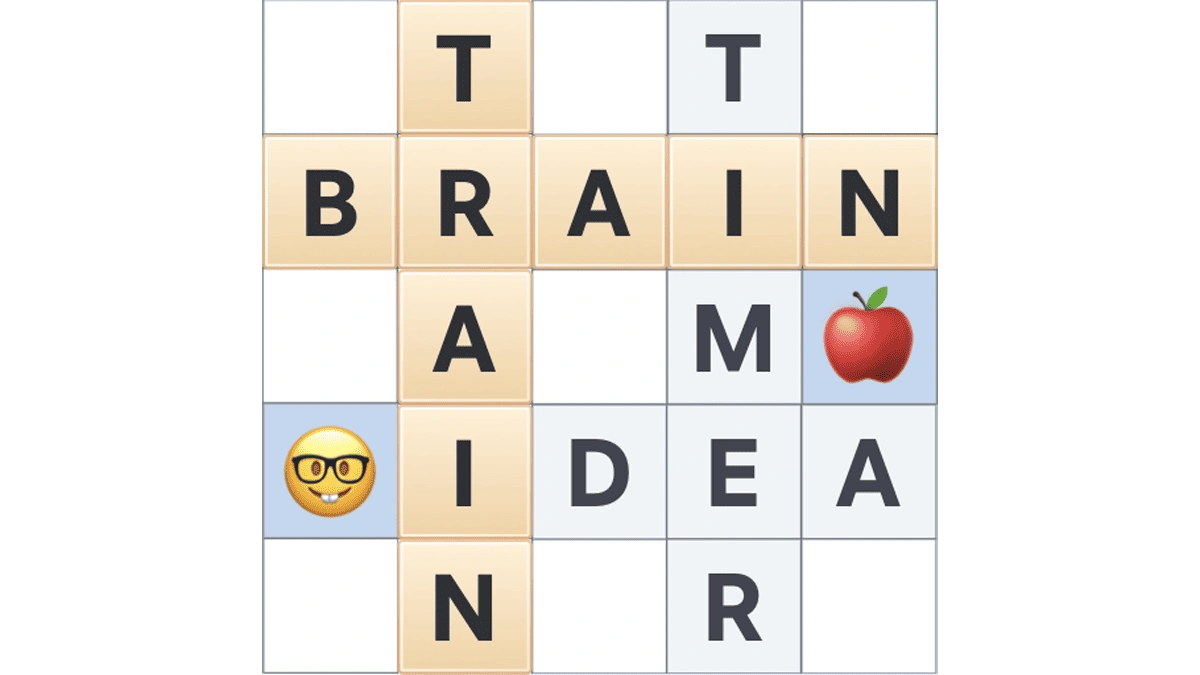
Your theme should reflect the specific occasion or the shared interests of your players. If you need some initial inspiration, consider these highly engaging diy crossword ideas for your next event:
-
Family History Milestones: Focus on the names of ancestral towns, favorite vacation spots, maiden names, names of family pets, or memorable holiday mishaps.
-
The Birthday Celebrant: Center all the answers around the guest of honor, including their favorite foods, first job, childhood hobbies, middle name, or favorite musical artists.
-
Couples Trivia for Anniversaries: Build clues around how the couple met, their wedding venue, their honeymoon destination, or their funny habits.
-
Pop Culture and Fandoms: For a themed game night, dedicate the entire grid to a specific universe, like classic sitcoms, fantasy book series, or local sports trivia.
Building Your Core Vocabulary Pool
Once you have chosen your theme, write down twenty to thirty potential answer words. Keep these words relatively short, ideally between three and ten letters. This is important because extremely long words are incredibly difficult to weave into a compact grid.
Next, write down the corresponding clue for each word. Make sure the clues vary in difficulty. For instance, some should be completely obvious to everyone in the room. Meanwhile, others should require a bit of deep thought or collaboration. For example, a clue could be a straightforward fill-in-the-blank or a cryptic description of a funny event that happened years ago.
Step-by-Step Guide: How to Build Your Grid Layout
Once your word list is finalized, it is time to assemble the physical grid. This is the exact moment where your project transforms from a simple list of words into a genuine, functional game piece.
Step 1: Arrange the Interlocking Letters
Start by selecting your longest word to serve as the central anchor of the layout. Write this word horizontally across the middle of a sheet of graph paper.
Next, look at your remaining words and find letters that intersect with your anchor word. Write these intersecting words vertically through the shared letters. Continue this process, weaving words horizontally and vertically, building outward from the center. However, if you find yourself stuck with an isolated word that will not link up, try using an online custom crossword maker tool to assist you with the complex spatial geometry.
Step 2: Solidify the Grid Boundaries
Once all your chosen words are successfully linked together on your graph paper, outline the active letter squares using a dark pen or marker. Fill in all the surrounding empty squares with solid black ink or a dark decorative color pattern.
Naturally, this process creates the classic look that players expect when they sit down to solve a word challenge. Make sure that every single word is cleanly separated by at least one blank or black square. Otherwise, the answers might run together into confusing gibberish.
Step 3: Number the Active Squares
Starting at the top-left corner of your layout, look at each square that begins a horizontal or vertical word. Label these starting squares with small, clear numbers in their top-left corners.
Work your way across the grid from left to right, line by line, numbering each starting square sequentially. Finally, separate your written clues into two distinct lists labeled ACROSS and DOWN. Make sure they match the numbers on the grid exactly to complete your homemade crossword blueprint.
Game Night Puzzle Format Comparison
To help you decide which physical style fits your upcoming party dynamics, we have created an analytical comparison of common build formats.
| Project Format | Primary Materials Needed | Ideal Group Size | Production Difficulty | Best Setting |
| Giant Poster Board | Foam core board, thick markers | 5 to 12 players | Intermediate | Collaborative living room play |
| Printable Handouts | Standard printer paper, pencils | 10 to 50 players | Very Easy | Large banquets or weddings |
| Wooden Craft Block | Small wooden blocks, backing board | 2 to 4 players | Advanced | Intimate, repeatable coffee table play |
| Magnetic Whiteboard | Dry erase markers, magnetic grid strips | 3 to 8 players | Easy | Casual, interactive kitchen parties |
Creative Crafting Ideas to Elevate Your Presentation
If you want to take your homemade crossword to the next level, move away from basic digital screens. Instead, build a crossword piece that doubles as a beautiful party decoration.
The Giant Collaborative Poster Board
Instead of handing out individual sheets of paper, create a single, massive game sheet that everyone can work on together simultaneously. First, purchase a large piece of sturdy white foam core or presentation board from a local craft store.
Next, carefully draw your grid onto the board using a thick black permanent marker. Prop the giant board up on an easel in the center of the room. Finally, provide colorful dry-erase markers or sticky notes for guests to write in their answers as they debate the clues together. As a result, this format turns your custom layout into a vibrant centerpiece.
The Rustic Wooden Block Craft
For a truly premium, long-lasting gift version, you can execute an elegant crossword craft idea. To start, purchase small, square wooden craft tiles. Paint a single letter onto each tile using acrylic paint or a fine paint pen.
After that, mount a beautifully stained piece of plywood on the wall. Attach small strips of hook-and-loop fastener or magnets to both the board and the backs of the wooden letter tiles. This allows players to physically snap the letters into place on the wall board. Consequently, it creates an incredibly satisfying, tactile gaming experience for a premium crossword puzzle diy installation.
Designing a Fun Activity for Younger Players
Word games are not just for adults; you can easily modify this layout to make a crossword for kids. When designing for children, keep the vocabulary incredibly simple. For instance, focus primarily on sight words, animal names, or school subjects.
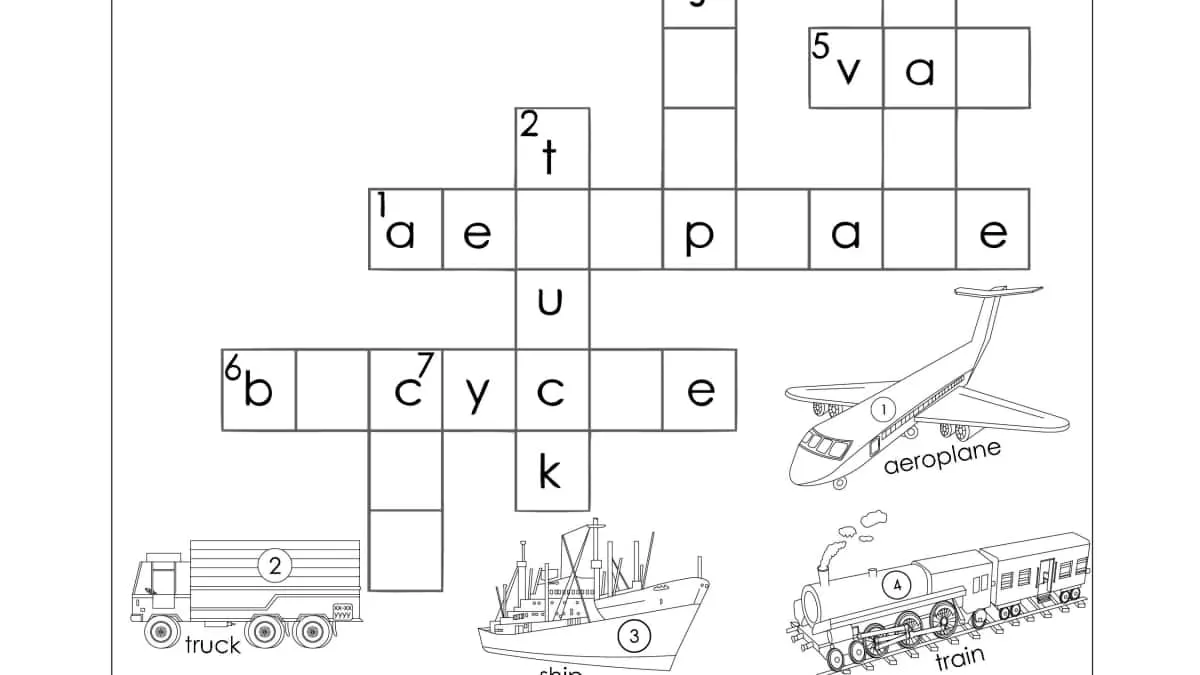
Instead of traditional written clues, use colorful drawings, icons, or stickers placed along the margins of the sheet. For example, a small picture of an apple next to the number one tells the child exactly what word needs to be spelled out in the corresponding grid squares.
Technical Layout Optimization and Readability
When you design a printable diy crossword, maintaining high graphic clarity is vital for a frustrating-free solving experience. Therefore, ensure that your square sizes are large enough to accommodate messy handwriting. This is especially important if older guests or young children are participating.
A good rule of thumb is to make each individual letter square at least half an inch wide on a standard printed sheet. Additionally, double-check your spelling multiple times before finalizing the print run. A single misspelled word can throw off an entire intersecting chain, making the puzzle completely impossible to solve for your guests.
Conclusion
Learning how to manually map and format your own vocabulary grids is an exceptionally rewarding creative project that adds immense personal value to any social gathering. From the initial brainstorming of inside jokes to the final satisfying placement of the black grid blocks, every step allows you to craft a completely unique experience for your favorite people. Thus, it transforms a traditional pencil-and-paper task into a vibrant showcase of shared memories and collective laughter.
In short, gather your favorite memories, map out your intersecting letters, and print out a custom challenge for your next event. For more incredible brain teasers, interactive word games, and engaging puzzle craft ideas to keep your mind active and entertained, make sure to visit riddlepuzzle.
Frequently Asked Questions
What is the easiest way to align the grid lines by hand?
The simplest manual method is to always use standard blue-lined graph paper or dot-grid journal paper for your initial drafting phases. The pre-printed lines ensure that all your squares remain perfectly uniform in size and shape. Consequently, this prevents your rows from slanting diagonally across the page as you build outward.
Can I include phrases with spaces in my crossword grid?
Yes, you can absolutely use multi-word phrases as answers, but you must omit the spaces entirely within the grid structure itself. For example, if the answer to a clue is GRANDMA SMITH, it should be entered into the grid as a continuous eleven-letter block without any empty spaces between the words.
How many words should a casual game night puzzle contain?
Based on available data, a casual party puzzle works best when it contains between fifteen and twenty-five words. A grid of this size provides a satisfying fifteen-to-twenty-minute challenge without becoming overwhelming or taking up the entire evening schedule.
How do I fix an isolated word that will not connect to the grid?
If you have a crucial thematic word that refuses to link up with your main grid structure, try browsing your vocabulary list for synonyms or alternative spellings that contain more common vowels. Alternatively, you can introduce a new filler word into the layout specifically to act as a structural bridge between the two isolated sections.