Helping children discover the magic of language can be an incredibly joyful journey. As a result, one of the absolute best ways to build a strong foundation for reading and writing is through phonics and wordplay. If you want to boost your child’s literacy skills while keeping them thoroughly entertained, diving into a world of rhyming words for kids is the perfect solution.
Consequently, matching similar sounds helps children recognize patterns in speech, which translates directly into better reading comprehension later on. In this comprehensive guide, we have put together the ultimate resource for parents and teachers, including a diverse rhyming words list, engaging classroom ideas, and simple activities that make learning feel completely like play.
Why Words That Rhyme Are Essential for Child Development
Phonological awareness is the ability to recognize and work with sounds in spoken language. Therefore, introducing easy rhyming words early in a child’s education lays the groundwork for successful spelling, fluent reading, and creative writing.
Building Core Reading and Phonics Skills
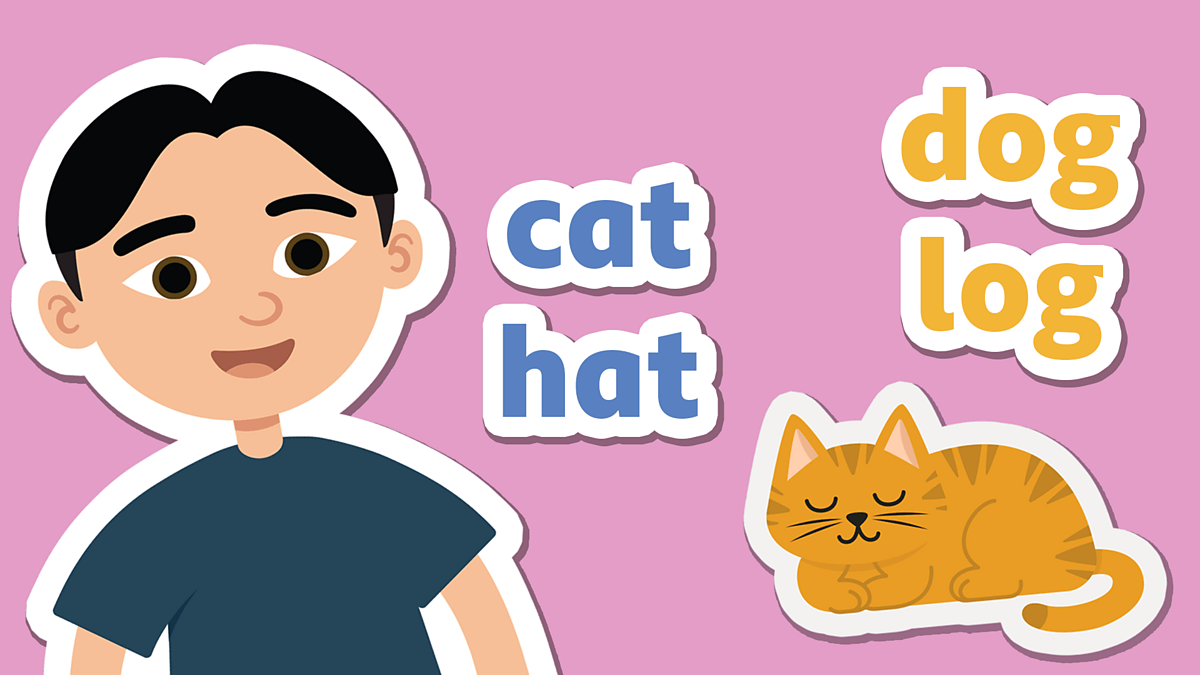
When children learn rhyming words for kindergarten, they are learning to break words down into smaller sound units. For example, recognizing that cat, hat, and mat all share the same ending sound allows them to decode new words much faster. Instead of sounding out every letter individually, their brains recognize the familiar pattern. Furthermore, this cognitive shortcut significantly speeds up their reading fluency over time. Pairing rhyme recognition with articulation practice works especially well, our guide on tongue twisters for kids is a great next step for building on these phonics skills. This is supported by research from the International Literacy Association, which identifies phonological awareness, including rhyme recognition, as one of the strongest early predictors of reading success.
Enhancing Auditory Memory and Focu
To successfully match rhymes, a child must listen intently to the subtle differences in vowel and consonant sounds. Participating in a quick rhyming word games challenge trains the brain to retain spoken information. In addition, it improves short-term auditory memory. This focused listening skill is incredibly helpful for following directions in the classroom and focusing during storytime.
Cultivating a Love for Creative Language
Rhymes are inherently rhythmic, musical, and fun. From traditional nursery rhymes to modern children’s stories, regular exposure to rhythmic text makes language memorable. Similarly, using rhyming words for preschoolers encourages little ones to play with speech, make up their own silly poems, and look at vocabulary as a playground rather than a chore. If your child enjoys this playful side of language, our collection of animal jokes for kids offers another fun way to build wordplay and vocabulary.
The Ultimate Quick-Reference Rhyming Words List
When you are practicing speech patterns with your children, having a structured list of basic single-syllable word families is incredibly helpful. These rhyming words examples focus on short vowel sounds that are ideal for early learners.
The Short “A” Word Family
-
Cat: Hat, mat, rat, bat, sat, fat, flat, chat.
-
Can: Pan, man, ran, van, fan, plan, tan.
-
Cap: Map, tap, lap, nap, sap, trap, clap.
The Short “E” and “I” Word Families
-
Bed: Red, fed, led, wed, shed, sled.
-
Hen: Pen, ten, men, den, glen, then.
-
Pig: Big, dig, wig, fig, jig, twig.
-
Pin: Win, fin, tin, bin, chin, grin.
The Short “O” and “U” Word Families
-
Dog: Log, fog, jog, frog, hog, clog.
-
Hop: Mop, top, pop, shop, drop, stop.
-
Bug: Rug, mug, hug, jug, tug, plug.
-
Sun: Run, fun, bun, gun, spun.
Interactive Rhyming Games for Kids to Play at Home
You do not need fancy electronic gadgets or complicated lesson plans to teach phonics. On the contrary, you can easily turn your daily routine into a series of dynamic rhyming activities for kids using objects you already have around the house. For more screen-free activities that spark imagination in a similar way, check out our list of funny questions to ask kids for road trips and rainy afternoons.
Game 1: The Rhyme Scavenger Hunt
First, pick a simple target word, such as box. Next, challenge your children to run around the house and find a physical object that rhymes with it, like a toy fox or a pair of socks. This game pairs physical movement with auditory processing, making it an excellent energy burner for a rainy afternoon inside the house.
Game 2: The Silly Roll-a-Rhyme
Alternatively, you can sit in a circle and roll a soft ball back and forth across the floor. When you roll the ball to your child, say a basic word like cake. They must catch the ball, shout out a word that rhymes (like bake or lake), and then roll the ball back to you or a sibling. Be sure to keep the pace fast to make it exciting and build quick mental recall.
Game 3: Complete the Mystery Poem
Finally, try starting a simple, improvised two-line poem but leave the very last word blank. For example, say: “I saw a little fuzzy bee, sitting way up in the…” At this point, pause dramatically and let your child shout out the missing word (tree!). This builds contextual prediction skills that are vital for reading comprehension.
Structured Rhyming Activities for Kids Reference Guide
If you are a teacher designing a lesson plan or a parent looking to create a structured home study session, this handy table provides a quick reference for matching activities to developmental stages.
| The Target Group | Recommended Activity Type | The Core Educational Benefit |
| Preschoolers | Verbal nursery rhymes and singing games | Developing baseline auditory recognition |
| Kindergarteners | Object matching and sorting activities | Connecting physical sounds to visual concepts |
| First Graders | Filling out a written rhyming words worksheet | Transitioning from spoken rhymes to reading text |
| Advanced Learners | Creating original short poems and riddles | Encouraging independent creative writing |
Designing a Fun Rhyming Words Worksheet Experience
When children transition from speaking rhymes to writing them, using visual aids can solidify their understanding. However, if you are creating a simple practice sheet at home, make sure to focus on clarity, big fonts, and high-contrast layouts.
-
Draw a Line to the Match: Create two columns of words on a piece of paper. Place words like tree, star, and boat on the left, and bee, car, and coat on the right. Then, have your child draw colorful lines to connect the matching pairs.
-
Circle the Odd One Out: Write down a short sequence of three words, such as top, hop, cat. Afterward, ask your child to read the words out loud, identify which word does not belong in the sound family, and draw a big circle around it.
-
The Missing Letter Puzzle: Write out a rhyming sequence with the first letters missing, such as _at, _at, _at. Provide a small pile of letter blocks (like B, C, H) and let your child physically place the blocks down to discover how changing the initial sound creates an entirely new word.
Conclusion
Laughter, play, and learning go hand in hand, and few educational tools bridge that gap as beautifully as language games. By integrating a steady selection of rhyming words for kids into your daily routine, you are not just passing the time; you are actively expanding your child’s vocabulary, boosting their reading confidence, and cultivating a joyful environment filled with shared discovery.
Whether you are matching easy words in the kitchen, singing silly songs in the car, or practicing with a custom worksheet, these wholesome puzzles are guaranteed to entertain. For an even wider array of engaging riddles, interactive word games, brain teasers, and family challenges designed to keep everyone sharp, make sure to explore riddlepuzzle.com. Keep practicing your favorite sound families, embrace the silly mistakes, and enjoy watching your little readers grow step by step!
Frequently Asked Questions
What age should children start learning rhyming words for kids?
Based on available childhood literacy data, most children begin recognizing simple rhymes around the age of 3 or 4. Indeed, introducing rhythmic songs and nursery rhymes during toddlerhood helps prime their ears for more structured phonics lessons once they reach preschool.
Why do some children struggle to find words that rhyme?
It is very common for early learners to confuse words that look alike with words that sound alike. In addition, they often focus entirely on the beginning consonant rather than the ending sound. Fortunately, breaking the words down slowly out loud and emphasizing the vowel sound usually helps resolve this confusion.
How do rhyming word games benefit children with reading difficulties?
Importantly, games take the anxiety out of the learning process. For children who feel overwhelmed by printed text, practicing rhymes purely through spoken word builds their phonological awareness safely. Once they gain confidence with the audio sounds, transferring that knowledge to reading becomes much easier.