Key Takeaways
-
Boosts critical thinking with simple everyday items
-
Mixes hands-on crafts, visual games, and physical play
-
Enhances problem-solving skills without screen time
-
Adapts easily to different early childhood learning styles
Have you ever watched a five-year-old try to figure out a trick or a tricky game? Their little eyes light up, and you can practically see the gears turning in their heads.
Finding the right puzzles for 5 year olds can feel like a game itself, but keeping young minds active at home is easier than you think. Puzzles build confidence, sharpen spatial reasoning, and give you a few moments of peace while your child stays happily engaged.
Here is a quick look at how different puzzle types help young children grow:
| Puzzle Category | Primary Skill Developed | Ideal Play Setting |
| Visual & Pattern | Spatial awareness and visual memory | Quiet indoor table time |
| Word & Riddle | Language comprehension and vocabulary | Car rides or storytime |
| Physical & Tactile | Fine motor skills and hand-eye coordination | Playroom or backyard |
| Logic & Math | Problem-solving and numerical reasoning | Daily routine activities |
AI Overview
Looking for engaging puzzles for 5 year olds to play at home? This guide covers 30 hands-on puzzles for kids, including riddles, visual challenges, and logic games. These activities boost critical thinking, improve fine motor skills, and offer screen-free entertainment for active preschoolers.
Why Puzzles Matter for Preschoolers
At five years old, kids are transitioning from simple toddler toys to structured logic games. They love challenges that make them feel grown-up.
Solving a problem on their own gives preschoolers a massive rush of pride. It teaches them patience, focus, and how to handle minor frustration when things do not fit right away.
In most cases, playing with puzzles for preschoolers sets a strong foundation for early math and reading readiness.
Visual and Pattern Puzzles
Visual challenges help kids recognize shapes, spot differences, and understand how individual pieces create a whole image.
1. The Classic Jigsaw Puzzle
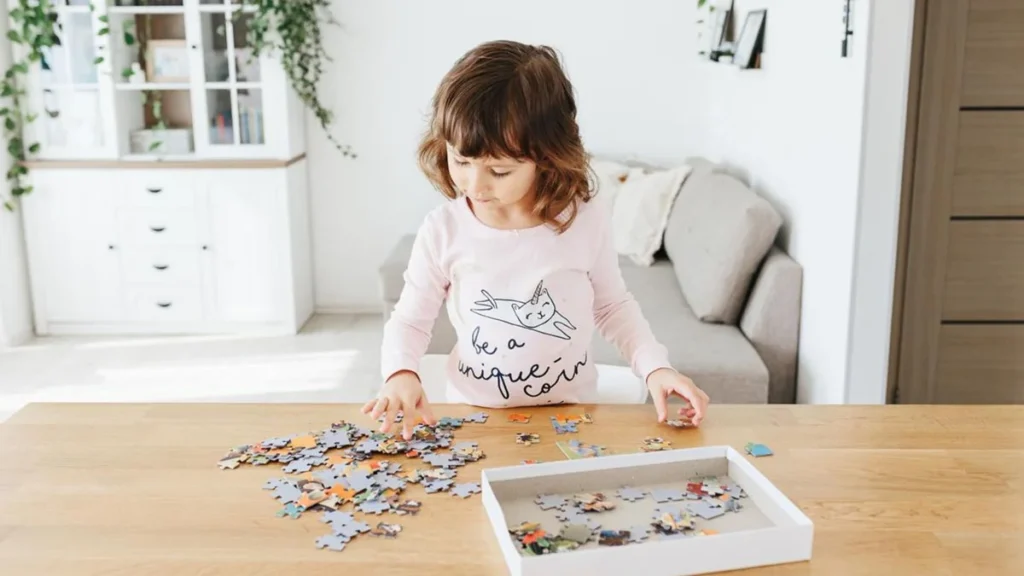
A 24 to 48-piece jigsaw puzzle is the gold standard for this age group. Bright colors and clear themes like dinosaurs or outer space work best.
2. Pattern Block Matching
Grab some wooden shape blocks and draw outlines on a piece of paper. Ask your child to match the blocks to the corresponding drawn shapes.
3. Missing Color Sequences
Line up colored plastic cups or beads in a specific pattern, like red-blue-red-blue. Leave one spot empty and ask them to fill in the missing color.
4. Shadow Matching Game
Draw the silhouettes of common household items on cardboard. Have your child place the real object on top of its matching dark outline.
5. Picture Scavenger Hunt Grid
Hide five small toys around the living room and hand your child a card with pictures of those items. They cross off each item as they spot it.
Word and Riddle Puzzles
Word-based kids brain games encourage listening skills, vocabulary growth, and lateral thinking through playful verbal clues.
6. Simple Object Riddles
“I am cold, sweet, and melt in the sun. What am I?” Short riddles keep young minds active and prompt immediate engagement.
7. What Doesn’t Belong?
Name four things like apple, banana, orange, and shoe. Ask your preschooler to point out which item does not belong in the group and explain why.
8. Rhyme Finder
Say a word like “cat” and ask your child to find three things in the room that rhyme with it, such as “hat” or “mat.”
9. I Spy with a Twist
Instead of using colors, use attributes. Say, “I spy something that holds water and has a handle,” to push their descriptive thinking.
10. Letter Tracing Maze
Draw a grid of letters on a sheet of paper and ask your child to follow a path of only the letter “A” to help a drawn bunny reach a carrot.
Tactile and Physical Puzzles
Hands-on puzzles for preschoolers build hand strength and gross motor control while training the brain to work through physical spatial challenges.
11. The Mystery Touch Box
Cut a hole in a cardboard box, place a household item inside, and let your child guess what it is using only their sense of touch.
12. Popsicle Stick Picture Solvers
Tape five ice pop sticks together, draw a picture across them, separate them, and let your child line up the sticks to fix the image.
13. Painter’s Tape Floor Maze
Use painter’s tape to create a path on your floor. Challenge your child to steer a toy car or roll a marble through the turns without stepping off the line.
14. Yarn Web Untangle
Weave yarn through the legs of dining chairs to form a web, then ask your child to step through without touching the strings.
15. Ice Block Treasure Excavation
Freeze small plastic toys inside a container of water. Hand your child a spray bottle of warm water and a spoon to melt their way to the prize.
16. Lego Pattern Copying
Build a small tower out of multi-colored bricks and challenge your child to build an exact duplicate matching every color and position.
17. Shape Matching Lock and Key
Write numbers on small padlocks and their matching keys. Your child has to solve the simple number match to find the key that opens each lock.
Logic and Math Puzzles
Logic-based kids brain games introduce early counting, sorting, and deduction through play rather than worksheets.
| Activity Name | Primary Focus | Materials Needed | Estimated Prep Time |
| Button Sorting | Categorization | Mixed buttons, small bowls | 1 minute |
| Grid Pathing | Spatial Direction | Graph paper, small toy | 2 minutes |
| Weight Balance | Basic Physics | Hanger, plastic cups | 5 minutes |
| Coin Count Trail | Early Math | Spare coins, paper | 3 minutes |
18. Button Categorization
Give your child a bowl of mixed buttons and ask them to sort them by size, color, or the number of holes.
19. Grid Navigation
Draw a simple five-by-five grid on paper. Place a toy dog in one corner and a bone in another, then draw arrows guiding the dog step-by-step to its treat.
20. DIY Hanger Balance Scale
Hang two plastic cups from a clothes hanger with string. Let your child experiment to figure out how many plastic bears equal the weight of one toy car.
21. Coin Path Trail
Lay down a path of pennies and nickels. Tell your child they can only step on the pennies to safely cross the “lava” living room floor.
22. Size Ordering Challenge
Gather five stuffed animals of varying heights and ask your child to line them up from shortest to tallest without your help.
Creative Problem-Solving Puzzles
These easy puzzles for kids merge artistic expression with brain-boosting challenges, keeping young learners focused and entertained.
23. Cut-Up Drawing Reassembly
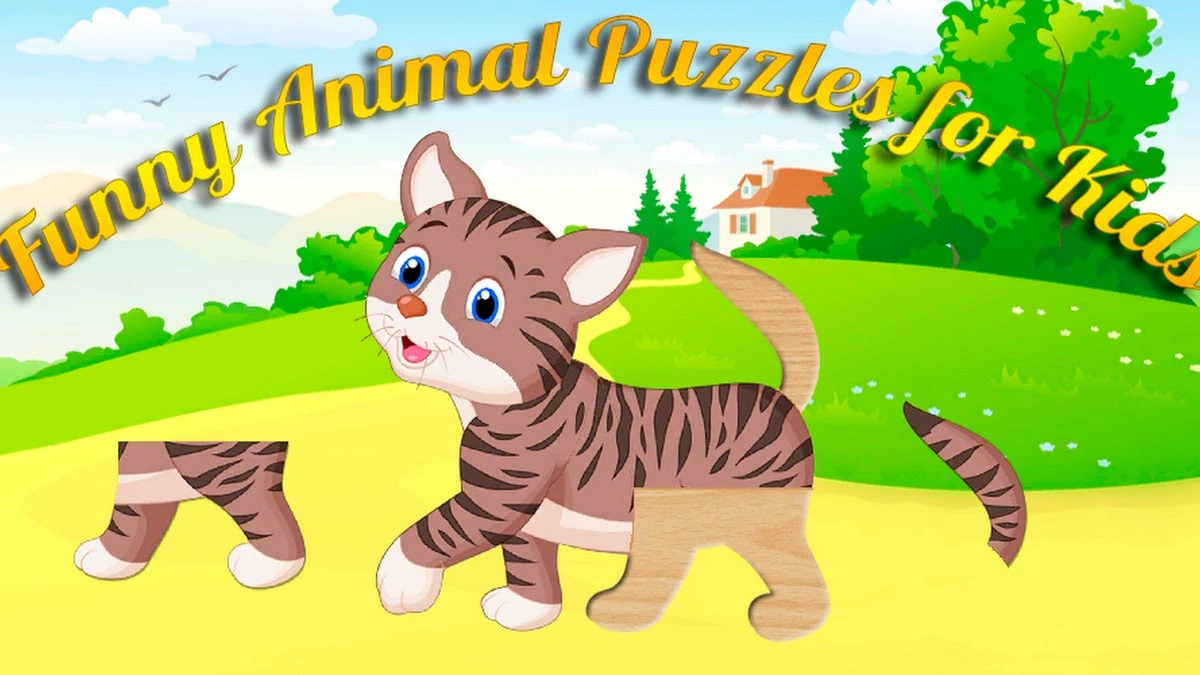
Have your child draw a colorful picture, cut it into six large pieces with safety scissors, and then assemble it back together like a puzzle.
24. Sticker Matrix Matching
Draw a simple chart with shapes along the top row and colors down the side. Have your child place the right colored shape sticker in the matching grid box.
25. Build a Bridge Challenge
Give your child ten craft sticks and some play dough, then challenge them to build a bridge strong enough to hold a small toy car.
26. Story Sequence Cards
Draw three simple pictures showing a seed, a sprout, and a flower. Ask your child to arrange them in the order the events happen.
27. Mirror Image Drawing
Draw half of a simple shape or smiley face on a piece of paper and ask your child to draw the matching missing half.
Quick & Easy No-Prep Brain Teasers
When you need a game on the fly, these quick easy puzzles for kids require zero setup time.
-
Two Truths and a Silly Fib: Say three simple statements about your day, including one silly lie, and let them guess which one is fake.
-
The Sound Mimic Game: Clap a simple rhythm with your hands and have your child repeat the pattern back to you.
-
Body Part Geometry: Ask your child to make shapes like triangles or circles using only their fingers or arms.
-
Category Tag: Call out a category like “things that are red” and have your child name three items before five seconds run out.
How to Choose the Right Puzzle for Your 5-Year-Old
Not all puzzles for 5 year olds offer the same difficulty level. Every child develops at their own pace, so it helps to observe how they approach a task.
If a game is too easy, they get bored; if it is too hard, they walk away. The goal is finding that sweet spot where they feel challenged but capable.
platforms like riddlepuzzle offer great inspiration for fresh riddles, spatial games, and age-appropriate brain teasers to keep home activities novel and exciting.
Conclusion
Engaging your child with creative puzzles for kids at home does not require expensive toys or complex lesson plans. Simple everyday items like painter’s tape, buttons, and paper strips can easily turn into challenging puzzles for preschoolers.
Trying out these activities builds confidence and sharpens young minds while keeping playtime fun and interactive. Pick a couple of these ideas today, adapt them to your child’s interests, and enjoy watching them figure out solutions all on their own.
Frequently Asked Questions
What type of puzzles are best for 5 year olds?
Floor jigsaws with 24 to 48 pieces, basic spatial pattern matching, simple riddles, and tactile sorting games are ideal for five-year-olds. They build fine motor control and early logic without causing frustration.
How long should a 5-year-old focus on a puzzle?
Generally, a five-year-old can focus on a single hands-on puzzle for about 10 to 15 minutes. If the activity is highly engaging or interactive, their attention span may extend longer naturally.
How do puzzles help early childhood development?
Puzzles strengthen spatial reasoning, hand-eye coordination, persistent problem-solving, and critical thinking. They also help preschoolers practice patience, memory retrieval, and basic categorization skills useful for school readiness.