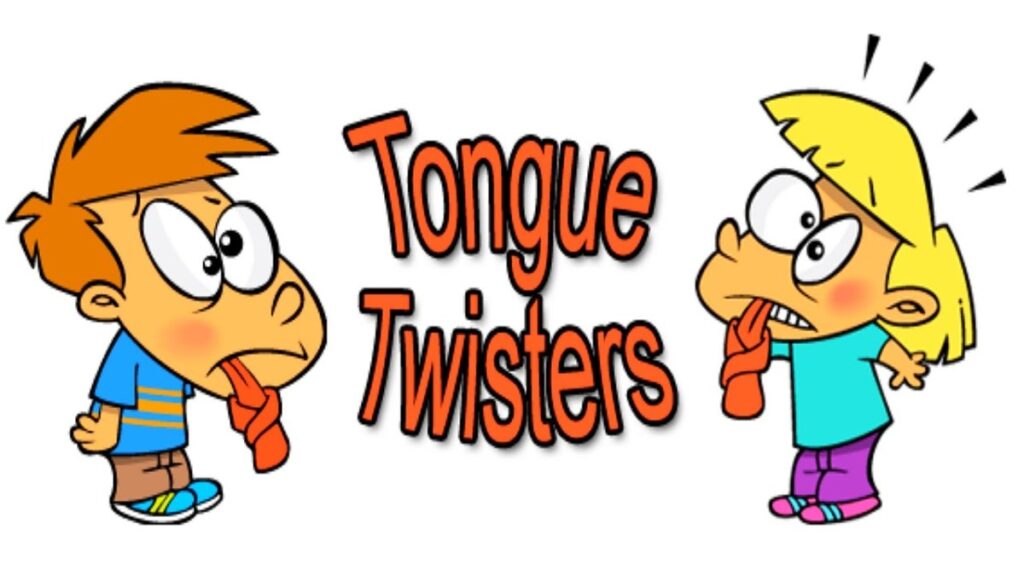
Getting children to engage with language can sometimes be a challenge, but there is one classic activity that never fails to spark instant laughter. If you are looking to challenge your family to a hilarious vocal showdown, a collection of tongue twisters for kids is the ultimate entertainment tool.
These word puzzles are fantastic because they turn speech practice into an interactive game. Instead of just reading a story quietly, children get to actively test their vocal agility. In this comprehensive guide, we have assembled the ultimate tongue twisters list featuring everything from classic phrases to silly new challenges, ensuring you always have a quick, screen-free activity ready to go.
Why Tongue Twisters Are Perfect for Children
Vocal games do much more than just cause a bad case of the giggles. Practicing funny tongue twisters regularly offers massive benefits for a child’s psychological, cognitive, and linguistic development. Once your kids master these vocal challenges, keep the brain-boosting momentum going with our collection of fun riddles for kids that build the same confidence in a different format.
Improving Articulation and Speech Skills
For younger children, particularly those in preschool or early elementary school, mastering clear speech requires significant muscle coordination in the mouth, tongue, and lips. Easy tongue twisters kids repeat often focus on specific alliterative sounds. By practicing these phrases, children learn exactly how to control their breath and accurately articulate tricky consonant sounds like “s,” “p,” and “ch.” This aligns with guidance from the American Speech-Language-Hearing Association, which notes that repetitive articulation exercises support healthy speech-sound development in young children.
Boosting Confidence and Reading Skills
Telling a story or speaking in public requires focus and confidence. By participating in a playful tongue twister challenge at home, children learn that making mistakes is completely normal and funny. When they mispronounce a word and laugh it off, they build the emotional resilience needed to tackle difficult reading assignments in the classroom without feeling discouraged.
Expanding Cognitive Focus
To successfully say a difficult phrase multiple times without slipping up, the brain must stay highly focused. Tongue twisters for children demand rapid switching between phonetic sounds, which sharpens auditory processing and strengthens short-term memory retention.
Easy Tongue Twisters Kids Can Master Quickly
When you are introducing younger children or kindergarten students to wordplay, it is best to start with short, accessible phrases. These short tongue twisters focus on repetitive, basic sounds that build foundational confidence.
Simple One-Liners
-
Red lorry, yellow lorry. Repeat this five times fast to test your R and L sounds.
-
Blue blueberry bush. A quick burst of B sounds that gets tricky very fast.
-
Sheep weep, sleep deep. Great for practicing long vowel sounds and simple rhymes.
-
Double bubble gum bubbles double. A delightful test for the lips and teeth.
-
Cat attack, black back cat. Short, sharp, and highly amusing for little ones.
Wholesome Character Twisters
-
Fred fed Ted bread, and Ted fed Fred bread. A fantastic workout for the F and T sounds.
-
Willy’s really weary. This simple phrase trips up even the most careful speakers.
-
Cooks cook cupcakes quickly. A crisp, clean test for the hard C sound.
-
Nine nice night snakes. An excellent way to practice nasal N sounds cleanly.
Silly Tongue Twisters for Maximum Giggles
If your children love completely ridiculous mental images, they will fall in love with these high-energy options. These silly tongue twisters pair absurd situations with complex alliteration to maximize the fun. For more pure silliness the whole family can enjoy, don’t miss our roundup of knock-knock jokes for kids.
-
Fuzzy Wuzzy was a bear. Fuzzy Wuzzy had no hair. Fuzzy Wuzzy wasn’t fuzzy, was he?
-
Six slippery snails slid slowly seaward. Watch out, this one usually results in a lot of accidental whistling!
-
A loyal warrior heading to a rural ruler. Combining the R and L sounds makes this an incredibly chaotic challenge.
-
Gobbling gorgons gobbled gobbling goblins. A heavy, hilarious workout for the back of the throat.
-
Friendly fleas flee frantically. A fun, fast-paced challenge that keeps everyone alert.
The Best Tongue Twisters of All Time
Some word puzzles have stood the test of time for a good reason. Here is a handy reference guide to the absolute heavyweights of the tongue twisters world, broken down by their core focus area. Looking for something with a bit more brainpower involved? Our collection of riddles for middle schoolers offers a great next step once these twisters get too easy.
| The Classic Phrase | Primary Sound Focus | The Ultimate Goal |
| Peter Piper picked a peck of pickled peppers. | The Letter P | Say the full four lines without pausing. |
| She sells sea shells by the sea shore. | The Letters S and Sh | Keep the two distinct sounds separate. |
| How much wood would a woodchuck chuck? | The Letter W and Ch | Maintain proper breath control through the rhyme. |
| Betty Botter bought some butter. | The Letter B and T | Keep the rapid-fire dental sounds perfectly clean. |
| I scream, you scream, we all scream for ice cream. | The Sc and Cr Blends | Avoid blending the separate word sounds together. |
Hard Tongue Twisters for a Real Family Challenge
Once the little ones have mastered the basic lists, it is time to ramp up the difficulty level. These hard tongue twisters are notoriously difficult and will likely trip up the adults in the room just as much as the kids!
-
Pad kid poured curd pulled cod. This phrase looks deceptively simple, but the rapid shifts in vowels make it one of the toughest challenges in the English language.
-
Sixth sick sheik’s sixth sheep’s sick. The sheer density of the “s” and “th” sounds makes this an absolute mountain to climb.
-
Which witch wished which wicked wish? Keeping the “wh” and “ch” sounds sharp requires massive mouth coordination.
-
Specific Pacific, Pacific specific. Switching back and forth between these two words rapidly is a recipe for instant laughter.
-
Black back bat, back black bat. A rhythmic nightmare that gets confusing by the third repetition.
How to Run the Ultimate Tongue Twister Challenge at Home
If you want to transform a rainy afternoon into a memorable family game night, you can easily turn your favorite tongue twisters list into a friendly competitive tournament.

Step 1: Establish the Speed Rules
Start everyone off at a slow, deliberate pace. The goal of the first round is perfect articulation rather than speed. Once a player can say the phrase cleanly, increase the tempo. Use a smartphone timer to see who can successfully repeat the phrase five times fast in the shortest amount of time.
Step 2: Use the Three-Strike System
Comedy thrives when there are light stakes. Give each participant three attempts to complete the phrase. If their tongue trips up or they dissolve into a fit of giggles, that counts as a strike. The player who makes it through the longest list of phrases with the fewest strikes wins the title of Ultimate Wordsmith.
Step 3: Keep the Energy Light
Remind the children that the entire point of the game is to mess up! The fun happens when our brains know what to say, but our mouths simply refuse to cooperate. Celebrate the mistakes just as much as the perfect deliveries to keep the atmosphere supportive and joyous.
Conclusion
Laughter and learning go hand in hand, and few activities bridge that gap as beautifully as traditional word games. By integrating a steady selection of tongue twisters for kids into your family playtime, you are not just passing the time; you are actively building your child’s vocabulary, boosting their speech clarity, and cultivating a lively home environment full of shared joy.
Whether you are practicing quick one-liners in the kitchen or testing your skills against the hardest phrases on a long road trip, these wholesome vocal puzzles are guaranteed to entertain. For an even wider array of engaging riddles, interactive word puzzles, brain teasers, and family challenges designed to keep everyone sharp, make sure to explore riddlepuzzle.com. Keep practicing your favorite setups, embrace the silly mistakes, and enjoy watching your little talkers build confidence one hilarious phrase at a time!
Frequently Asked Questions
What age group enjoys tongue twisters for kids the most?
Based on available childhood development data, children between the ages of 5 and 11 get the most value and enjoyment out of these activities. At this stage, their language skills are developed enough to recognize the structural patterns, making the physical challenge of speed reading highly engaging.
How do funny tongue twisters assist with speech therapy?
Speech professionals frequently use simple alliterative phrases to help children practice specific phonetic placements. Repeating targeted sounds helps strengthen the muscles of the tongue and lips, turning repetitive therapy exercises into an enjoyable game.
Can practicing short tongue twisters improve public speaking?
Yes, absolutely. Many professional actors, broadcasters, and public speakers use a quick tongue twister challenge as a warm-up routine before going on stage. It increases blood flow to the facial muscles and clears away vocal tension, leading to sharper presentation delivery.
How can I help my child memorize a long tongue twisters list?
Break the longer phrases down into small, digestible chunks. Practice just one line at a time during routine daily activities, such as during the morning drive to school or while waiting in line at the grocery store. Associating the rhythm of the words with a steady hand clap can also drastically improve memory retention.