Can you tell the difference between the crystalline structure of a salt grain and a sugar cube when they are magnified a hundred times? If you love a good food photo quiz or want to test your culinary instincts, jumping into a guess the food close up challenge is an incredible way to sharpen your visual skills, much like the pattern-recognition skills tested in our cooking riddles collection.
To win this popular guessing game, you have to look past your everyday plate and focus completely on macro textures, porous surfaces, and hidden geometric patterns. It is a fascinating journey into the microscopic world of ingredients.
When you take on a zoomed in food quiz, your brain has to work completely hard without helpful context clues like overall size, plate presentation, or delicious aromas. Instead, you are forced to analyze tiny, hidden details like the unique dimples on a fruit skin or the flaky layers of a baked pastry. This guide breaks down the visual science behind everyday ingredients, uncovers the trickiest macro images, and shares expert tips to help you accurately guess the dish every single time.
Why a Close Up Food Quiz is the Ultimate Sensory Puzzle
Most people can easily spot a ripe red strawberry in a fruit bowl or identify a piece of broccoli sitting on a dinner plate. However, if you isolate a single millimeter of their surfaces under a macro lens, the kitchen turns into an alien planet.
A high-quality close up food quiz completely transforms your standard relationship with what you eat by turning familiar breakfast items and dinner dishes into abstract landscapes.
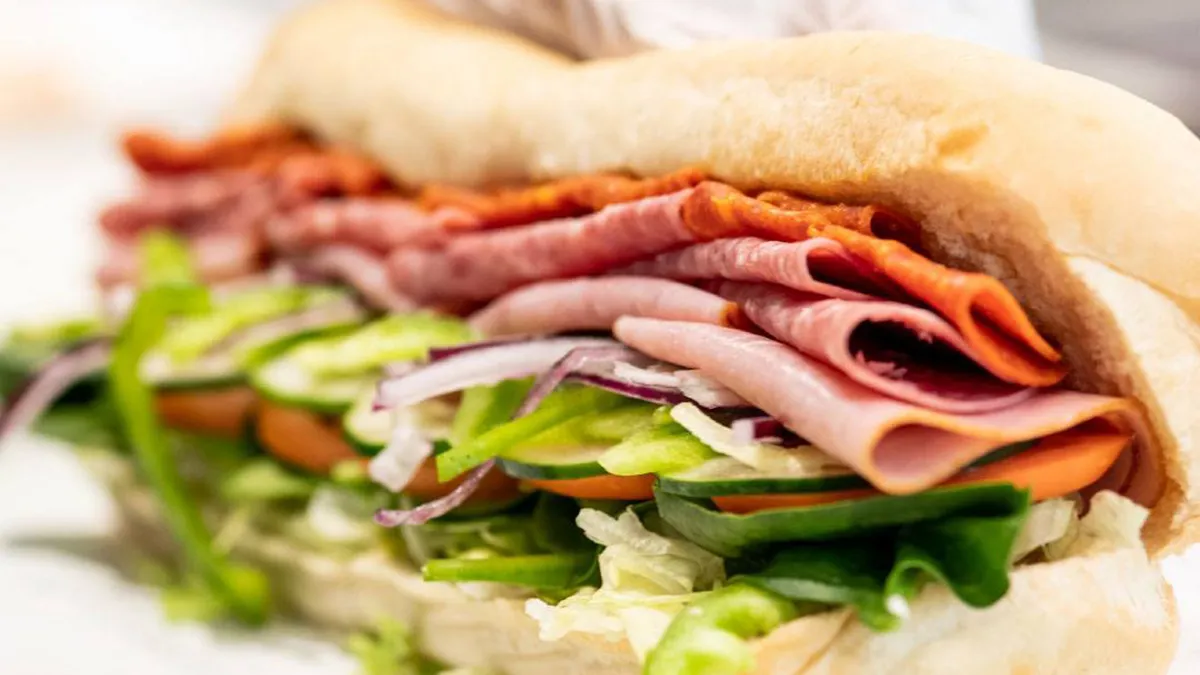
Macro food photography strips away the obvious outlines and silhouettes that our eyes rely on for instant recognition. This format requires deep visual problem solving. This format requires deep visual problem solving, the same skill set exercised in our top 45 visual puzzles guide. To successfully solve a close up food puzzle, you must analyze structural density and moisture levels. You have to think like a chef and a scientist at the same time, matching the mysterious shapes on your screen with real culinary structures stored in your memory.
Science of the Lens: How the Macro Food Photo Quiz Works
To consistently solve a macro food photo quiz, you need to understand exactly how common cooking methods and natural growth patterns change an ingredient under extreme magnification. As Atlas Obscura’s Gastro Obscura documented in its feature on food photography under the microscope, everyday ingredients reveal a hidden geometric world once you look past their familiar scale.
When you look at a guess the food picture, the secret lies in identifying specific texture categories. Nature and human kitchens create very distinct crystalline, cellular, and porous designs, a perceptual challenge closely related to how our brains get fooled in these optical illusions and visual puzzles.
1. Cellular Structure of Fresh Fruit
Under a microscope, fresh fruit reveals its high water content and delicate cellular walls. Berries show tiny, balloon-like structures packed together tightly to hold precious juice.
If a guess the food game displays a vibrant red surface covered in tiny, distinct spheres that look like translucent water balloons, you are likely looking closely at the individual drupelets of a fresh raspberry.
2. Porous Network of Baked Goods
Baking is fundamentally about trapping air bubbles within a structure of flour and protein. When magnified, the crumb of bread, cake, or pastry looks exactly like a natural sea sponge.
When viewing a baked food close up challenge, look for jagged, uneven caverns and dusty surfaces coated in fine starch particles. The size and shape of these empty air pockets can tell you if the item is a light, airy croissant or a dense piece of rye bread.
3. Crystalline Surfaces of Savory Snacks
Savory snacks rely heavily on topical seasonings to deliver instant flavor. Under a macro lens, potato chips, pretzels, and crackers look like rocky terrain covered in shiny boulders.
These shiny boulders are actually individual crystals of sodium chloride. If the image shows a dry, golden-brown landscape dotted with perfectly geometric translucent cubes, you are looking at a classic salted snack.
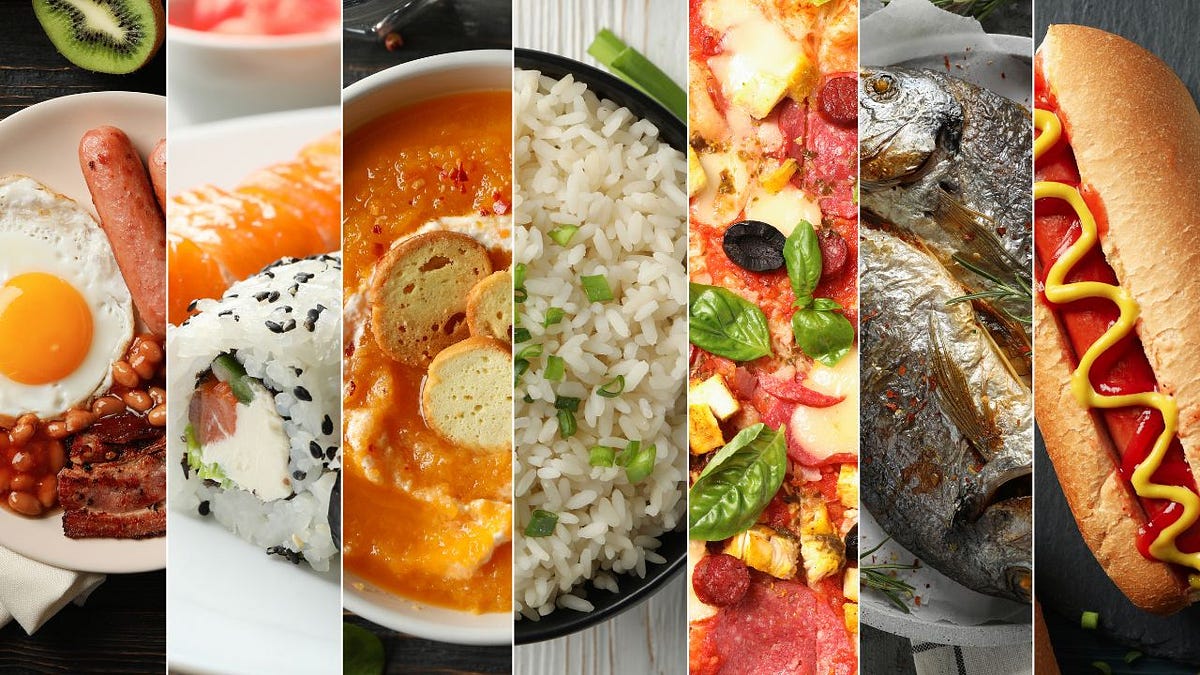
Master Checklist: Tricky Textures That Fool Most Players
Not every puzzle in an active food close up challenge is easy to solve. Many completely different snacks and ingredients look nearly identical when you strip away their scale.
The table below breaks down the most commonly confused macro textures based on available data from culinary photography platforms, along with the precise visual tricks you can use to tell them apart.
| Easily Confused Food Textures | Why They Look Identical | How to Tell Them Apart |
| Strawberry Skin vs. Tomato Interior | Both display bright red flesh dotted with tiny, pale yellow oval seeds. | Strawberry seeds sit on the dry external surface in deep individual dimples, whereas tomato seeds are suspended in a wet jelly-like liquid. |
| Granulated Sugar vs. Table Salt | Both look like piles of clear, white, shimmering geometric crystals. | Sugar crystals are true rectangles with sharp, blocky edges, while table salt crystals often look like perfect miniature cubes. |
| Orange Flesh vs. Pomegranate Arils | Both are made of packed, teardrop-shaped sacs filled with bright translucent juice. | Orange juice vesicles are long, narrow, and arranged in tight parallel rows, while pomegranate arils are much larger, angular, and separate easily. |
| Ground Black Pepper vs. Vanilla Bean Specks | Both appear as tiny, dark, irregular black dots embedded in a lighter base. | Black pepper grains look highly jagged and dry like cracked volcanic rock, whereas vanilla specks are perfectly smooth, tiny seeds. |
Pro Strategies to Ace a Zoomed In Food Quiz
If you want to move past simple guessing and start solving these visual riddles like a professional food stylist, you need a structured analytical method, the same approach that has made viral TikTok riddles such a global obsession in 2026.
Here is the exact step-by-step process you should use whenever a mystery macro image pops up on your screen.
Step 1: Evaluate the Moisture Factor
Look closely at how light interacts with the surface of the item. Is the texture bone-dry, oily, sticky, or watery? A highly glossy, wet reflection usually points toward fresh cut fruits, raw meats, or cooked sauces. A dull, matte surface that absorbs light indicates dry goods like flour, spices, or baked biscuits.
Step 2: Hunt for External Seed Markers
If you suspect the mystery item is a fruit or a strawberry, look for the arrangement of its reproductive elements. Seeds tell an incredible story under magnification.
For example, seeing tiny yellow teardrops embedded directly into a bright red exterior wall is the definitive visual signature of a strawberry, letting you guess the snack instantly.
Step 3: Examine the Edge Geometry
Look at the boundary lines within the pattern. Are they perfectly straight, or are they organic and flowing? Human-made foods like extruded pasta, machine-cut wafers, and pressed candy feature incredibly sharp, uniform edges. Natural ingredients display slight variations in size, irregular curves, and minor cellular imperfections that machines cannot replicate.
Summary of Micro Culinary Recognition
To summarize, winning a macro food quiz comes down to understanding the structural differences between natural and processed ingredients. By learning to separate the airy sponge network of a baked pastry from the dense cellular walls of a fresh fruit or the blocky crystals of sugar, you can solve even the most abstract images.
The secret is to examine the moisture level, look for specific markers like surface seeds or starch dust, and practice your observation skills regularly with diverse photo challenges. Over time, your eyes will learn to look past the initial confusion and easily decode the true identity of the hidden dish. if you want to solve more word puzzle must visit Riddlespuzzle.
Frequently Asked Questions (FAQs)
What makes raw meat look so distinctive in a macro photo quiz?
Raw meat consists of parallel bundles of muscle fibers held together by connective tissue. Under a macro lens, this creates a texture that looks exactly like long, pink or red cables running in a single direction, often interspaced with glossy white lines of intramuscular fat.
Why do chocolate bars look dusty under extreme magnification?
Based on available food science data, that fine dust is usually sugar or fat bloom. When chocolate experiences temperature changes, the sugar or fat crystals liquefy, migrate to the surface, and recrystallize into a microscopic white powder that looks like a desert landscape up close.
How can you tell the difference between a lemon and a lime up close?
While their internal juice sacs look nearly identical, their outer rinds carry distinct color pigment cells. A lemon rind features large, deep oil pockets surrounded by bright yellow cells, while a lime rind displays much more tightly packed, smaller oil glands embedded in a deep green field.
What is the easiest way to get better at a guess the creature or food game?
The best approach is to categorize the image into a basic food group immediately: fruit, vegetable, baked good, snack, or spice. Once you narrow down the category based on moisture and texture, identifying the specific ingredient takes only a few moments of logical elimination.
Thank you for reading this ultimate macro food guide. For more fun visual challenges, mind-bending riddles, and interactive word puzzles, make sure to check out riddlepuzzle to keep your brain sharp and healthy every single day.